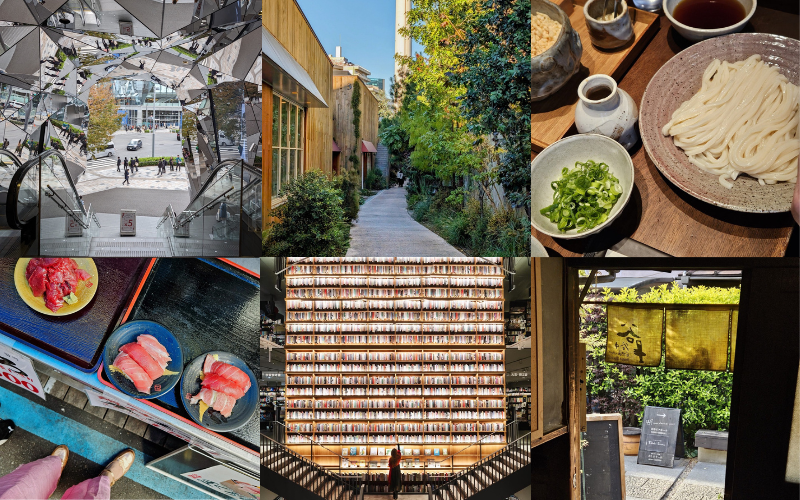
Most 4 day Tokyo itineraries are a carbon copy of one another. Shibuya Crossing, Senso-ji, Harajuku, Tsukiji, rinse and repeat. While those "cliché" spots have their merits (you'll see them here as well, but in a deeper way), Tokyo isn’t a city of landmarks; it’s a city of micro-neighborhoods. The difference between a good trip and an unforgettable one is whether you actually slow down enough to feel each one. I didn’t "discover" Tokyo on a trendy 10-day whim. I lived here from the age of 3 to 11. This is the city where I learned to ride a bike, where I had my first sugary run-in with taiyaki, and where the specific melodic jingle of a train platform still triggers a Pavlovian sense of "home." I’ve returned recently with my husband, Patrick, and again with my mother and baby girl Sibby in tow, and every time I’m struck by how this city evolves at warp speed while staying stubbornly, beautifully the same. As an Italian-American who swoons over a perfect arch and lives for a crusty pastry, I vet every block of this Tokyo in 4 days route through a lens of design and cultural nuance.

The Svadore Secret: How I Actually Get There
You know all those people on social who claim they traveled in business class or economy for free? This is the "cheat code." I use it to find those hidden Business Class seats for 65k points (instead of $8K). Whether I’m flying Sibby to Milan or heading somewhere new with Patrick, I use Seats.aero.
Note: I only share the tools I actually use
~ Is 4 days in Tokyo enough? ~
4 days in Tokyo is not enough time. 2 weeks is more like it! But you can get a taste of the city and it's best areas. Before we dive into the cinematic details, I need you to commit to one thing: stop zigzagging. This 4 days in Tokyo strategy is all about staying in one "zone" per day.
- Day 1: Old Tokyo Soul: Yanaka, Nezu, Asakusa, Kuramae
- Day 2: Hidden Alleys & Neon Nights: Kagurazaka, Shinjuku
- Day 3: Style, Streets & Meguro River: Harajuku, Omotesando, Daikanyama, Nakameguro
- Day 4: Markets, Art & Grand Finales: teamLab, Tsukiji, Ginza, Tokyo Tower
Each day moves through 2-3 connected neighborhoods so you're walking naturally from one stop to the next instead of zigzagging across the city. Comfortable shoes are non-negotiable. You'll average 15,000-25,000 steps a day, and you'll want every one of them.
For the full deep dive with maps, pins, every restaurant, and 70+ pages of neighborhood guides, check out the Svadore Tokyo 4-Day Travel Guide. What follows here is the highlight reel.
~ Day 1: Exploring "Old Tokyo" (Yanaka and Asakusa Walking Route) ~
Yanaka, Nezu, Asakusa & Kuramae
Yanaka is the perfect starting point for 4 days in Tokyo because it resets your internal clock. You're starting your Tokyo trip not at a skyscraper, but at a shrine older than most European cathedrals. Day 1 stays on the east side of the city with minimal trains. This is the best walking day of the trip.
Morning: Kayaba Coffee
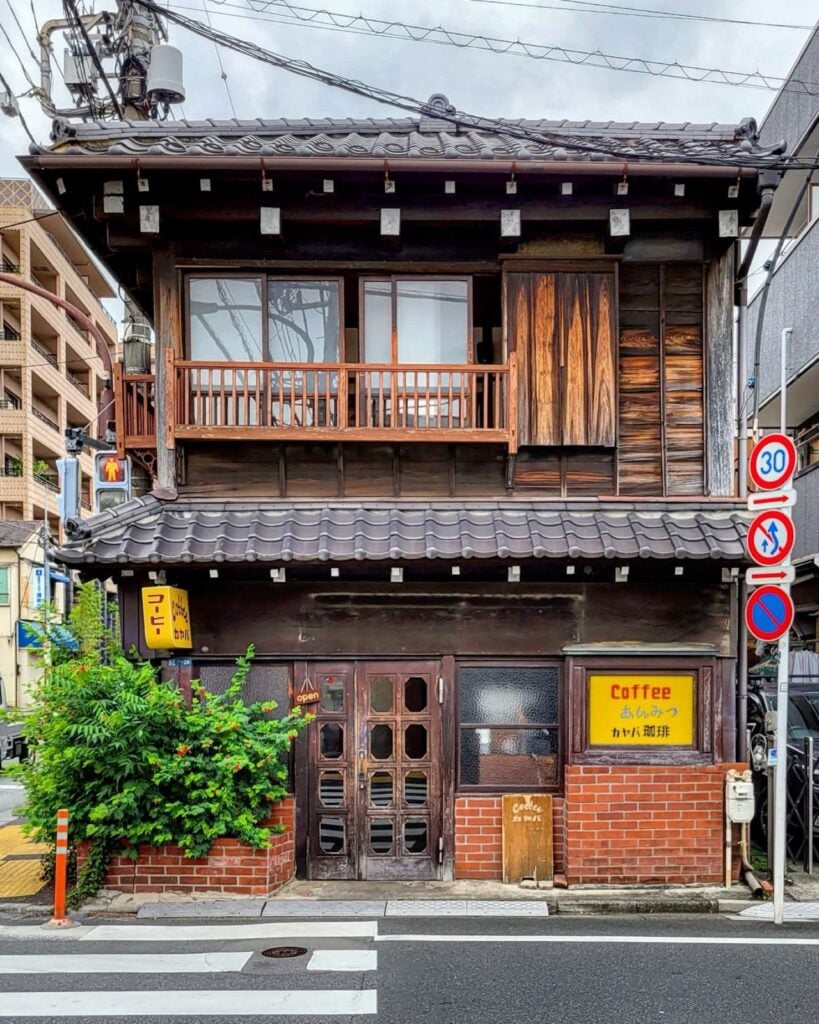
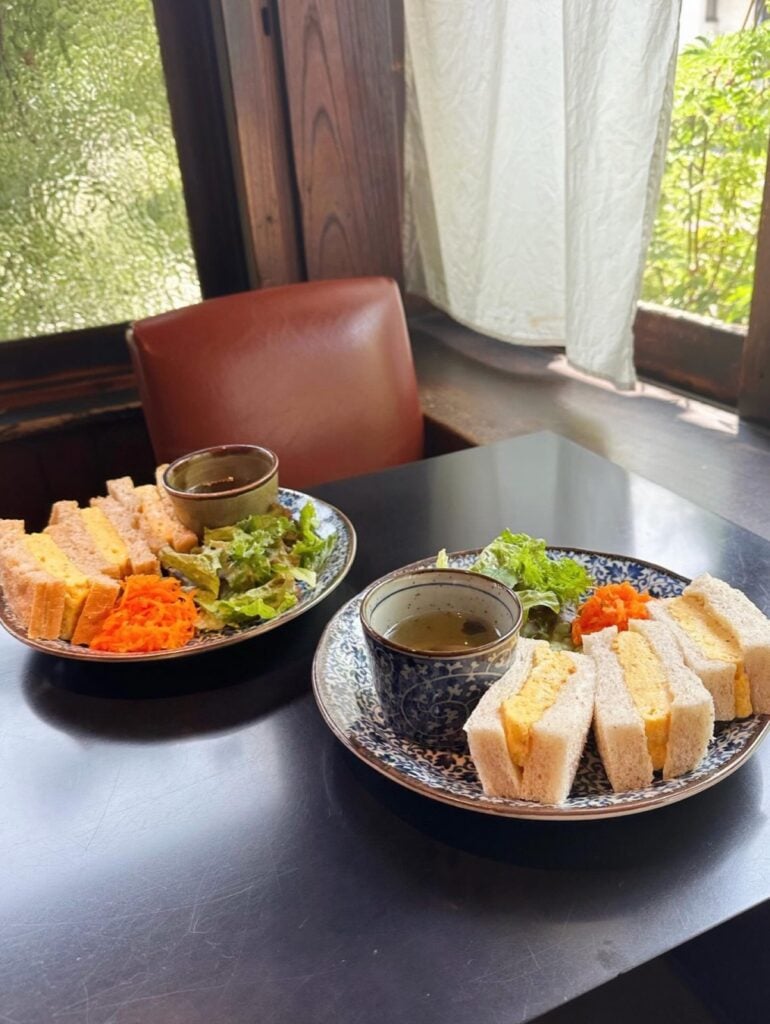
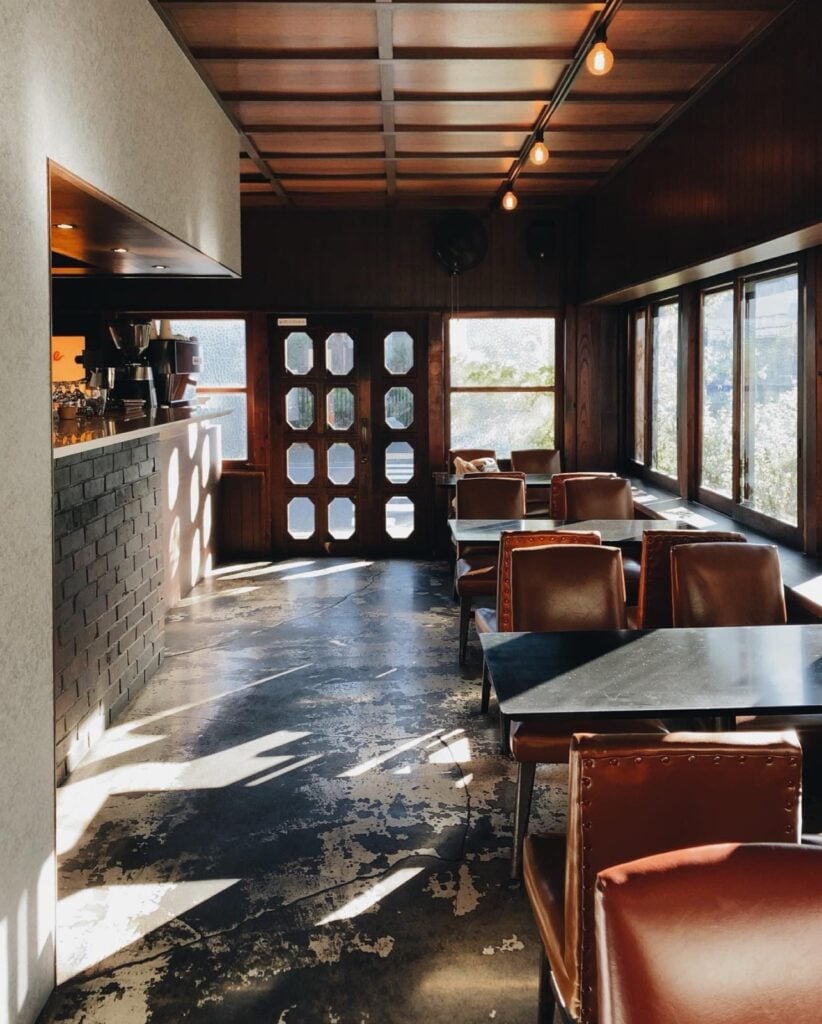
Start the morning at Kayaba Coffee, one of Tokyo's most beloved kissaten (traditional Japanese coffee shops). Originally a candy shop in 1916, it became a kissaten in 1938 and still has its tatami flooring and Taisho-era atmosphere. Don't leave without the specialty egg sandwiches.
Morning: Nezu Shrine
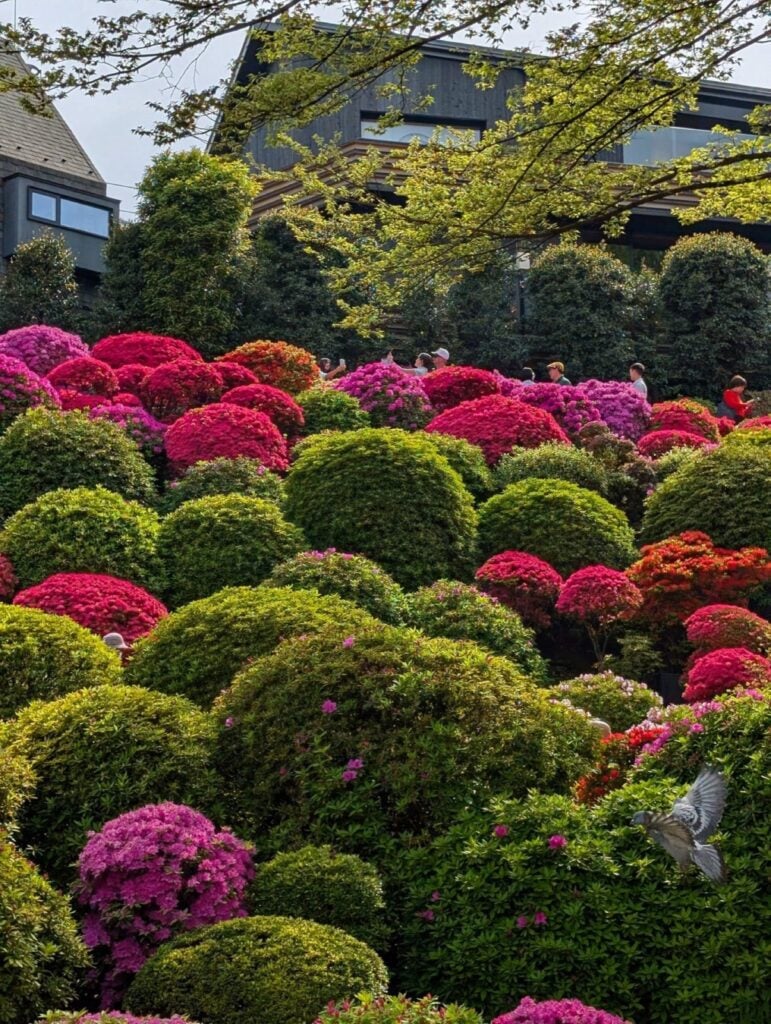
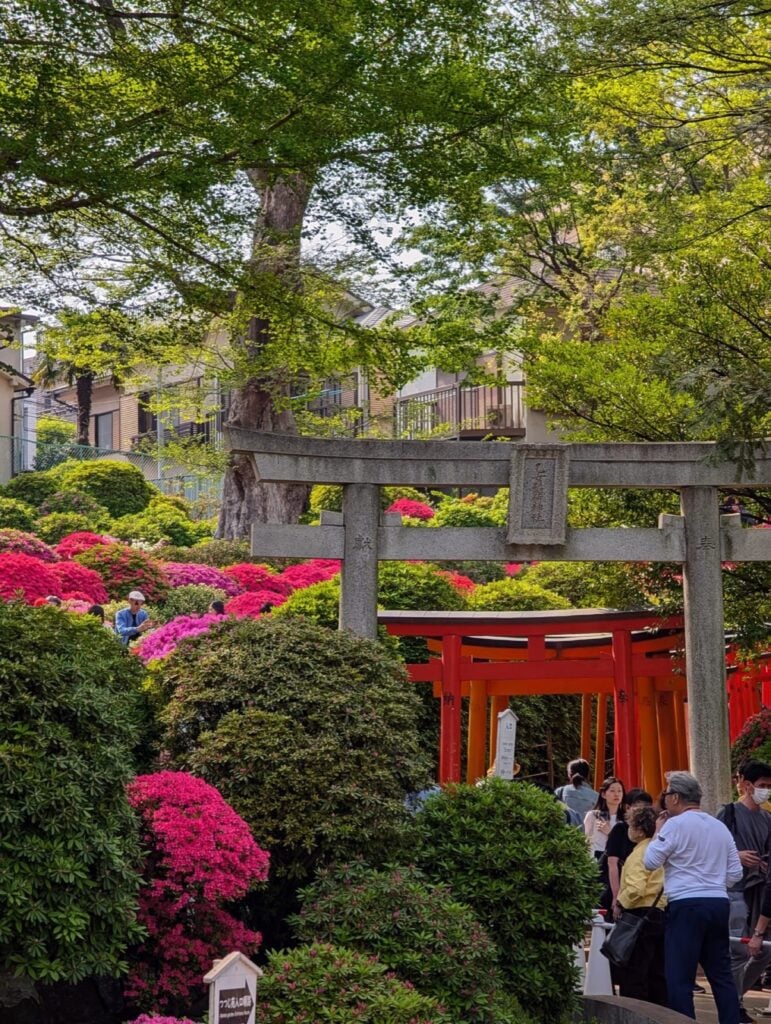
Nezu Shrine is over 1,900 years old. Vermillion torii gates wind through a forested hillside in a scene that rivals Kyoto's Fushimi Inari, but with a fraction of the crowds. If visiting in April, the Azalea Garden erupts into over 3,000 bushes in every shade of pink, purple, and white. Pay the small fee to enter the hillside paths and get lost in the floral tunnels.
From the shrine, walk through the quiet residential backstreets toward Yanaka Ginza. This isn't a route you rush. Yanaka is part of Tokyo's shitamachi (low city), one of the few neighborhoods that survived both the 1923 Great Kanto Earthquake and the WWII firebombings. While most of the city was rebuilt from rubble, Yanaka kept its pre-war wooden houses, narrow alleyways, and over 70 temples dotting the hillside.
Svadore Tip
If you'd rather have a local guide unlock the backstreets for you (and eat your way through them), this Backstreet Yanesen walking tour covers the same Yanaka-Nezu-Sendagi neighborhoods with food stops and local history you won't find on signage. A great option if it's your first time in Tokyo or you want someone else to navigate the alleyways.
Morning: The Pastry Stop
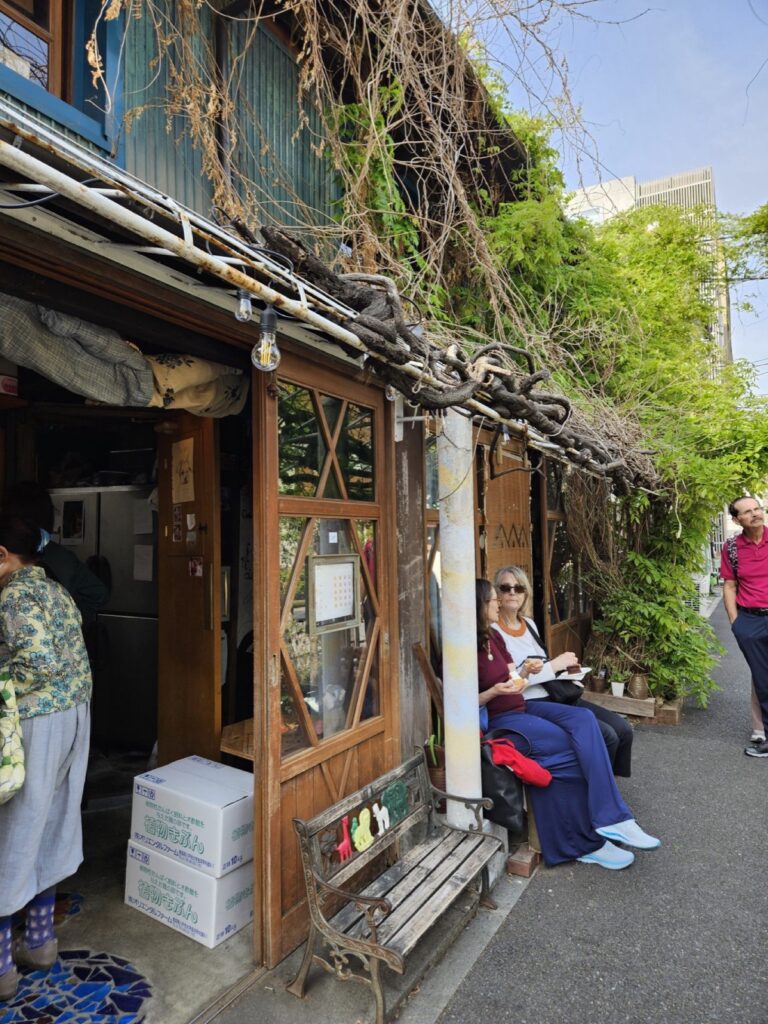
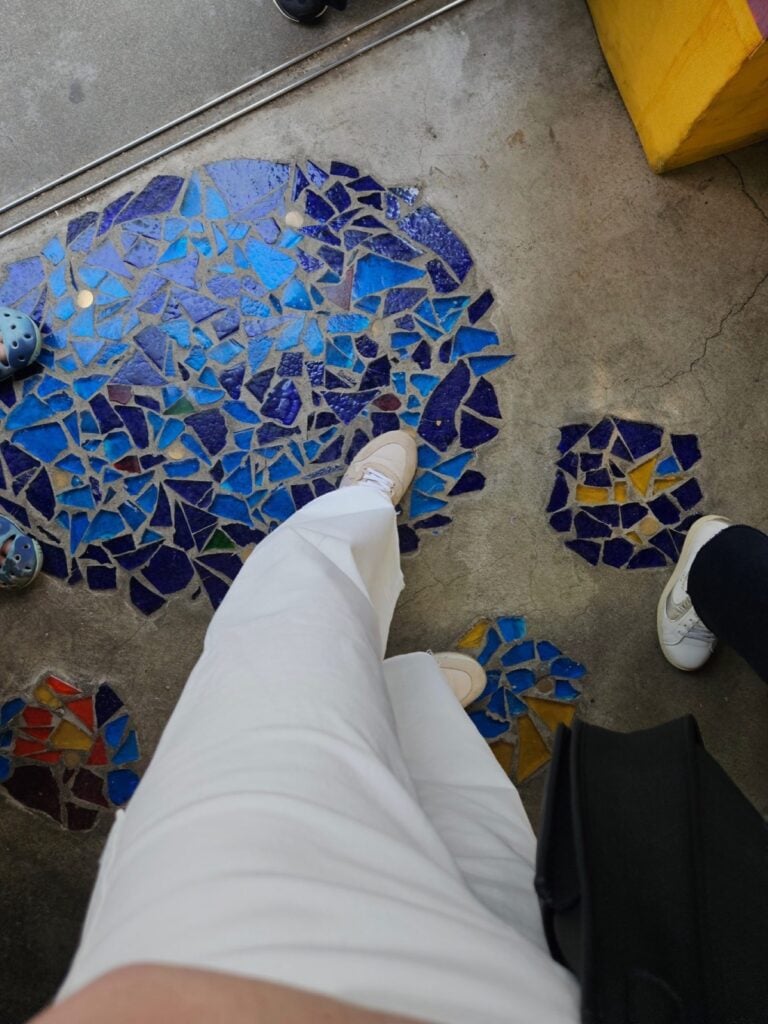
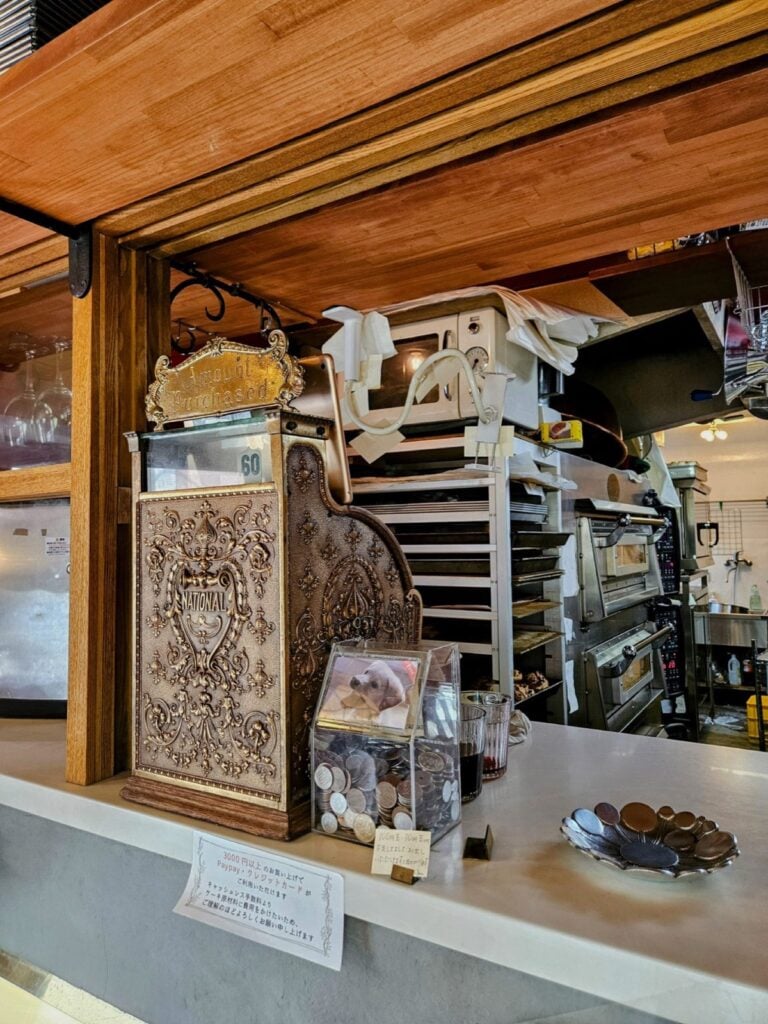
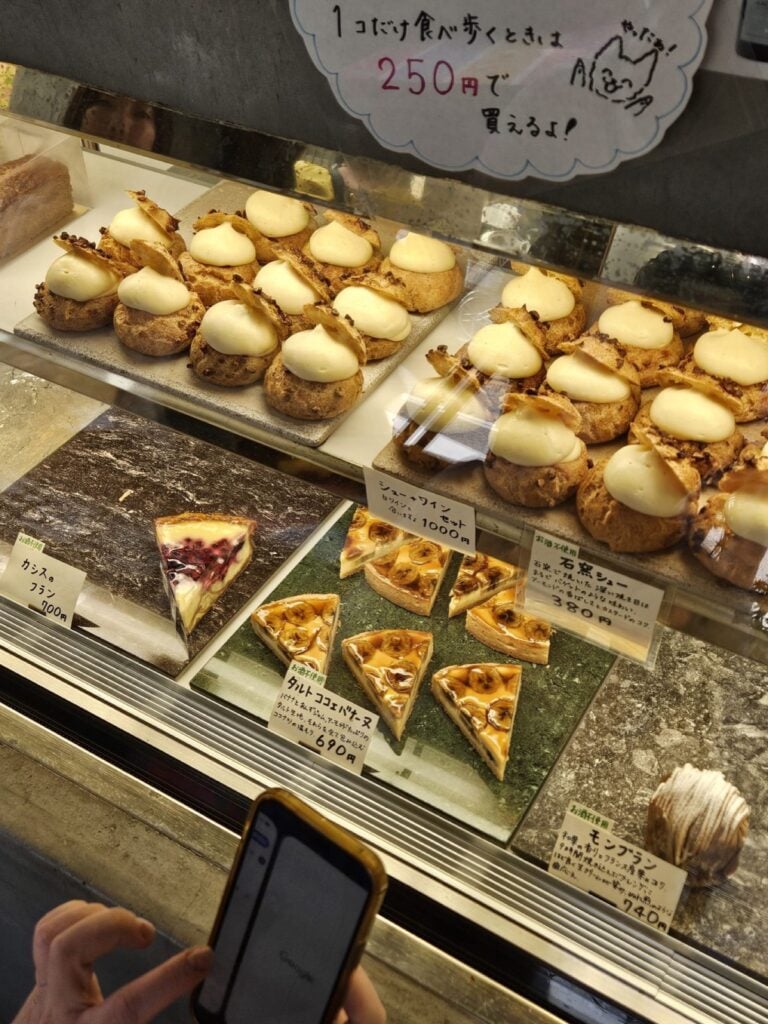
Because I physically cannot walk past a bakery without evaluating its crumb structure, you must find this specific French patisserie. It's hidden in a rustic cottage that looks like it was air-lifted from Provence and dropped into Tokyo. Their Choux a la Creme is filled to order with custard. There is one rule: eat it immediately. If you don't eat it within 30 seconds, the steam will soften the crunch.
Where is it? I’ve pinned the exact "don’t miss it" French patisserie on my Tokyo Google Map along with 350+ other pins.

Morning: Himalayan Tree
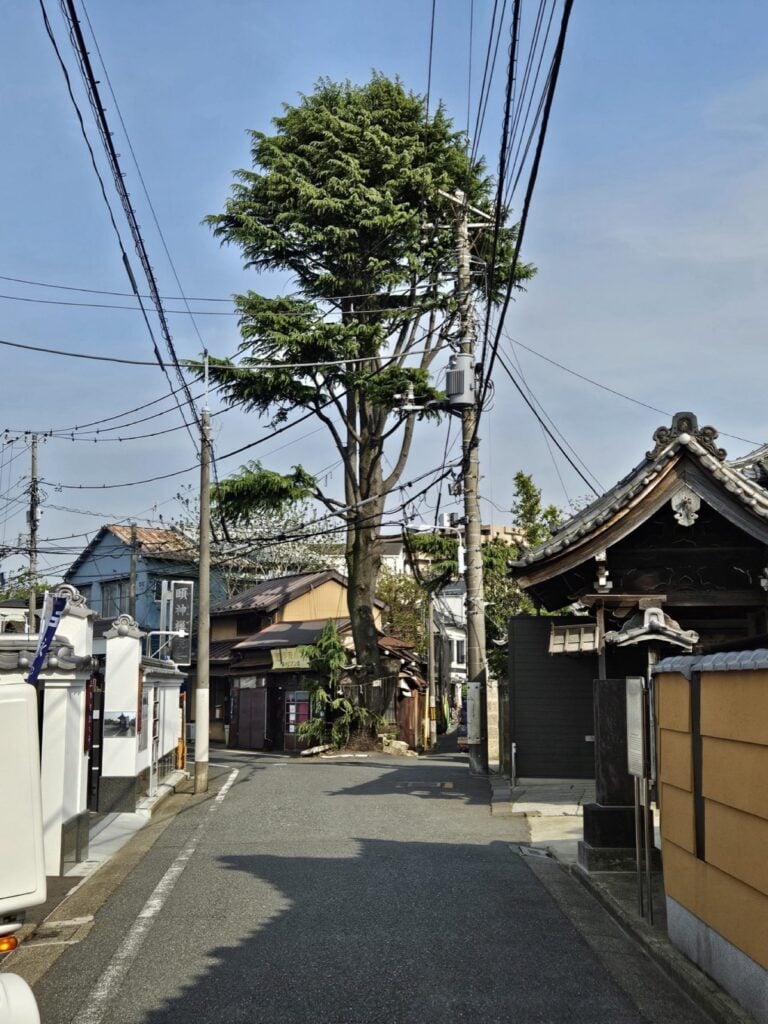
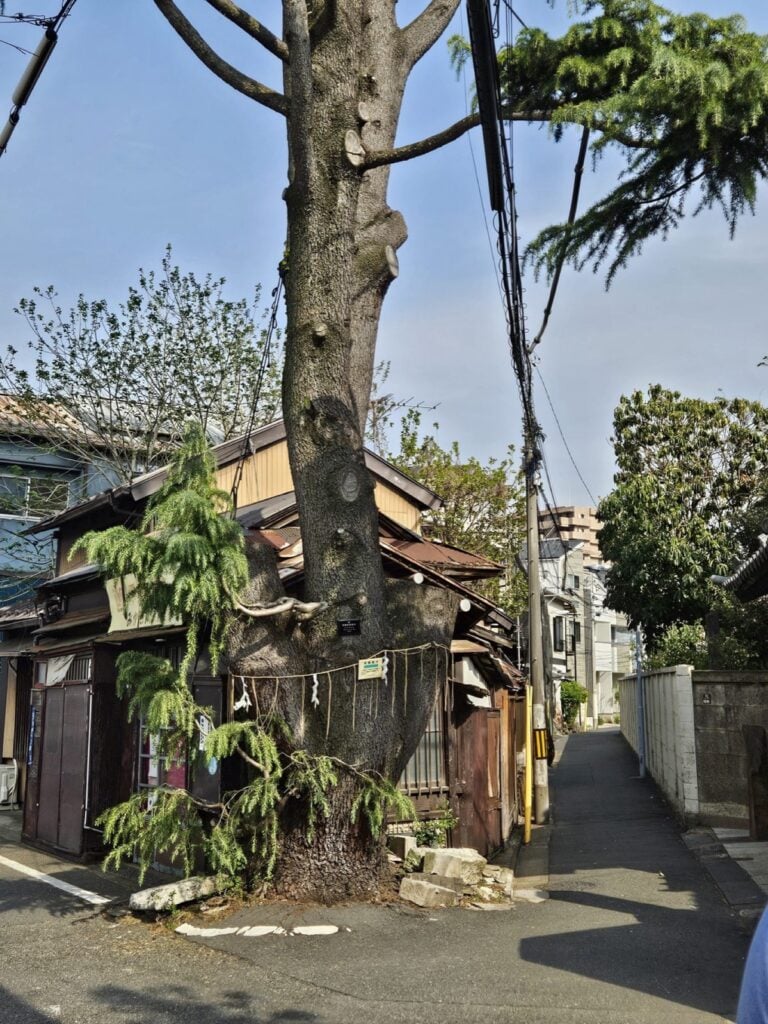
Along the way, look for the Himalayan Tree (a century-old cedar saved from demolition by a local action committee), the outdoor bronze Buddha at Tennoji Temple, and Yanaka Cemetery's famous cherry blossom canopy.
Morning: Yanaka's Famous "Sunset Steps"
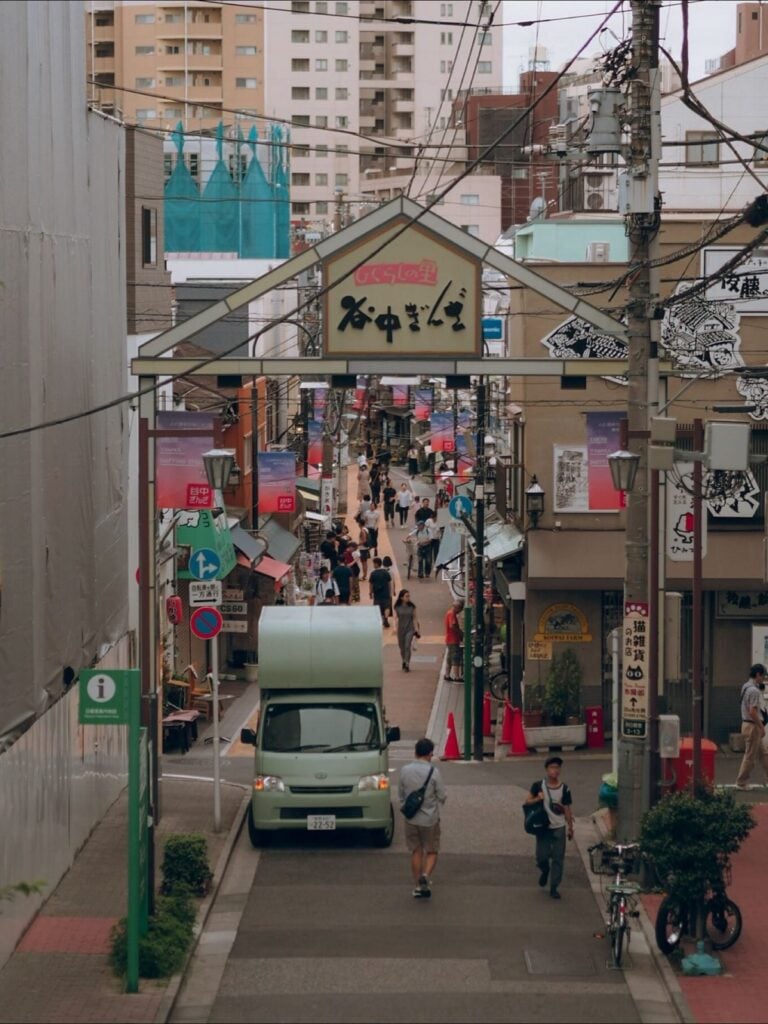
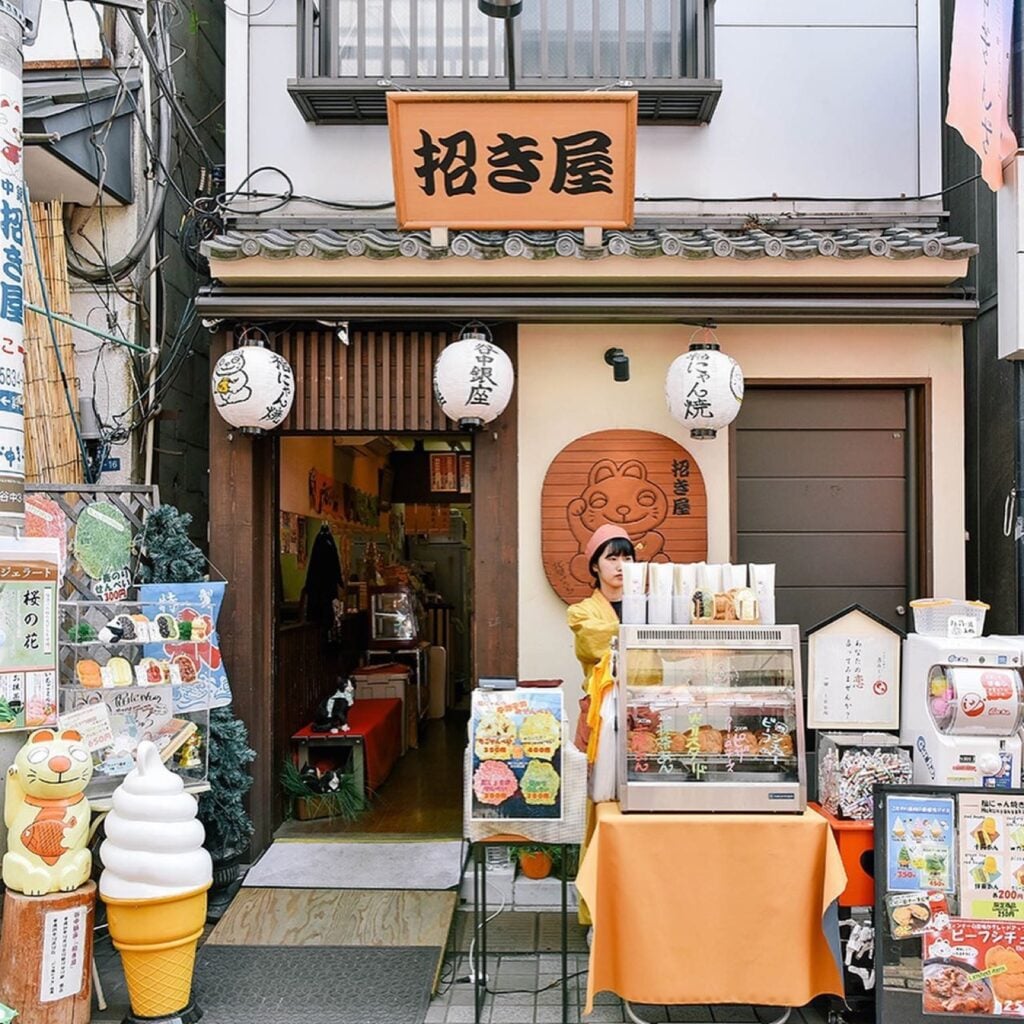
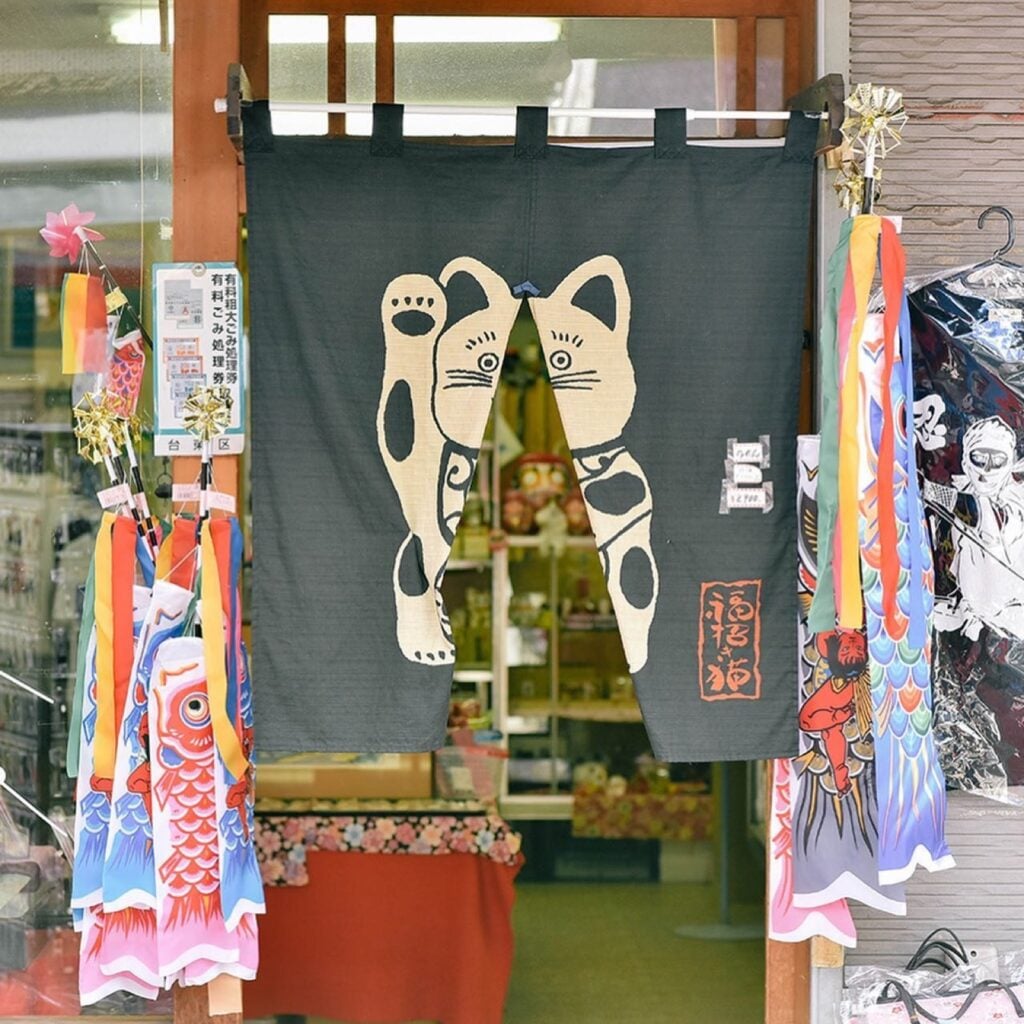
Walk down the Yuyake Dandan stairs, Yanaka's famous "sunset steps." The view from the top is legendary among locals because it’s where you truly see the "Low City" silhouette against the sky. Below, the shopping street unfolds like a living postcard. Below, the shopping street unfolds with cat tail doughnuts, sweet potato with black sesame from street vendors, and craft shops with cat motifs everywhere. Yanaka is Tokyo's unofficial "cat town," and strays lounge on temple walls like they own the place. I've pinned some of my go-to stalls on my Tokyo Google Map.
Lunch: Kamachiku
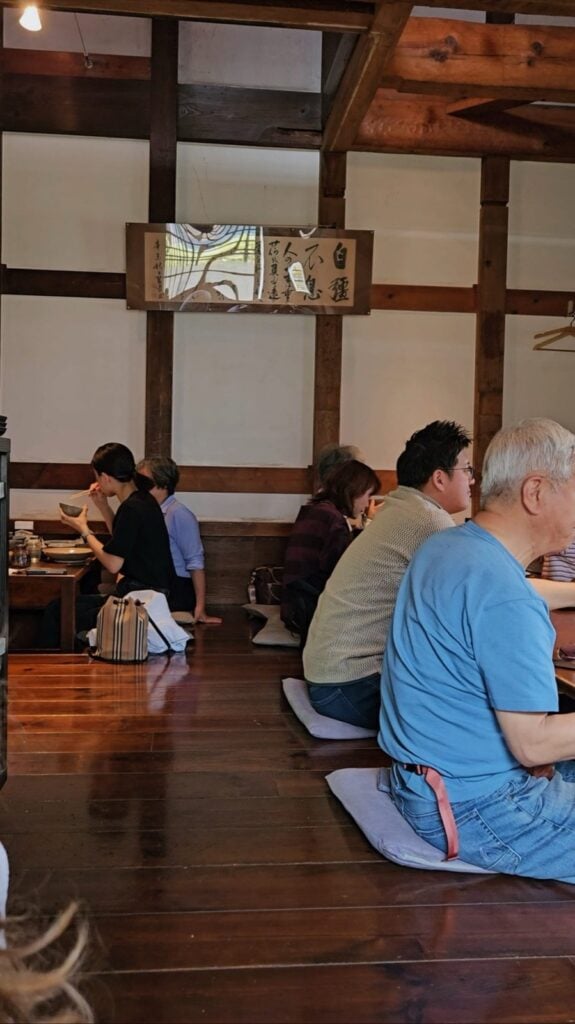
Once you’ve had your fill of cat-themed everything, it’s time for a proper, civilized lunch. I’m loath to share this because it’s a sanctuary that feels like a private secret, though the Michelin guide did manage to find it for their Bib Gourmand list. This udon is a mandatory stop in your 4 days in Tokyo. Kamachiku is housed in a former stone warehouse, you’ll sit on tatami mats looking out at a manicured stone garden that feels like a film set. The udon is made from scratch to order, and the atmosphere is so quiet you can hear the steam rising from your bowl.
Afternoon: Ueno Sakuragi Atari
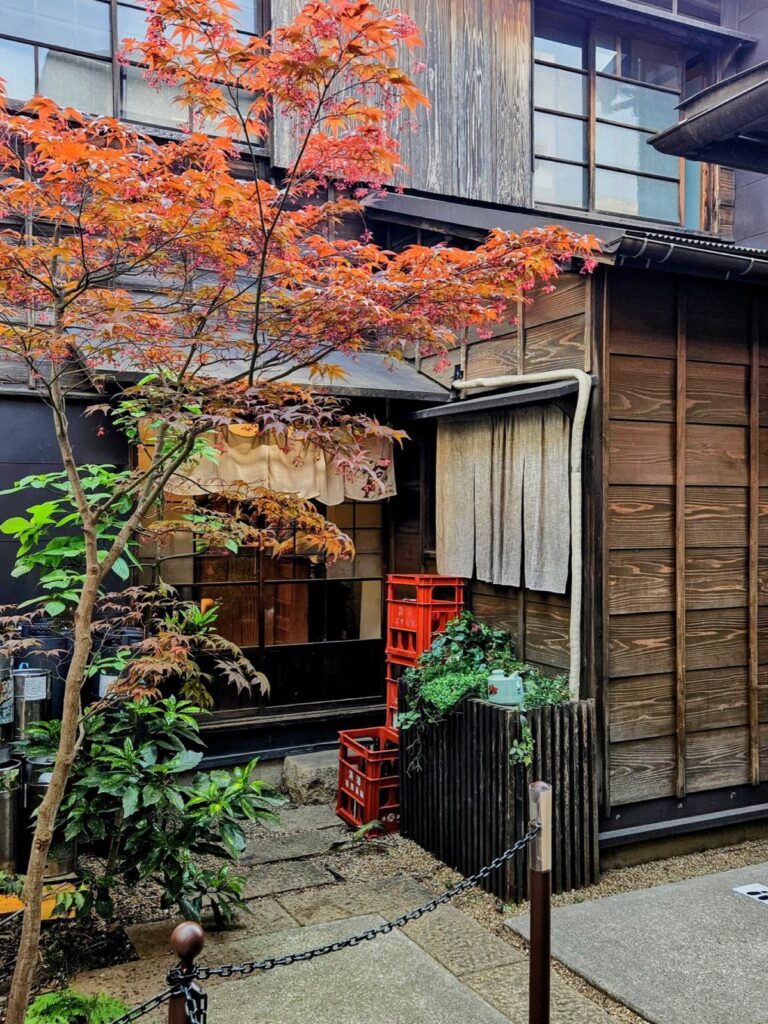
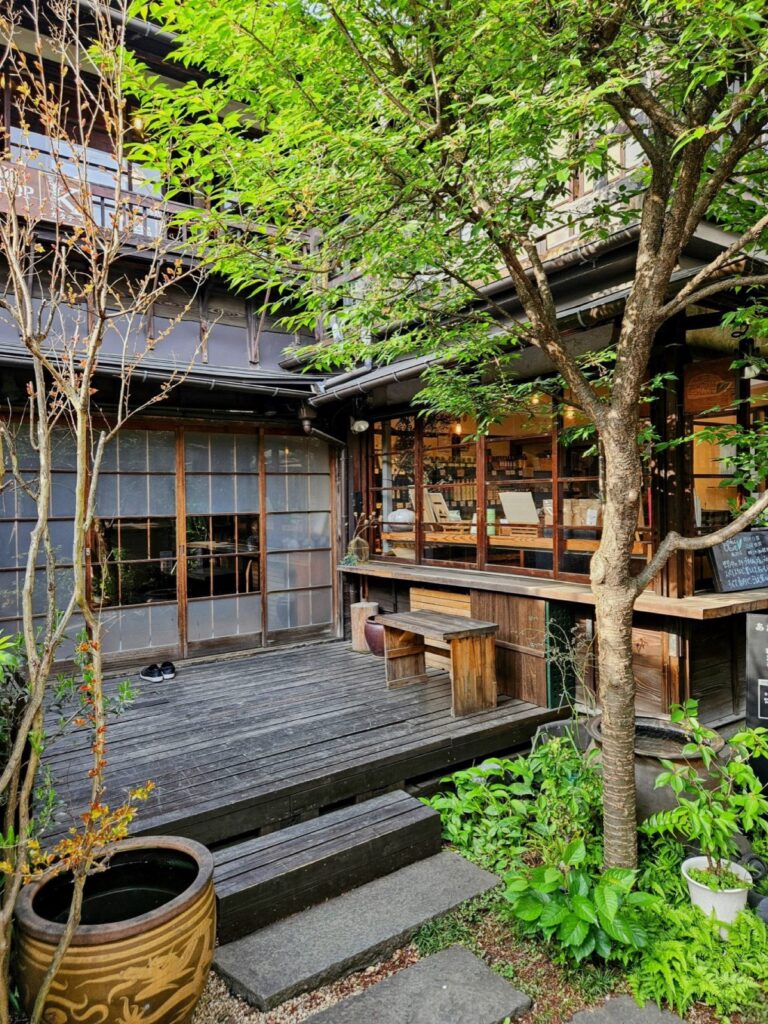
Next, you’re heading to a cluster of revived 1930s Japanese houses tucked behind a wall of greenery called Ueno Sakuragi Atari. This is my absolute favorite corner of Yanaka. It houses a bakery with a sourdough crust that rivals anything I’ve had in Milan, and an "Old Tokyo" beer hall where you can drink craft flights in a space that feels like time stopped before the war.
If you are traveling with a baby like I was with Sibby, be warned: this beer hall is not stroller-friendly. The building is a 1938 original, which means steep, narrow stairs and cramped wooden corners. We had to park the stroller outside and navigate the tight space, it’s the price you pay for authentic Showa-era soul, but something no one tells you until you're already there.
Evening: Kappabashi & Kuramae
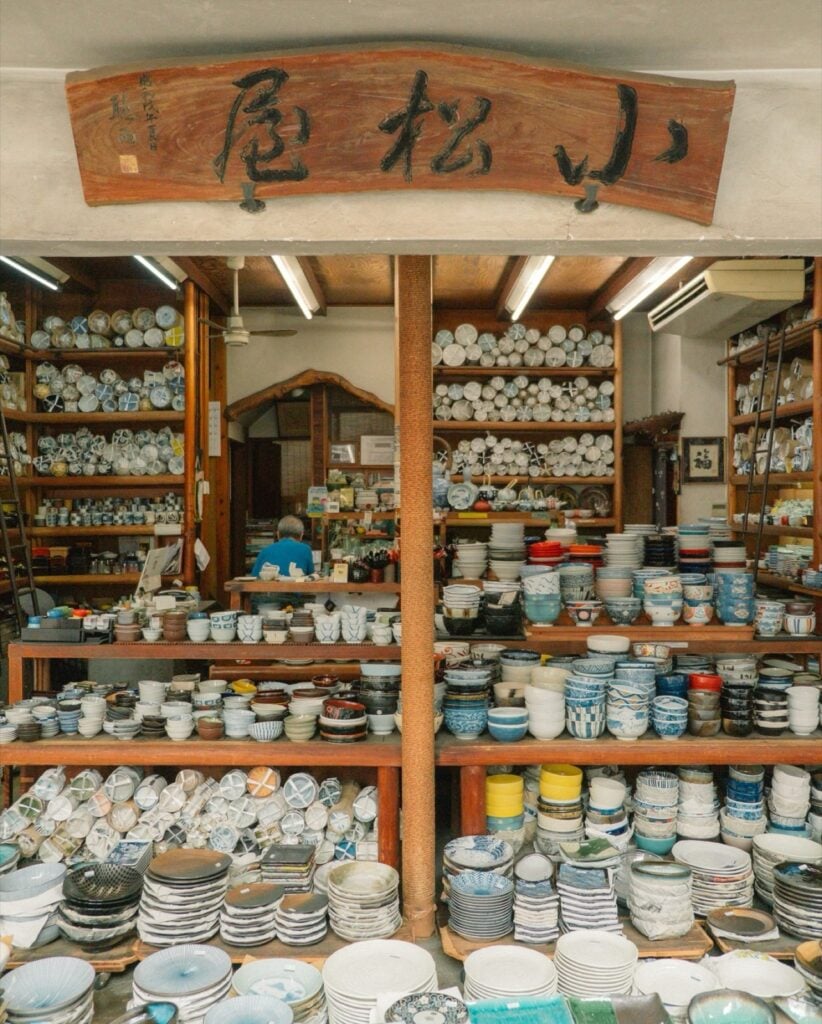
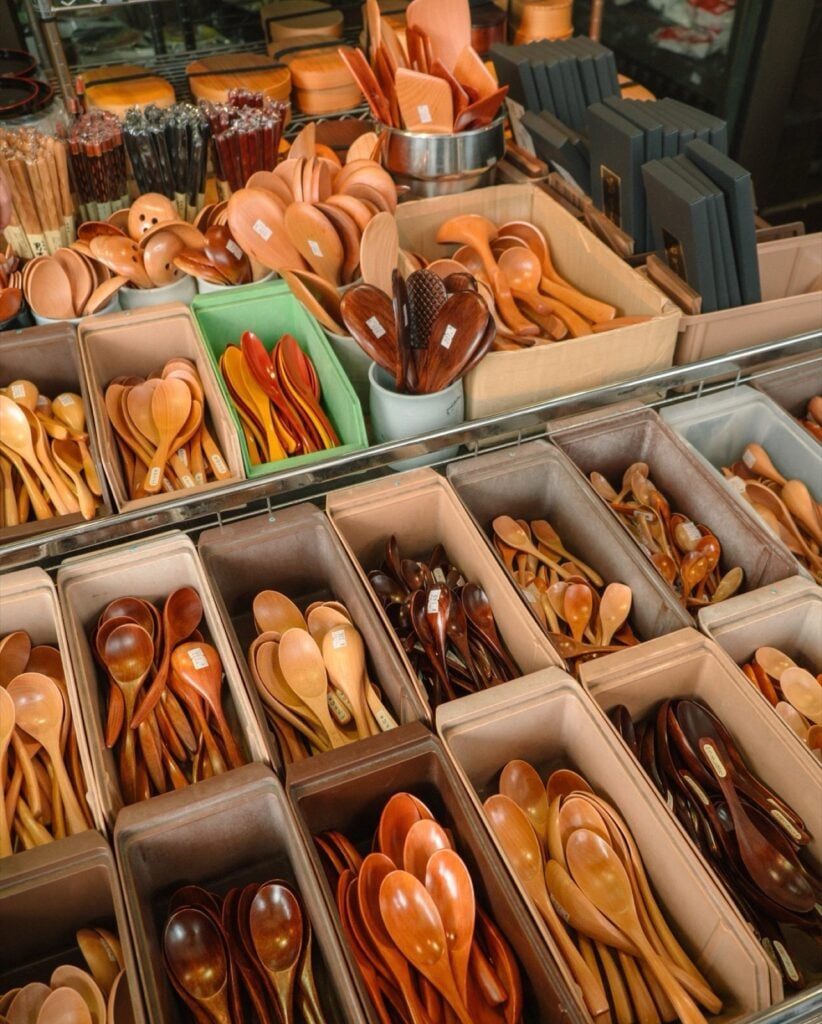
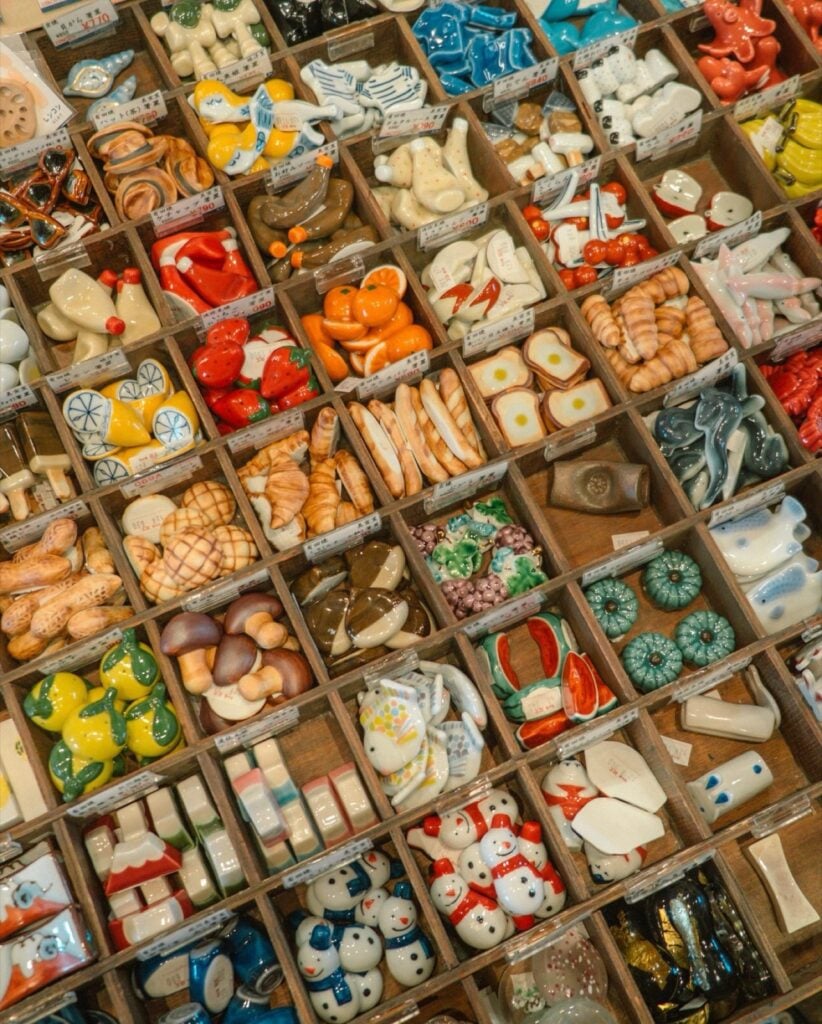
Before dinner, walk through Kappabashi ("Kitchen Town"), 170+ shops where Tokyo's restaurant industry buys everything from hand-forged knives to the uncannily realistic plastic food replicas you see in restaurant windows across Japan. If you want to go deeper than just browsing, this soba-making class lets you learn the craft with a traditional big soba knife right in the heart of Kitchen Town, a hands-on experience you'll remember longer than any souvenir.
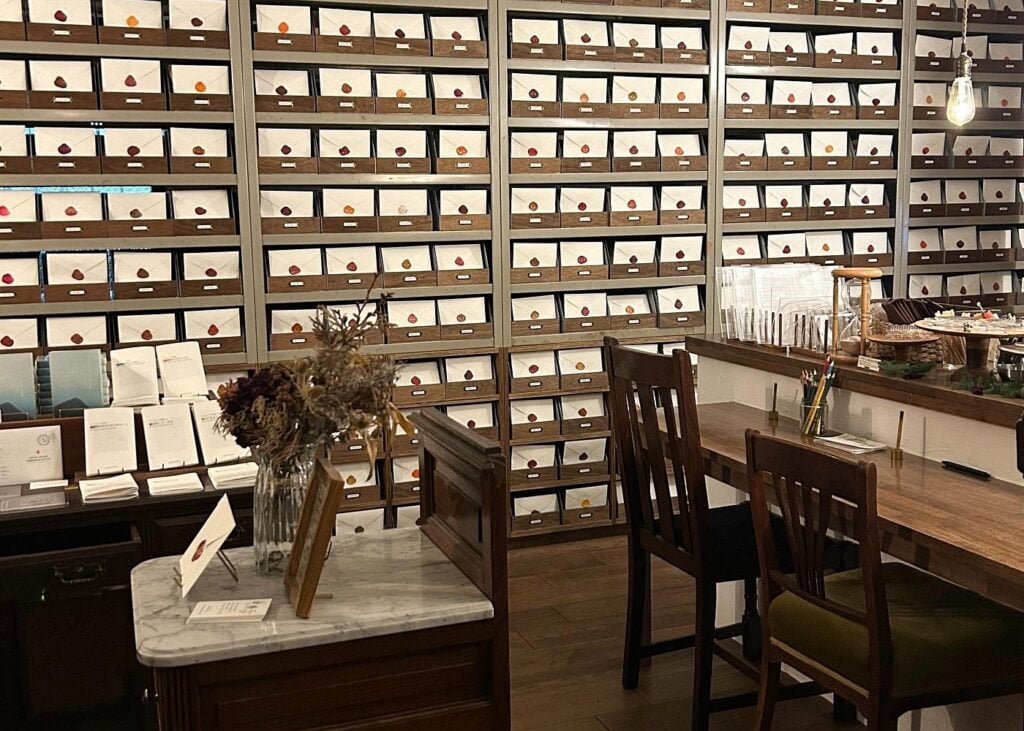
Then drift into Kuramae, where old rice warehouses now house custom stationery shops, leather studios, and craft sake bars. One worth seeking out: the Future Letter Cafe, where you write a letter to your future self and they mail it to you months or years later. Nearby in Asakusa, there's also a chopstick-making workshop where you carve your own pair from scratch, another one of those only-in-this-neighborhood experiences.
Evening: Senso-ji at Dusk
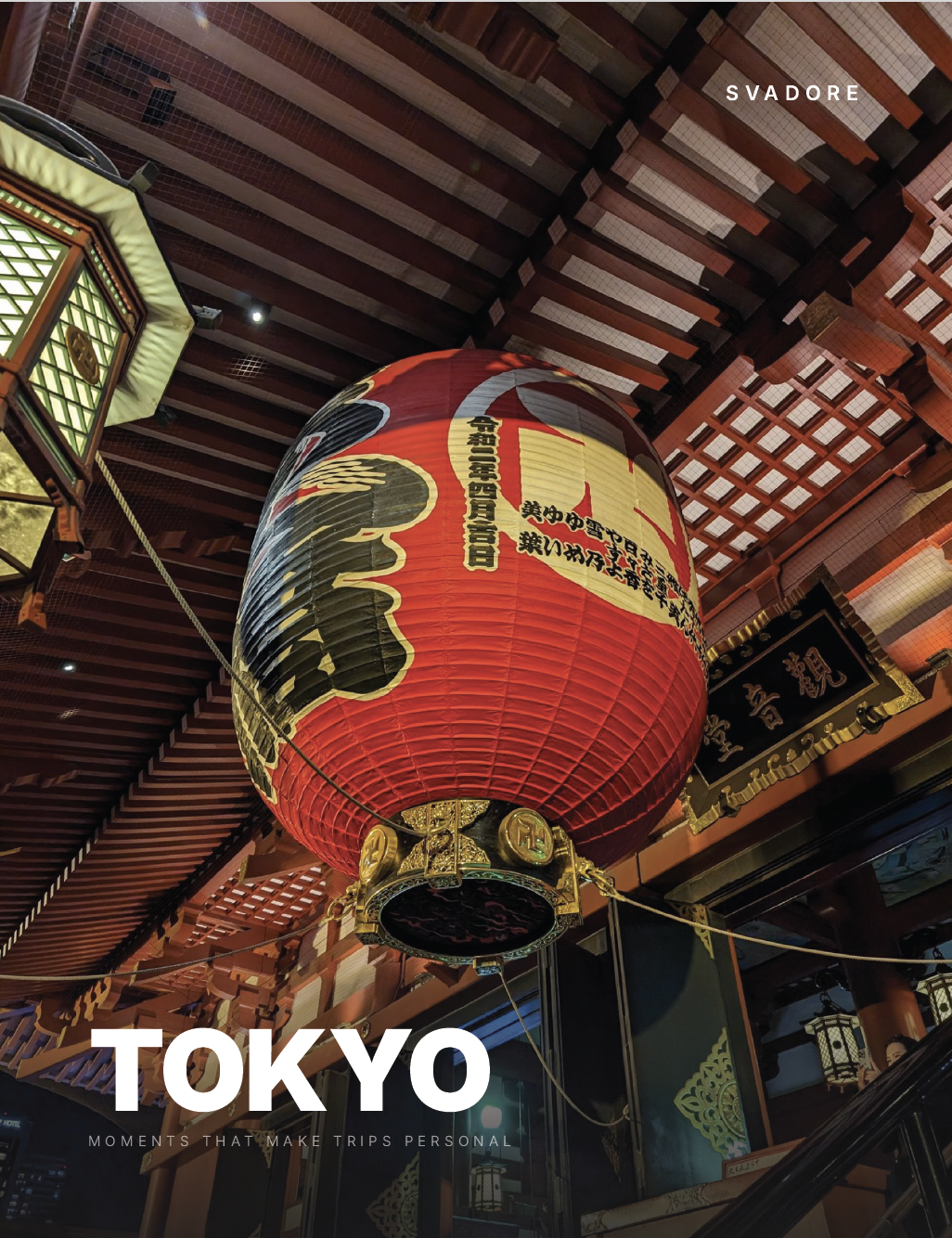
End the afternoon at Senso-ji, Tokyo's oldest temple, founded in 645 AD. Legend has it two fishermen pulled a golden statue of Kannon from the Sumida River, and no matter how many times they threw it back, it kept returning. So they built a temple for it. Walk through the iconic Kaminarimon (Thunder Gate) with its 700-kilogram red lantern, fan the incense smoke toward yourself for luck, and pull an omikuji fortune stick.
If you pull a "Bad Luck" stick, don’t panic, just tie it to the designated wooden rack and leave the misfortune behind. When we were here, Patrick pulled a particularly ominous one that warned of a catastrophe involving "the boat." Ironically, we actually own a boat back in CT, so we took it very literally and spent the next hour coming up with scenarios of what was. going to happen to our boat. It’s been years and the boat is still afloat, so I can vouch for the "tie it to the rack" method.
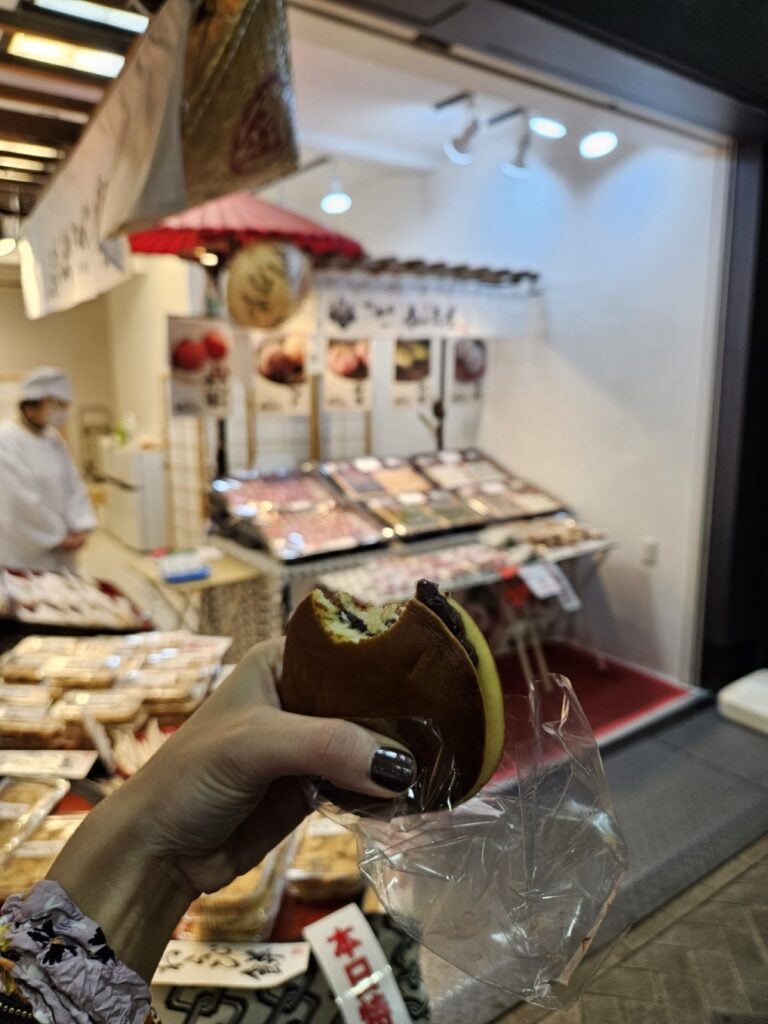
As you walk through the temple grounds, you’ll find small stalls selling traditional crafts. This is where I found a tiny, exquisite coin purse that I still carry. As someone who grew up in Japan, I have a high bar for "souvenirs," and this wasn't the mass-produced plastic you see at the airport. It’s made from traditional Japanese fabric with a sturdy, architectural metal clasp—the kind of piece that feels like a small work of art every time I reach for my change.
Svadore Tip
Go after dark. The buildings are dramatically lit. Completely different atmosphere. If you want the full story behind the temple and the surrounding Asakusa district, this private Senso-ji and Asakusa tour pairs well with a self-guided evening return.
Dinner: Meiji-Era Sukiyaki Legend
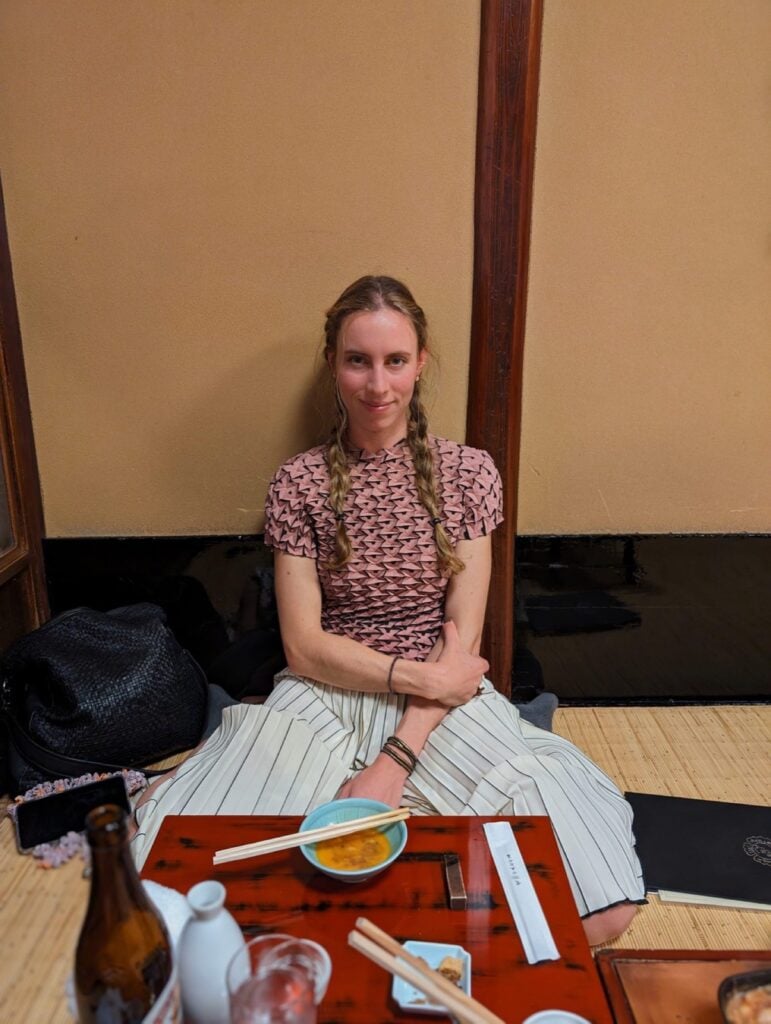
One of my favorite meals in Tokyo, hands down. This place has been open since 1897 and is one of Tokyo's last standing Meiji-era restaurants. It survived the firebombings that leveled most of this neighborhood, so the wooden building itself is part of the experience. You're seated in private tatami rooms with sliding paper doors, and the sukiyaki is cooked over a charcoal brazier at your table by the staff.
For those who don't know, Sukiyaki is a traditional Japanese hot pot, but 99% of the time, you’ll see it made with marbled beef. Its roots go back to the Meiji Restoration (late 1800s), when Japan finally lifted a centuries-old ban on eating meat. While the rest of the city went mad for "Gyu-nabe" (beef pot) as a symbol of Western modernization, a few elite spots in the Kanda area held onto Tori-sukiyaki (chicken sukiyaki).
Thinly sliced chicken simmered in sweet soy broth, each piece dipped into raw beaten egg. The faint scent of soy, sugar, and charcoal fills the room.
Reservations required. Call ahead or ask your hotel concierge. This is a designated historical building with very limited seating, walk-ins are rarely accommodated (we were lucky!). Info in my Tokyo Google Map.
~ Day 2: The Best Hidden Alleys in Shinjuku and Kagurazaka ~
Kagurazaka & Shinjuku
Day 2 is a study in contrasts. You start the morning in Kagurazaka's cobblestone geisha lanes, where shamisen music still drifts from behind closed wooden doors. By the time night falls on day two of your 4 days in Tokyo, you’ll want the chaos of Shinjuku in the smoky chaos of Omoide Yokocho and the six-seat bars of Golden-Gai.
Morning: Breakfast with a "Water View" at Canal Cafe
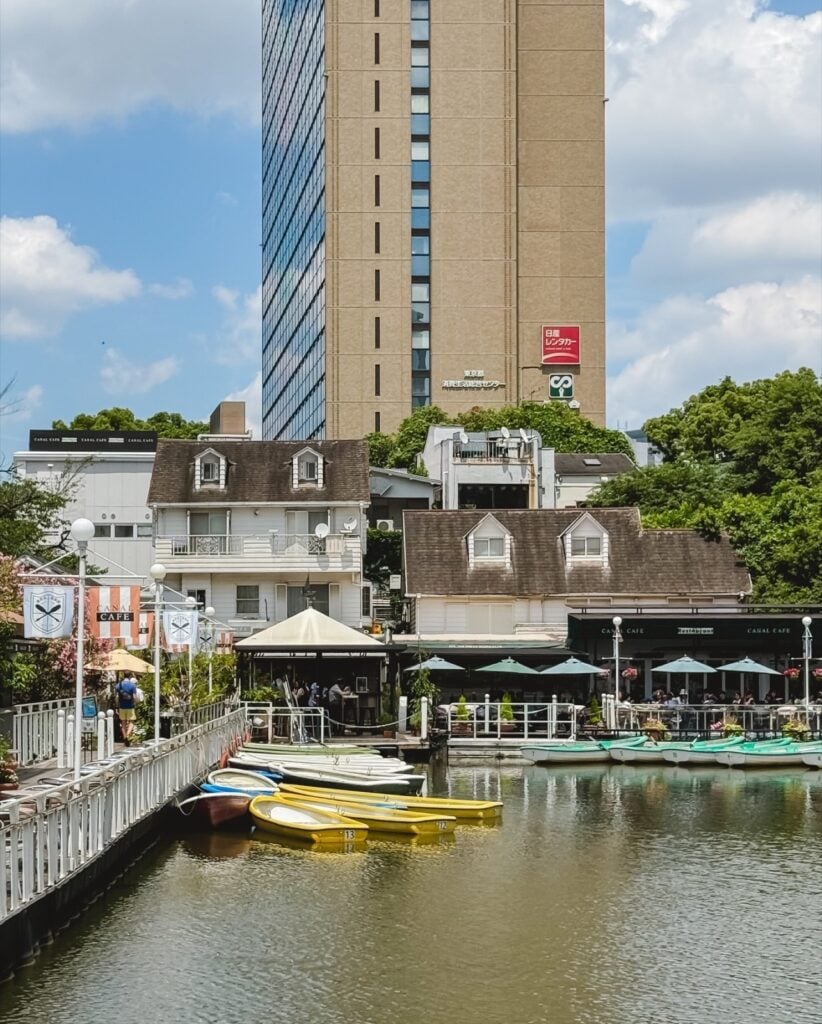
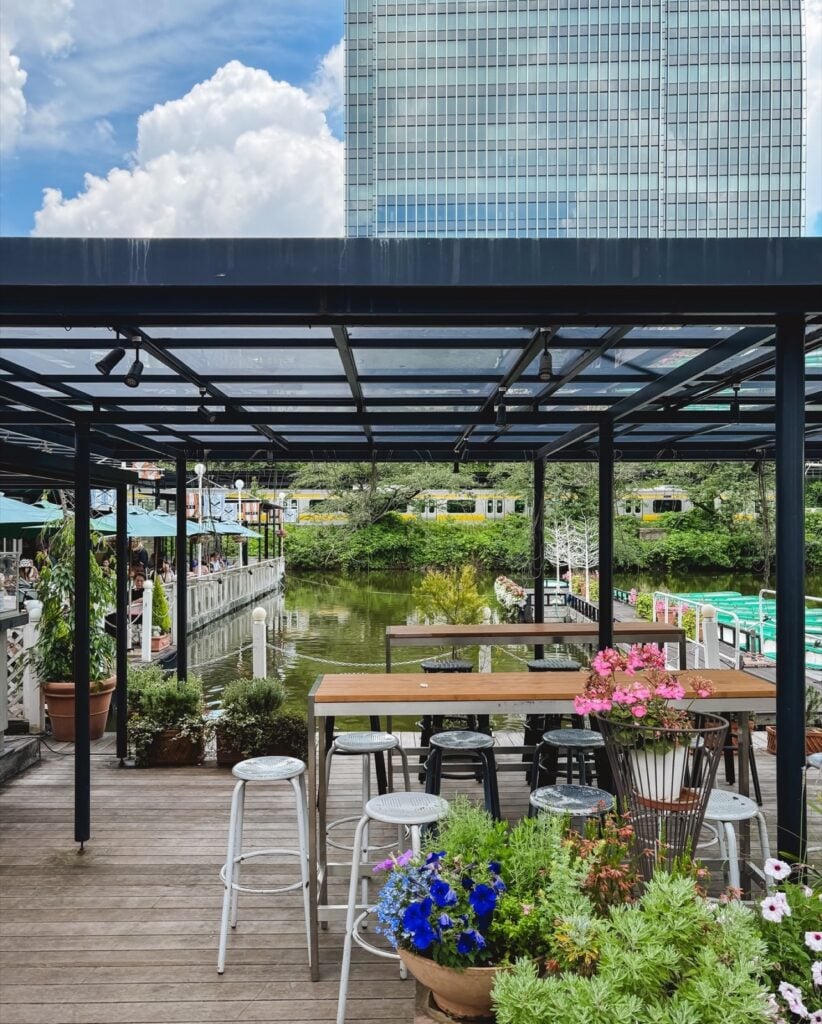
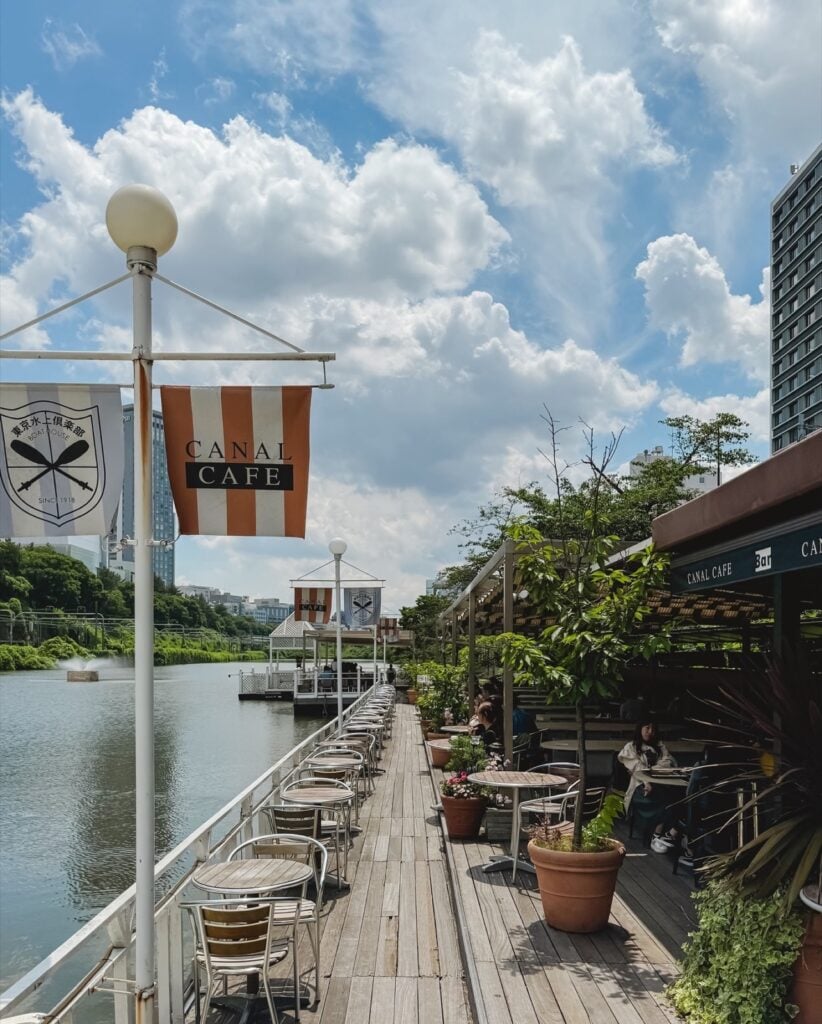
Start your morning at Canal Cafe, an iconic riverside spot perched on the edge of the old Edo Castle moat. In the spring, cherry blossoms hang so low over the water they touch your glass while you sip wine on the deck. It’s romantic, vaguely European, and offers a rare "water view" in a city that usually feels like a concrete jungle. I've pinned this riverside gem on my Tokyo Google Map. Alternatively, you can visit the first crêperie in Japan: La Bretagne.
Morning: Kagurazaka "Yokocho" Walk
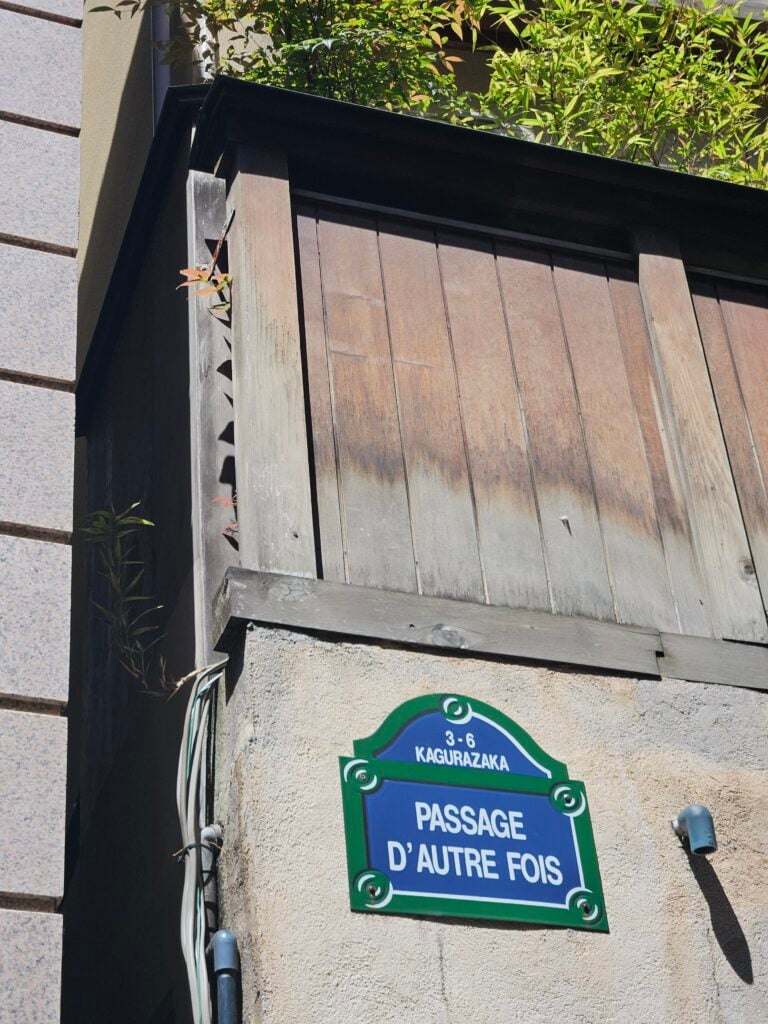
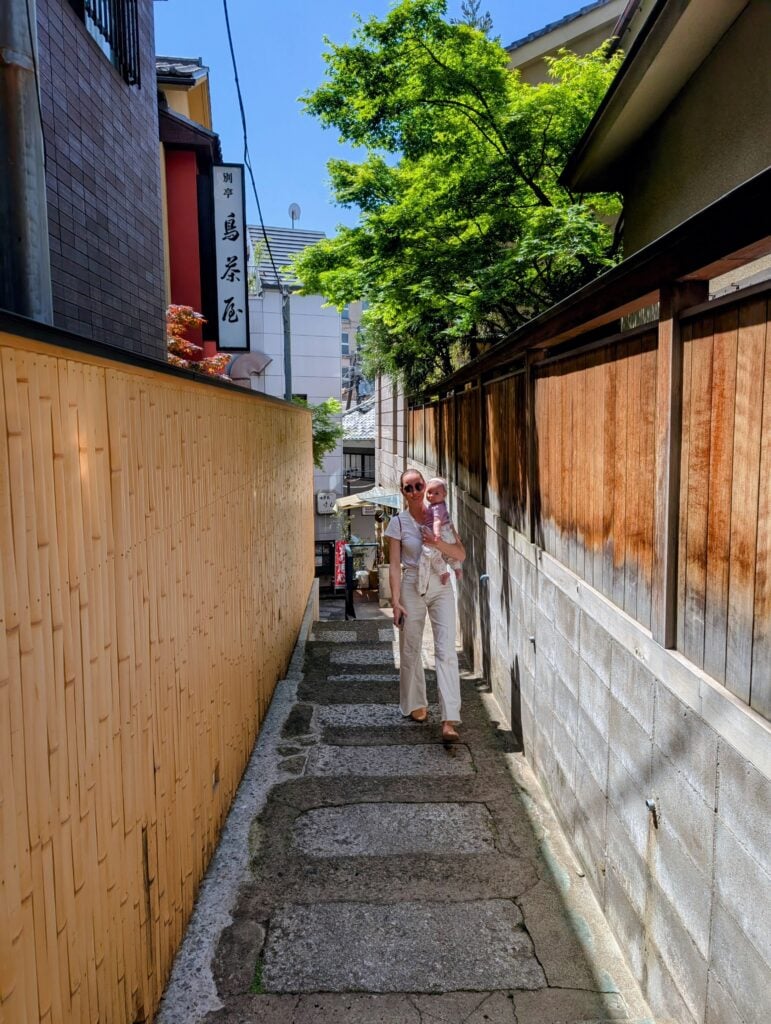
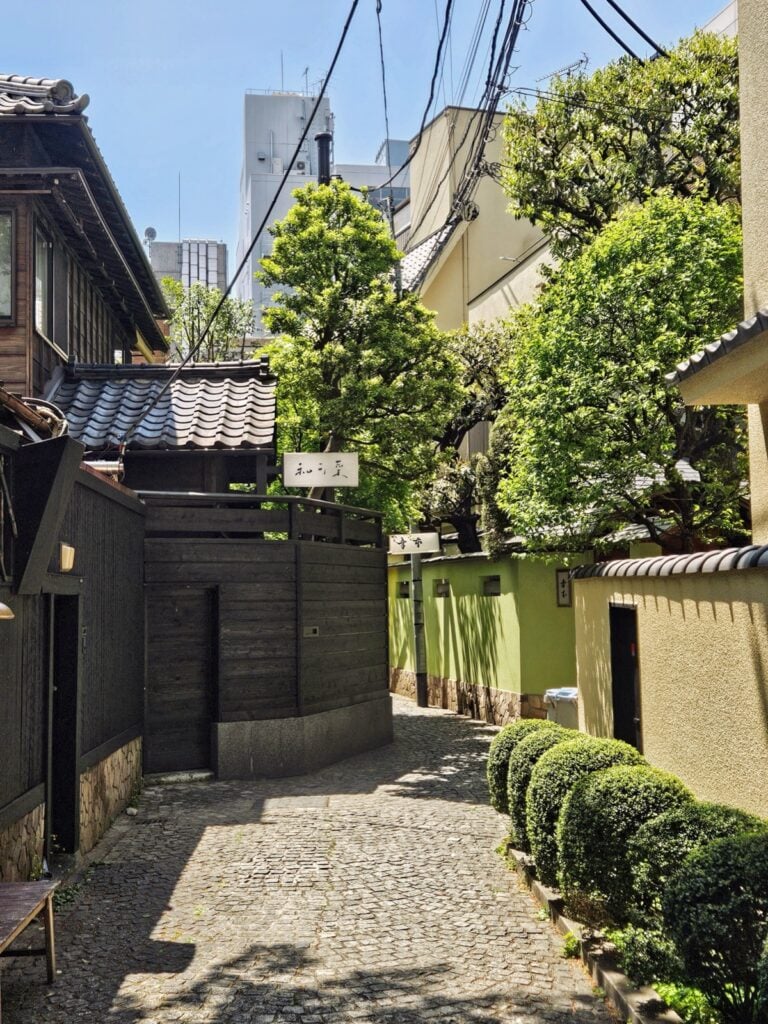
Kagurazaka feels like a secret French-Japanese enclave in your 4 days in Tokyo. Kagurazaka is one of Tokyo's most layered neighborhoods, a former geisha quarter turned French enclave turned foodie destination, all on one sloping hillside. The French connection goes back to the early 1900s, when the nearby Institut Français and a cluster of French Catholic schools drew expats to the area. They saw the narrow cobblestone alleys and felt at home. Today Kagurazaka has more French restaurants per block than anywhere else in Tokyo, and some of the street signs are still in French.
But beneath the French veneer, Kagurazaka's geisha culture still quietly exists. The ryotei (traditional restaurants) along Hyogo Yokocho and Kakurenbo Yokocho still host private banquets with geisha performances. A yokocho is a narrow side alley, usually lined with small restaurants, bars, or shops. Kagurazaka has some of the most beautiful ones in the city:
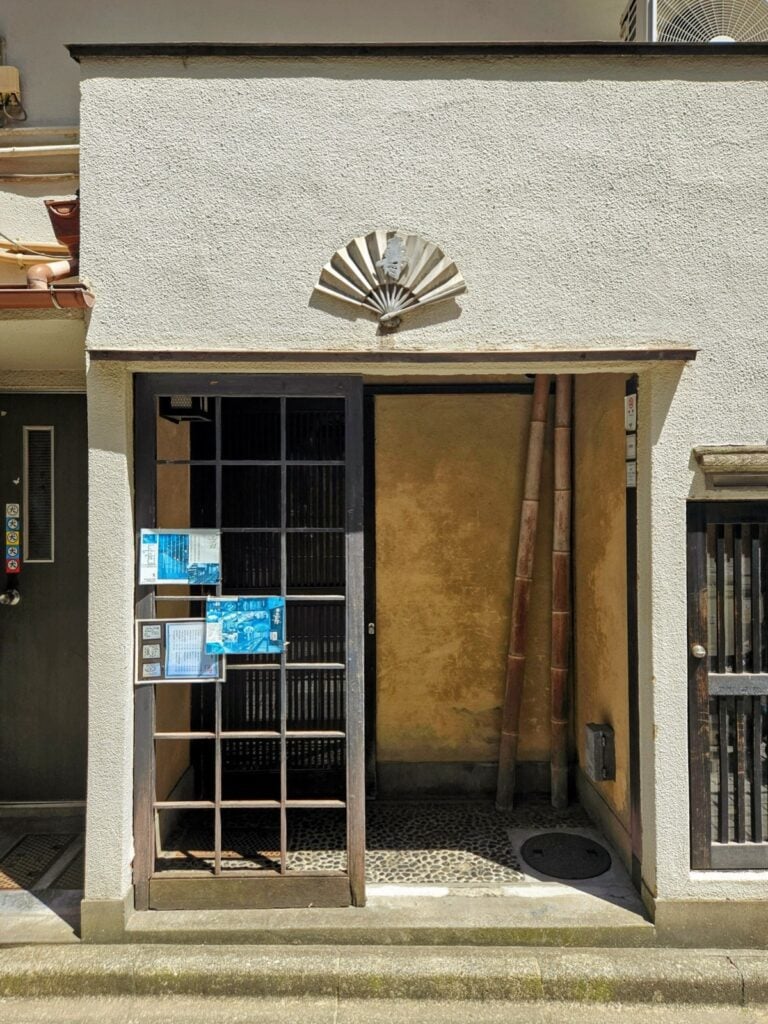
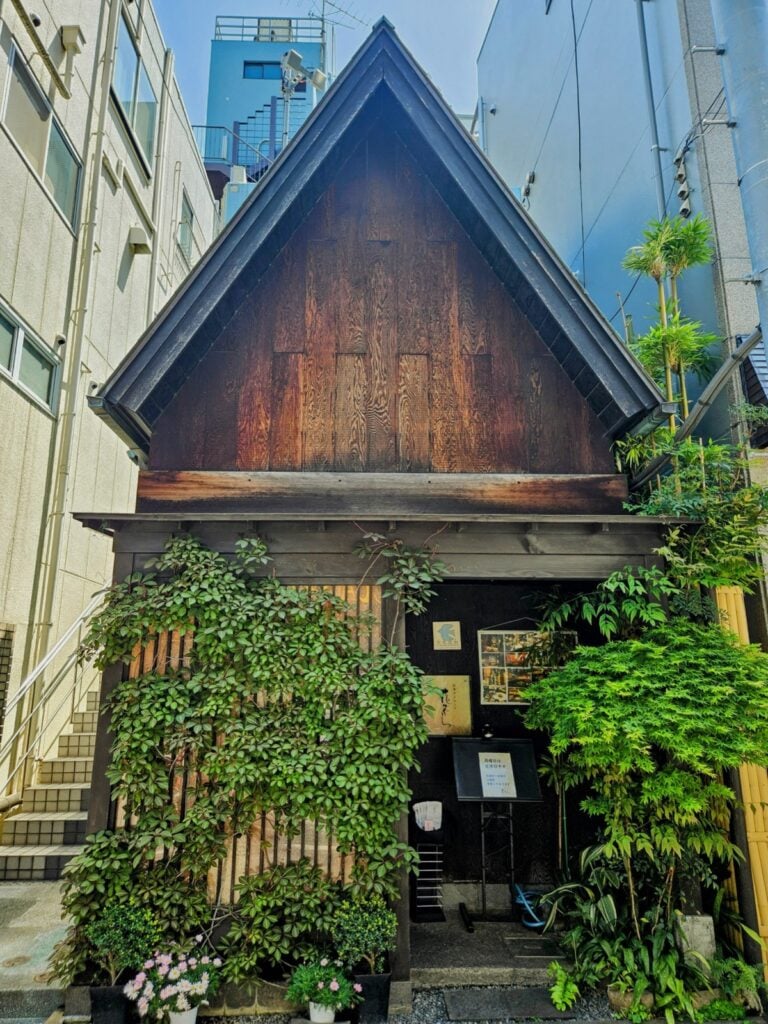
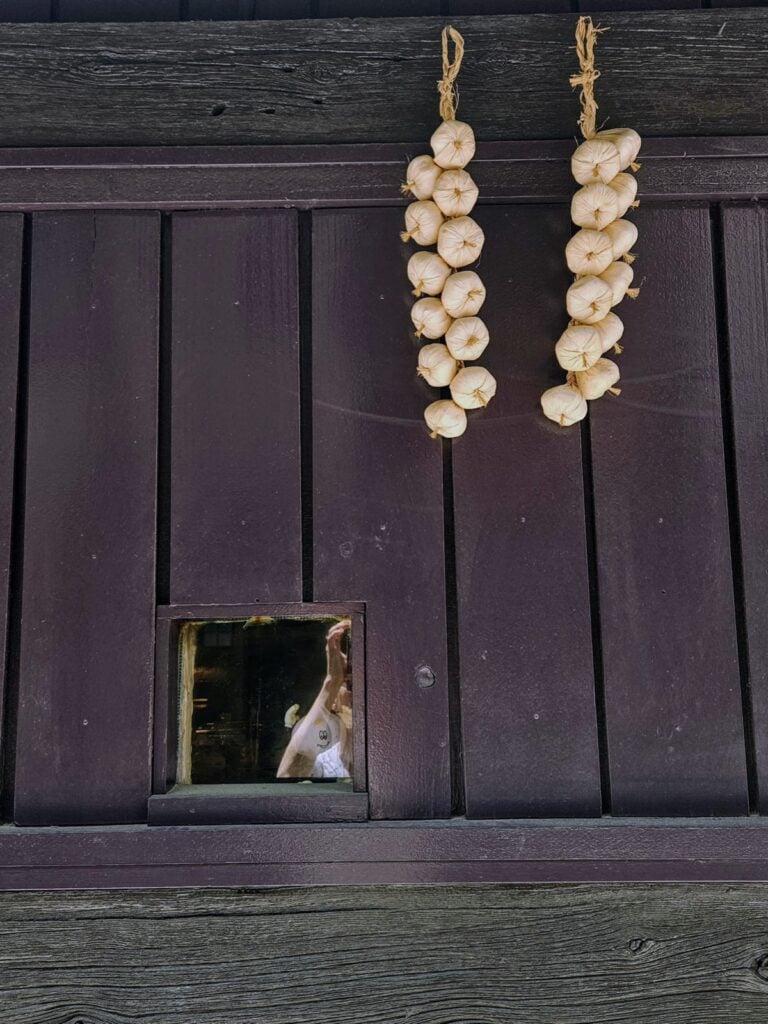
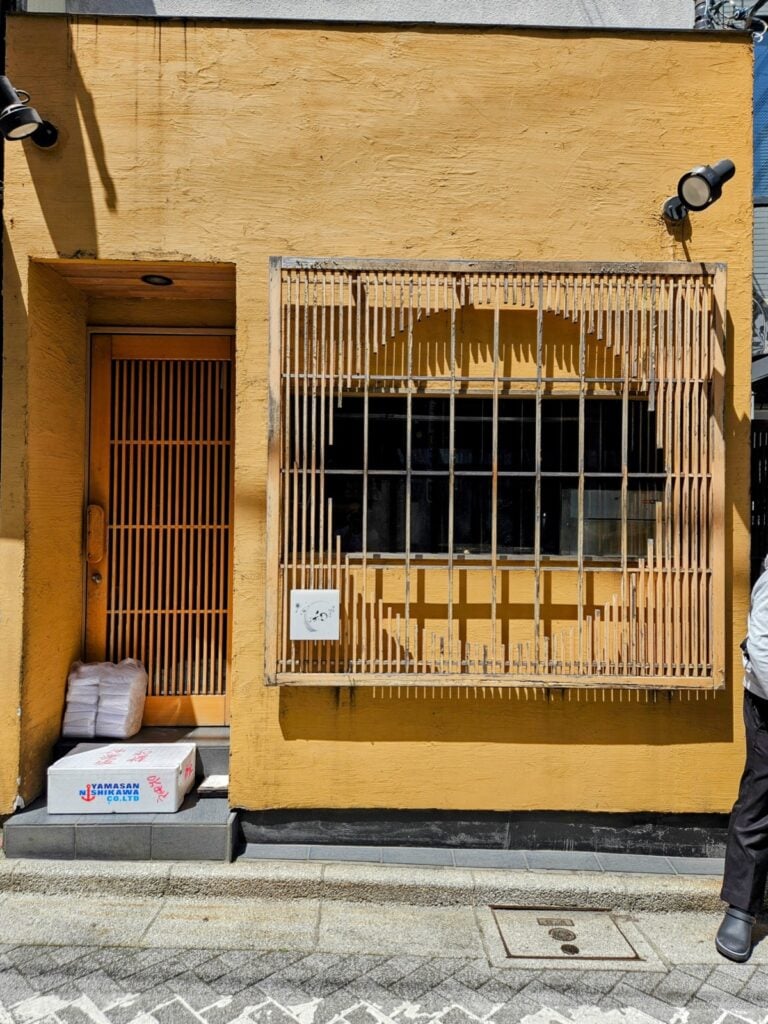
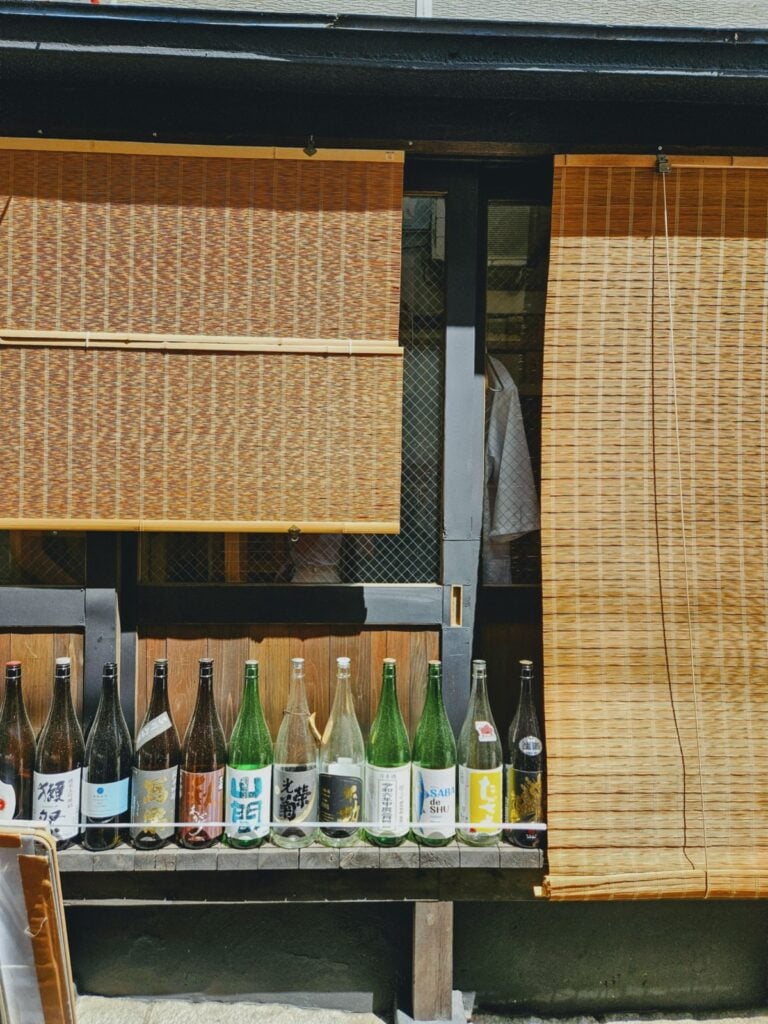
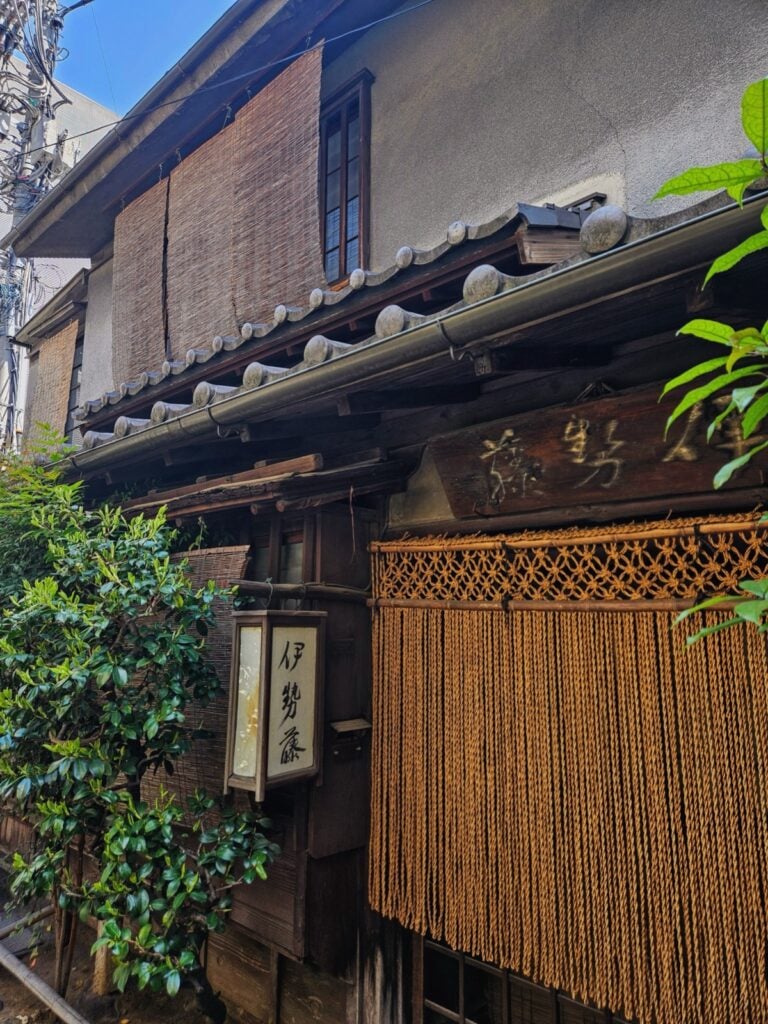
- Honda-Yokocho Street, the cobblestone spine of the geisha district. Lantern-lit and impossibly atmospheric.
- Kakurenbo Yokocho, "Hide-and-Seek Alley." Preserved cobblestone paths so narrow you could miss them entirely.
- Geisya Komichi & Kenban-yokocho, two of Tokyo's most famous narrow alleys.
- Passage d'Autre Fois, the full Parisian illusion. French signage, iron balconies, bistro tables.
Morning: Akagi Shrine
Stop at a strikingly modern shrine designed by Kengo Kuma (the architect behind the Olympic Stadium). It’s all glass, steel, and sacred simplicity, a swoon-worthy moment for any architecture lover.
Morning: Treasure Trove & Street Food
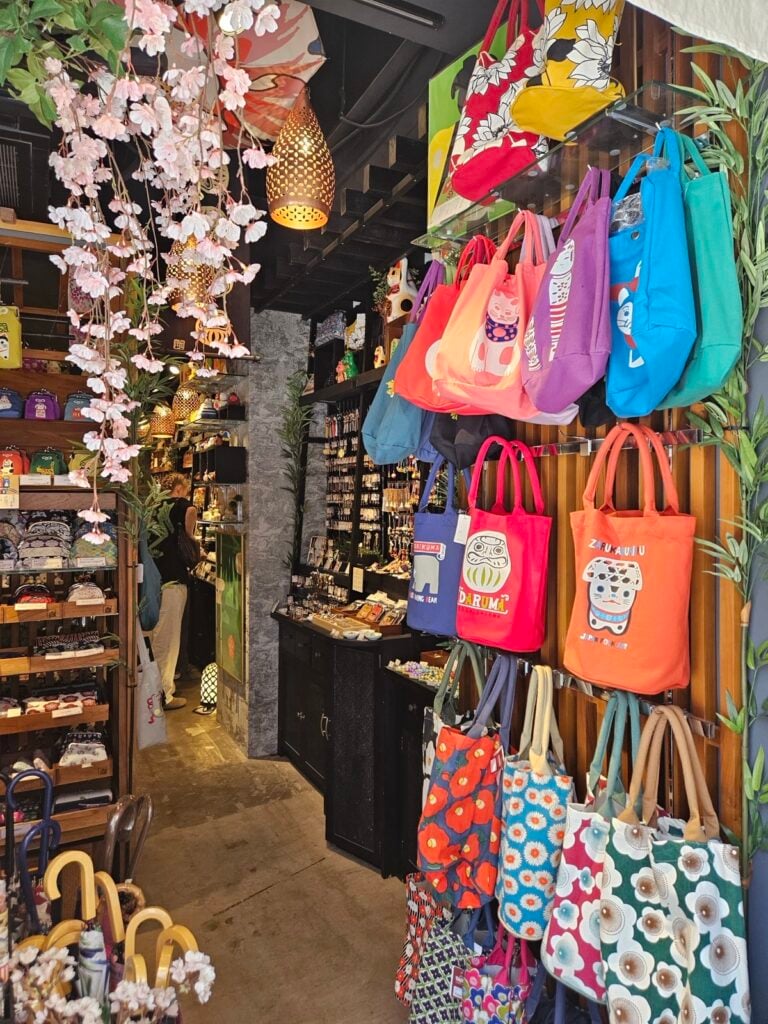
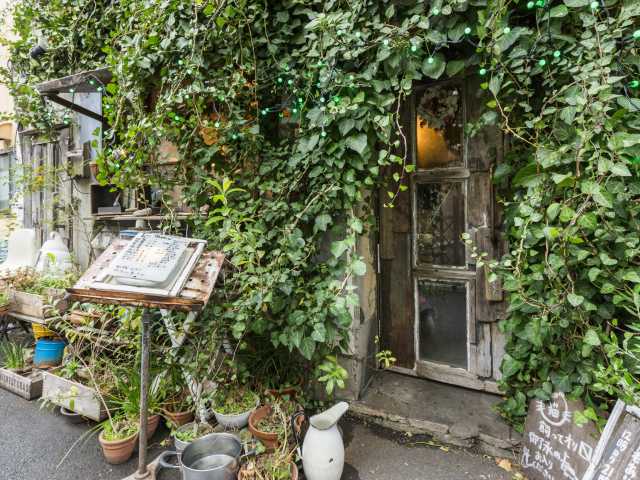
Afterward, look for the ivy-engulfed facade of Mugimaru2 that houses a famous manju (steamed bun) cafe, or grab a meat bun from Kagurazaka Gojuban, a street food institution that’s been serving them since 1957.
Svadore Tip
Half of Kagurazaka's best alleys are easy to walk right past if you don't know where to turn. If you want a local to show you the hidden entrances and the stories behind the geisha quarter, this Kagurazaka walking tour is one of the better ones out there.
Before lunch, duck into this specific shop for "Modern Japan" goods. It’s a treasure trove of colorful tabi socks, ceramic kitchenware, and textiles. This is where you find the stuff that makes your apartment back home feel like a cool Tokyo flat. The exact location is in my Tokyo Google Map.
Lunch: The Hidden Kaga-Style Kaiseki
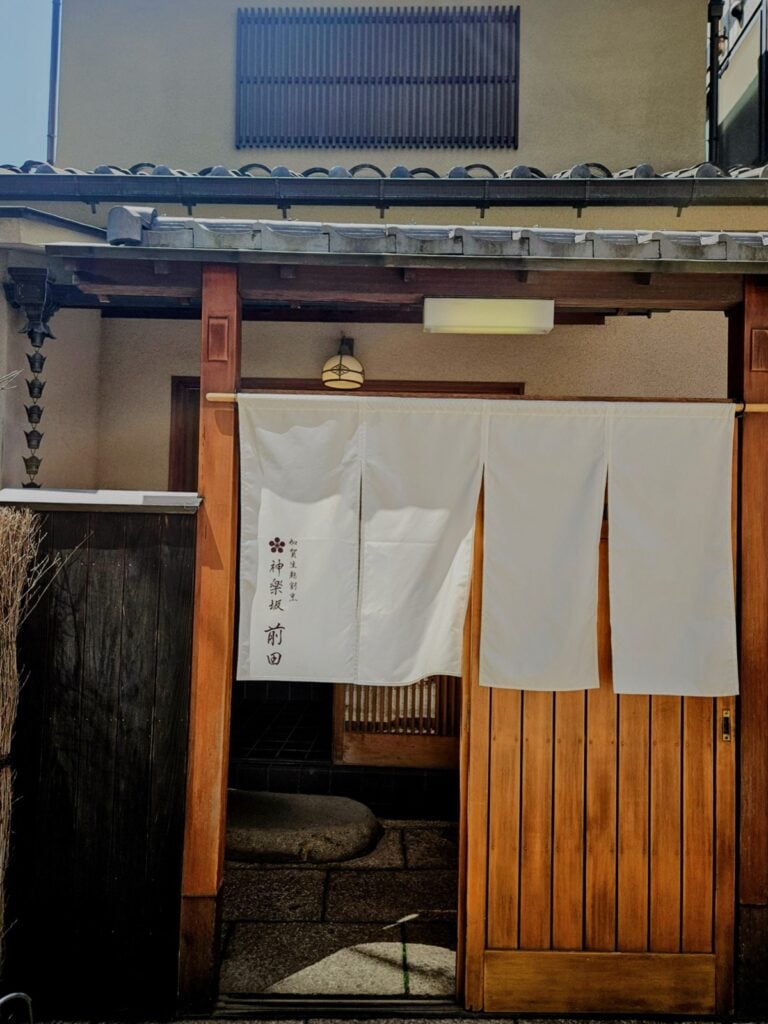
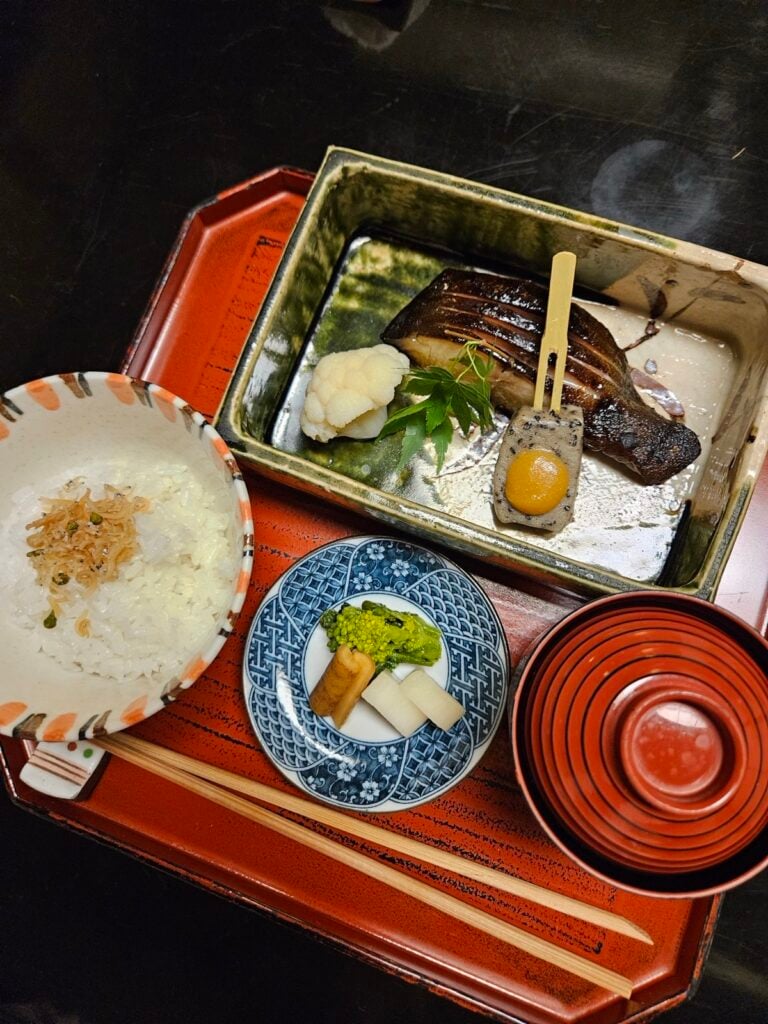
Kaiseki is Japan's highest form of dining, a multi-course meal where every dish is crafted around the season, plated like art, and served in a precise order. Think of it as Japan's answer to French haute cuisine, but more delicate, more seasonal, and deeply rooted in tea ceremony tradition.
This specific spot is tucked inside one of Kagurazaka's quiet alleys and specializes in kaiseki from the Kaga region (Kanazawa, on Japan's west coast). Their signature ingredient is namafu, a silky, chewy wheat gluten that sounds humble but becomes extraordinary in this kitchen. Tatami rooms with sliding doors that frame maple trees, a single-board hinoki counter, fresh flowers throughout. Every course is built around ingredients the chef selects at market that morning.
Svadore Tip
The weekday lunch (11:30-15:00) is the best-value way to experience this level of kaiseki in Tokyo. Reservations essential, at least 2 weeks ahead.
Afternoon: We Love Donut
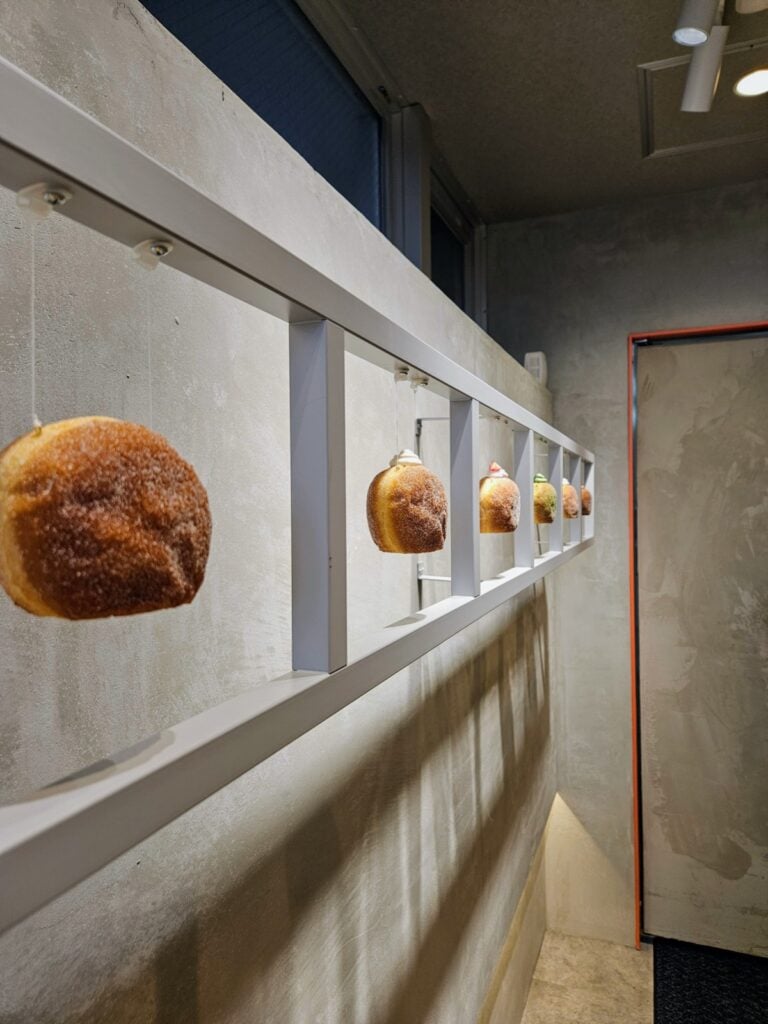
Stop at We Love Donut, a fresh donut shop on Kagurazaka's main street. Handmade from 100% domestic wheat flour with a pillowy, mochi-like chew. The cookies and cream is incredible, but also try the fresh custard cream or the pistachio.
Optional
If you’re a fan of polka dots and infinity rooms, the Yayoi Kusama Museum is nearby. (Note: Tickets drop on the first of the month at 10:00 AM JST. If you aren't on the official site at 9:59 AM, you aren't going.)
Afternoon: Shinjuku Gyoen National Garden
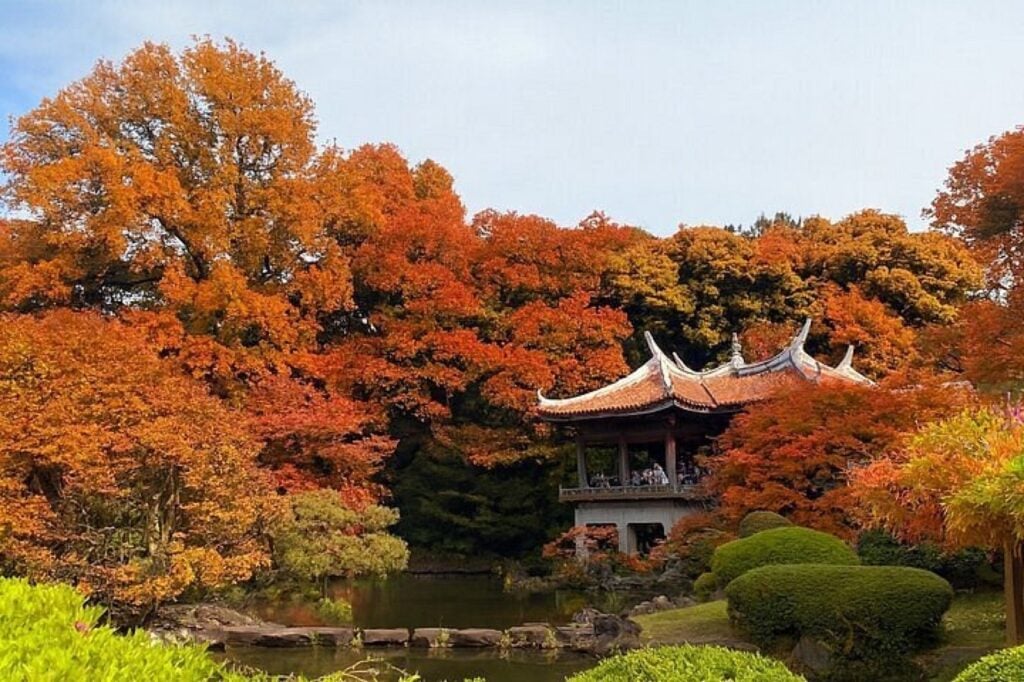
Before diving into the neon chaos of Shinjuku, start with its opposite. Shinjuku Gyoen is actually three gardens in one: a formal French garden, a traditional Japanese landscape garden, and an English landscape garden, all designed in the early 1900s for the Imperial Family. It's 144 acres in the middle of one of the densest cities on earth. In spring, over 1,000 cherry trees bloom here, and it's one of the only hanami spots in Tokyo where alcohol is banned, so it stays peaceful.
Svadore Tip
Enter from the Shinjuku-Gyoenmae Station side (Okido Gate), not the Shinjuku Station side. It's closer and far less crowded. 500 yen entry.
Afternoon: Bed & Book
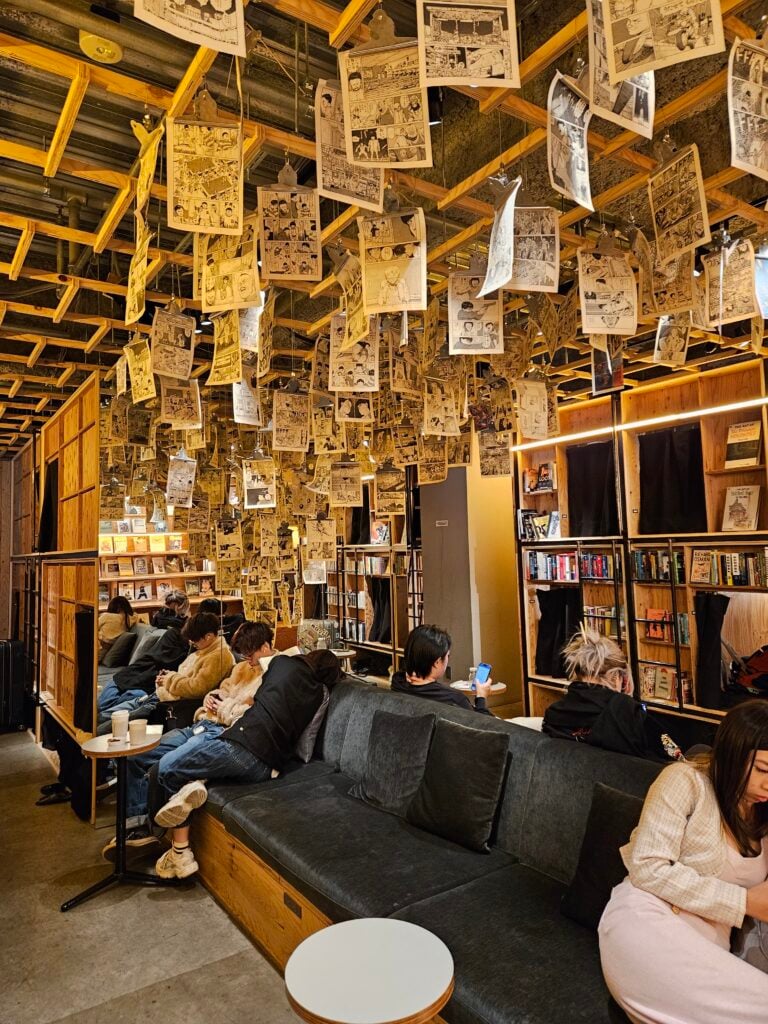
Book and Bed Tokyo is a bookstore-themed hostel where literature lovers spend the night inside compact wooden bunks built directly into floor-to-ceiling bookshelves. This "accommodation bookstore" concept in districts like Shinjuku and Asakusa allows guests to drift off while reading, surrounded by over 4,000 curated titles and a communal industrial-cool aesthetic. Stop in here even if you're not looking for a snooze, it's worth the visit!
Dinner: Omoide Yokocho / Piss Alley
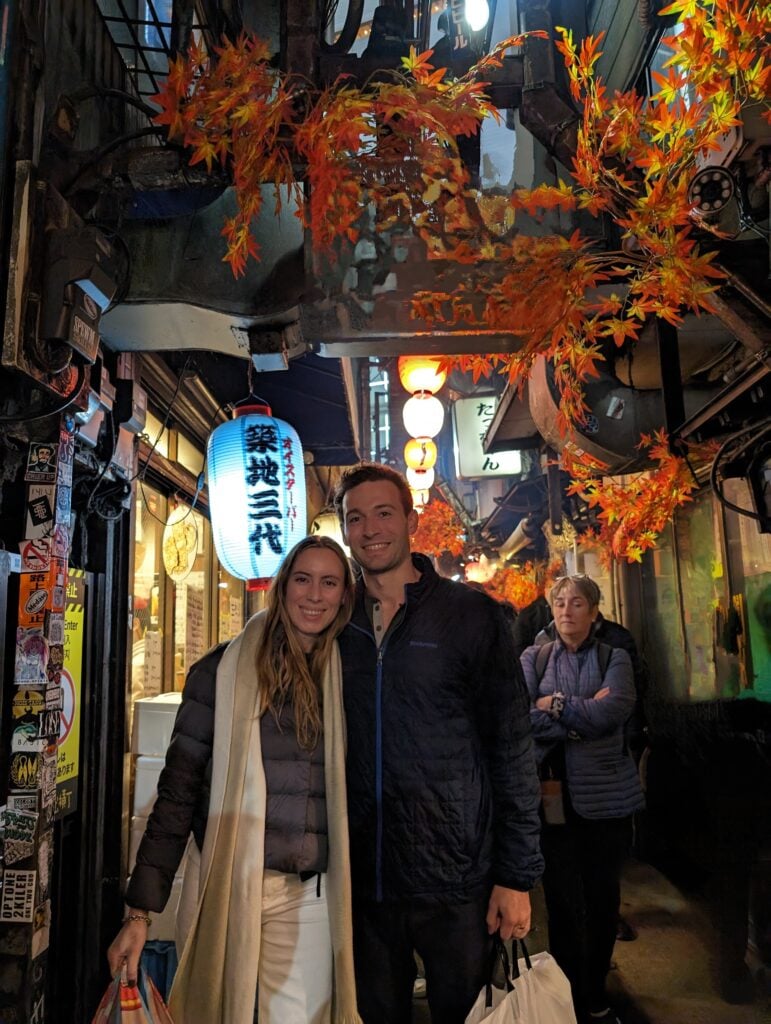
The official name means "Memory Lane," but locals still call it Shomben Yokocho (Piss Alley). In the post-war 1940s, this was a chaotic black market with no proper plumbing. If you notice almost every stall specializes in motsuyaki (grilled organ meats), there's a reason: after WWII, quality meats were rationed by the occupation forces, but animal organs were not.
In 1999, a massive fire nearly wiped it out. Instead of letting developers build another skyscraper, the shop owners fought to rebuild it exactly as it was. Omoide Yokocho is a miracle of urban survival.
You will get overwhelmed by the number of stalls and choices here. The stall Pat and I visited only has about 8 seats. Like most of them, there is no menu. You sit down, the chef looks at you, and he grills whatever was freshest at the market that morning. This is a "Point, Nod, Eat" establishment. Most spots here charge a small otoshi (table charge) that comes with a tiny appetizer. The exact pin and name are in my Tokyo Google Map.
Night: Golden-Gai
Shinjuku Golden-Gai is a web of six narrow alleys packed with over 200 tiny bars, each seats maybe 6 people, each with its own theme, personality, and regular crowd. Some play jazz, some show old horror films, some are just a bartender and a bottle. Pick one that looks welcoming, order a drink, and settle in. This is one of those quintessential Tokyo nights you'll talk about for years.
Most bars charge a small cover (500-1,000 yen). Don't take it personally, it's how the economics work in spaces this small. If you're not sure where to start (or don't want to risk wandering into a regulars-only spot), this Golden Gai bar hopping tour takes the guesswork out and gets you into places you'd never find on your own. The one Pat and I visited was a local, low-key dive bar where we spoke with the owner who spoke English until the wee hours of the night. Some places don't accept gaijin (foreigners), but he did. The exact pin and name are in my Tokyo Google Map.
~ Day 3: A Guide to Tokyo’s Trendiest Neighborhoods: Harajuku to Nakameguro ~
Harajuku, Omotesando, Daikanyama, Nakameguro & Ebisu
This day moves west to east. Start early in Harajuku before the crowds arrive, then drift toward the quieter Meguro River neighborhoods in the afternoon.
Morning: Meiji Jingu & Yoyogi Park
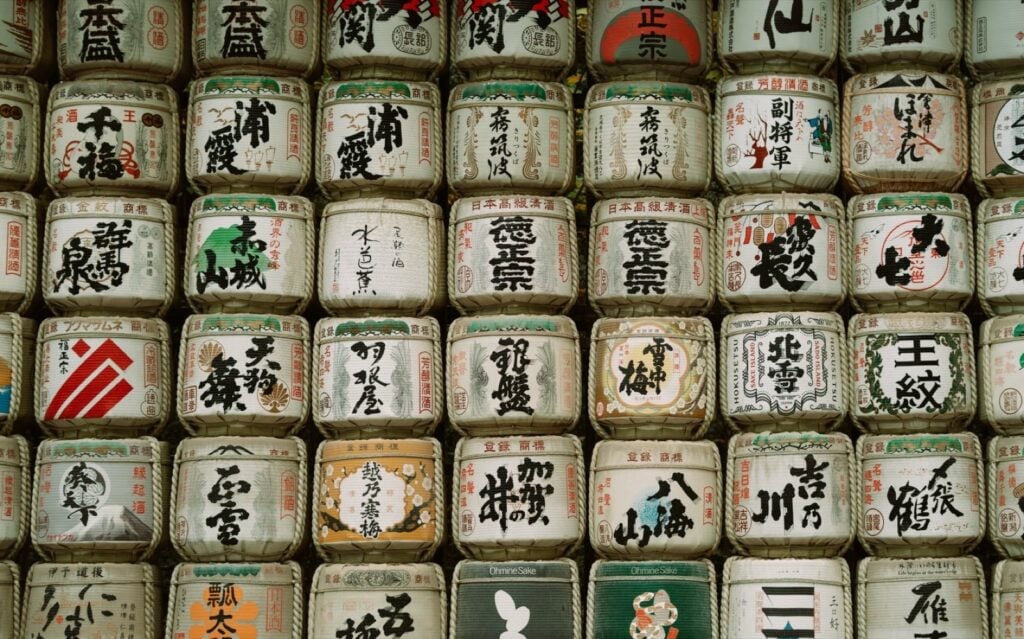
Meiji Jingu sits inside a 170-acre man-made forest in the heart of Tokyo. The shrine was built in 1920 to honor Emperor Meiji and Empress Shoken, and the forest surrounding it was planted entirely by hand, over 100,000 trees donated from across Japan.
While everyone else is taking photos of the wall of sake barrels donated by breweries across the country and the matching wall of Burgundy wine barrels (a nod to the Emperor's love of Western culture), I want you to find Kiyomasa’s Well. It’s a legendary "power spot" with artesian water bubbling up from the earth. Locals say to photograph the water for good luck, set it as your lock screen and see if your flight home gets an upgrade. The inner garden (500 yen) is worth the detour if you're visiting in June when the irises bloom.
Morning: Latte Art
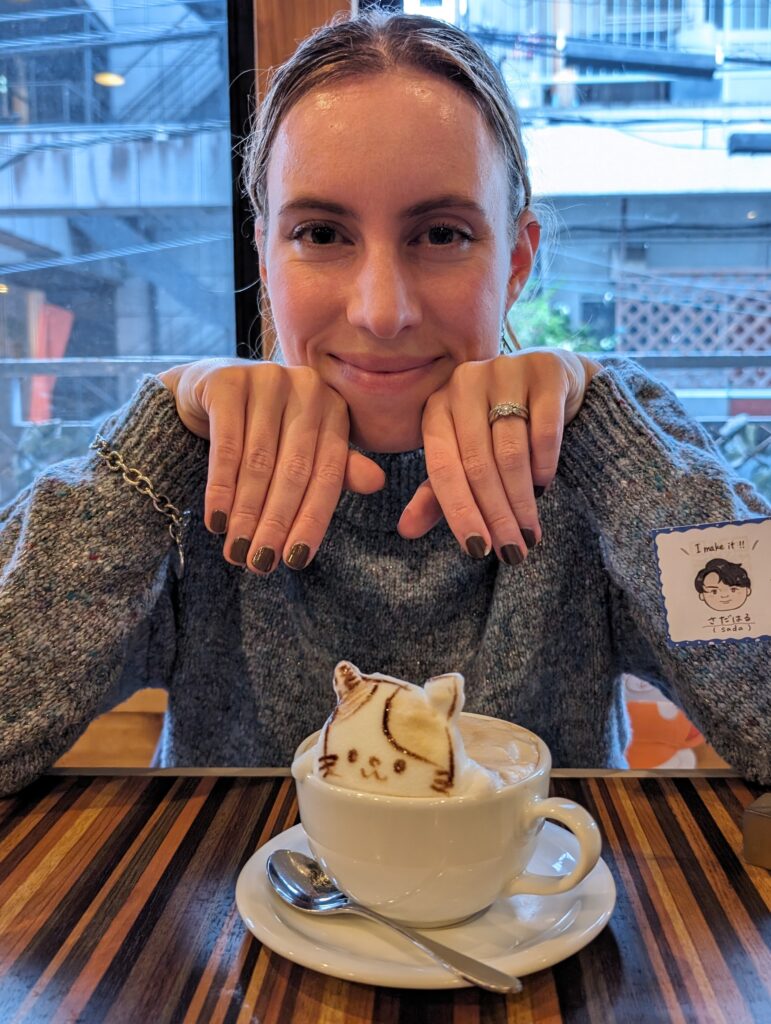
You need to find this tiny second-floor cafe. They don't just do "latte art"; the baristas here are sculptors who shape foam into 3D bears and characters that sit on top of your cup. It’s one of those "only in Tokyo" moments that feels like magic. Locals even bring their own stuffed animals and anime characters so the barista can replicate the shape in foam for a side-by-side photoshoot. If you have a specific mascot (or just a photo of Patrick or Sibby), bring it along, they’ll recreate it in caffeine.
Svadore Tip
Harajuku's food scene is as wild as its fashion, think rainbow crepes, character-shaped taiyaki, and cotton candy taller than your head. If you want to hit the best spots without wandering in circles, this kawaii Harajuku food tour covers the iconic and the under-the-radar in one go.
Morning: The 1,200 Year Old Souvenir
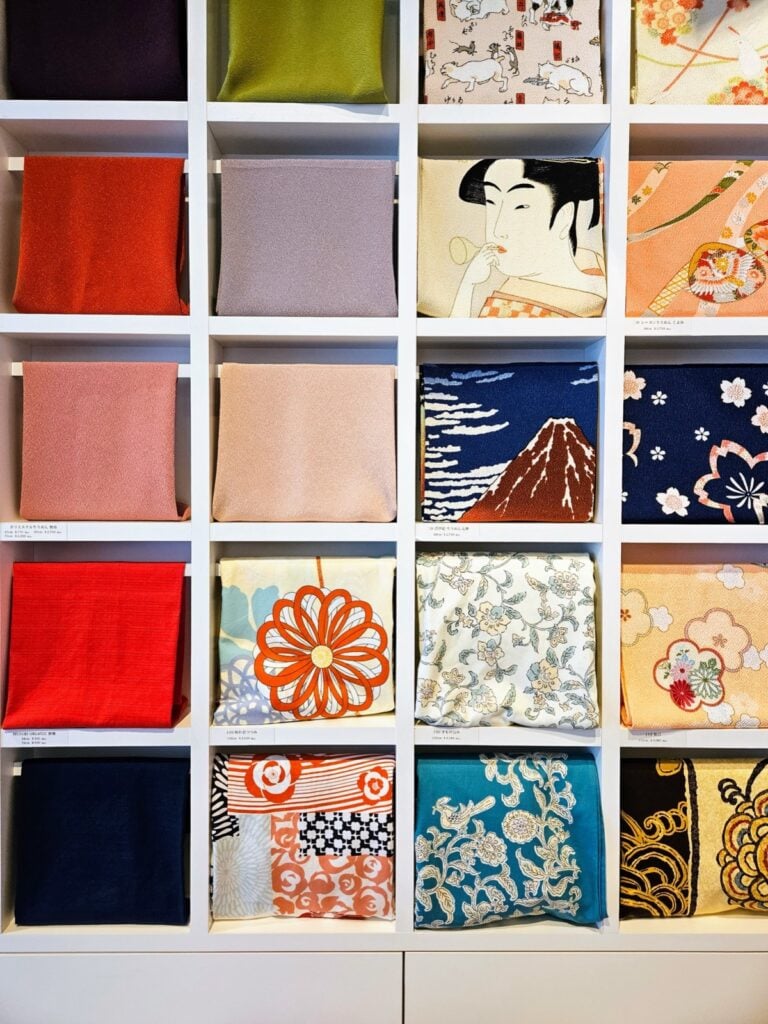
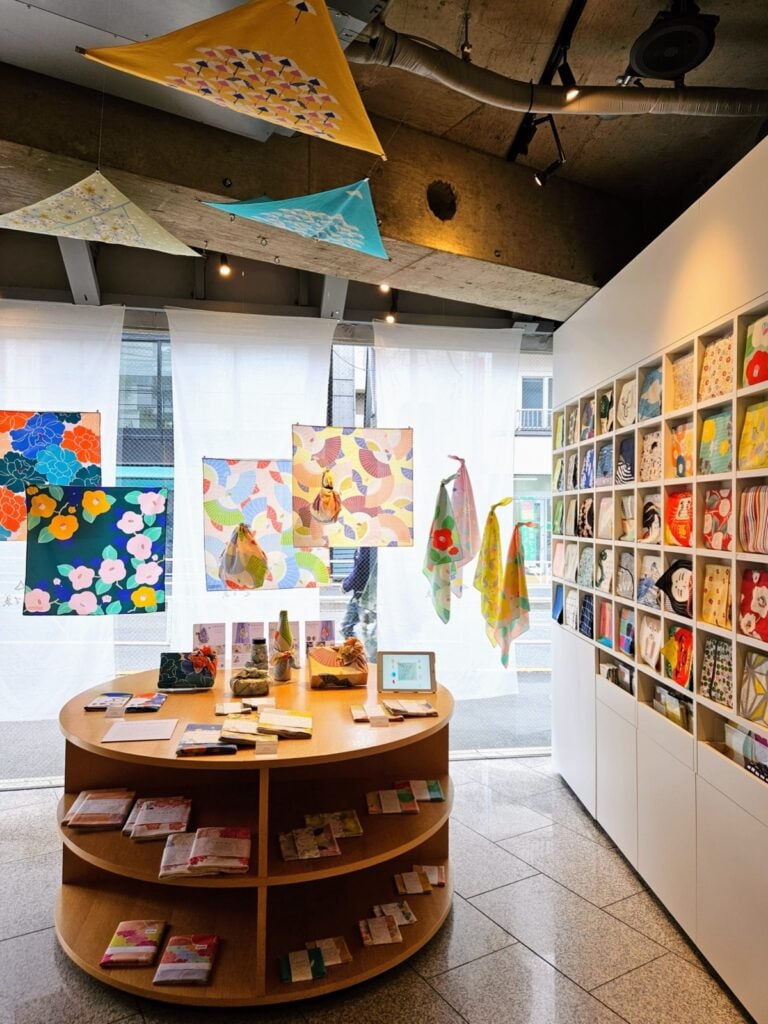
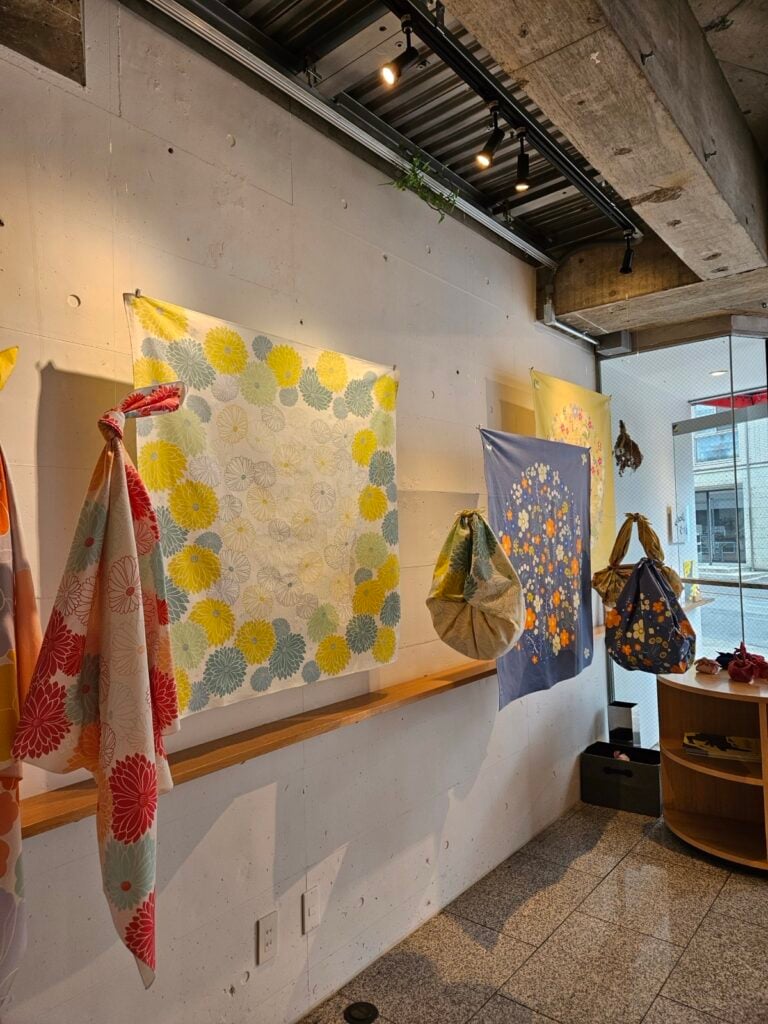
While you're in the backstreets, you need to stop at this specific shop for furoshiki, the Japanese tradition of wrapping objects in a single, beautiful square of fabric. It's a practice that dates back over 1,200 years. It’s one of the most meaningful, sustainable, and chic souvenirs you can bring home. I use mine for everything from wrapping wine bottles for dinner parties to tying onto my handbag for a pop of color. This shop is the gold standard for authentic designs and high-quality silk and cotton. It's one of the few places in Tokyo where you can sit down and learn the art of folding yourself. The exact pin and name are in my Tokyo Google Map. It’s a place that deserves to stay a "hidden gem" for those who truly appreciate the craft.
Morning: Harajuku & Cat Street
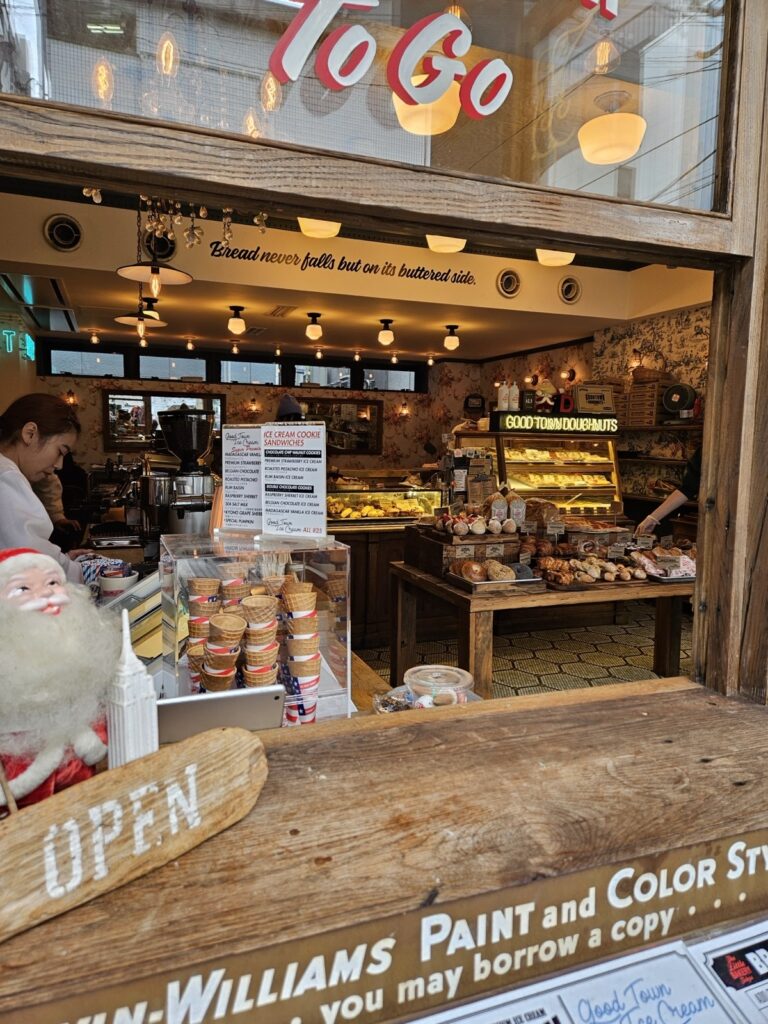
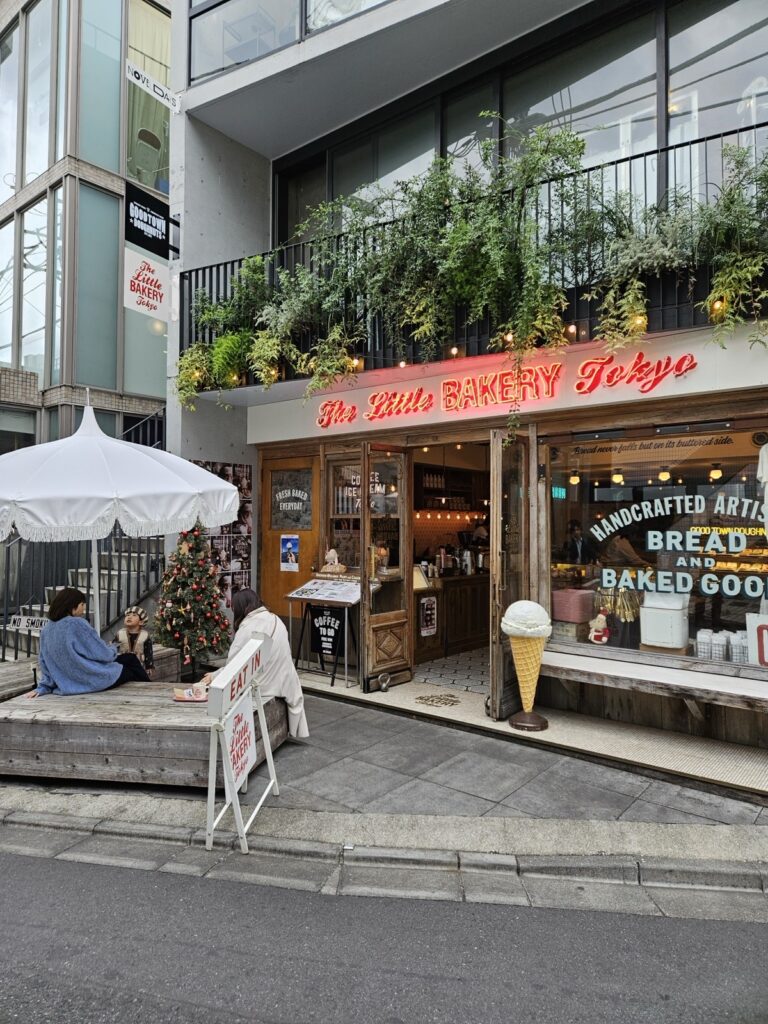
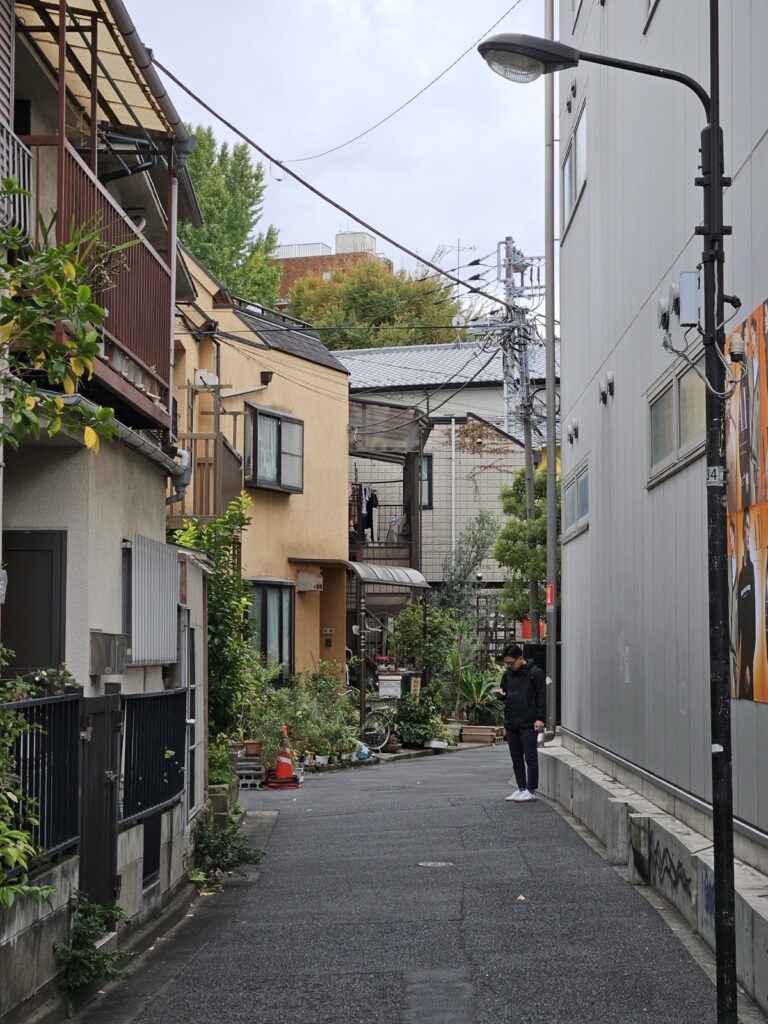
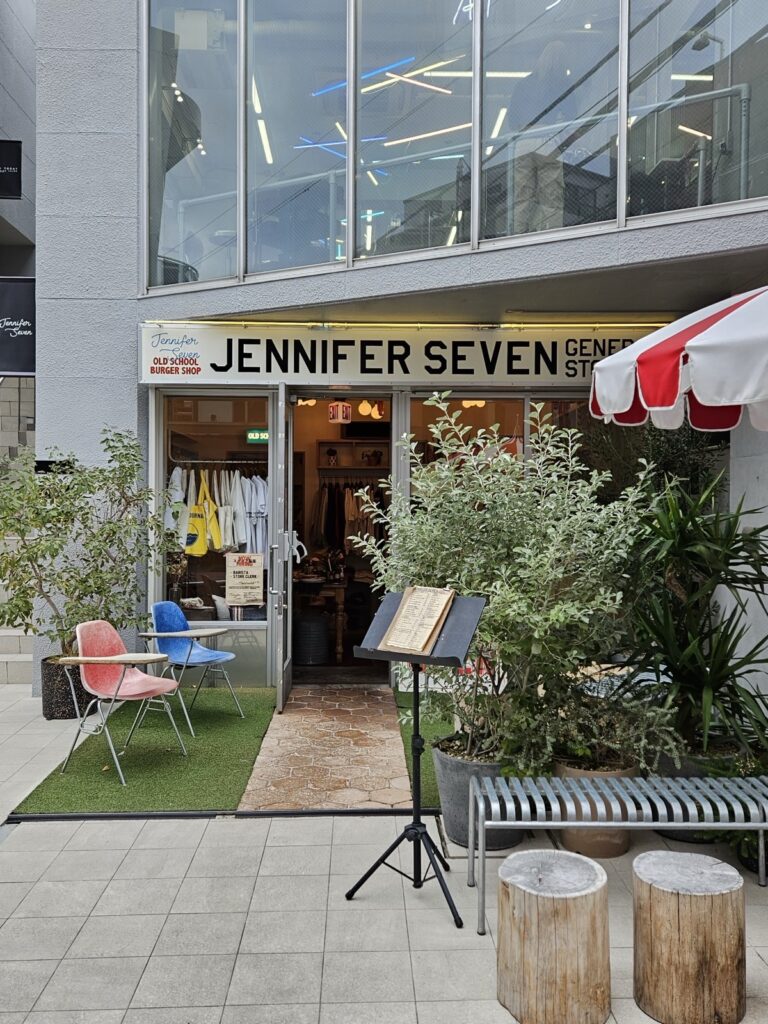
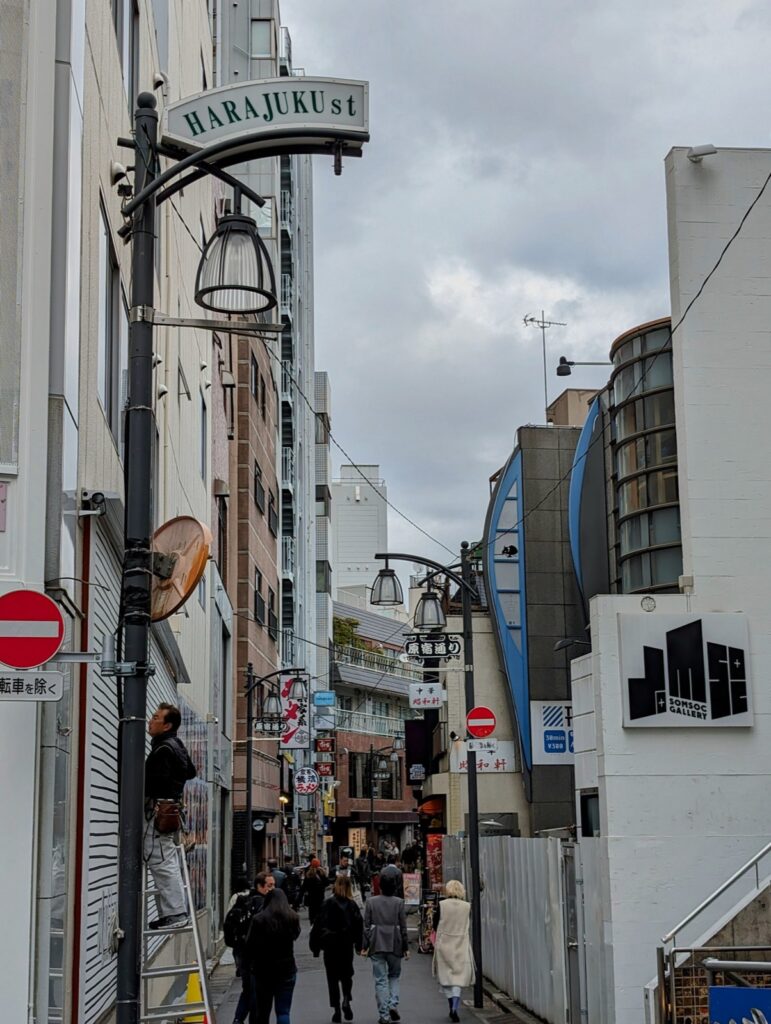
Gwen Stefani put Harajuku on the map for Americans. Harajuku is where Japanese street fashion was born. In the 1970s and 80s, teenagers gathered on the bridge near Yoyogi Park every Sunday in wild, self-styled outfits.
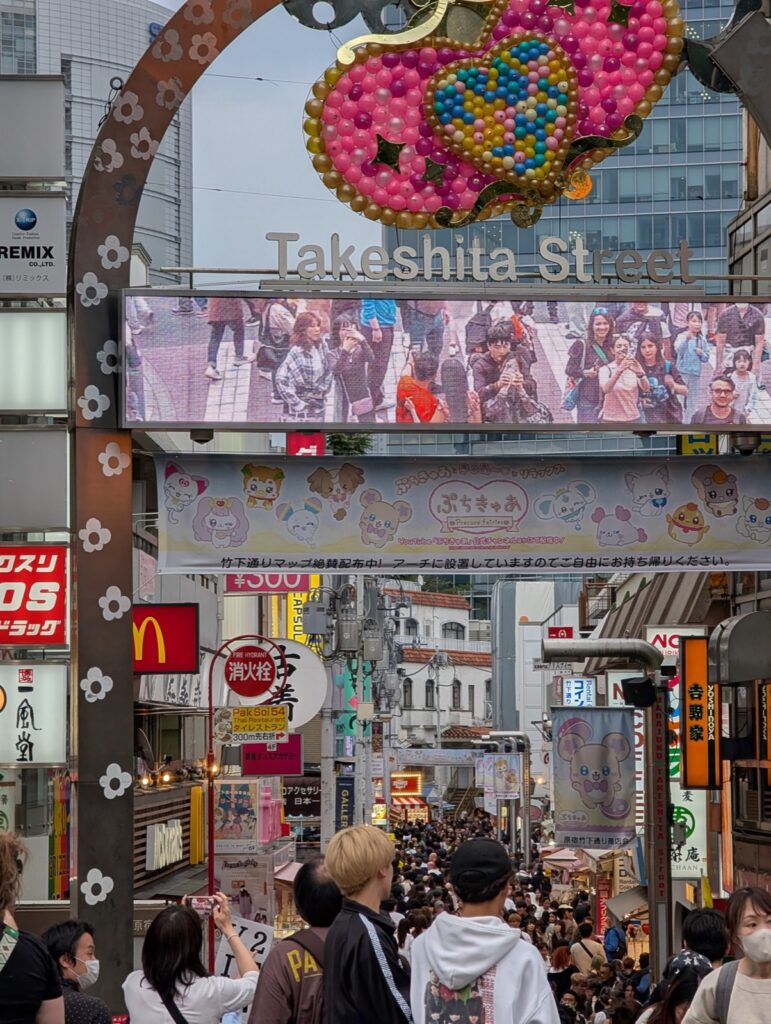
Takeshita Street is a narrow, 400-meter pedestrian lane that's been the epicenter of teen culture since the 1970s. Crepe stands, rainbow cotton candy, capsule toys, and streetwear brands. While everyone spends their 4 days in Tokyo on Takeshita Street, I’m sending you to Cat Street. It’s a former canal turned into a tree-lined fashion corridor. This is where the local designers hide.
Morning: Kaleidescope at Tokyu Plaza
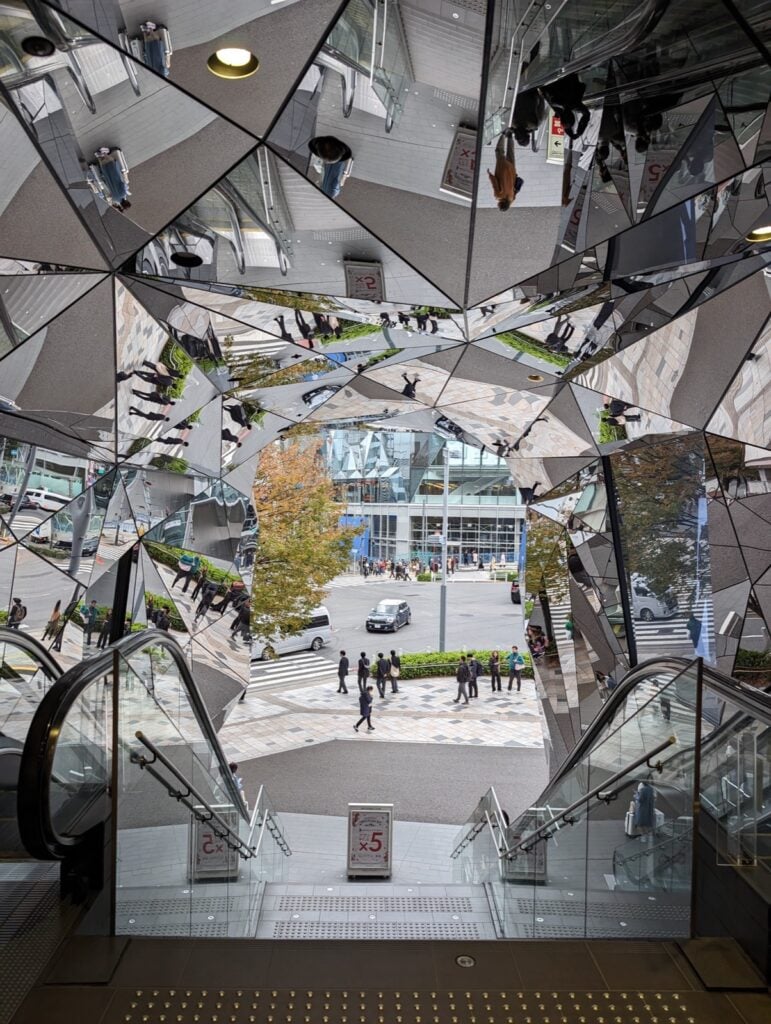
At Tokyu Plaza Omotesando Harajuku, walk up the entrance escalator: the mirrored, geometric tunnel fractures the city into infinite reflections. One of the most photographed spots in Harajuku.
Lunch: Tonkatsu Maisen Aoyama
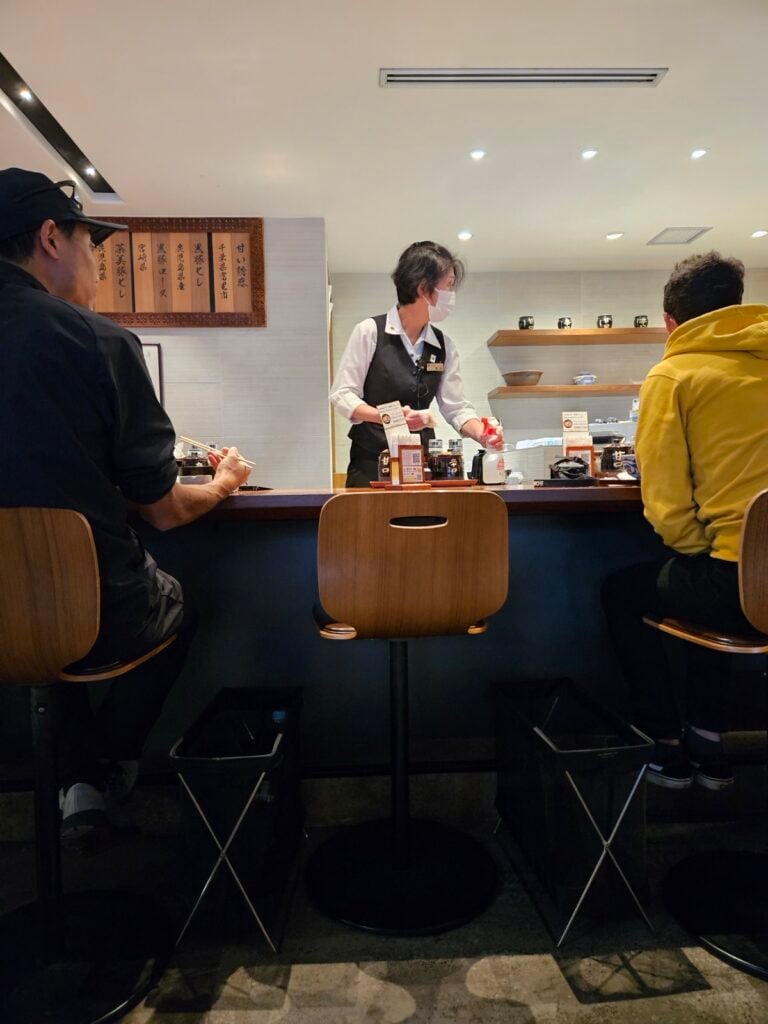
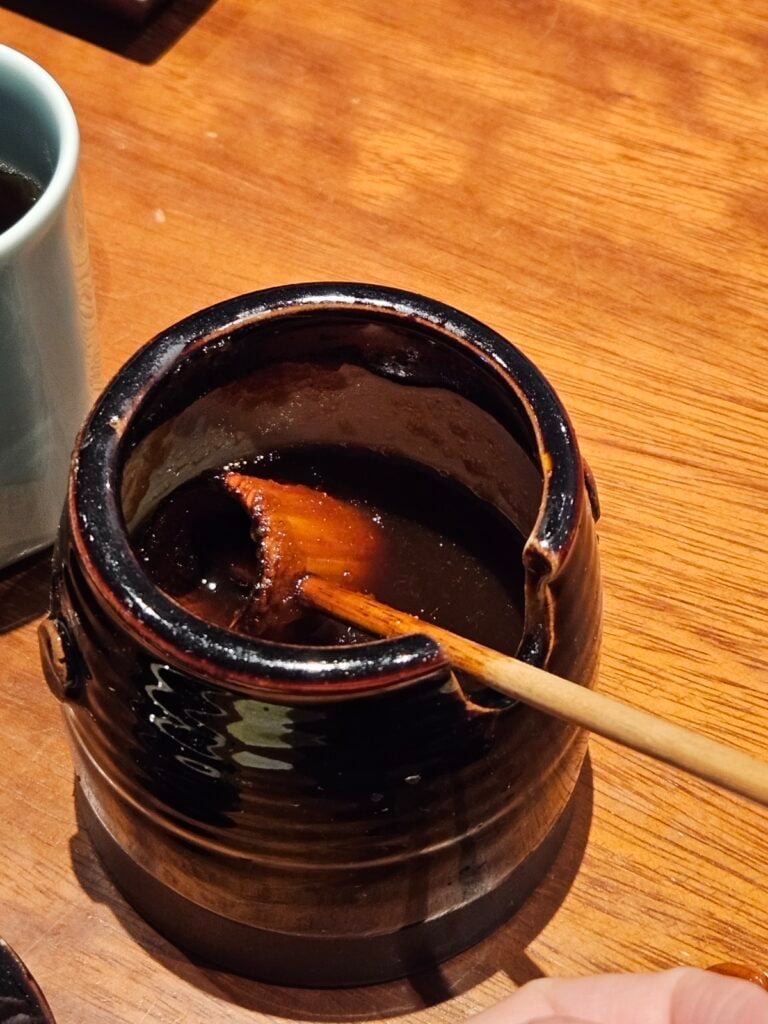
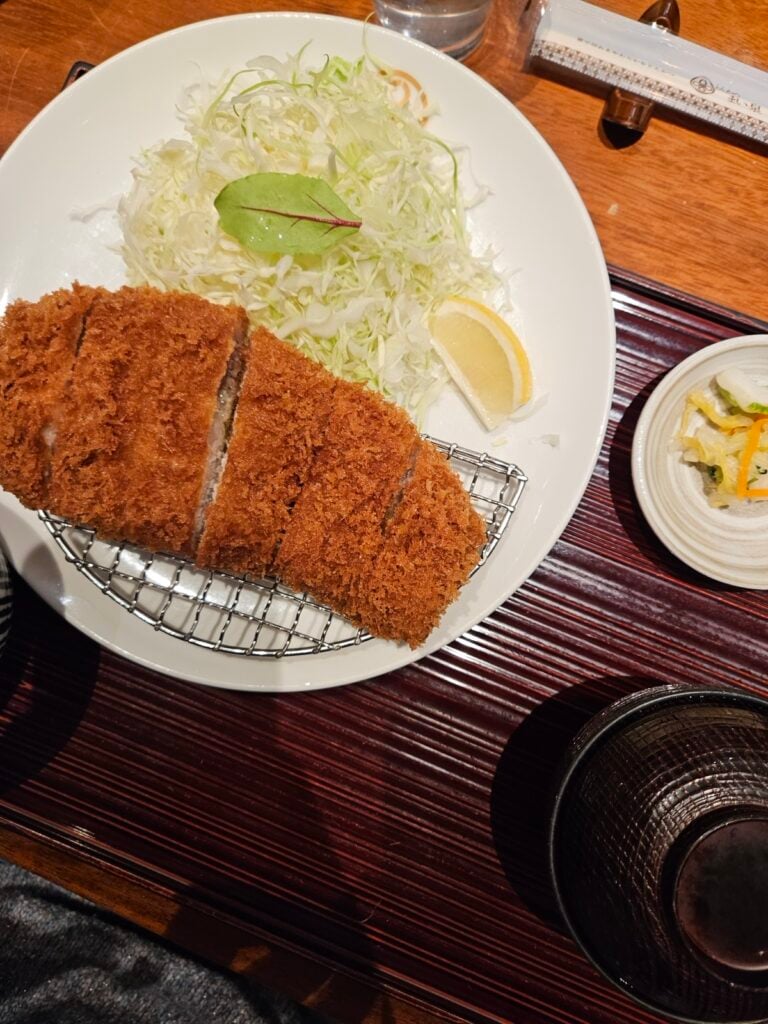
Eating in a converted 1960s bathhouse is a design highlight of my 4 days in Tokyo. The high vaulted ceilings and original tiling remain, giving the space an airy, nostalgic energy that you simply won't find in a standard restaurant. Tonkatsu Maisen Aoyama is an institution that has been perfecting its craft since 1965, and their kurobuta (heritage black pork) is the absolute star of the show. It is impossibly tender, encased in a shatteringly light panko crust that doesn't feel heavy or greasy. Because this is a world-famous location, the wait times can be 60–90 minutes.
Afternoon: Shibuya Crossing
From lunch, it's a 10-minute walk south to Shibuya Crossing, the world's busiest intersection. Up to 3,000 people cross at once when the light changes. Walk it, then watch it from the Starbucks on the second floor of Tsutaya or from the open-air Shibuya Sky observation deck.
Afternoon: Daikanyama
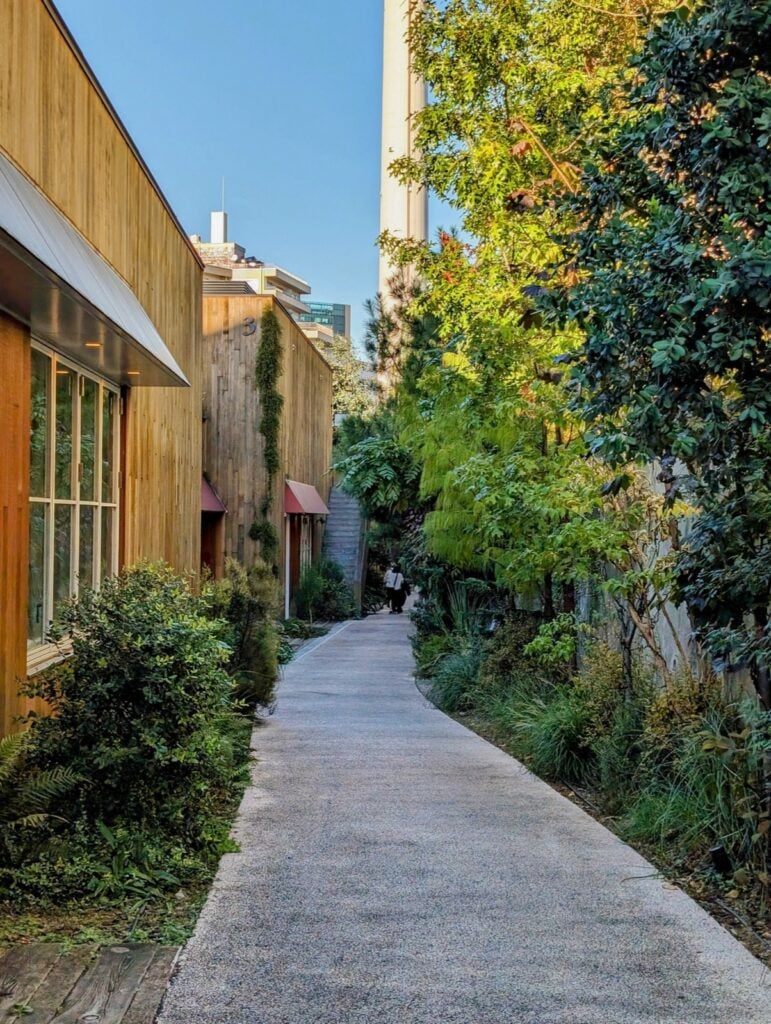
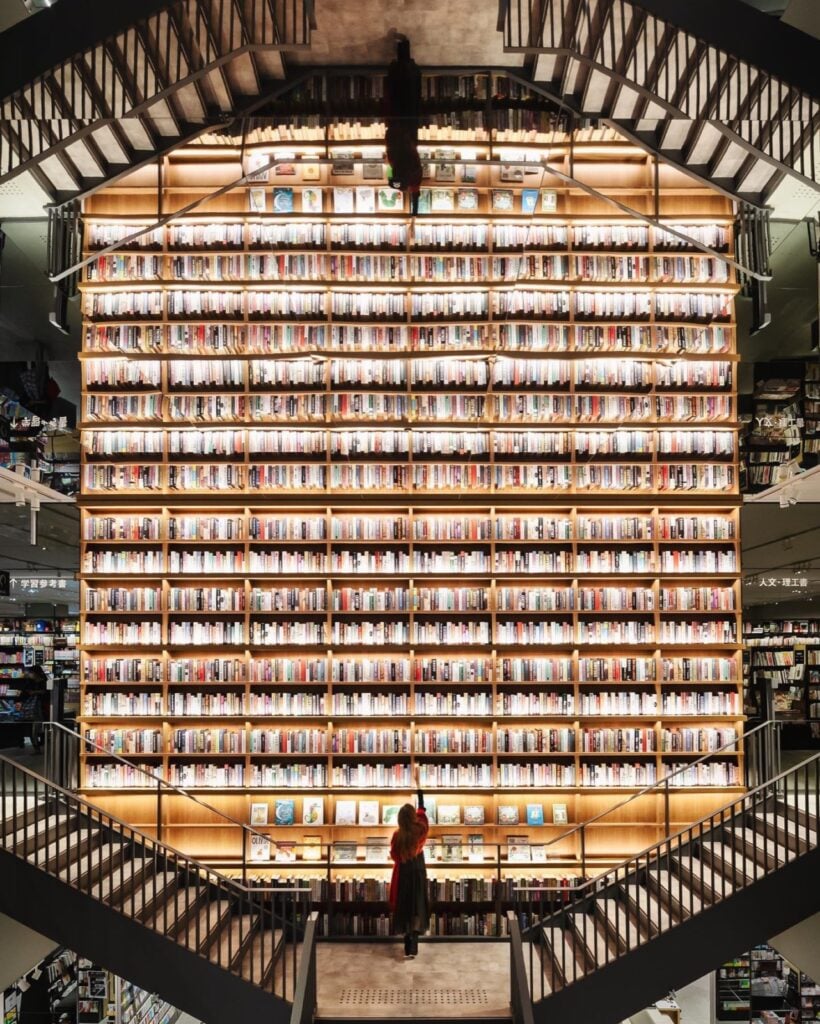
Then escape the crowds into Daikanyama, Tokyo's design district. T-Site is one of the most beautiful bookstores in the world. It's swept nearly every major international design title from the World Architecture Festival to the Wallpaper* Design Awards.
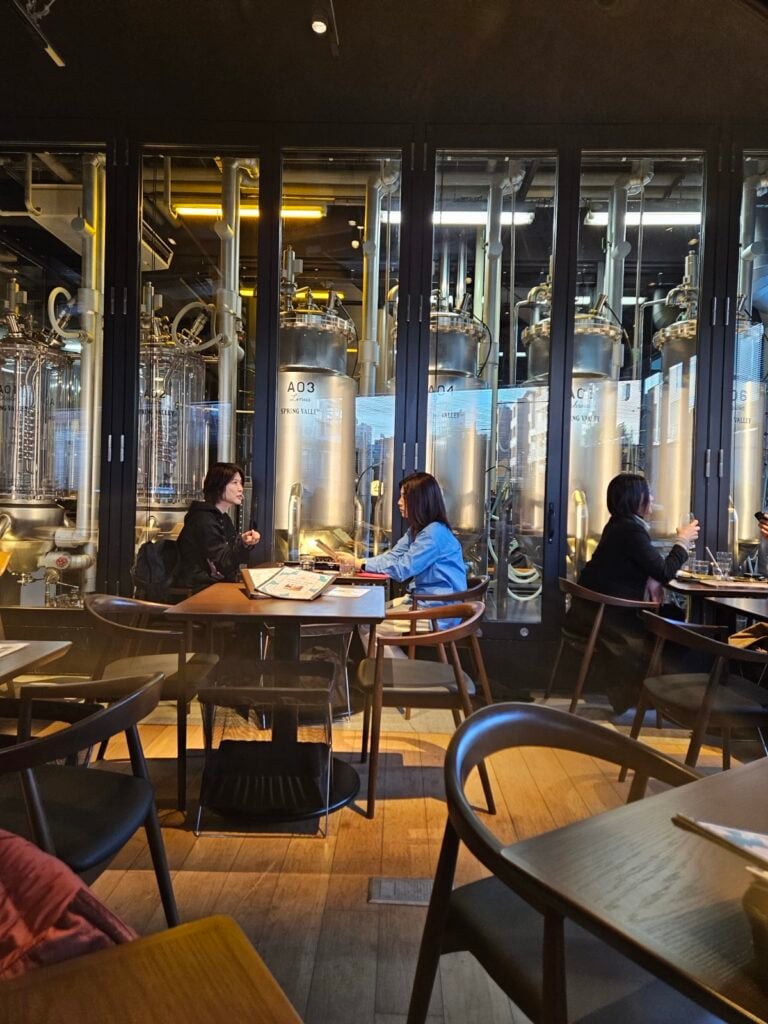
Log Road is a converted rail line turned into a garden path with Spring Valley Brewery. Robots clean up and serve you.
Afternoon: Nakameguro
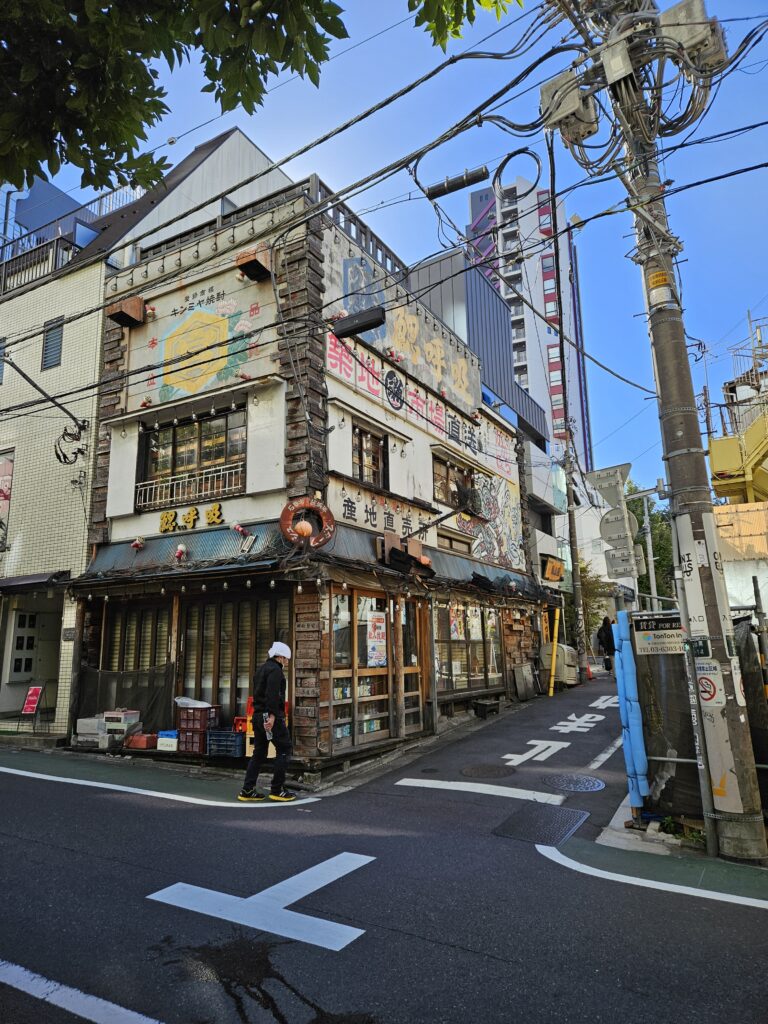
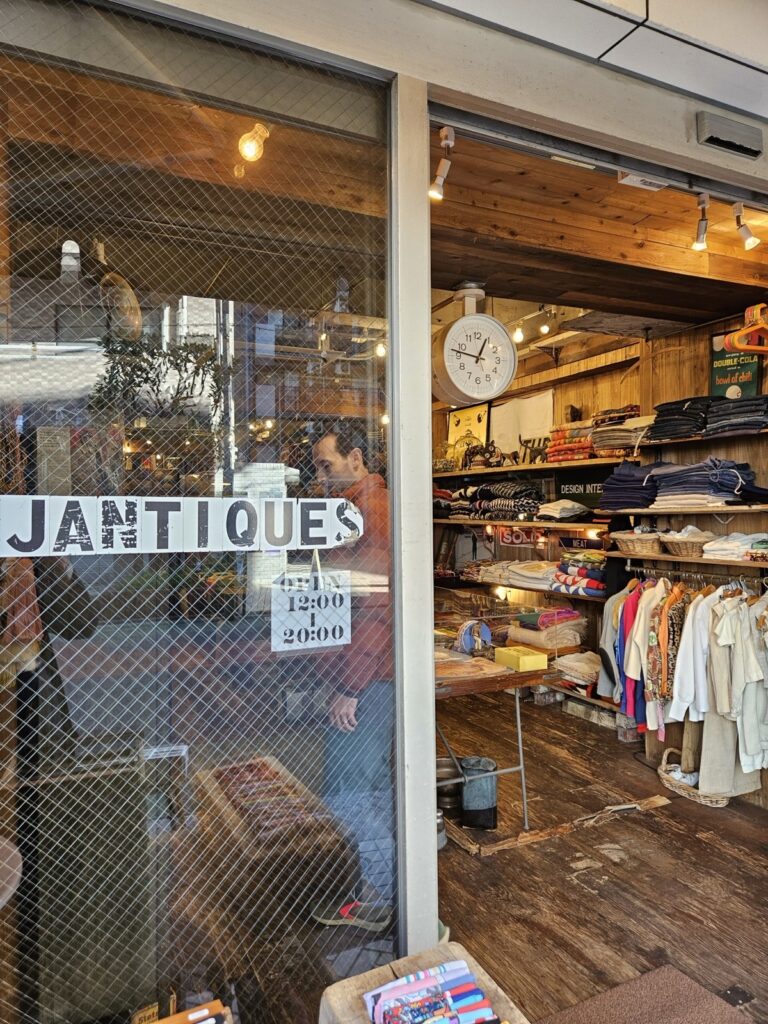
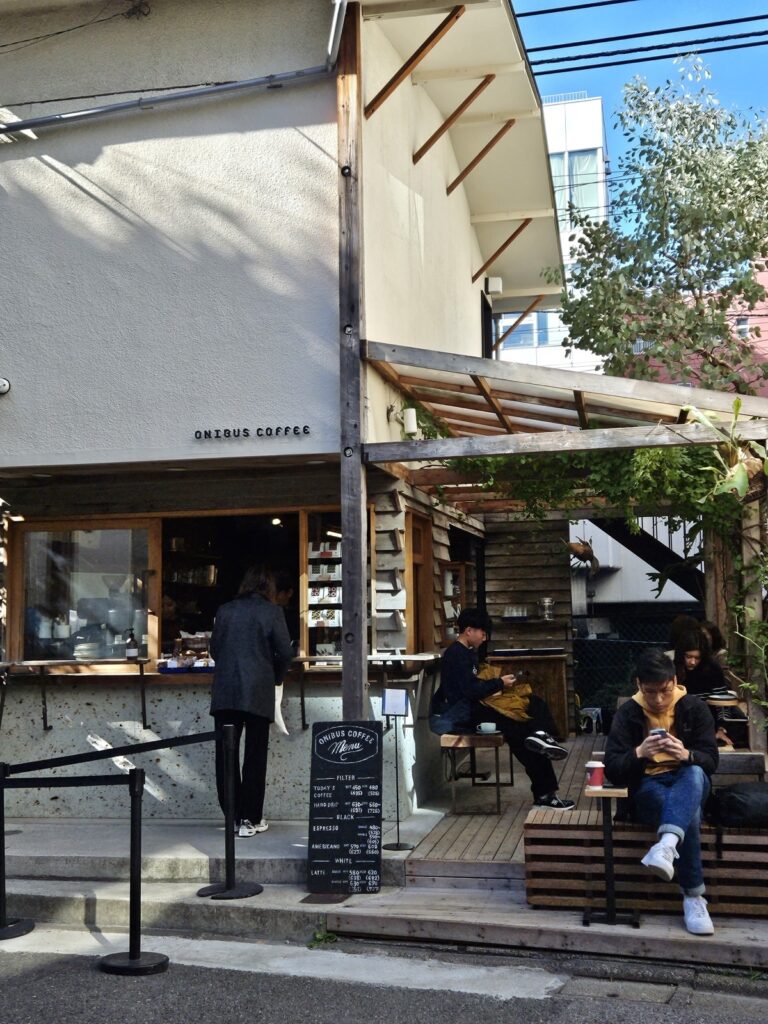
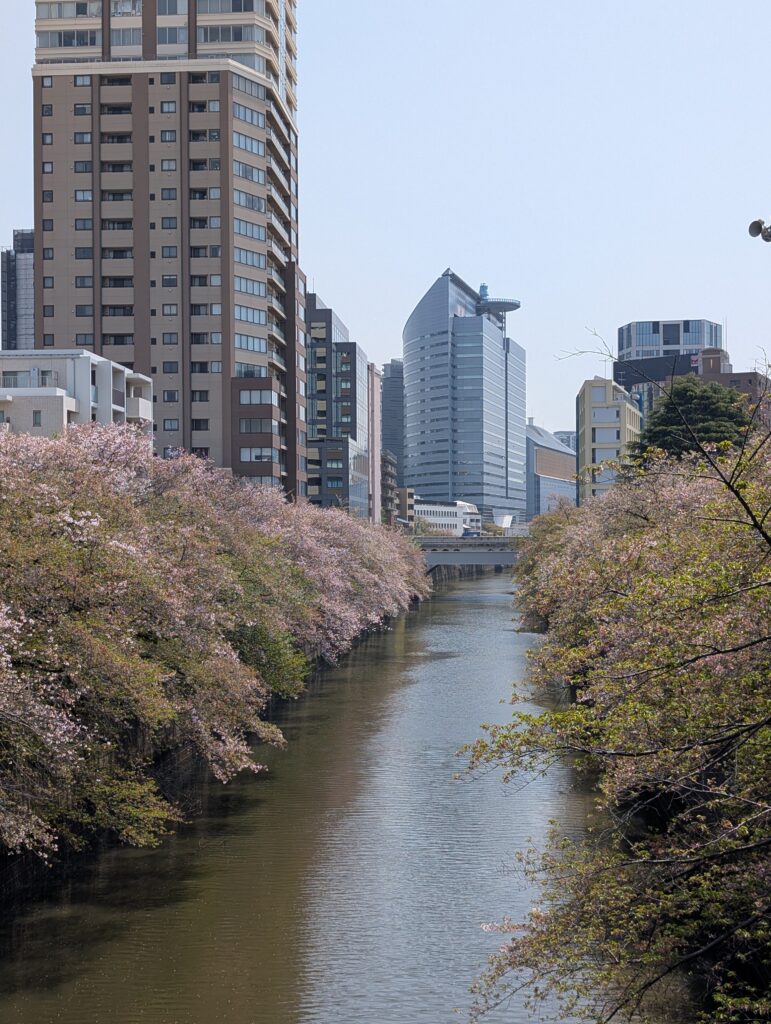
Continue along the Meguro River toward Nakameguro, Tokyo's most beautiful cherry blossom spot in spring, lined with cafes like Onibus Coffee, galleries, and vintage and boutique stores like Jantiques. If you want to go deeper into the art and design side of this area, this Tokyo art and culture tour connects the galleries, architecture, and creative spaces you'd otherwise walk right past.
Evening: Tokyo Head Spa Ebisu
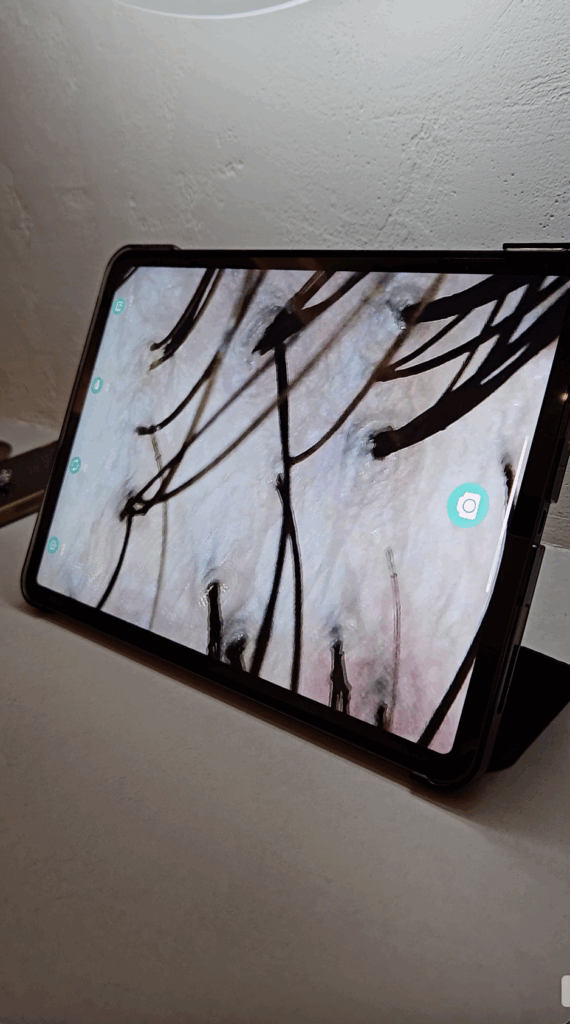
Best Japanese Head Spa in Tokyo for Foreigners | Ebisu Review
If you're looking to squeeze in one unforgettable wellness experience during your 4 days in Tokyo, make it a Japanese head spa. Tokyo Head Spa Ebisu, located in the trendy Shibuya neighborhood, is the city's most in-demand scalp treatment destination, and one of the most foreigner-friendly thanks to English-speaking staff and translator apps. The 75-minute ritual goes far beyond a wash and blowout: think scalp analysis under a microscope, a deep cleanse and hour-long head massage, aromatherapy oils, steam treatments, and a show-stopping hot-cold waterfall rinse that gives full-body goosebumps. They only take five appointments per day and book exclusively through Instagram DM (@tokyoheadspa_ebisu), so plan at least 1-2 months ahead. Pricing starts at ¥24,000 for a solo session or ¥39,000 for a couples treatment. Whether it's post-flight recovery or a mid-trip self-care moment, you'll walk out with a detoxed scalp, silky hair, and the kind of full-body calm that only Japanese wellness rituals can deliver.
Dinner: Ebisu Yokocho
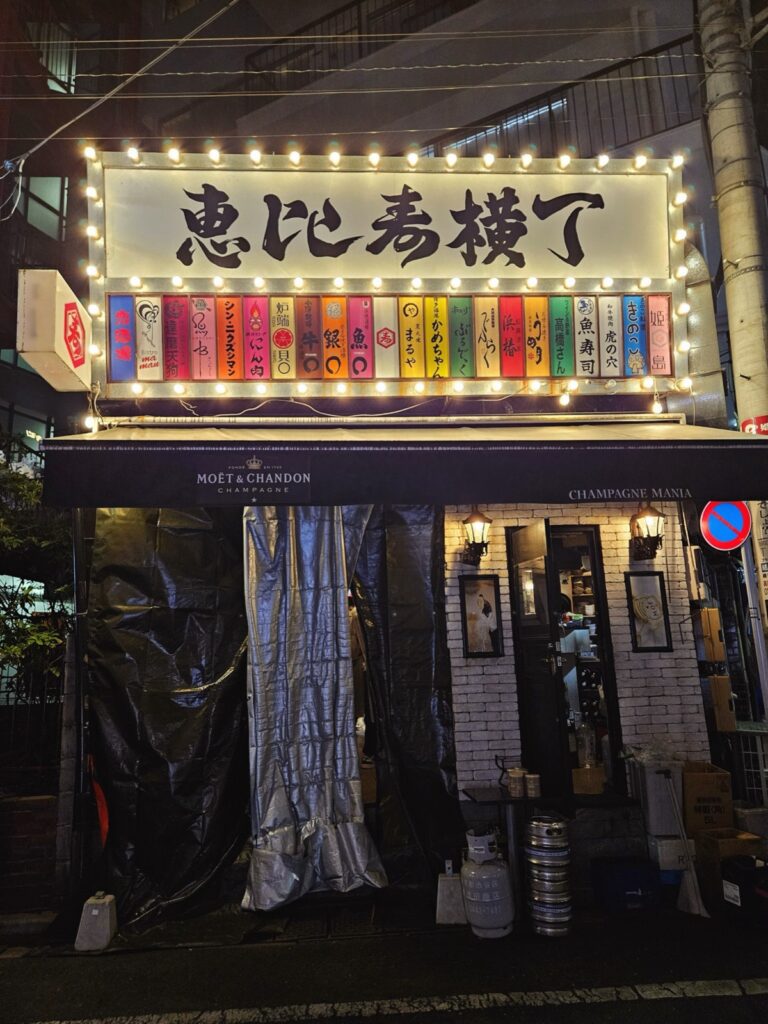
A covered alley of about 20 tiny food stalls packed into a retro, red-lanterned space. Each stall specializes in one thing: yakitori, gyoza, oden, sashimi, fried chicken. The seating is elbow-to-elbow. Don't miss Kinoko-no-Yama, a stall that specializes almost entirely in mushrooms, incredible grilled shiitake and matsutake-infused broths. Unlike traditional alleys that wind down at midnight, many stalls stay open until 5 AM. Fair warning: You will leave smelling like grilled pork and smoke.
Night: The "Secret Password" Speakeasy
It looks like a tiny, minimalist third-wave coffee shop, but in reality it's a speakeasy. If you walk in and just order a latte, you’ve missed the point. To enter the actual bar, you have to access a hidden "backstage" area. There’s a digital trick involved, a specific interaction with their website that reveals the entrance. Once inside, the vibe shifts from sterile white coffee shop to a dark, moody lair where the cocktails are coffee-infused. The exact address and name is in the Tokyo Google Map.
Still Hungry?
Tokyo's pizza scene rivals Italy's, seriously. Da Isa (Neapolitan pizzeria, chef trained in Naples) and Seirinkan (the original Tokyo Neapolitan, Nakameguro, opened 1995) are both nearby and both cash-only.
~ Day 4: Markets, Immersive Art, and Tokyo’s Grand Finale ~
teamLab Planets, Tsukiji, Ginza & Tokyo Tower
Your last day starts with one of the most extraordinary art experiences on earth, shifts into Tokyo's most legendary food market, and ends with a jazz speakeasy hidden behind a vending machine. Not a bad way to go out.
Breakfast: The "Jumbo Purin" Secret
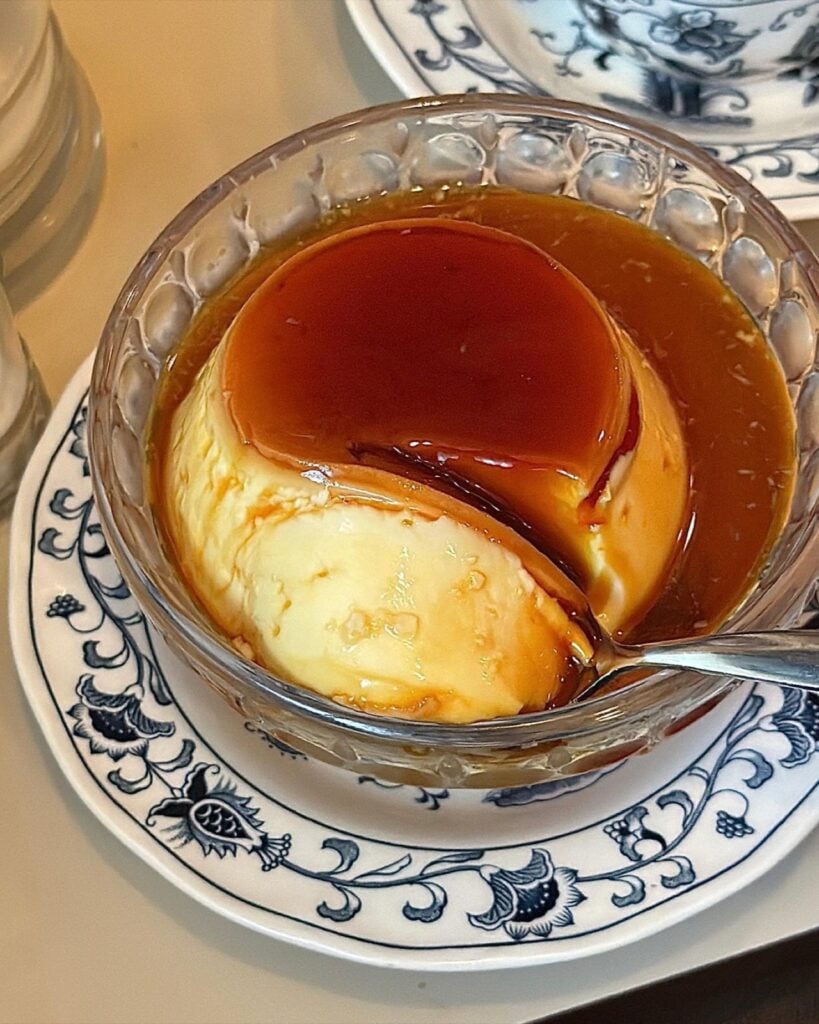
A tiny, half-century-old kissaten in Shinbashi run by an elderly couple. The decor hasn't changed since the 1970s. The menu hasn't either. The star is the Jumbo Purin, a mug-sized custard pudding with a homemade bitter caramel. They make only 12 a day and they sell out. Pair it with a siphon-brewed coffee for 600 yen. The exact address and name is in the Tokyo Google Map.
Svadore Tip
Get there FIRST thing when it opens. This is weekday-only. If your Day 4 falls on a weekend, swap it to another day. It's worth rearranging for.
Morning: teamLab Planets
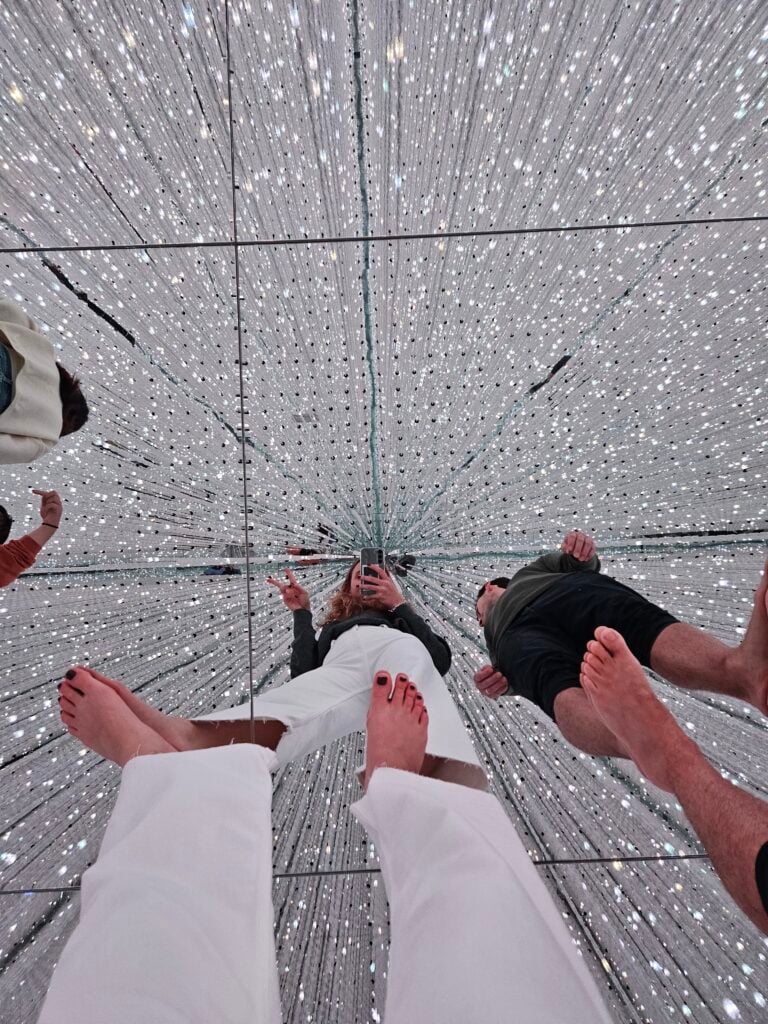
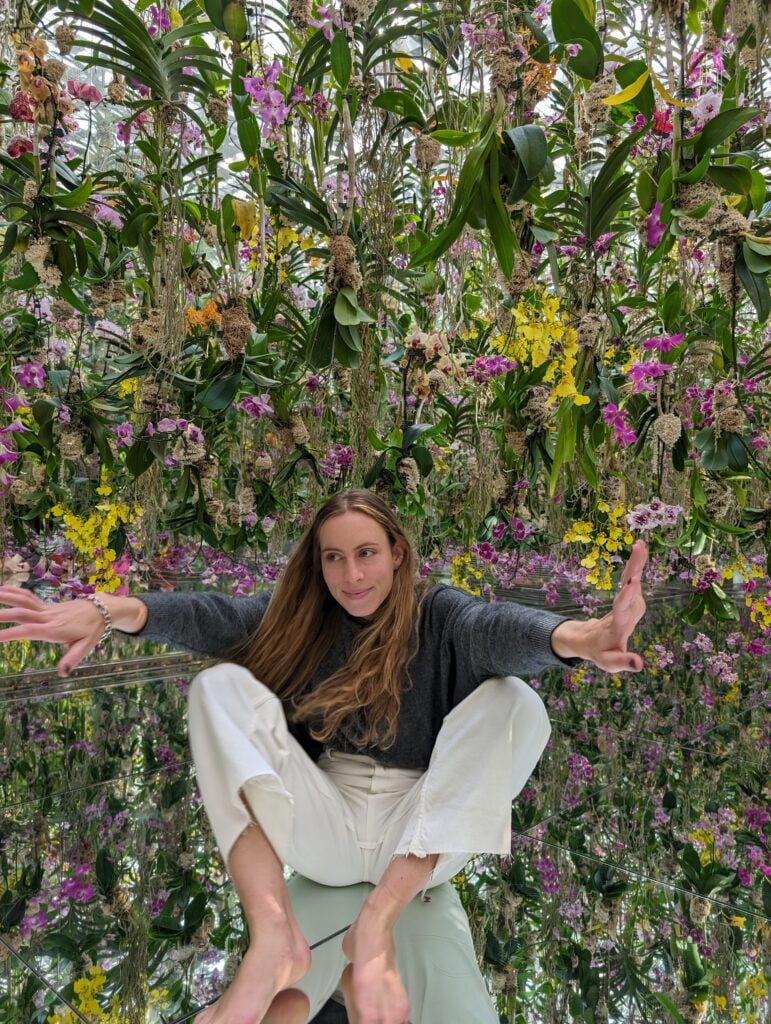
teamLab Planets is an immersive museum in Toyosu where you wade barefoot through knee-deep water, walk across fields of digital flowers, and lose yourself in rooms of infinite light. The art isn't behind glass. It's under your feet, above your head, and all around you. Everything is generated in real-time by a computer program, not a looped video. The visuals react to the people in the room, meaning what you see at any given second will never be exactly replicated again.
Tickets are 3,800 yen. Book online well in advance, they sell out. Weekday mornings have the shortest lines inside. Don’t buy these from a third-party reseller who’s going to upcharge you 30% for a QR code. Buy them from the official site.
Svadore Tip
Wear light-colored clothing, the projections show up beautifully on white and pastels. Avoid stripes and busy patterns. And wear clothes you don't mind getting wet below the knee.
Lunch: Tsukiji Outer Market
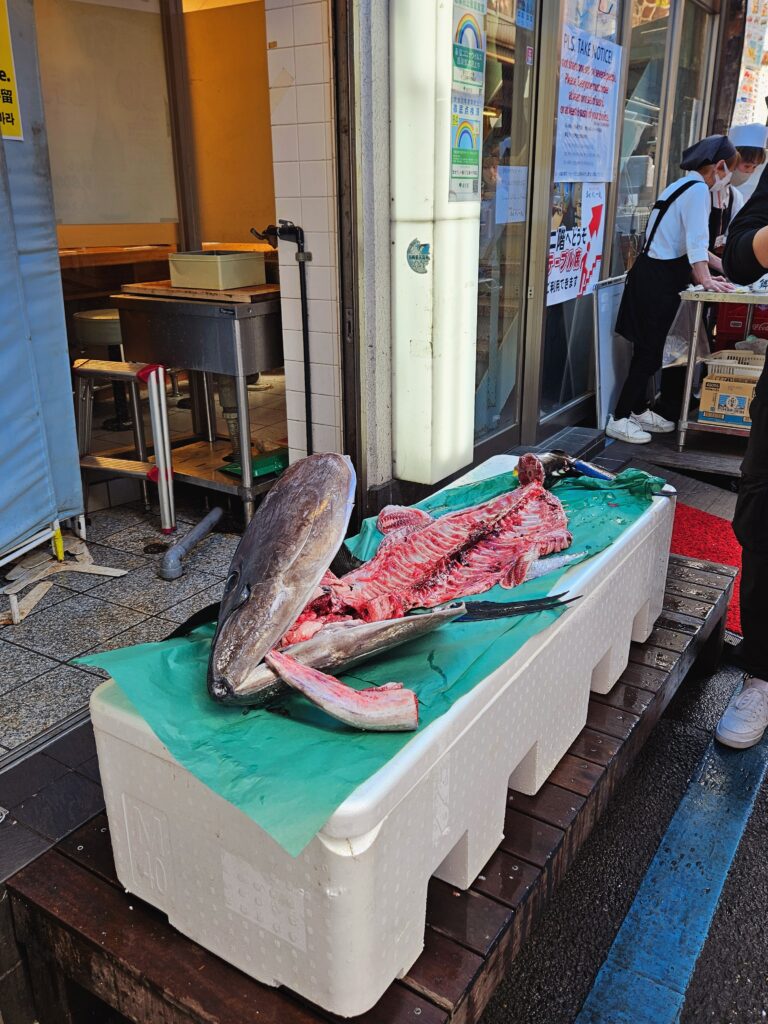
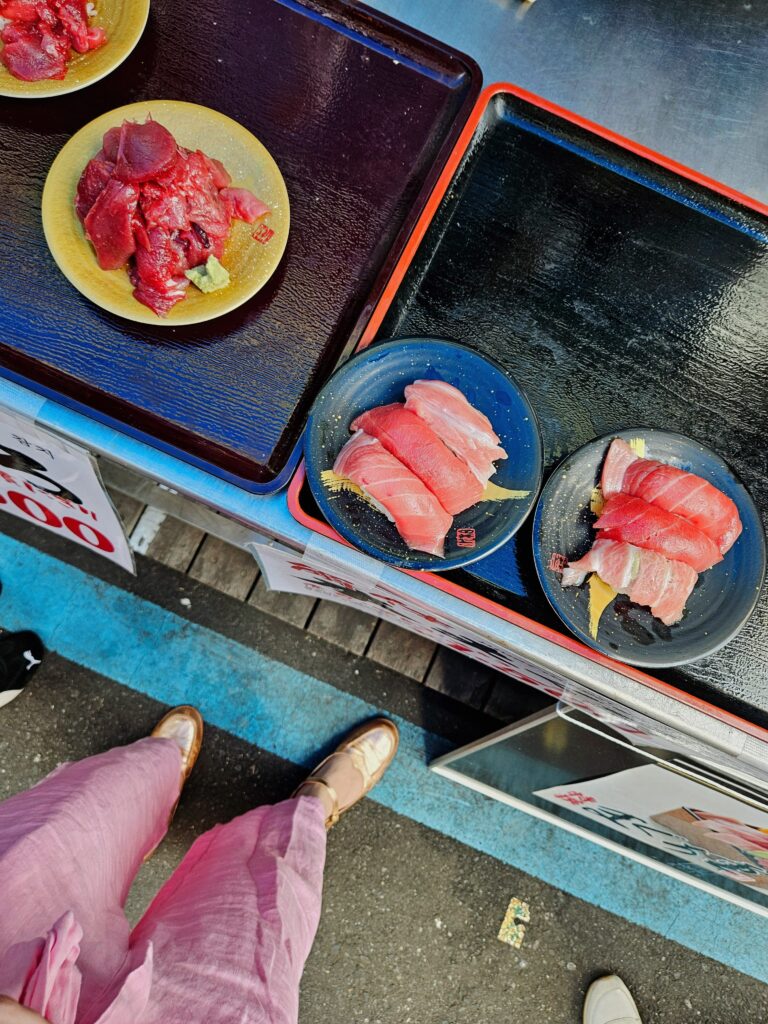
Best Street Food Stalls in Tsukiji Outer Market: A Stall-by-Stall Guide (2026)
If you leave your 4 days in Tokyo without eating at Tsukiji, did you even go? The name "Tsukiji" literally translates to "reclaimed land," built after the Great Fire of Meireki in 1657. In 2018, the famous inner wholesale market moved to Toyosu, but the soul of Tsukiji stayed behind. The outer market is a warren of 400+ stalls where the shokunin (craftspeople) still run the show. The knife shops here are over 150 years old, many run by families who transitioned from making samurai swords to crafting kitchen blades. This isn't a sit-down lunch. This is a graze. Eat standing at or near the stall where you bought your food. A few can't miss items:
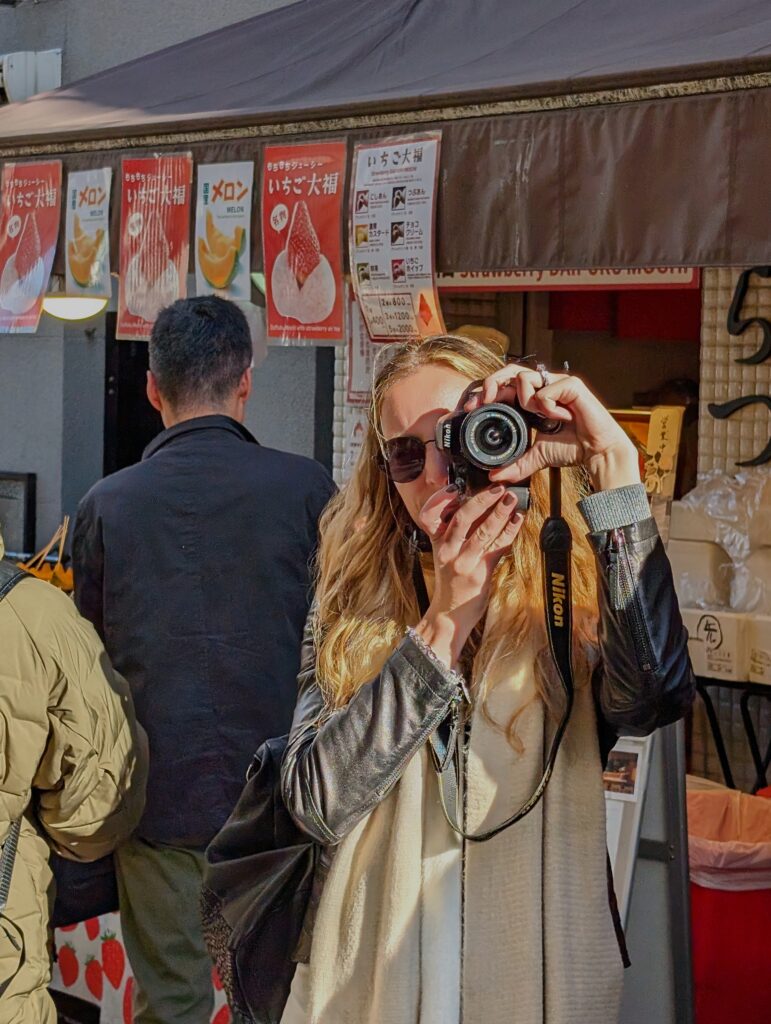
I wrote a full stall-by-stall breakdown of the best street food stalls in Tsukiji Outer Market covering all 17 of my favorites, from the horumon-don at Kitsuneya to tuna-shaped taiyaki at Sanokiya, with the cultural backstory behind everything you're eating. If you only have time for a few stops, start with Kitsuneya, Shouro Honten, and Kakigoya, then save room for the watermelon juice and a matcha latte at Maruni to close it out.
Tucked in the back corner: Namiyoke Inari Shrine ("protection from waves"), built during the original land reclamation to stop the ocean from washing away the construction. Most stalls open 5 AM to 2 PM. Go before noon. Instead of standing in the middle of a crowded alley Googling stall names while being elbowed by fishmongers, use my Tokyo Google Map. I’ve pinned every stall and exactly what to order at each. It’s the best way to see exactly where you are relative to that specific miso-stew stall or the family-run knife shop.
Svadore Tip
Tsukiji can feel overwhelming on a first visit, 400+ stalls with no obvious route. If you'd rather have someone steer you to the best bites (and skip the tourist traps), two good options: this Tsukiji food tour with a licensed guide for a more structured, history-focused experience, or this walking food tour if you just want to eat your way through the market stall by stall.
Afternoon: Ginza
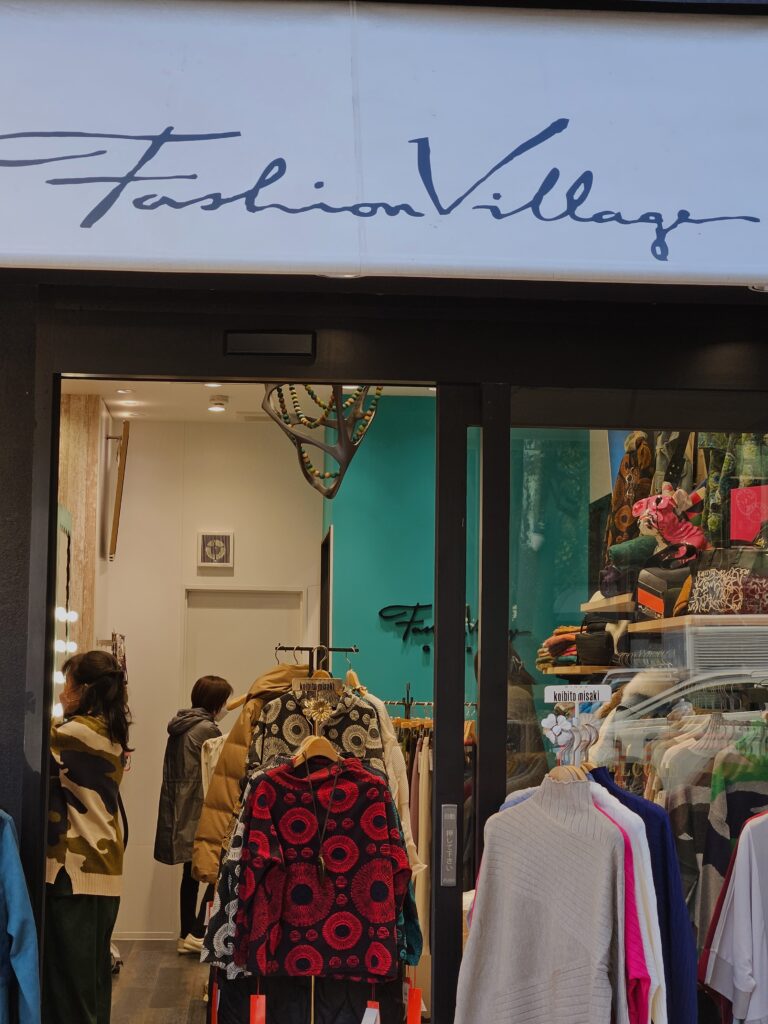
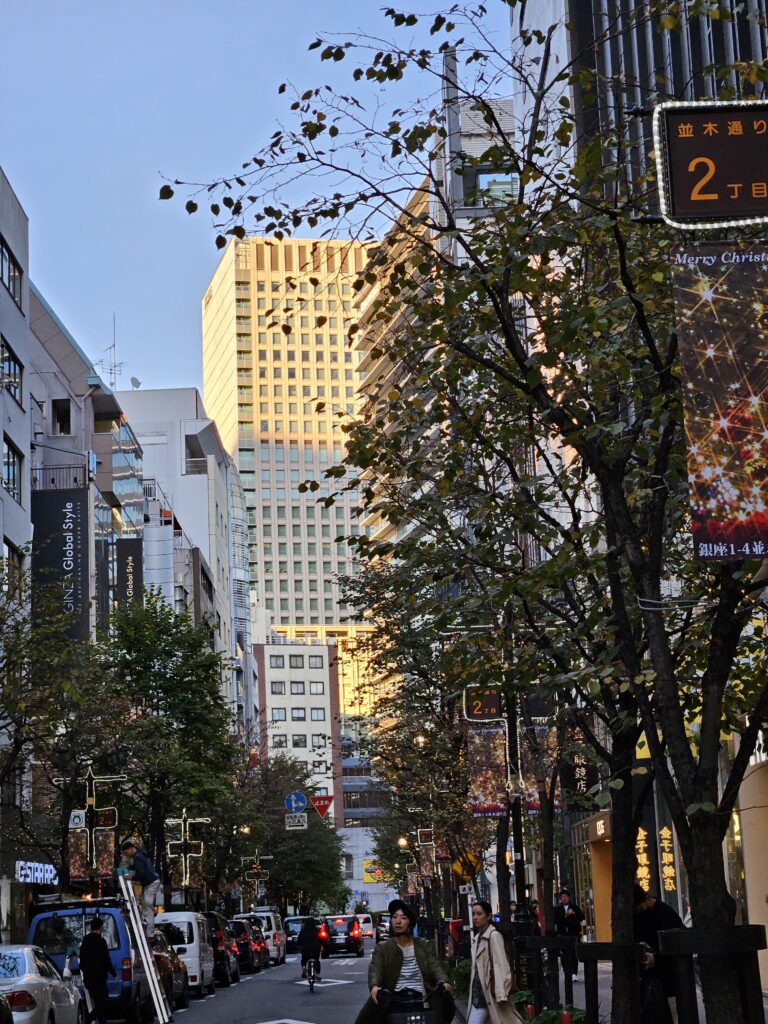
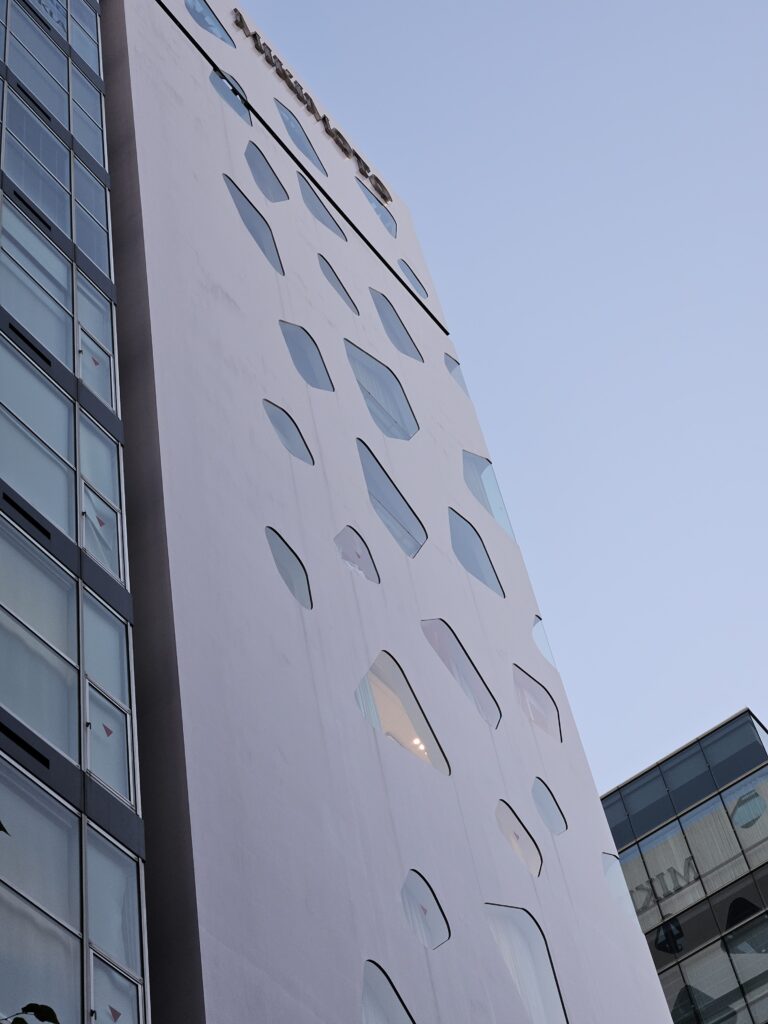
Ginza is where my 4 days in Tokyo gets expensive and elegant. Tokyo's original luxury district. Wide boulevards, department stores, and architecture that ranges from the 1930s Wako building to Ginza Six's contemporary glass towers. Stop at Itoya, a 12-story stationery store (pens, paper, washi tape, leather goods, letterpress), and the Uniqlo Ginza Flagship, 12 floors carrying Japan-exclusive collaborations and a customization floor where you can embroider your own designs on the spot.
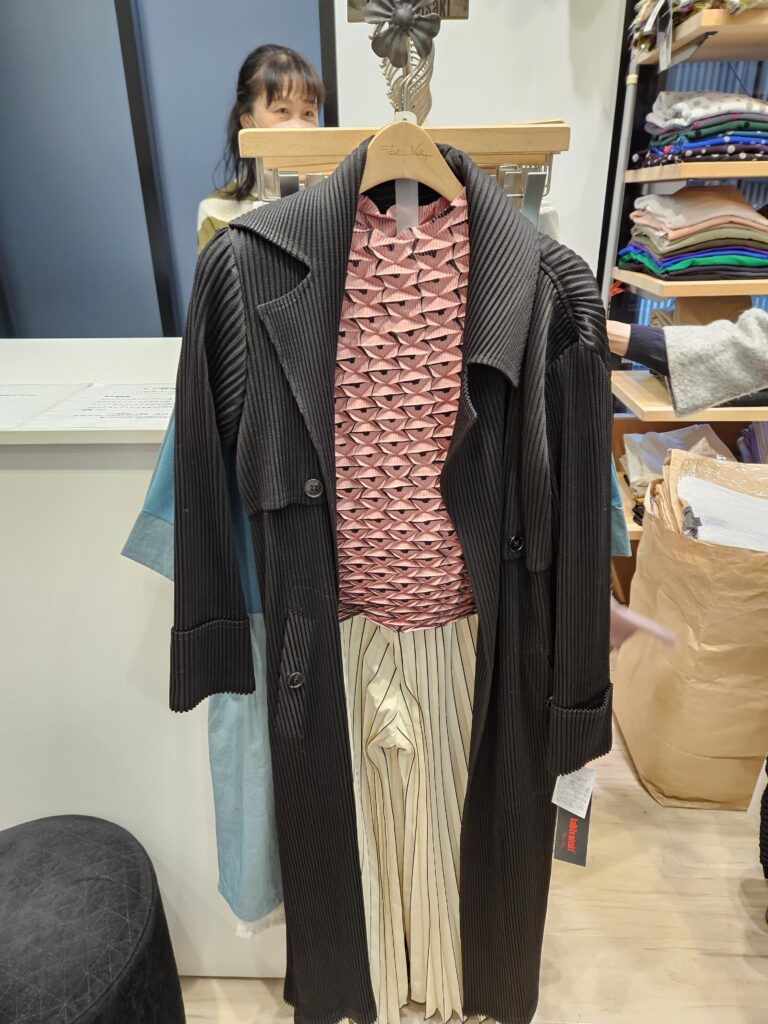
My favorite stop in Ginza isn't a glass-tower flagship. It’s a tiny, discreet fashion enclave that almost no one knows about. I found an outfit here that is identical to an Issey Miyake masterpiece. The same structural pleats and avant-garde silhouette, but at a fraction of the cost. It’s the kind of place where you buy a "look" that people will stop you on the street to ask about. The exact address and name is in the Tokyo Google Map.
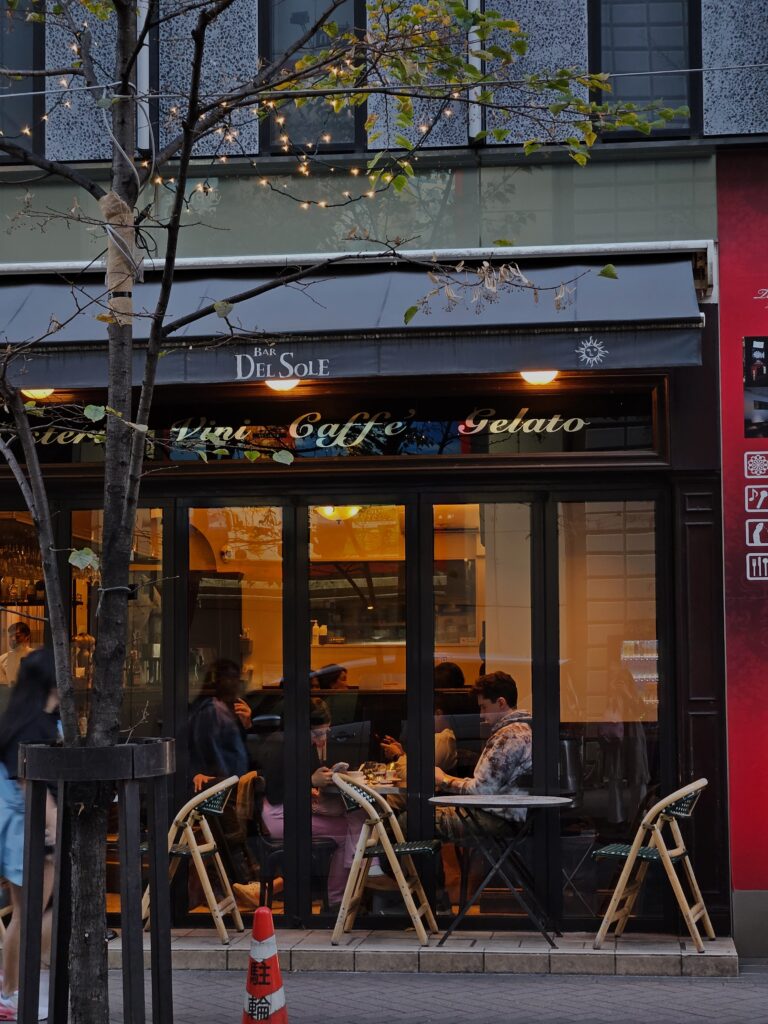
After walking Ginza, stop at Bar del Sole, a cozy Italian-style standing coffee bar on a side street.
Dinner: Gendai Saryou
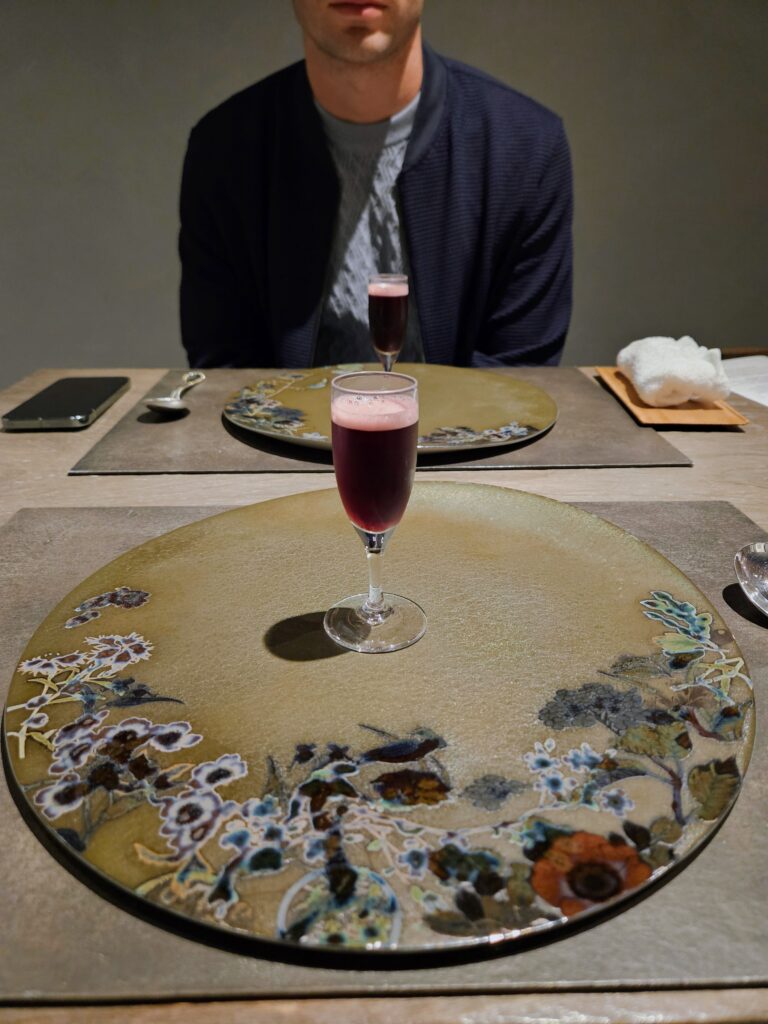
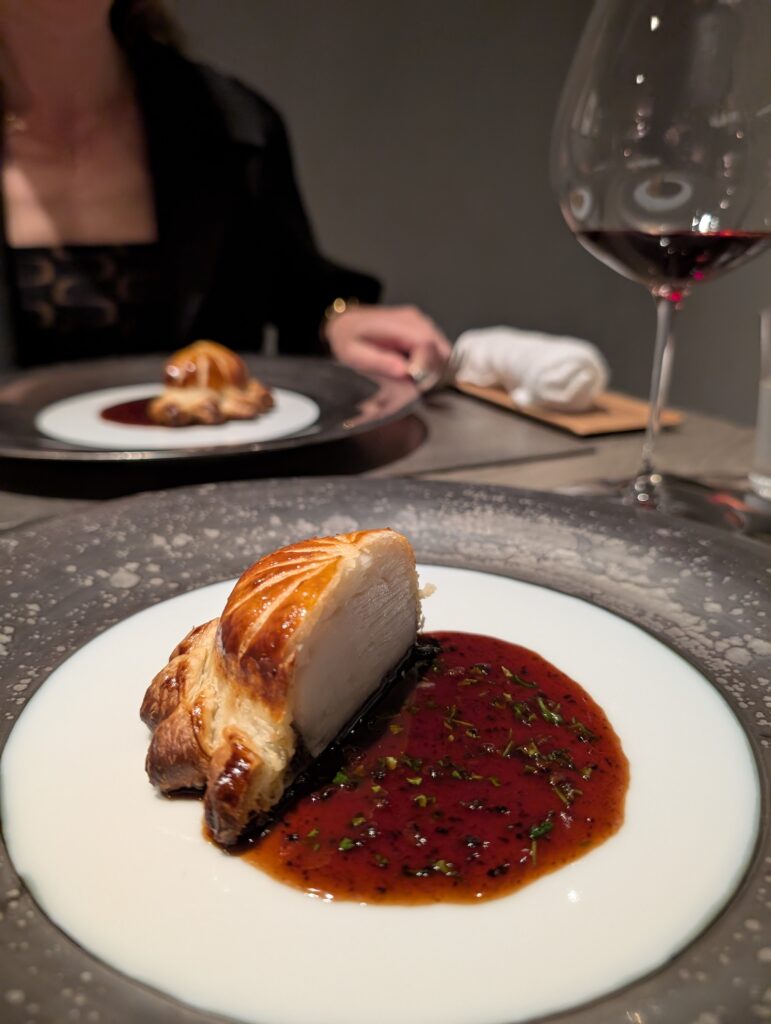
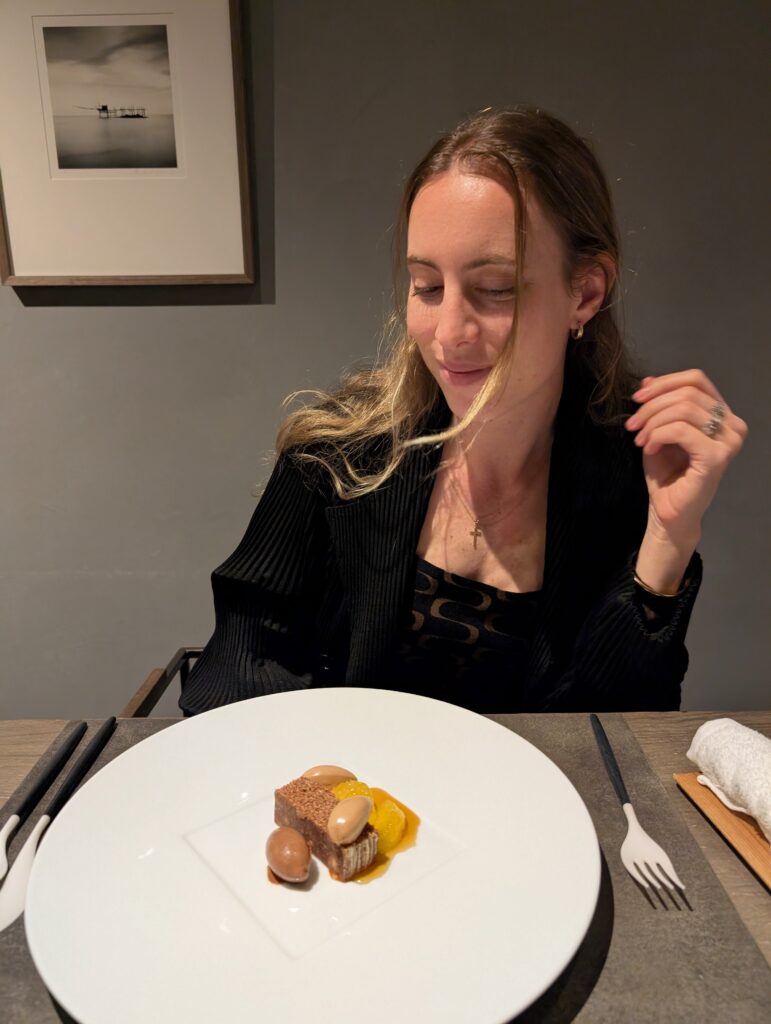
The grand finale dinner Tokyo deserves. A modern kaiseki-inspired restaurant that reimagines traditional Japanese ingredients through a contemporary French lens. Many people wouldn't dare try "non-Japanese" food while they're in Japan. They think it’s a wasted meal. But as someone who grew up between cultures, I’ll tell you: Japan is famous for perfecting what others invented. Their pizza and French cuisine don’t just "rival" the originals in Naples or Paris, they often surpass them.
The Japanese concept of shokunin (the relentless pursuit of perfection) means that when a Tokyo chef decides to master a French sauce or a Neapolitan crust, they do so with a level of precision that borders on the sacred. This restaurant is the ultimate example. You’ll find the delicate seasonality of a Japanese kaiseki combined with the bold, structural techniques of French haute cuisine. Each plate arrives like a small sculpture. In my opinion, this place will have a Michelin star by next year.
If your last night calls for sushi instead, I have a place in Gotanda that is the move. It is a 16-course omakase for $55. And yes, that includes drinks. A small counter-only omakase where the chef sources from Toyosu each morning. Book at least 1-2 weeks ahead. The exact address and name is in the Tokyo Google Map.
Night: Tokyo Tower & No Room for Squares
Yes, Tokyo Tower looks like the Eiffel Tower. Intentionally. It was modeled after it but stands 13 meters taller. It's been the city's icon since 1958. For the best view, head to the bar at the Prince Park Tower, where floor-to-ceiling windows give you a front-row, unobstructed view.
Then end your trip at No Room for Squares, a jazz speakeasy hidden behind a Coca-Cola vending machine near Tokyo Tower. Find the right machine, pull the door, and step into a moody room with vinyl spinning, dim lighting, and meticulously made cocktails. Named after the Hank Mobley album. This is where you end your Tokyo trip.
Before You Go: What You Need to Know
Getting Around
Look, I grew up here, and even I still occasionally end up on a train headed for a prefecture I didn’t intend to visit. If the colorful spiderweb of the Tokyo Metro map gives you a low-grade panic attack, you aren’t alone. I’ve written a complete, sanity-saving guide on how to navigate Japan’s trains and subways that covers everything from the "shokunin" level of efficiency to the etiquette of the silent commute.
Add a virtual Suica card to your Apple Wallet before you land. It works for every train, bus, and even most convenience stores (perfect for those midnight 7-Eleven runs for egg salad sandwiches). Google Maps is mostly accurate, but if the thought of navigating Shinjuku Station—the world’s busiest—with a suitcase and a prayer sounds like your version of hell, this is exactly why people book a travel consultation with me. If the logistics of mapping out 4 days in Tokyo feels more like a full-time job than a vacation, I can map out your specific transfers so you spend less time staring at a digital map and more time staring at a perfect croissant.
Money
Japan is still heavily cash-based. Always carry 10,000-20,000 yen. 7-Eleven and Japan Post ATMs accept international cards, most bank ATMs do not. And whatever you do, do not tip. Ever. It can cause confusion or even offense. Service in Japan is already impeccable. It's built into the culture, not the bill.
Cultural Notes
- Don't eat while walking. It's considered rude, full stop. Street food is eaten standing at or near the stall you bought it from. Tsukiji is the rare exception.
- Silence on trains. No phone calls, no loud talking. Listen for each station's unique jingle when the doors close, over 200 different melodies across the system.
- Tattoos: Cover them at onsens, gyms, and public pools. Japan still associates them with the Yakuza. Non-negotiable.
- Taxi doors open automatically. Don't try to open or close them yourself.
- No public trash cans. Carry a small bag. You'll adjust faster than you think.
Best Time to Visit
- Spring (March-May): Cherry blossom season peaks in late March to mid-April. Book everything early.
- Autumn (October-November): Fall foliage, mild weather, fewer crowds. The sweet spot.
- Summer (June-August): Hot and humid, but the festival season is electric.
- Winter (December-February): Cold but clear. Fewest tourists, illumination festivals, and the clearest views of Mount Fuji.
Essential Apps
Google Maps (transit directions), Suica (Apple Wallet), Google Translate (point your camera at any menu), Tabelog (Japan's restaurant rating app, anything above 3.5 is excellent), and PayPay (mobile payment, increasingly accepted).
Want the Full Guide?
This article covers the highlights, but the Svadore Tokyo 4-Day Travel Guide goes much deeper: 70+ pages with neighborhood maps, every restaurant and bar pinned, detailed walking routes, and the kind of cultural context that turns a trip into an experience. There's also a companion Japan Google Map with every spot from this itinerary (and dozens more) pinned and organized by category.
Planning to add Kyoto? The Japan 7-Day Guide combines this Tokyo itinerary with 3 days in Kyoto for the complete trip.

1 comment