Just a short drive from Milan or Lake Maggiore lies a place few travelers—heck, even local Italians such as myself—know by name, yet once there, it feels like stepping into a cinematic secret. The Langhe-Roero Monferrato wine region—recognized by UNESCO as a World Heritage Site—might not carry the global fame of Tuscany, but it easily rivals it in beauty, depth, and flavor. It’s quieter, less polished, more intimate—and more affordable.
See my quick TikTok recap of Cella Monte for a glimpse of the experience in motion:
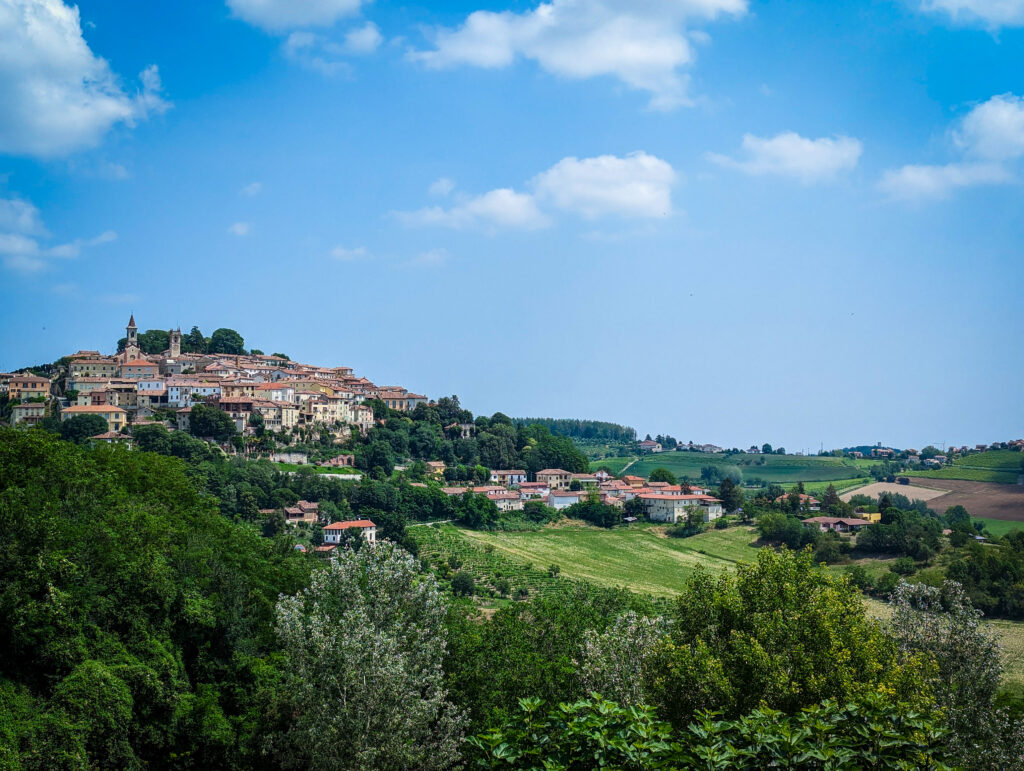
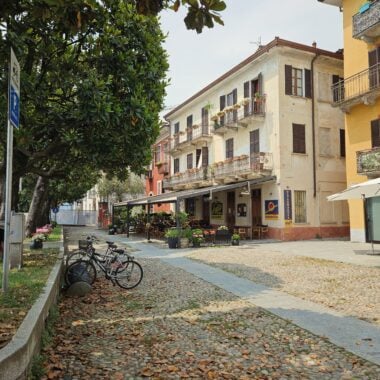
Woven into this landscape are hilltop villages that look like they’ve been frozen in time. One of them is Cella Monte, a sleepy little town that holds a powerful title: uno dei borghi più belli d’Italia. That’s not just poetic flair—it’s an official recognition bestowed on just over 360 villages across Italy by the Borghi Più Belli d’Italia association, honoring Italy’s most architecturally and culturally preserved gems.
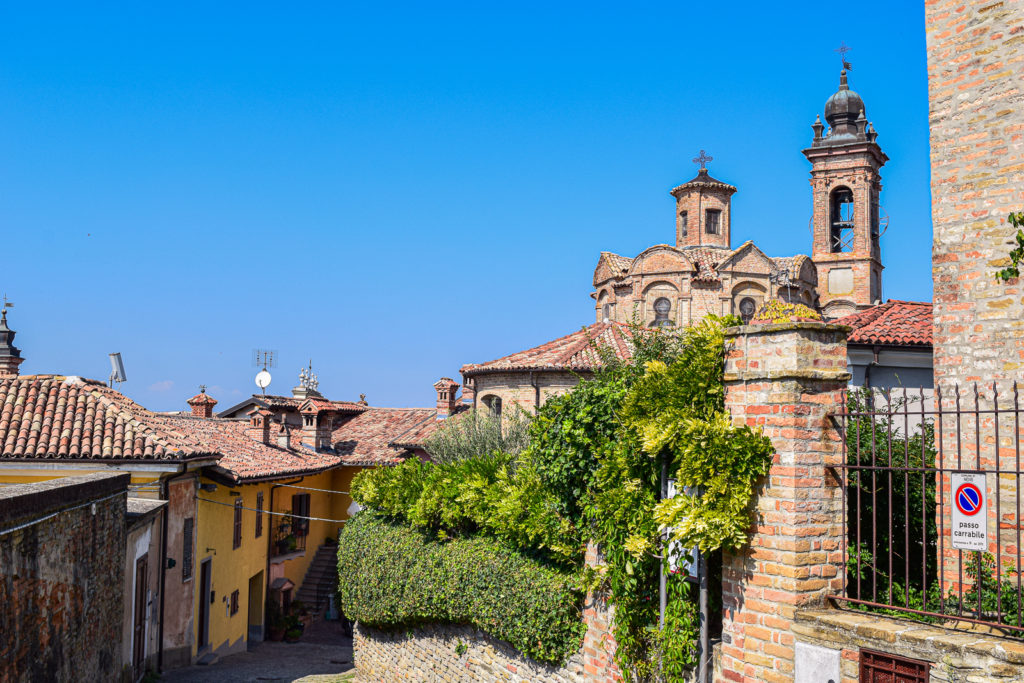
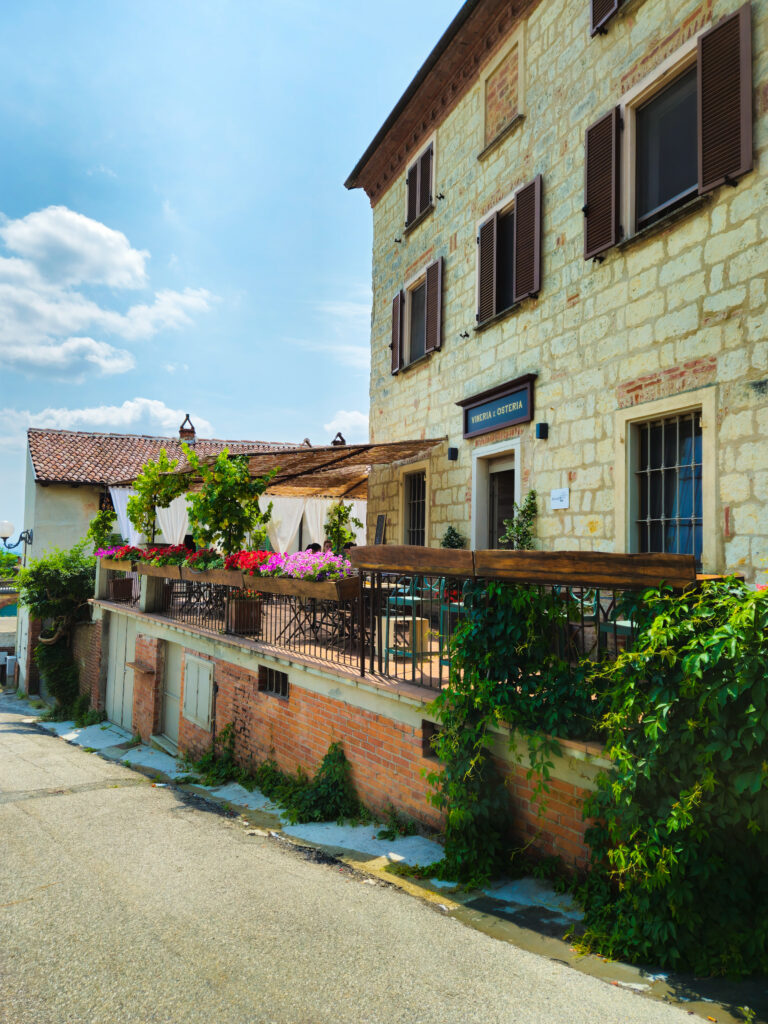
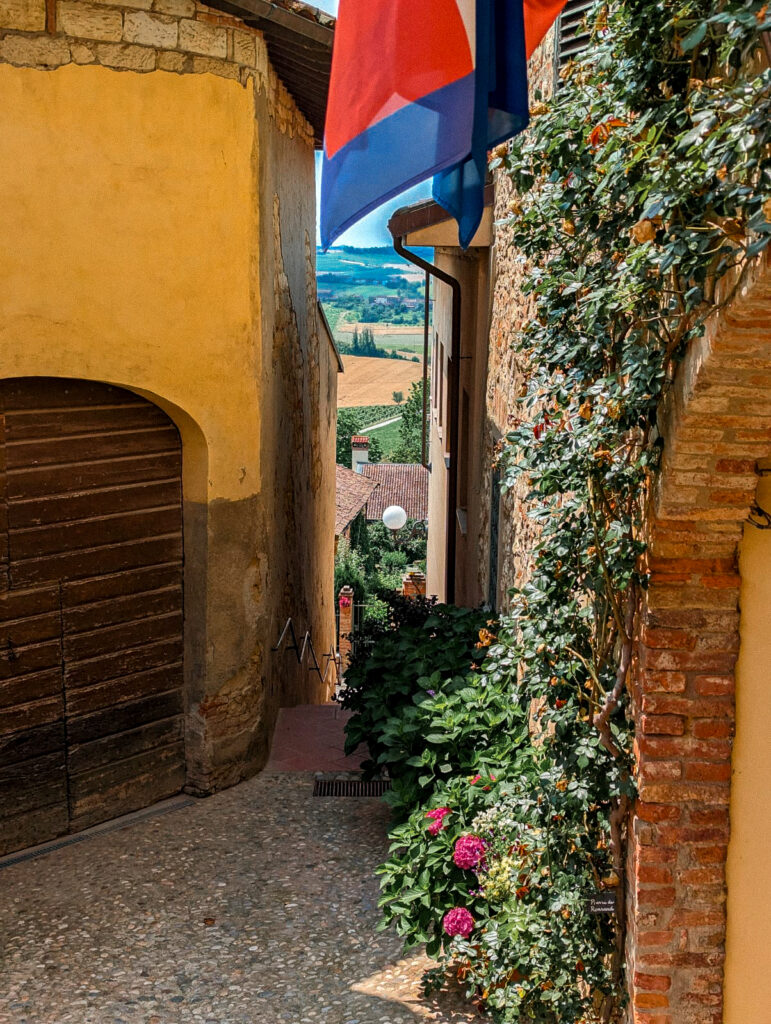
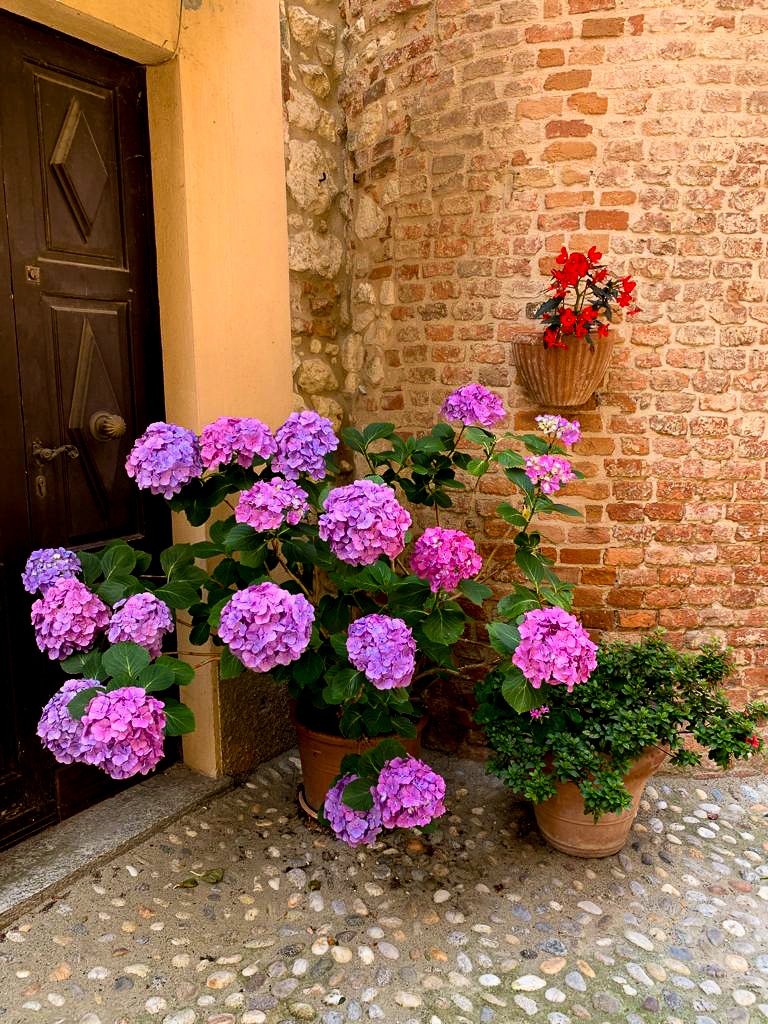
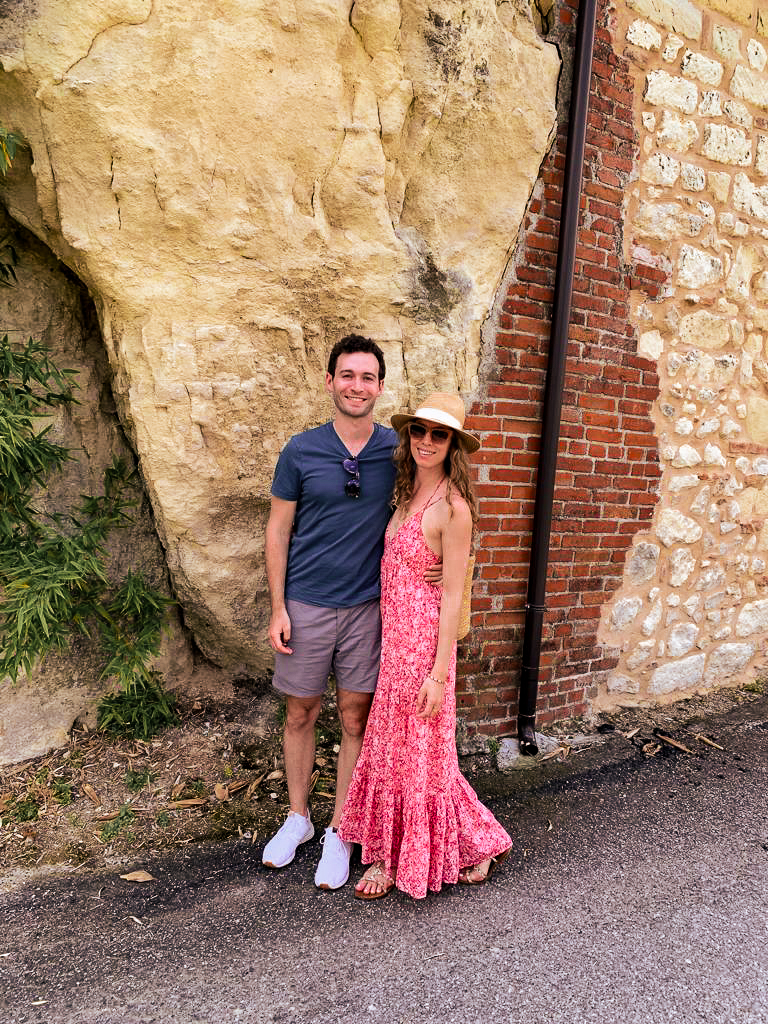
On a gray, rainy Tuesday in Lake Maggiore, we chased the sun—and found it here.
Cella Monte sits at the heart of what UNESCO calls the Monferrato degli Infernot, a core zone of this wine-growing landscape that earned its spot on the world stage thanks to something quietly spectacular: the infernot.
These underground wine cellars are carved into the local “pietra da cantoni”, a soft, golden marine stone rich with fossilized seashells from when this land was still underwater millions of years ago. These spaces aren’t just practical—they’re poetry. Built without light, with naturally regulated humidity and temperature, infernots became architectural love letters to wine, passed down by generations of local builders and farmers. You can learn all about them at the Ecomuseo della Pietra da Cantoni, tucked inside Palazzo Volta right in Cella Monte’s main piazza. The museum doesn’t just show you the stone—it tells the story of the people, the craft, and the land itself. It even houses one of the public infernots you can step inside.
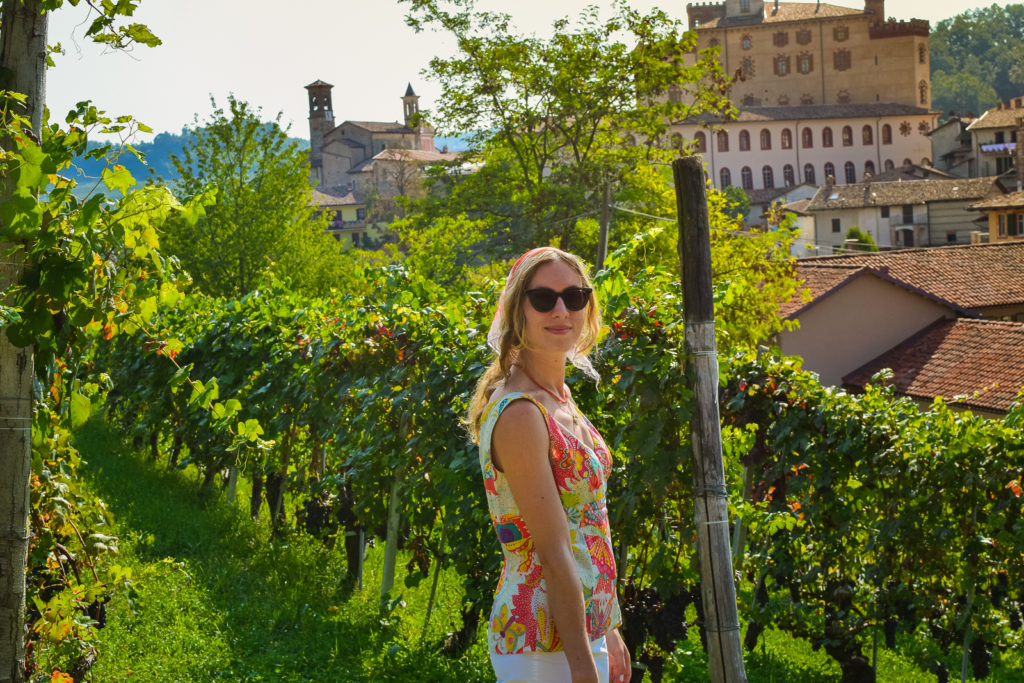
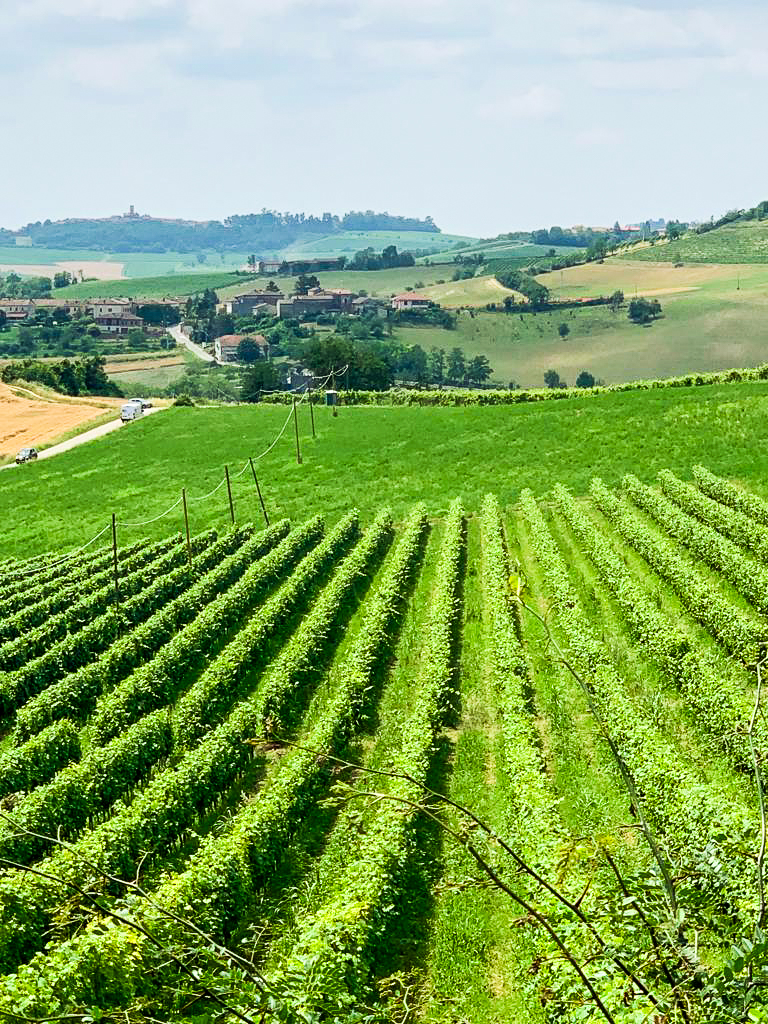
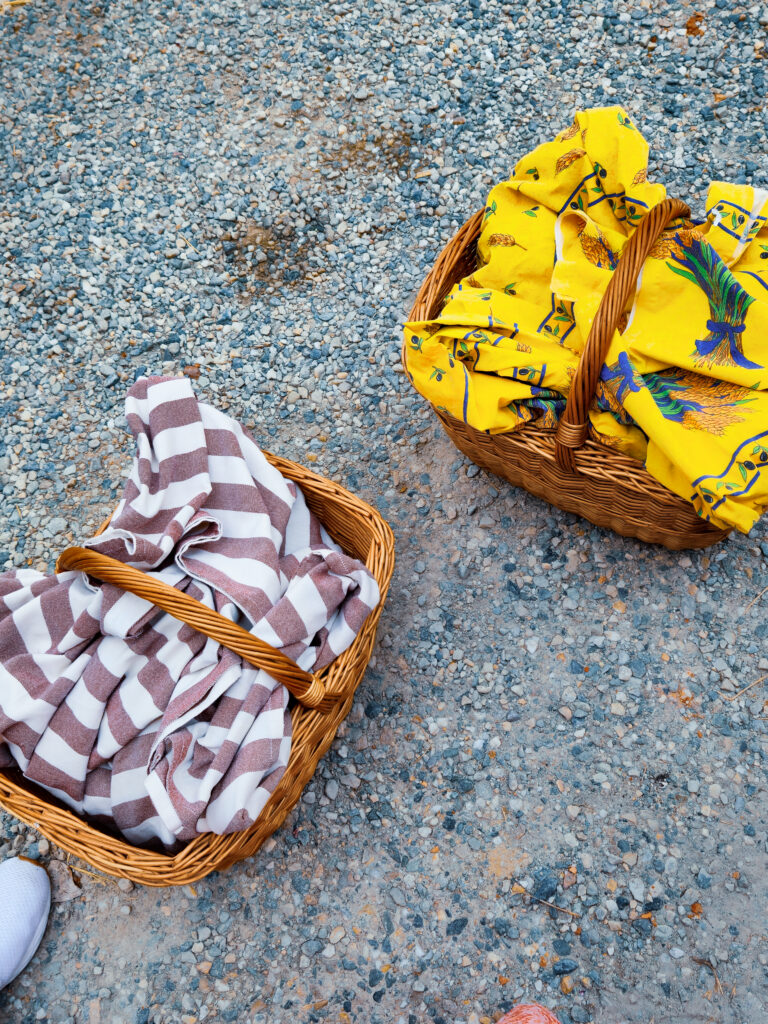
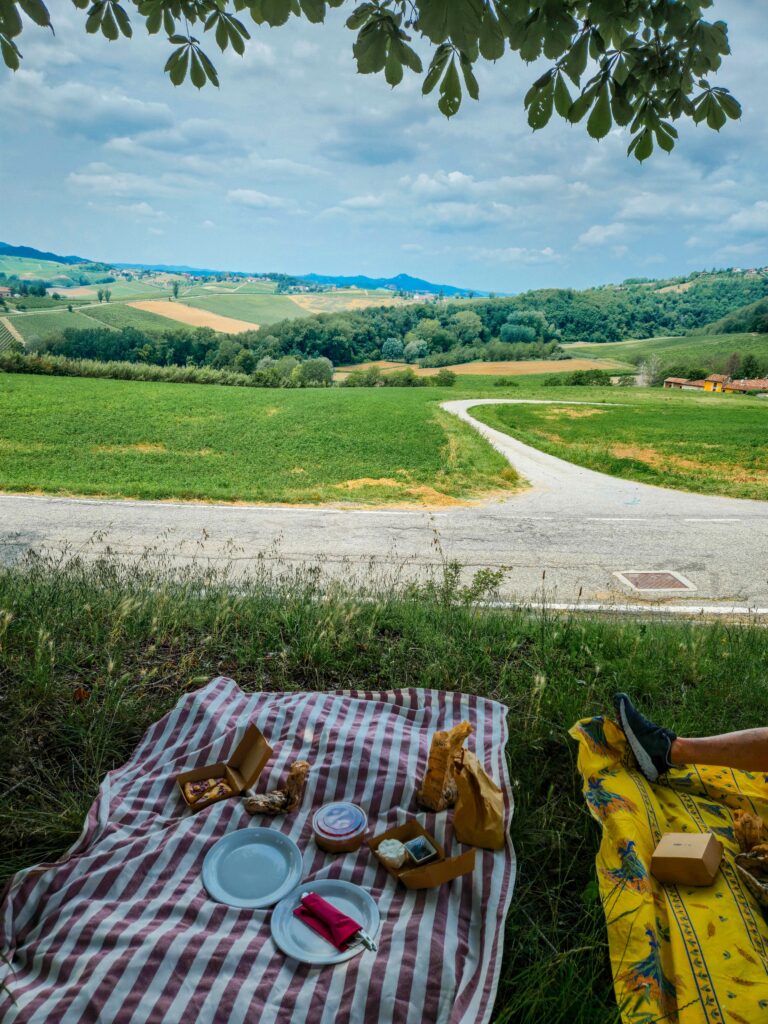
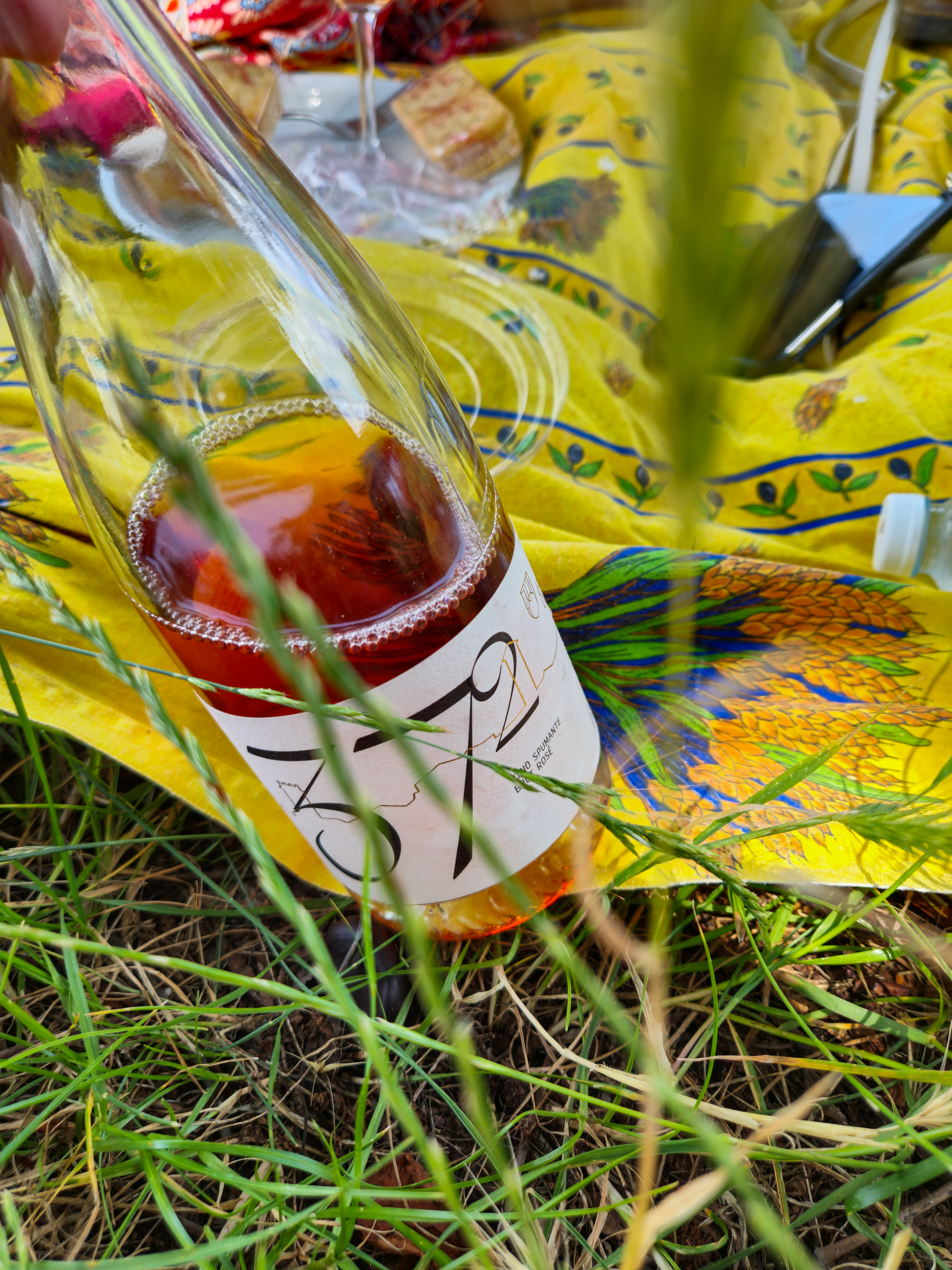
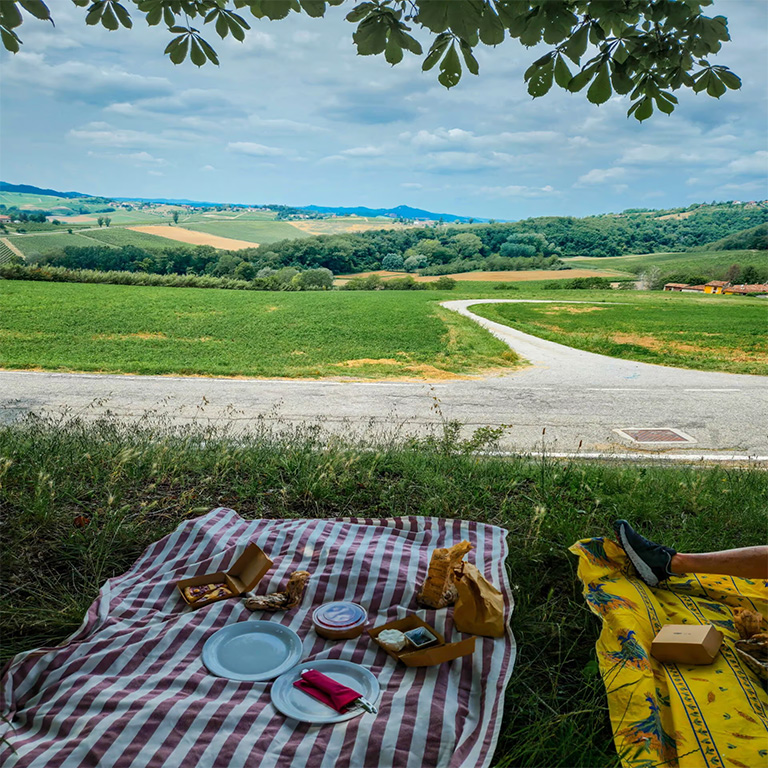
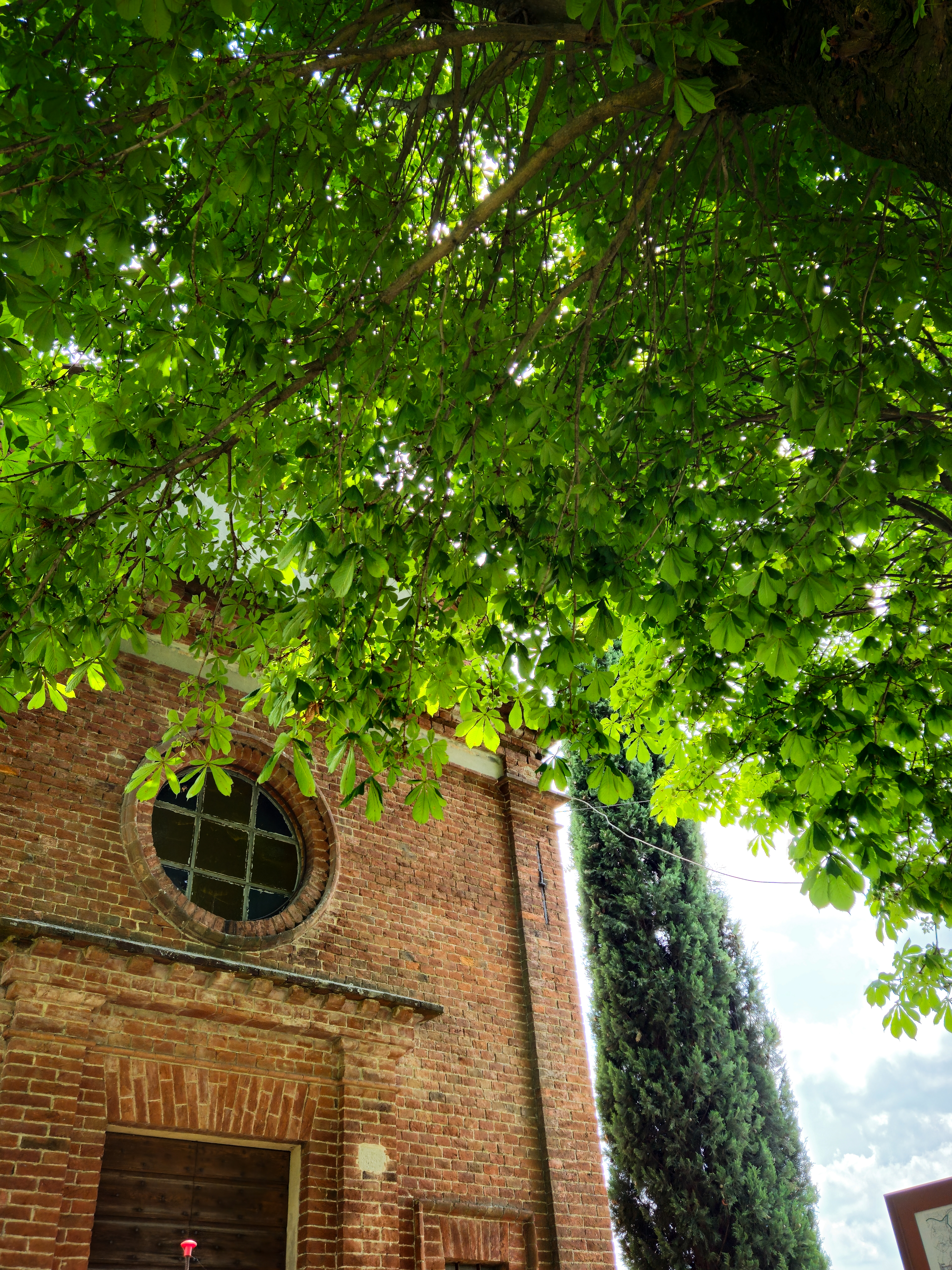
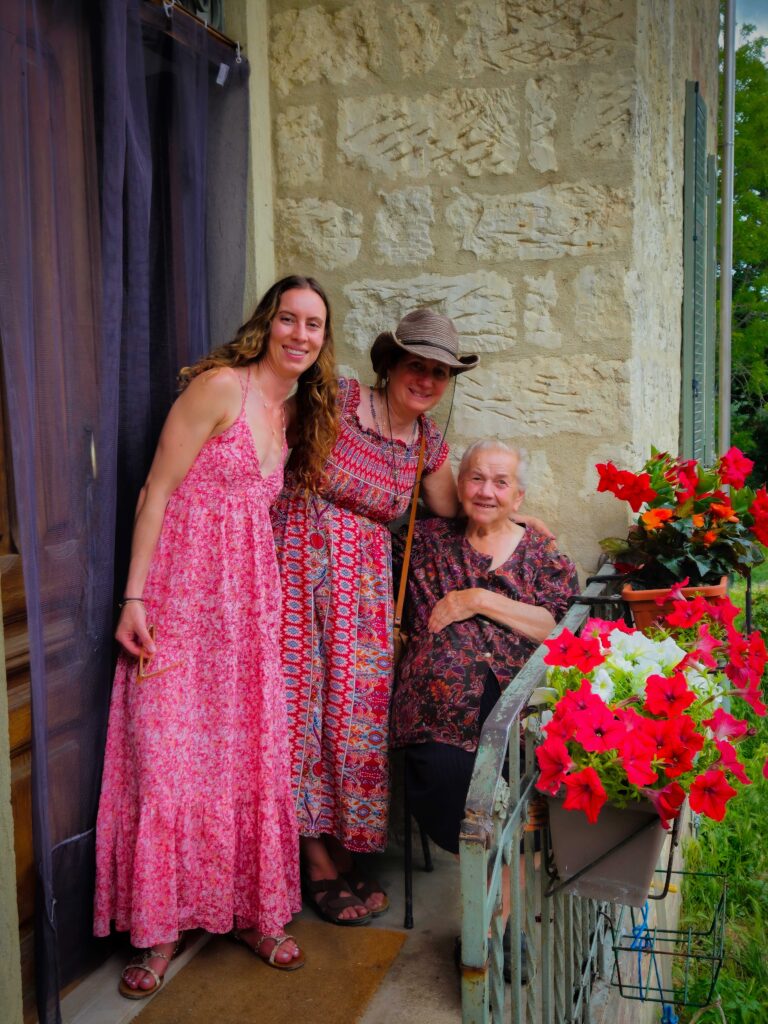
We had reserved a picnic lunch from a local winery, Agricola Coppo Giovanni, a family-run spot offering picnic baskets filled with food that feels like it came from the pages of an Italian novella. Everything was homemade by local businesses, including Nonna Chicca, who we later met (86 years old and radiating warmth). We drove up to a quiet ridge overlooking the village, laid our blanket beneath a chestnut tree beside a chiesetta, or tiny chapel, and unpacked: carpaccio, freshly baked bread, local salami, spinach frittata, sheep’s milk robiola (a favorite of mine), and Nonna Chicca's homemade crostata.
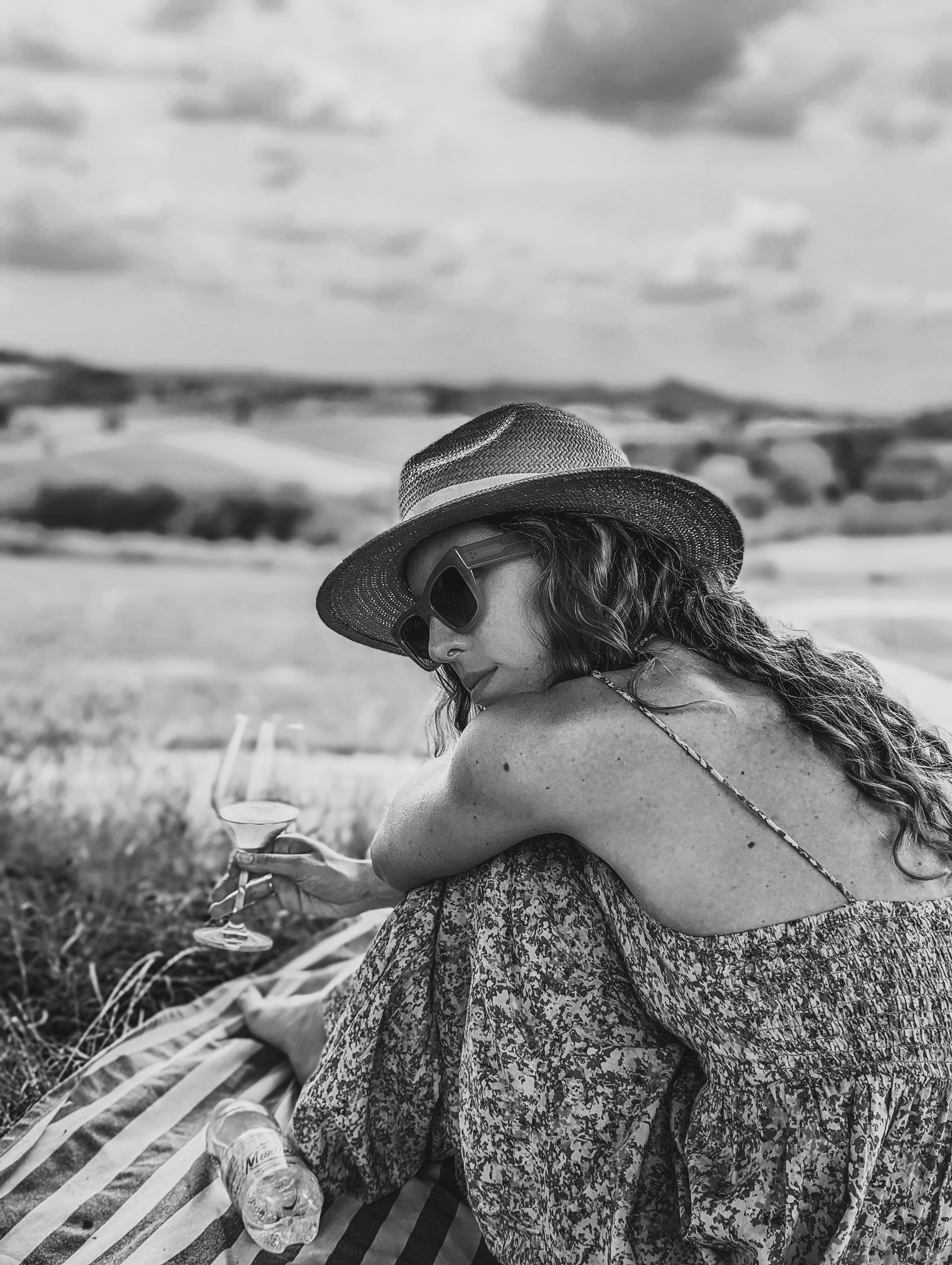
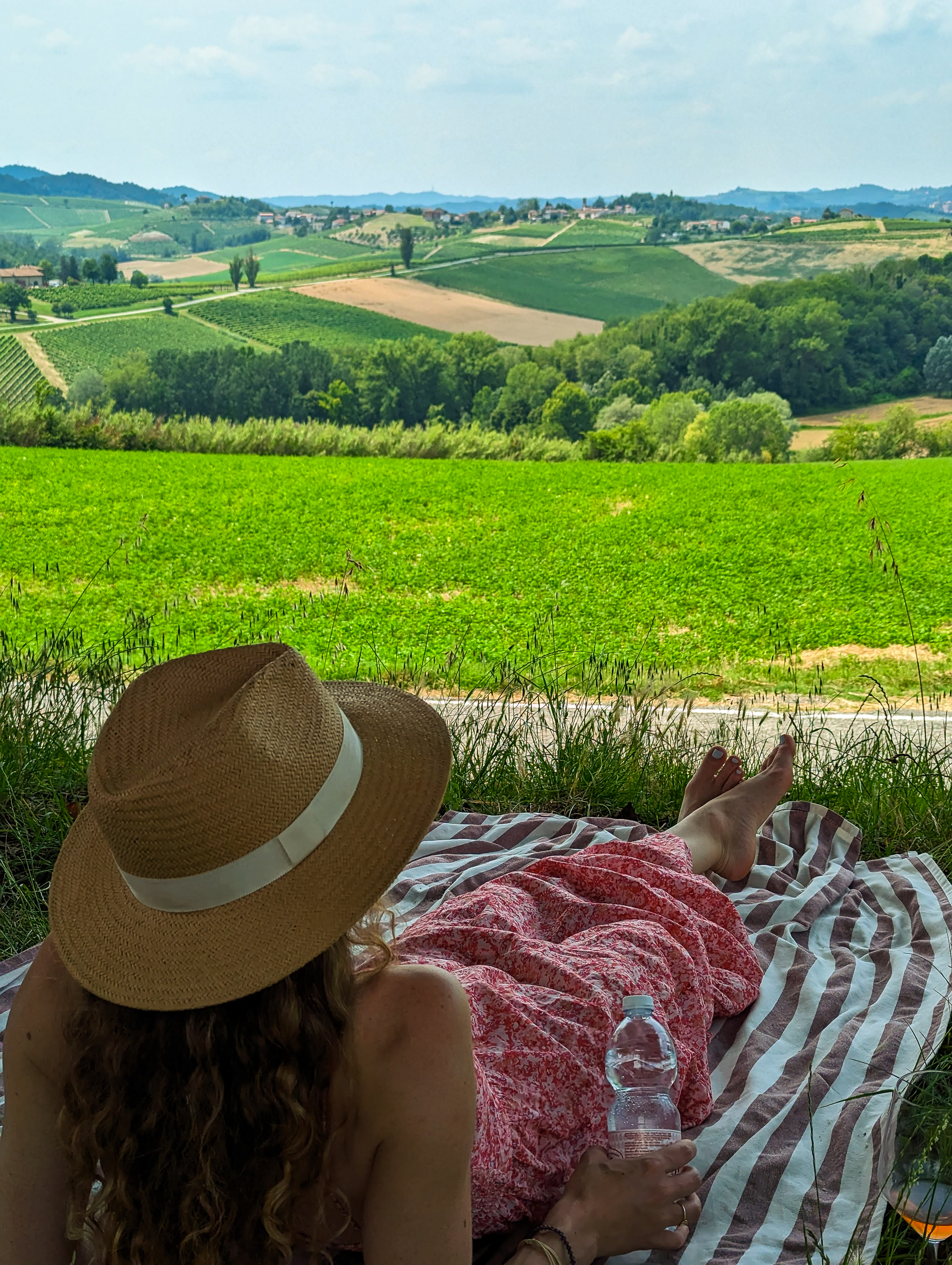
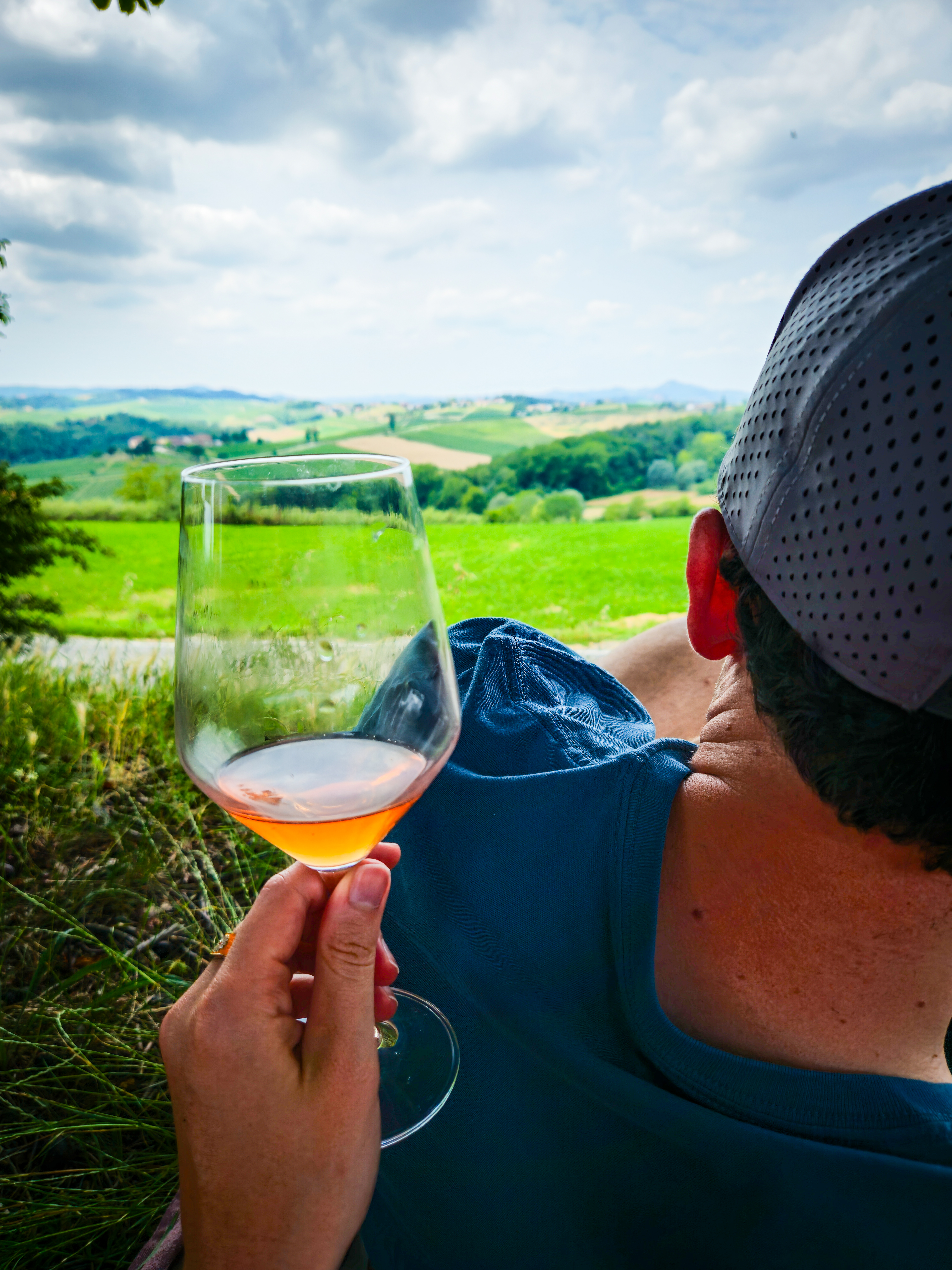
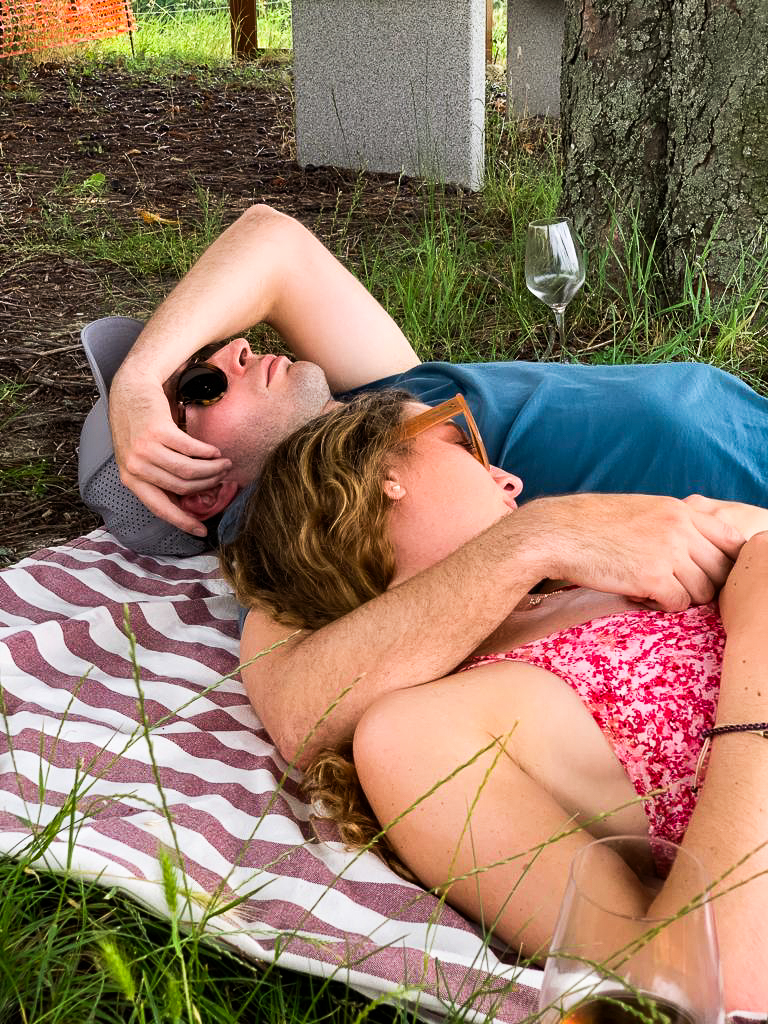
Two bottles of wine—one rosé, one white—completed the scene. After eating, we stretched out beneath the tree and drifted into a post-lunch nap, lulled by nothing but the rustling of leaves, the distant clang of church bells, and the occasional moo of a cow. Il dolce far niente, in its truest form.
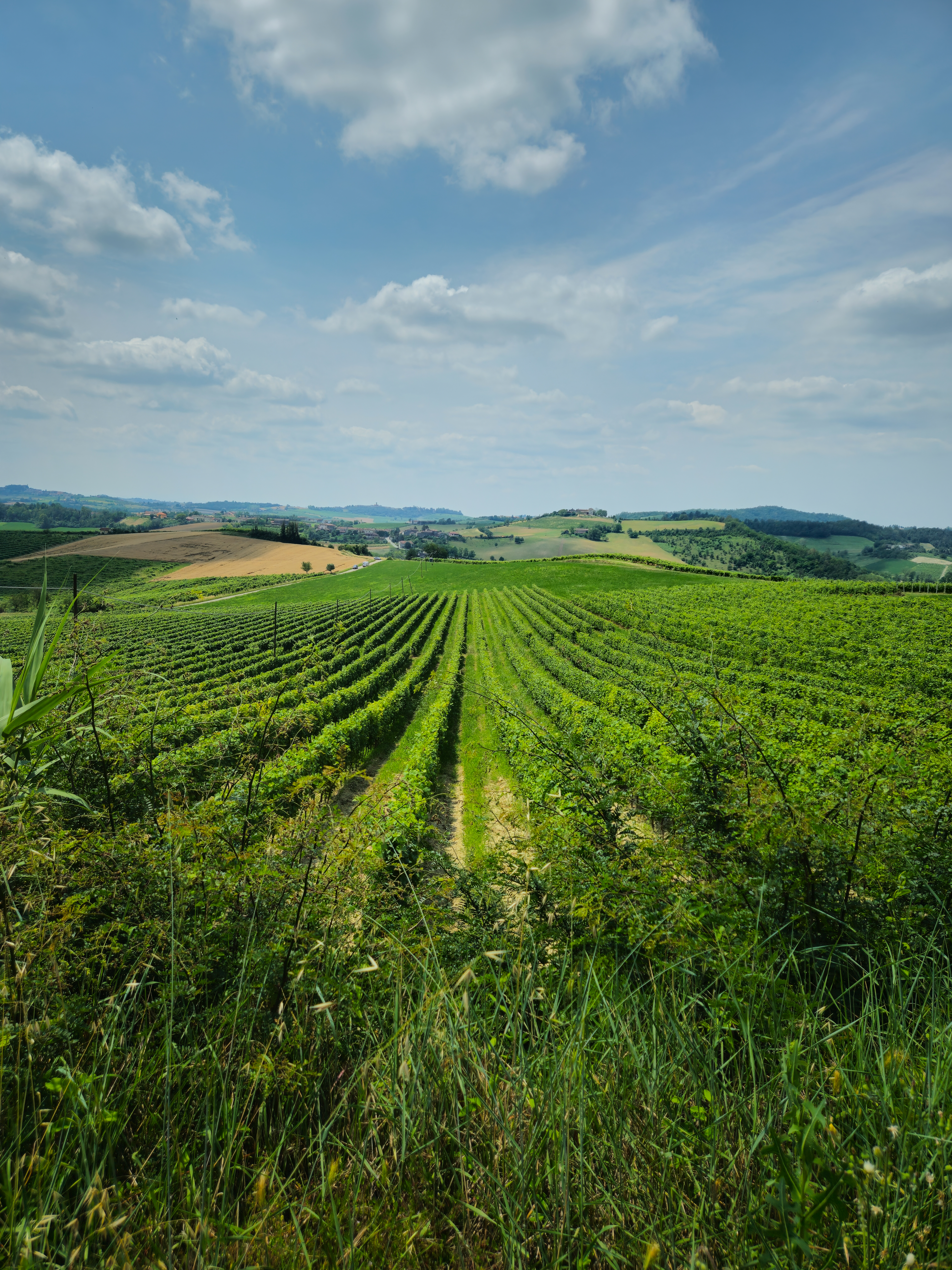
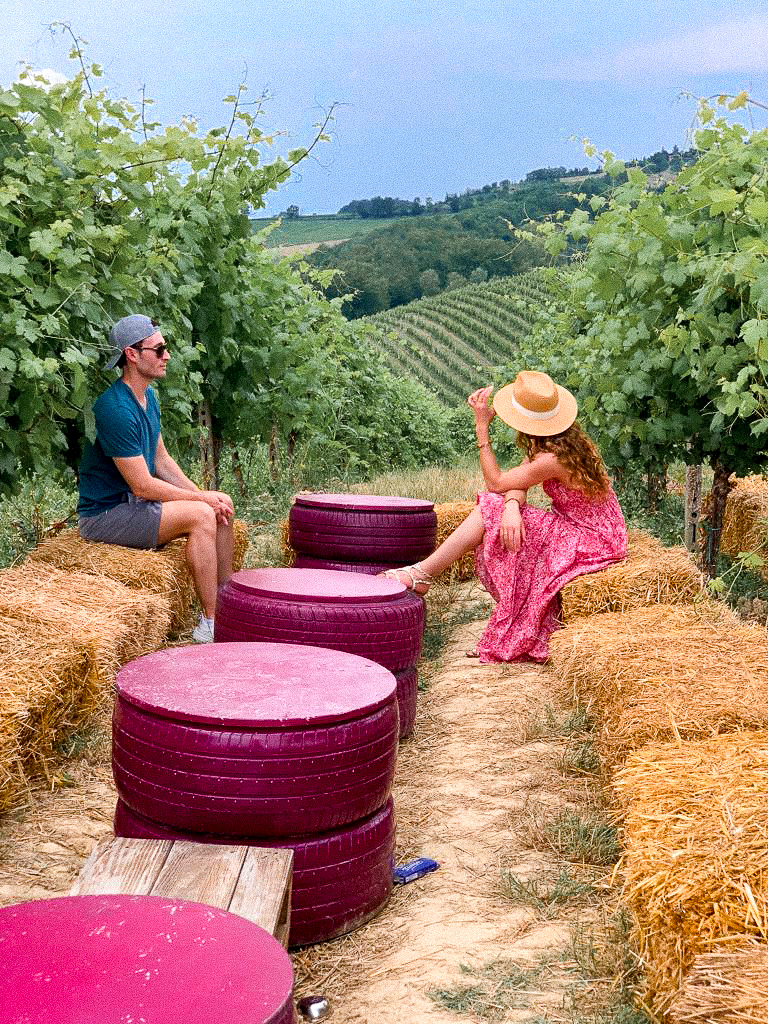
We returned the baskets to Coppo Giovanni and wandered through the vines. The winery offers more than just picnics—there’s AperiVigna, aperitivo at sunset right in the heart of their Barbera vineyards, and other seasonal events that bring the land of Cella Monte to life.
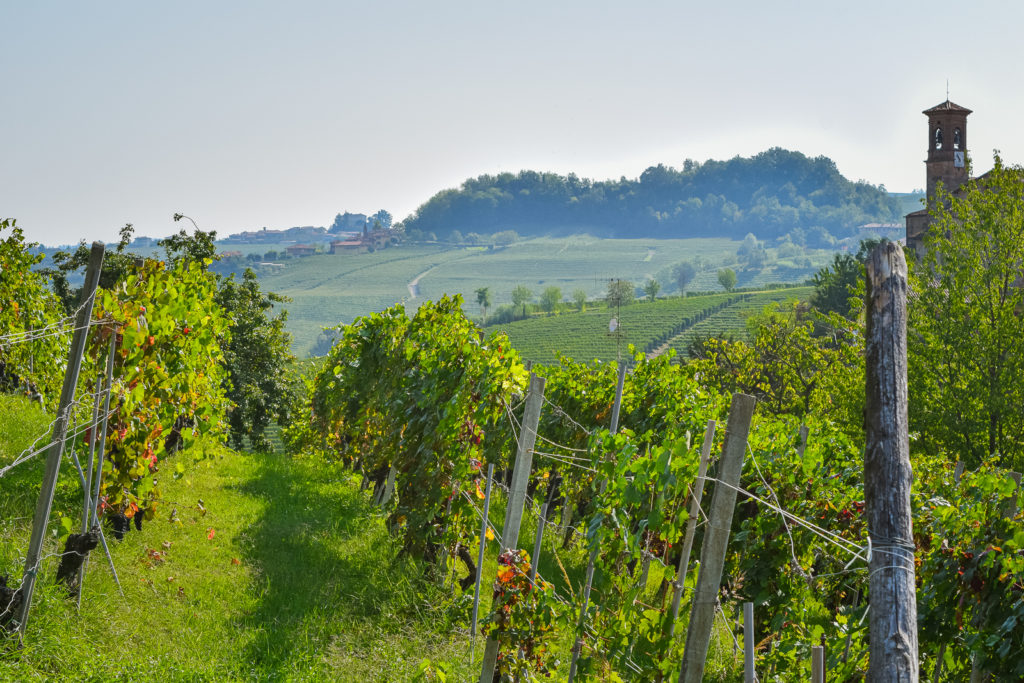
As the storm clouds that initially chased us from Lago Maggiore began to roll in over the hills, we made our way back—but not before one last adventure.
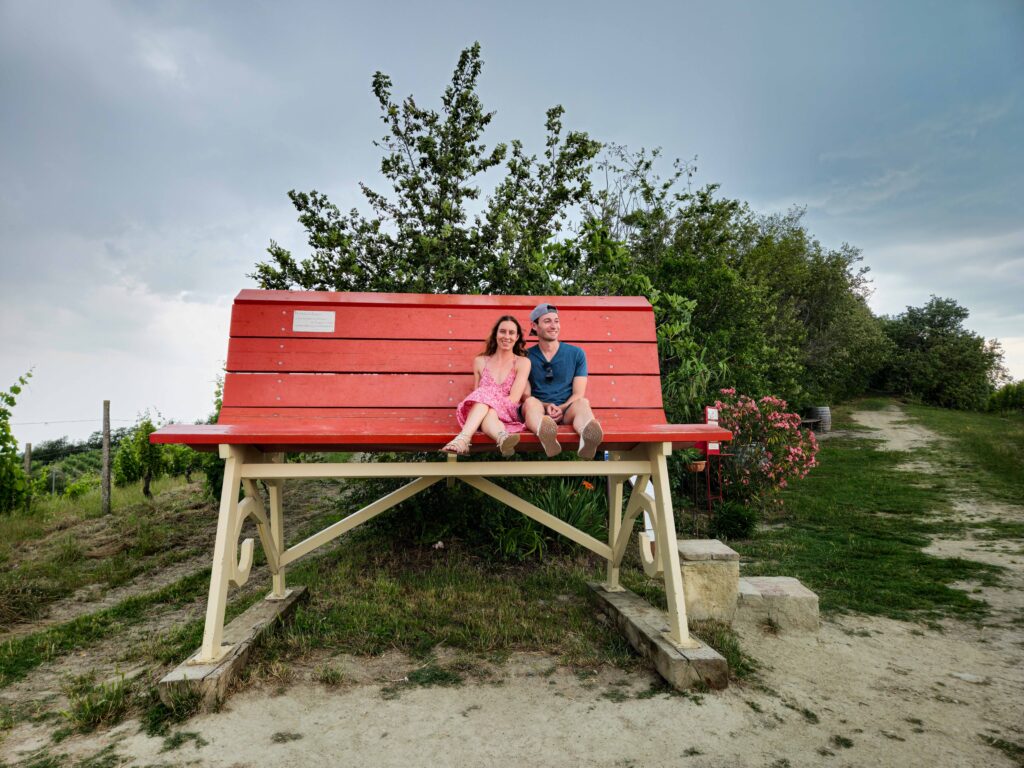
We followed the winding roads in search of the Big Benches—massive, colorful installations tucked into the rolling landscape. Started by American designer Chris Bangle in 2010, these oversized benches were meant to make visitors feel like kids again, feet dangling, hearts wide open, soaking in the vastness of the Langhe. The project has grown into a community initiative, supporting local artisans and tourism through handcrafted products and donation-funded installations. Anyone can sponsor one—or even build their own.
This was just one kind of day in the Langhe-Roero Monferrato. Tomorrow, it could be biking through the vineyards, tasting Barolo straight from the barrel, wandering the cobbled streets of Alba, or lingering in Neive, another gem tucked quietly between the vines.
And all of it? Just two hours from Lake Maggiore.