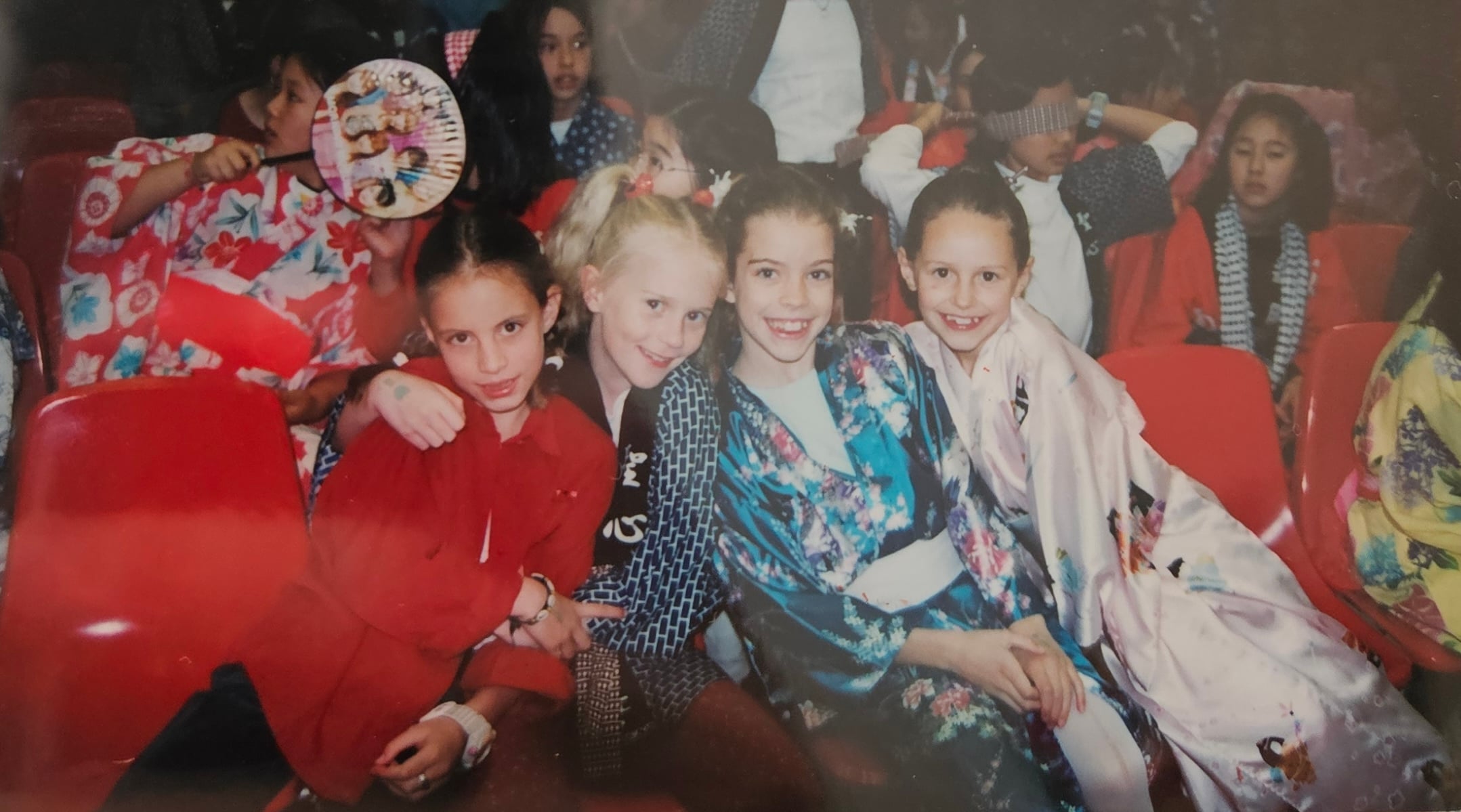
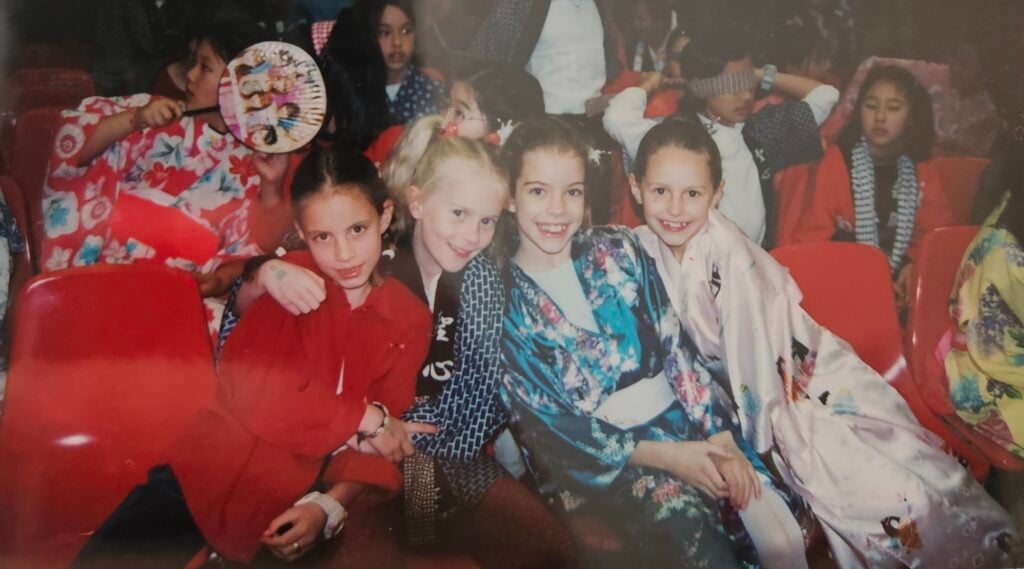
Japan is a place that defies easy description. Thousand-year-old shrines sit quietly in the shadow of neon skyscrapers, and a bowl of ramen can feel as revelatory as a Michelin-starred kaiseki dinner. I know this contrast well because Japan was home for 8 years of my childhood. I grew up in Tokyo, where my earliest memories are of onigiri for lunch, sushi and food-shaped erasers, and school field trips to temples older than entire countries. I returned 3 years ago for my honeymoon with my husband, and again this past spring with my mother and our six-month-old baby. Living in Japan as a foreigner, even for short visits, lets you see the country in layers: the place that shaped me, the romantic backdrop for our marriage, and now the wonderland where my daughter tried her first onsen.
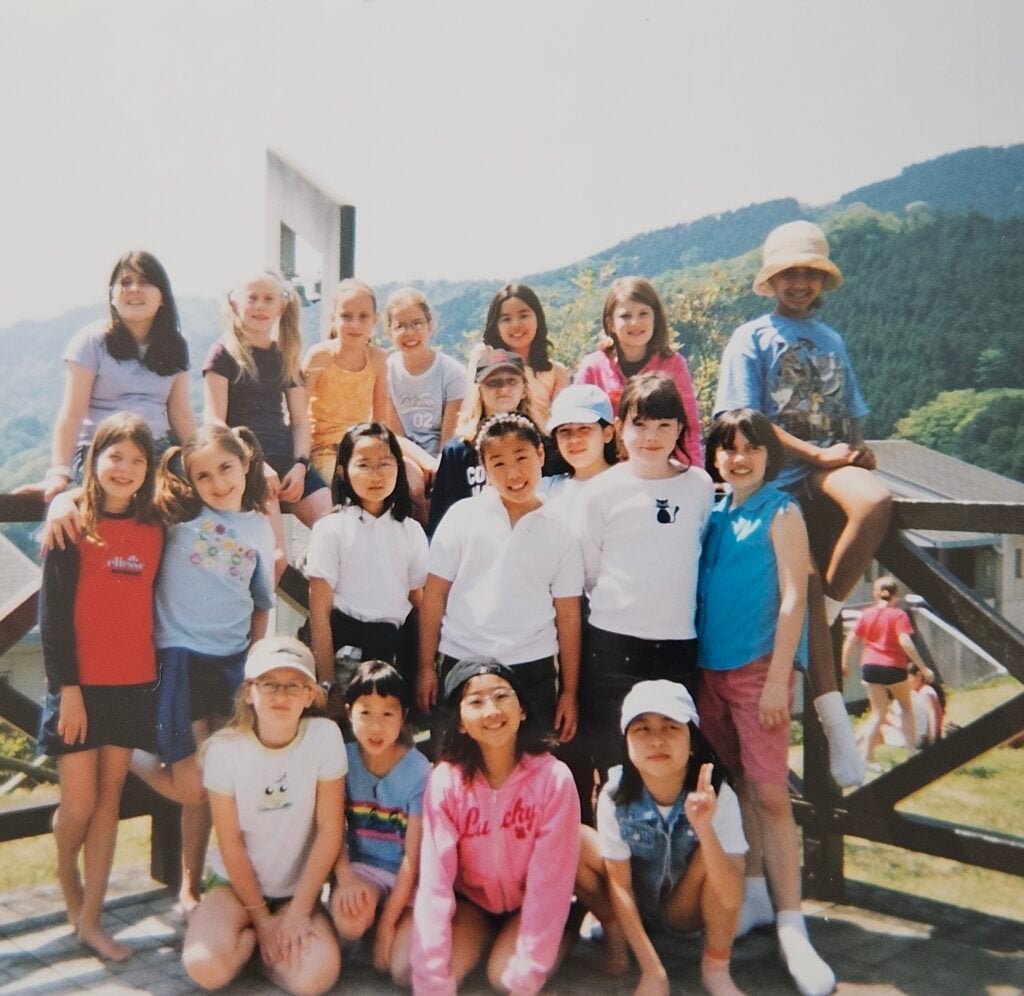
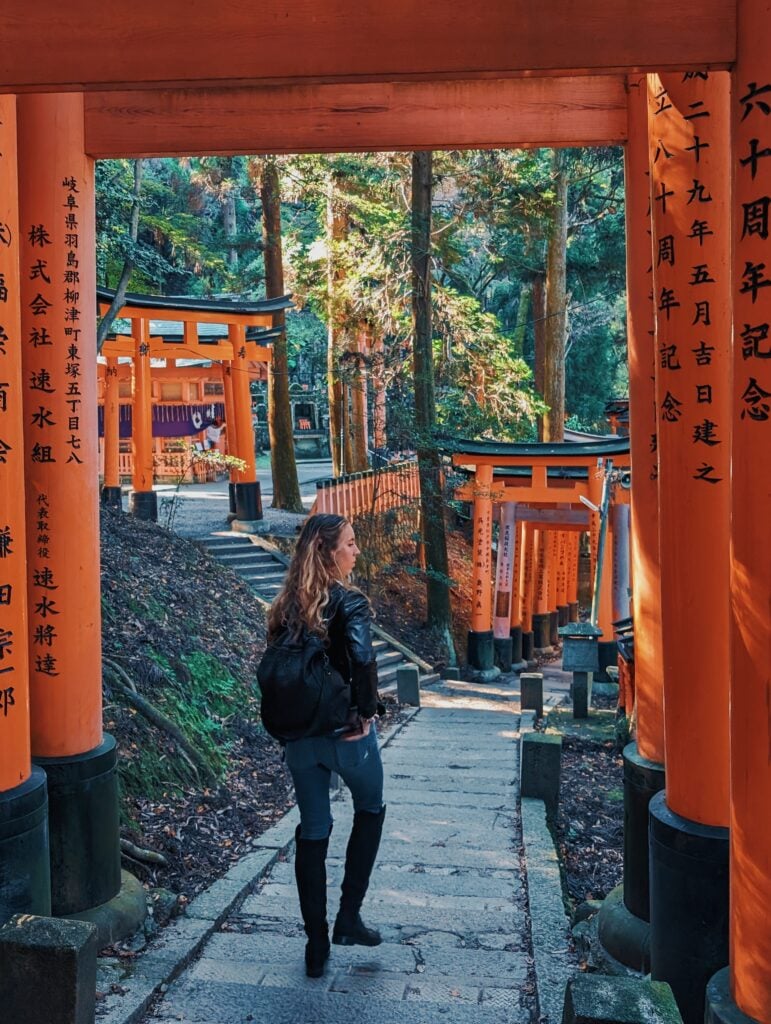
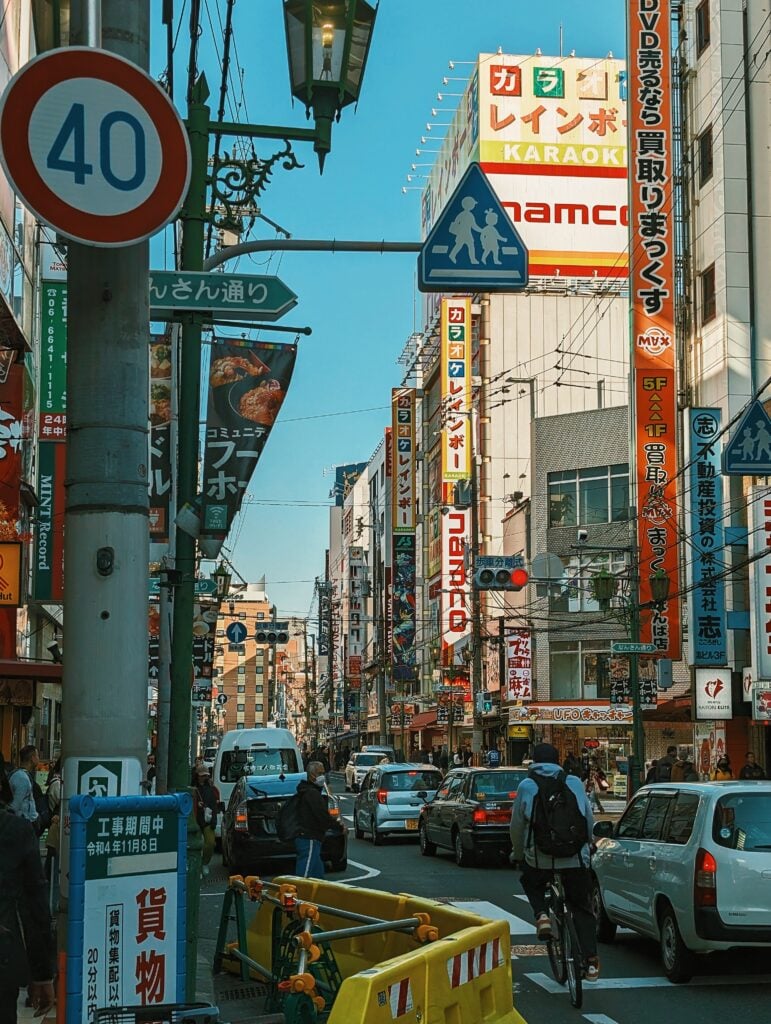

For anyone curious about living in Japan as a foreigner, one of the most immersive ways to experience the culture is by teaching English. I’ve seen it up close from my childhood at an international school in Tokyo (ISSH) to my husband’s cousin navigating life as a JET teacher. Teaching English or simply living in Japan isn’t just about work; it’s about building routines, forming connections, and experiencing the culture in ways even long-term travelers rarely do. Here are a few lessons I’ve carried with me from my time living in Japan as a foreigner, ones that stay long after the return flight home, and insights from Japan that shape your journey as an EFL teacher.
Lesson 1: Patience is a Superpower for Those Living in Japan as a Foreigner
If you’re used to quick decisions and fast responses, Japan’s system of rules and procedures can test your patience. I say this as someone who grew up Italian (where slow responses are practically a sport), lived in Japan (where slowness comes from doing things with exact precision), and now lives in the U.S. (where the pace finally feels like it matches me...fast, efficient, get-it-done).
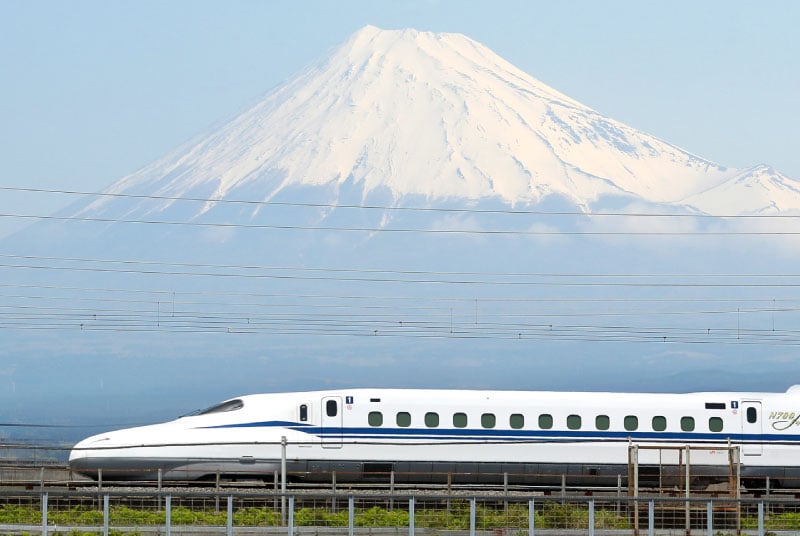
In Japan, though, the “delay” isn’t inefficiency; it’s intentional. Every step follows the exact procedure with no room for shortcuts. When I was there this spring, I forgot to scan my train pass on the way out of Tokyo Station, and by the time I arrived in Osaka, I was told my pass was “still in Tokyo” — and that I’d need to go back to fix it. Not exactly an option, but that’s Japan: the script is the script. Read more about navigating trains in Japan here.
That mindset shows up everywhere — order food at a restaurant and don’t even think about substitutions (“the customer is always right” doesn’t exist here); check out of a hotel at 10:00 and they’ll be at your door on the dot. Even taxi drivers, if they take a wrong turn, will pay you back for the inconvenience. It’s not about efficiency. It’s about exactness, fairness, and doing things properly.


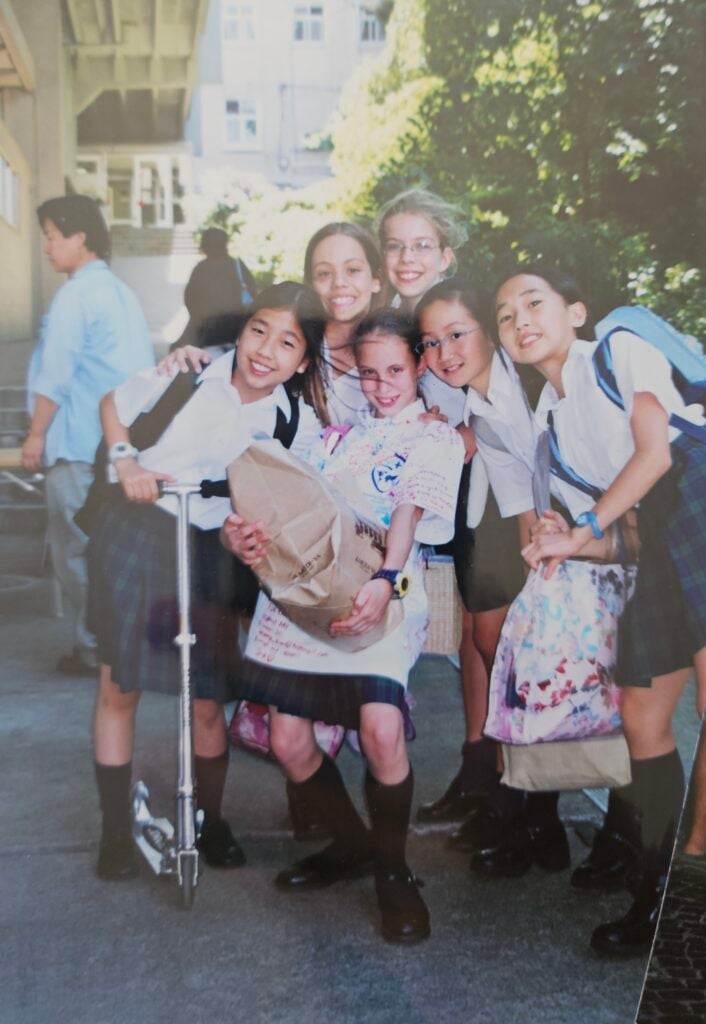
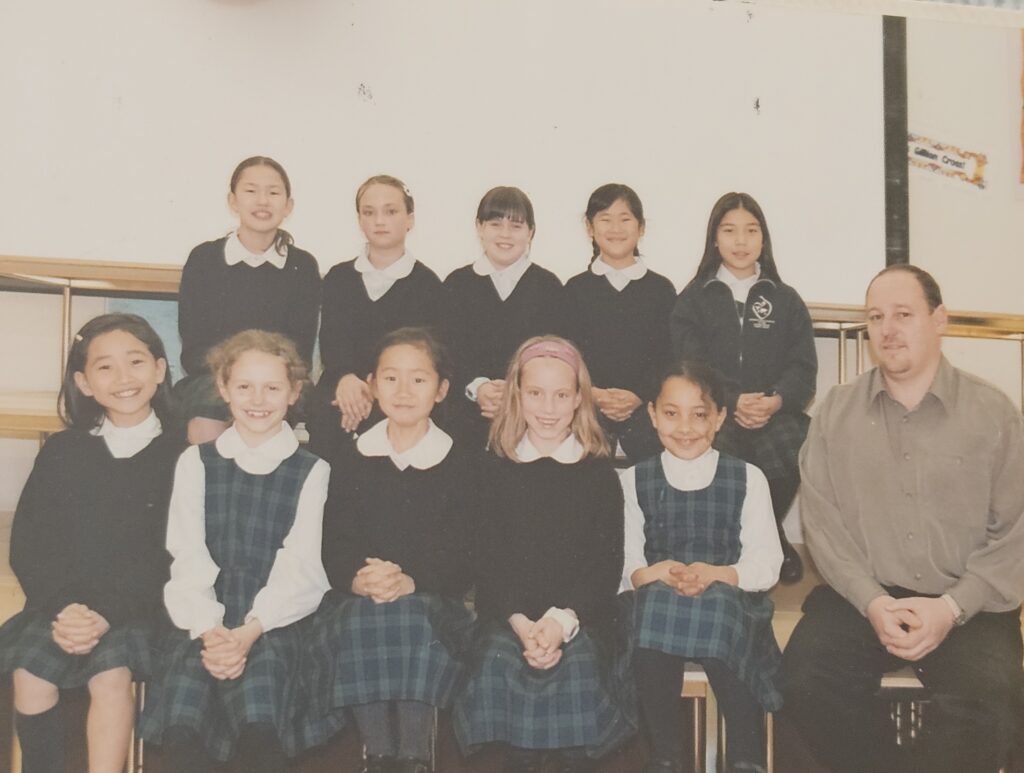
That same mindset carries into classrooms. Students may hesitate to speak until they feel certain of their answer. Their silence isn’t disengagement; it’s respect for getting things right. Friends who have taught in Japanese schools told me the same thing: learning to sit in the quiet, giving students time to process, and valuing steady progress over immediate results is part of teaching here and a lesson you carry beyond the classroom.
Lesson 2: Silence Speaks Volumes
One of the first cultural muscles I had to flex in Japan was learning to “read the air” — kuuki wo yomu. Directness isn’t the default. A phrase like “I’ll have to check with my supervisor” often really means “no,” and what isn’t said carries as much weight as the words themselves.
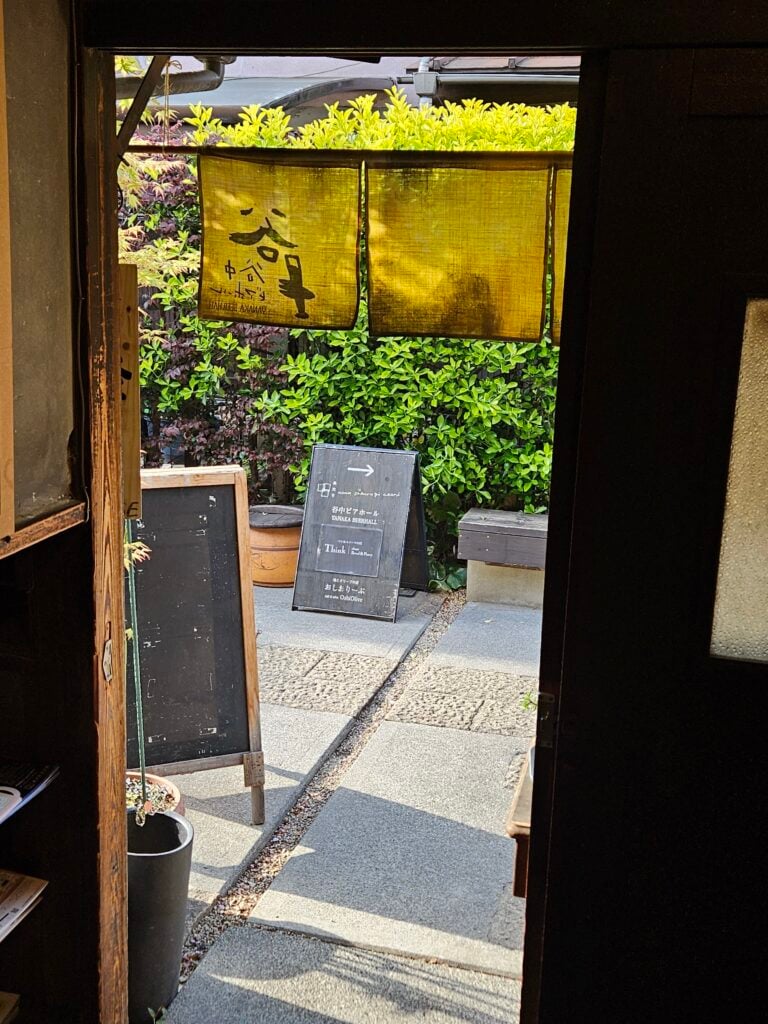
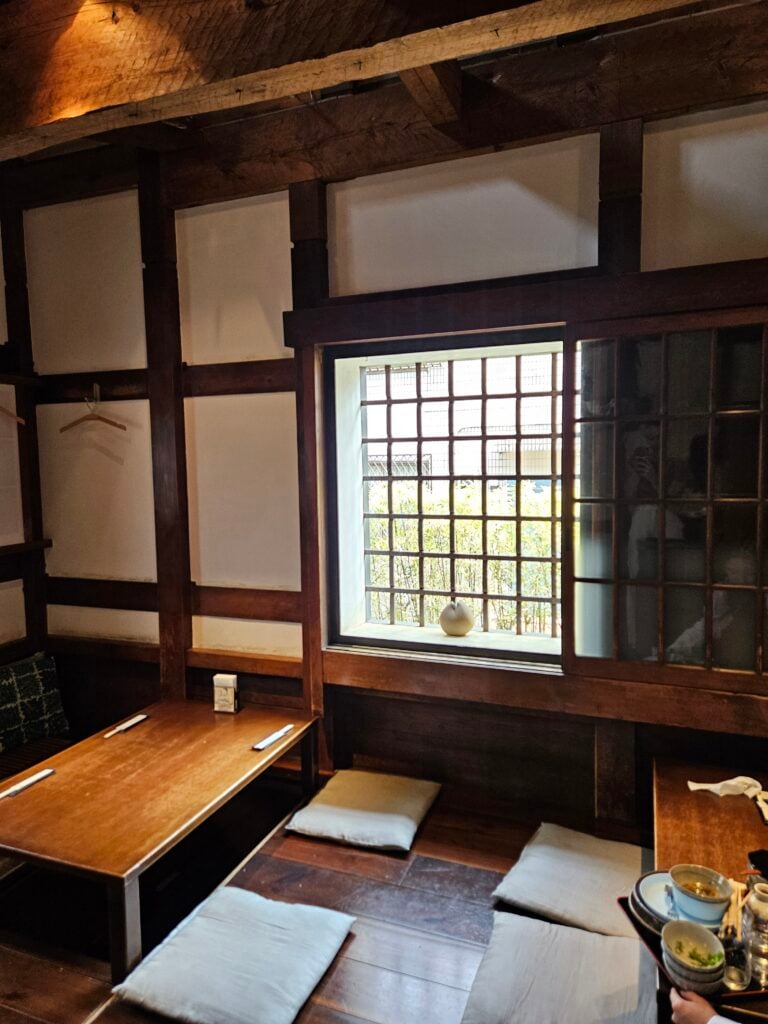
I remember walking into certain restaurants in Tokyo with my mom and Patrick, only to be politely told the place was “full.” The thing is, it was completely empty. That was the message delivered, with a smile, and while the words were polite, the meaning was clear. No one needed to spell it out.
It’s an adjustment when you’re used to cultures where “no” is said loudly, directly, sometimes with hand gestures (looking at you, Italy). In Japan, it’s about paying closer attention: to the silences, the pauses, the subtext. In Japanese schools youn see the same thing. In classrooms students may never say, "I don’t understand," but their hesitation, glances, or quietness speaks volumes. Tuning into these subtleties isn’t optional, it’s essential for living in Japan as a foreigner and for teaching effectively.
Lesson 3: Respect Is the Default
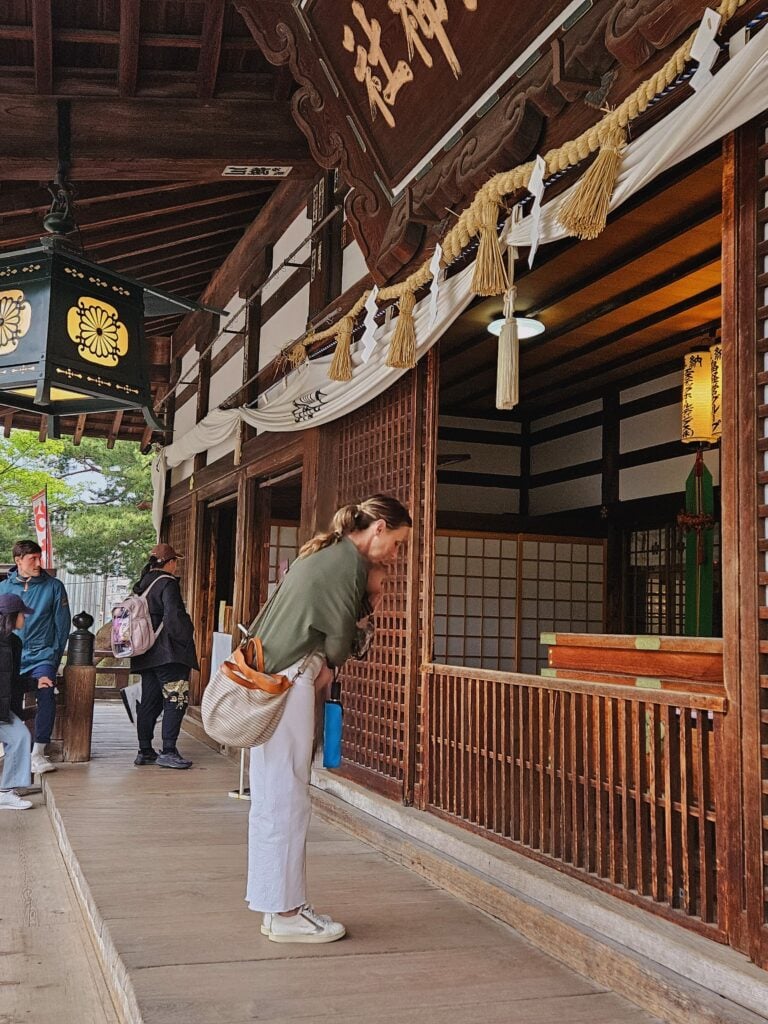
In many cultures, respect is something you earn. In Japan, it’s something you extend automatically. It’s the baseline. From bowing when greeting someone to the way business cards are presented with both hands, everyday life is threaded with rituals of consideration.
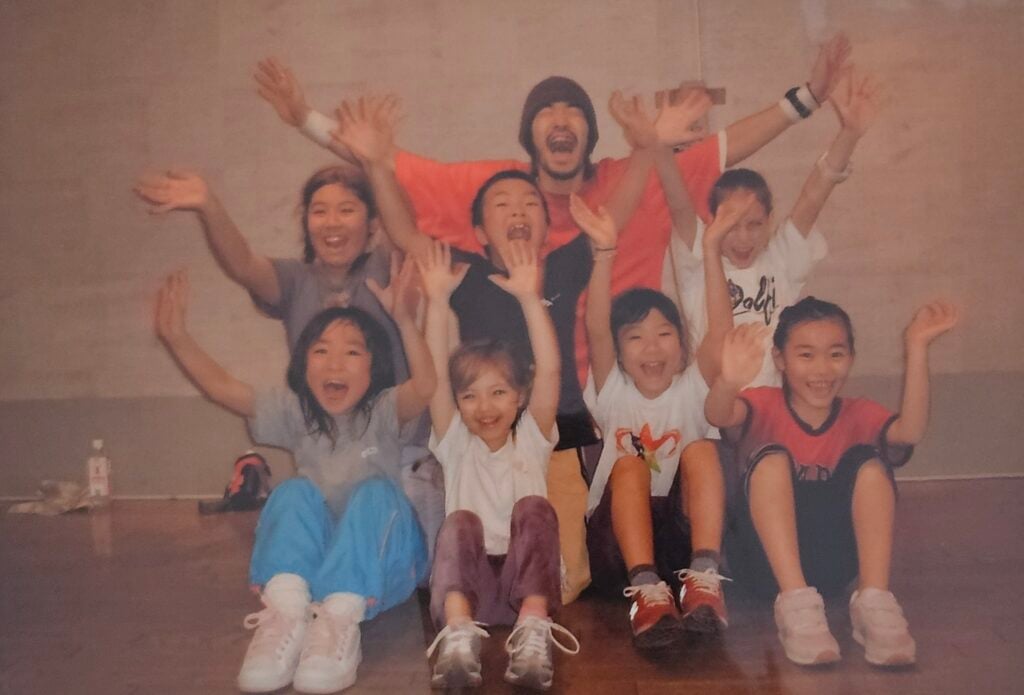
I saw this firsthand in my after school programs. My international school didn’t require bowing to teachers. Classes followed a more Western rhythm. But outside of that, in my swim lessons and dance classes with Japanese instructors, bowing at the beginning and end of class was non-negotiable. It wasn’t just formality; it set the tone, a physical reminder that learning is a shared act of respect between teacher and student.
That sense of respect is woven deeply into Japanese classrooms. Students bow at the start and close of each day, keep classrooms tidy, and show courtesy not because it’s enforced, but because it’s ingrained. For international teachers, small gestures like arriving early for a meeting or bringing a gift when invited to someone’s home are more than polite, they’re ways to sync with a culture where respect is lived, not negotiated.

Lesson 4: Flexibility is Everything for Those Living in Japan as a Foreigner
Living in Japan as a foreigner is exciting and sometimes surreal, but it comes with challenges:
- Work–Life Balance: Long working hours are common, even for teachers.
- Social Expectations: Staff dinners, seasonal parties, or after-work gatherings are common. Participating strengthens relationships, but setting boundaries is important.
- Living Conditions: Apartments are often smaller than expected, and separating rubbish into multiple categories takes some adjustment.
- Cost of Living: Especially in large cities, housing and imported goods can be expensive. I’ll never forget walking into a Tokyo grocery store and seeing 22 strawberries for $35. Potatoes and bananas? Sold individually, like prized gems. You don’t think about budgeting for “one potato” until you live in Japan.
- Language Barrier: Few locals speak English fluently, particularly outside urban areas. Even though the language can be intimidating, technology makes it less overwhelming. Google Translate becomes your secret weapon. I’d hover my phone over signs to read them instantly, or type in what I was trying to say to smooth over conversations. It’s not perfect, but it’s enough to get by.
- Natural Disasters: Earthquakes and typhoons are a reality, but safety measures are well established. At school, we practiced yearly in earthquake simulators. Years later, I felt a mini one again when visiting with my mom and Sibby this past spring. It was a sharp reminder of how suddenly the ground can shift beneath you.
- Culture Shock: The indirect communication, emphasis on harmony, and different social norms take time to navigate. Patience, joining expat communities, and immersing yourself in local culture help.
These challenges push you to adapt, think creatively, and solve problems in ways you might not have needed before, whether in the classroom or daily life.
Lessons That Stick
Living in Japan as a foreigner, whether teaching English or simply immersing yourself in daily life, rewires you. It’s not easy. Japan has a way of humbling you fast. But if your goal is to grow personally, professionally, and emotionally, it’s a road worth walking. The lessons you pick up — patience, respect, reading between the lines, adaptability — don’t stay behind when you leave. They seep into how you communicate, how you handle challenges, and even how you carry yourself in a room.
For teachers, these lessons echo long after you’ve left Japan, shaping how you guide students anywhere in the world. Japan leaves fingerprints on you that don’t wash off — and honestly, you don’t want them to.