The US is less of a country and more of a loud, sprawling, cinematic contradiction, which makes finding the right USA travel tips for international visitors essential for a smooth trip. Having lived in Tokyo, Hong Kong, and now back in my Connecticut-New York "loop," I’ve become the unofficial concierge for every European friend who lands at JFK thinking they can "wing it." But here is the truth from a professional travel planner: The US has become a "Digital-First Fortress." If you aren't connected the second you land, you aren't just a tourist; you're locked out. From bypassing two-hour airport lines to surviving the "Phantom Trains" of NYC, here are the things to know before visiting the USA to navigate the States like a local:
Tip 1: The MPC App: A Top USA Travel Tip for International Visitors
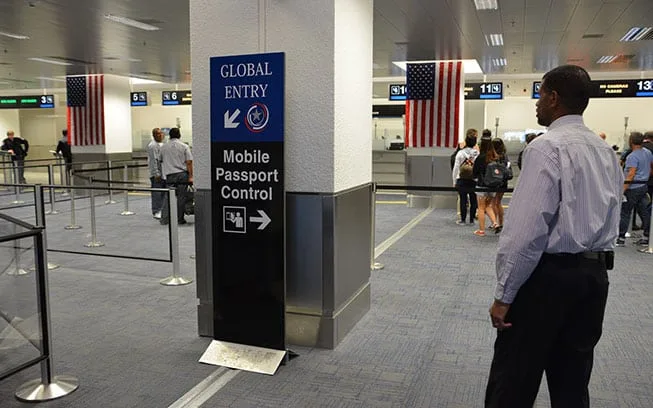
Most travelers land at JFK and resign themselves to the two-hour "Visitor" snake. Don't be that person.
Sveva’s Tip: Before you even reach the luggage carousel, use your data to open the Mobile Passport Control (MPC) app. It’s a free, government-authorized app that allows returning ESTA holders and certain visa types to bypass the traditional lines. While the rest of the plane is stuck in 1995, you’ll be breezing through a dedicated lane.
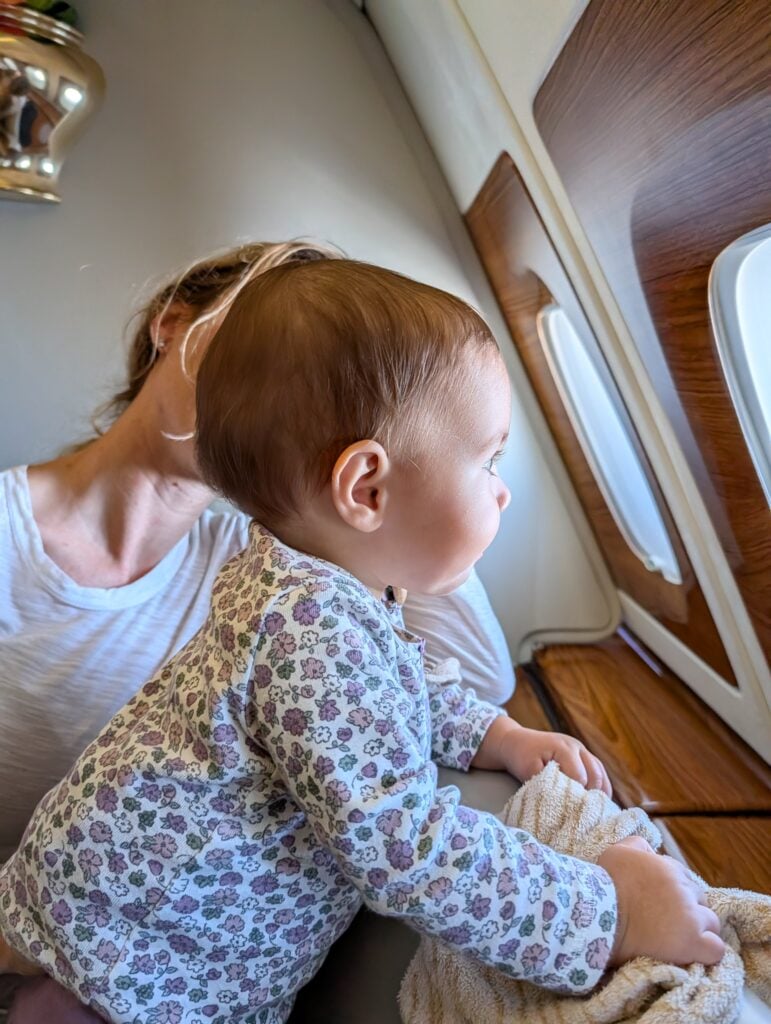
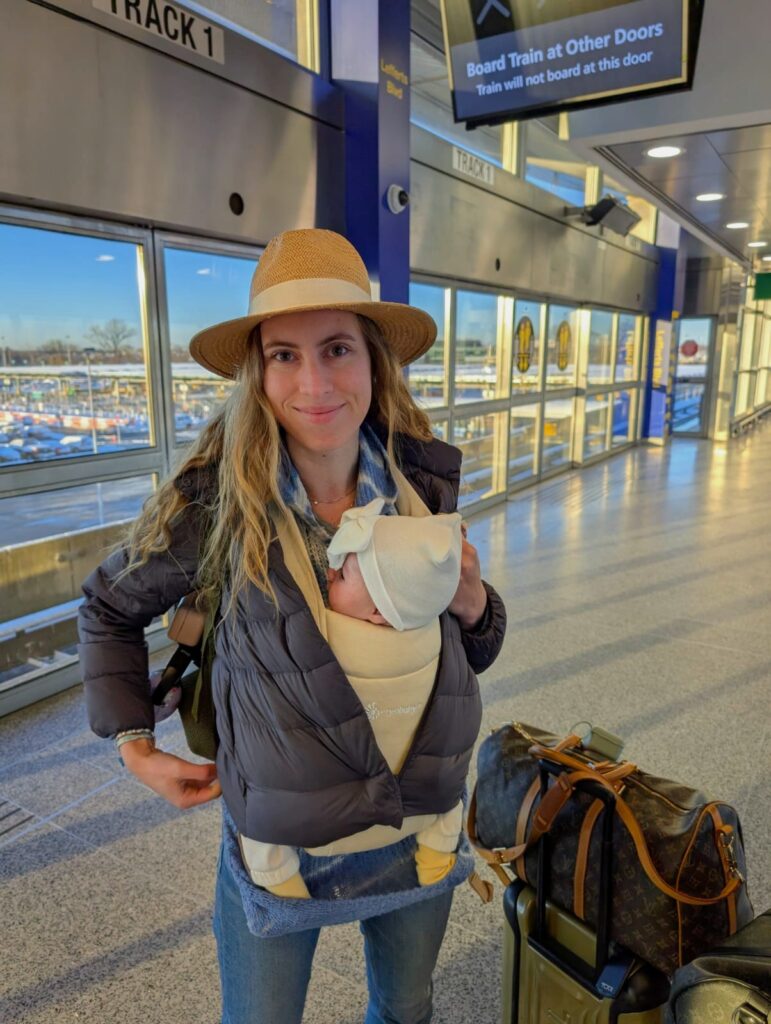
If you are traveling with kids, trust me, this is your absolute go-to move. Unlike Japan, Spain, or many other parts of the world, America doesn’t really do “family-friendly/kid-first” lines. We’re a bit behind in that sense. There is no special treatment for a tired toddler, so you have to create your own shortcut.
Tip 2: Why Connectivity is a Crucial Thing to Know Before Visiting the USA


I’ll never forget a friend visiting from Italy who arrived to a ghost of a welcome. Our mutual friend couldn’t pick her up... so he texted her a door code and told her to find her own way. There she was: no local SIM, no data, just the frantic "fun" of navigating JFK’s transit loops. My WhatsApp was a literal SOS of “Sveva, how do I get from JFK to Grand Central?” By the time she reached the apartment, she couldn't load the email with the door code. She was stuck on a stoop in Hudson Yards, staring at the glass towers, unable to even get inside.
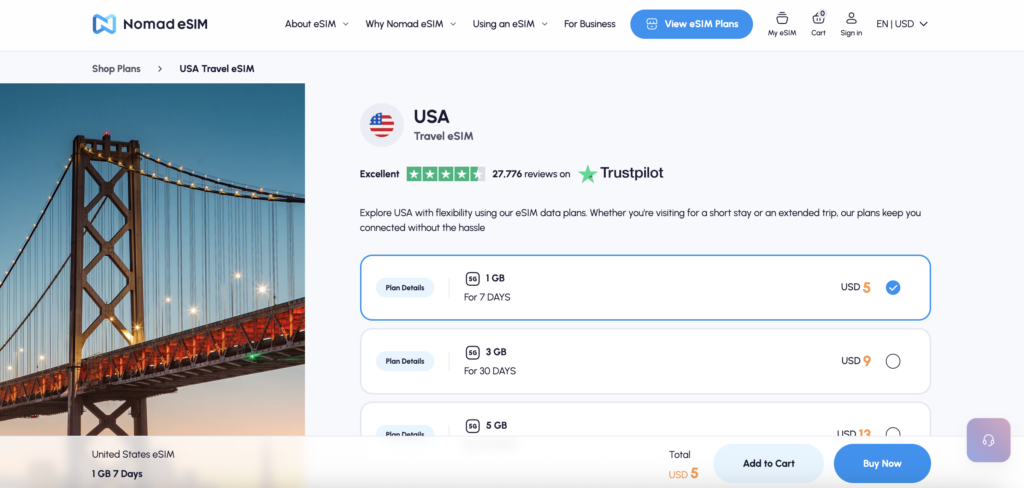
Sveva’s Tip: In the US, your phone is your physical key to everything: trains, museums, and even your hotel room. Because you must submit your photo and declaration the moment you land (and airport Wi-Fi is notoriously spotty) I recommend my international clients set up a United States travel eSIM from Nomad before leaving home. Having 5G the second the wheels touch the tarmac is your ticket out of the airport in twenty minutes while the queue behind you grows by 300 people.
Tip 3: Navigating Tipping Culture: An Essential USA Travel Tip
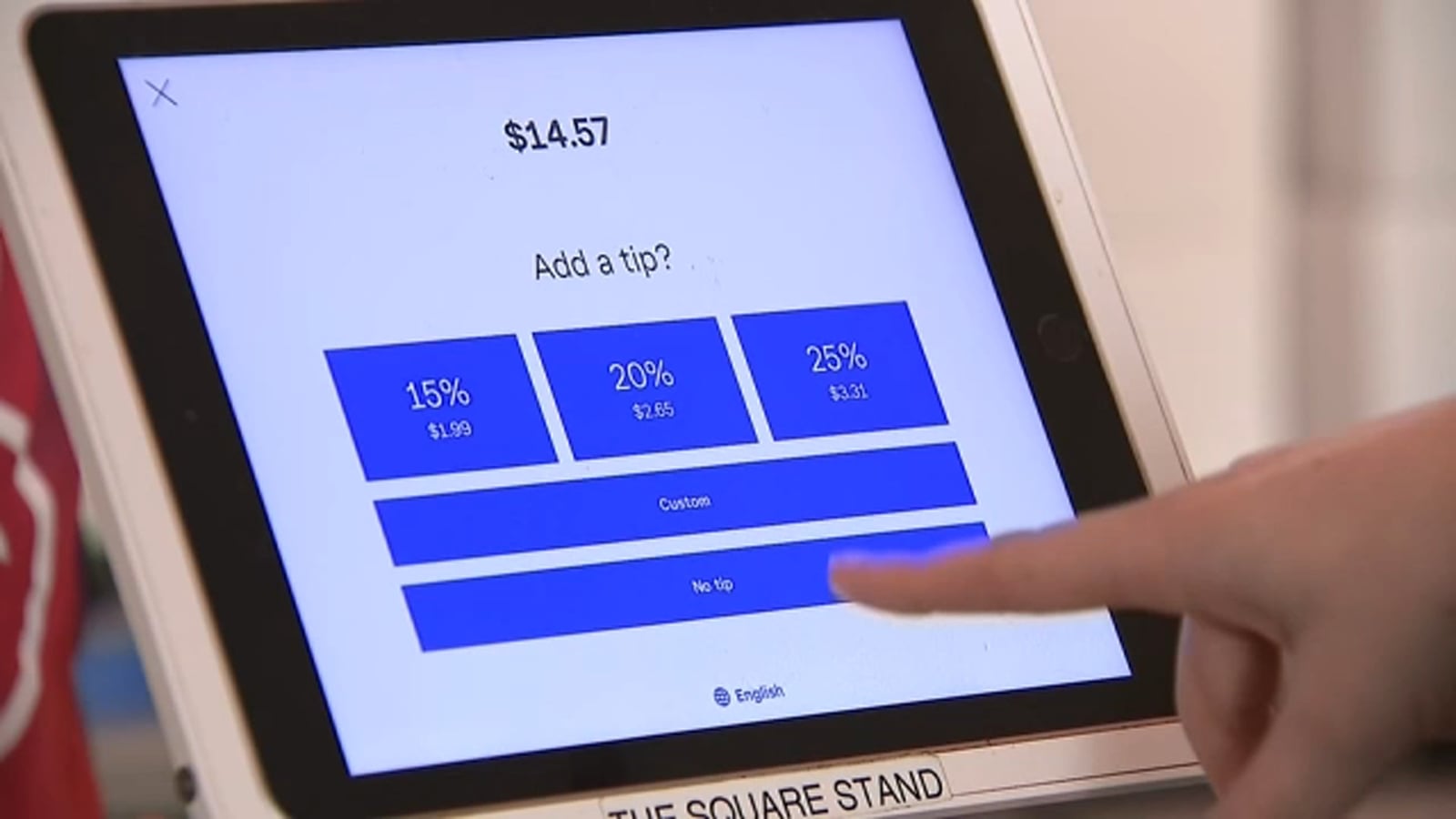
Tipping in the US is now 20-25%. However, there is a “tipping loophole.” New Yorkers rarely stand in line; we use apps to "Order Ahead" at our go-to lunch spots like Chipotle, Sweetgreen, or Starbucks. Use your data to order on the app. You skip the 20-person line, you skip the awkward 20% tip prompt, and you get a fresh meal for the actual menu price.
Sveva’s Tip: If you want the best "local" experience, try Cava. It’s the absolute favorite for New Yorkers during the workday, and for my European friends, it’s the best "first try.” It’s Mediterranean-inspired, fresh, and feels much closer to home than a standard burger.
Tip 4: USA Travel Tips for International Visitors with Kids
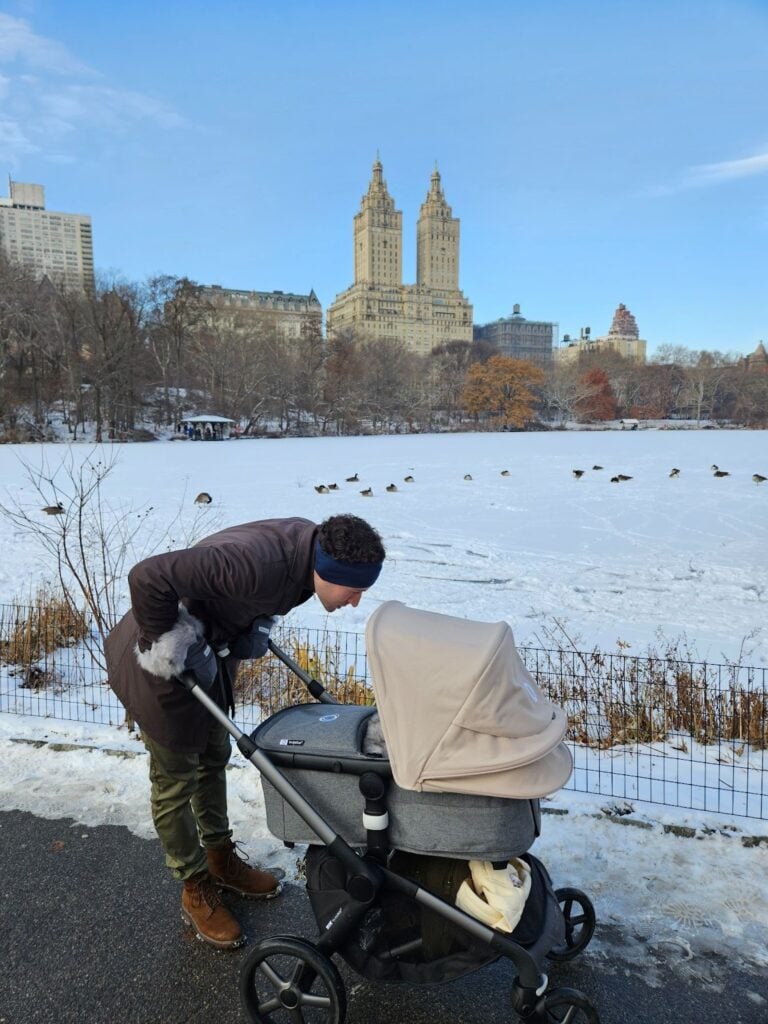
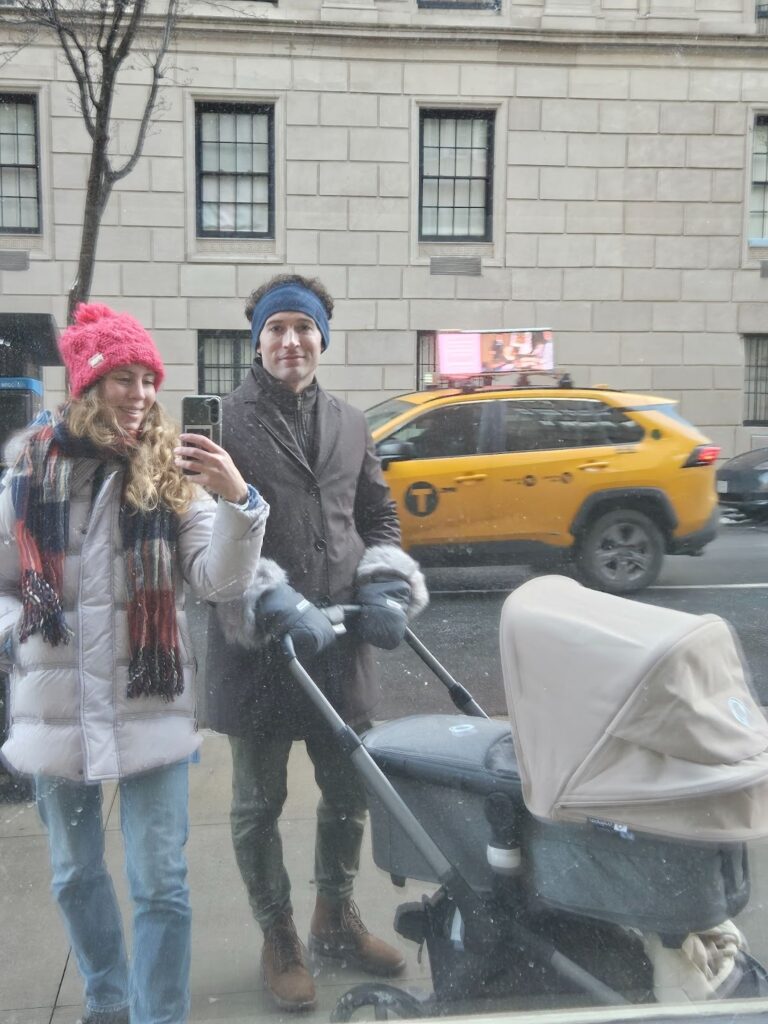

If you’re traveling with a baby, know that cities like NY and SF weren't exactly built with strollers in mind. In Japan, there are beautiful nursing rooms and apps for this; in NYC, it’s a scavenger hunt.
Sveva’s Tip: You need live data to scout your "safe harbors." If you’re in a pinch, I use Google Maps to find the nearest Starbucks, McDonald’s, or a major department store like Bloomingdale's or Macy’s. They are your best bets for a semi-clean changing table in an unforgiving concrete jungle.
Tip 5: NYC Transit Secrets: Things to Know Before Navigating the Subway
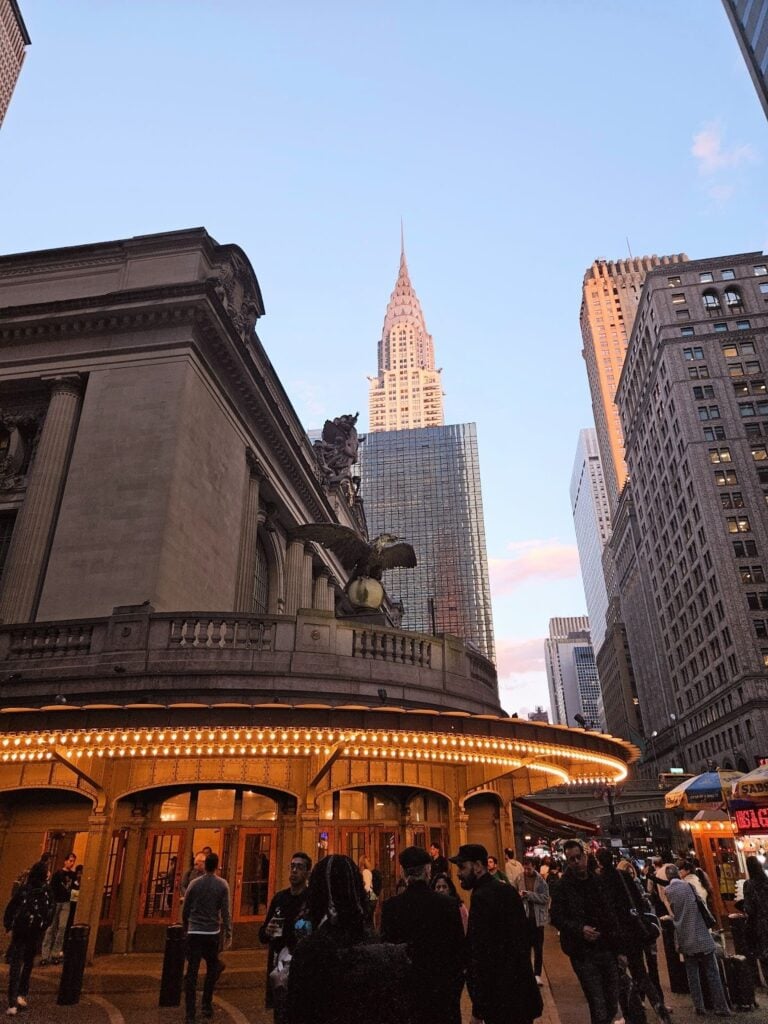
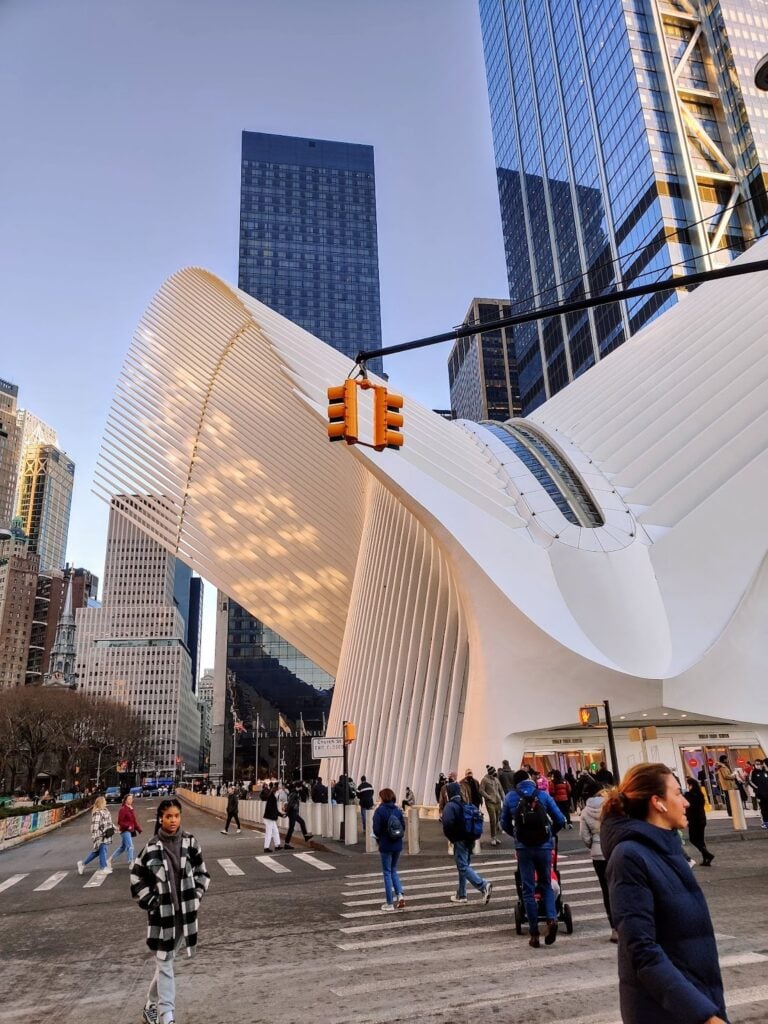
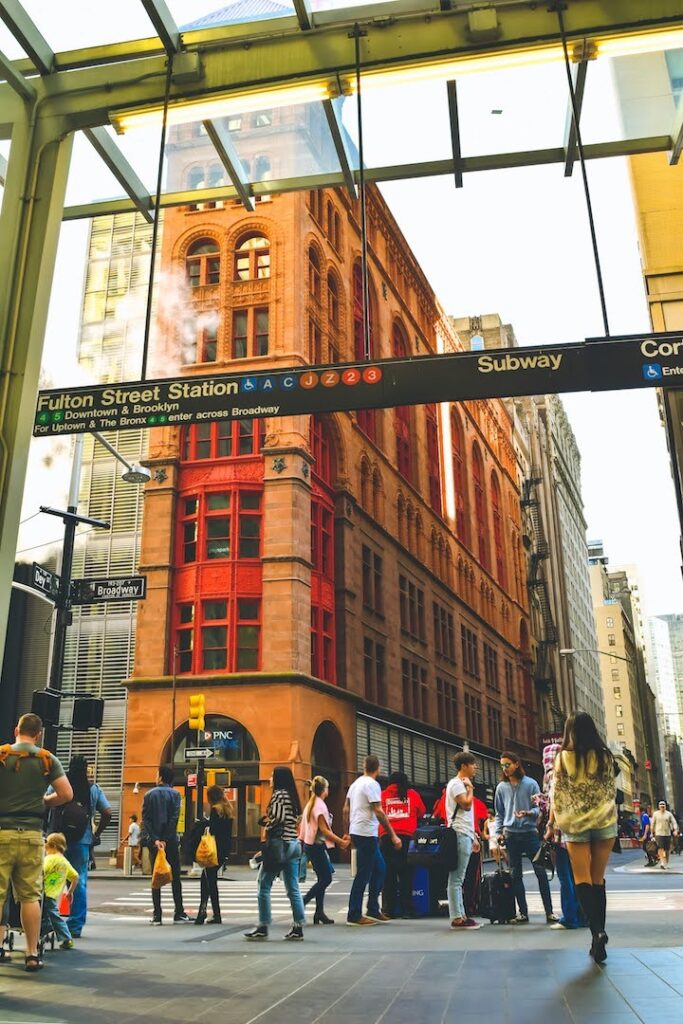
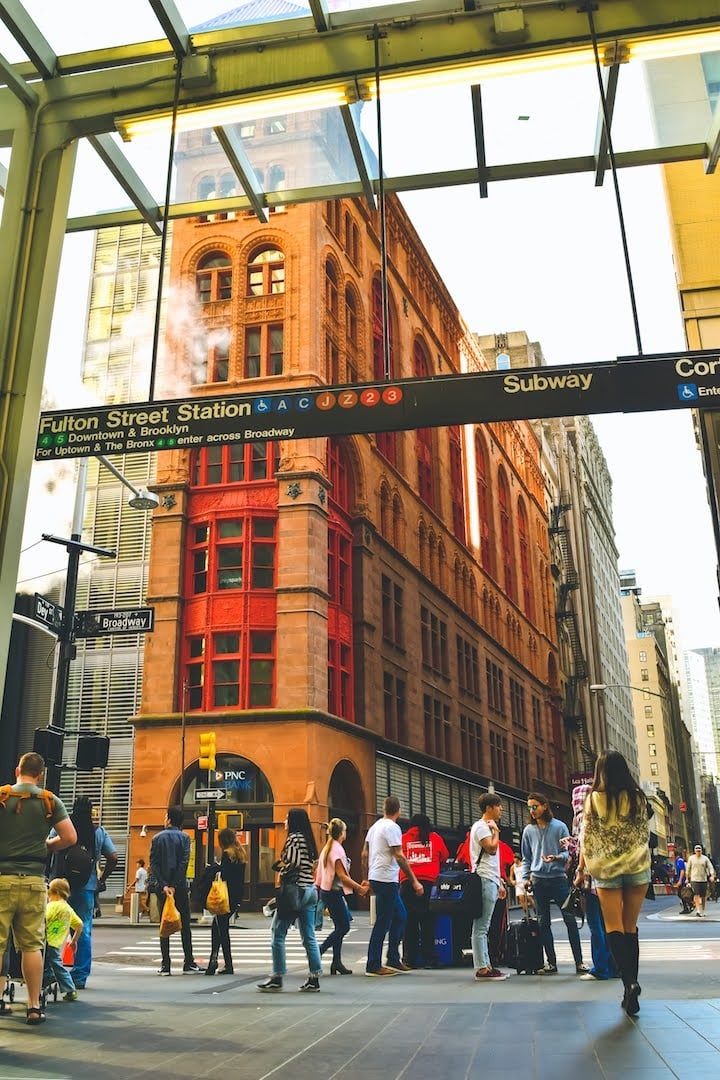
In cities like NYC, the subway is temperamental. You need to know before you're underground if the 4 train has stopped working entirely or if the L is no longer running for construction.
Sveva’s Tip: Google Maps is "optimistic." Locals use Citymapper. It is far superior for those "Phantom Train" moments where a line is running, but only every 20 minutes, at which point, it’s faster to just walk. Also, have your Apple/Google Wallet ready to "tap" before you reach the turnstile; the collective sigh from the New Yorkers behind a lagging phone is a sound you won't forget.
Tip 6: Using the "Blue Dot" Safety Compass as an International Visitor


The news makes the US look like the Wild West, but safety is really about "keeping your head up" and knowing your coordinates.
Sveva’s Tip: Stick to neighborhoods with a residential pulse: the Upper West Side, Upper East Side, or near Central Park. Avoid the sterile, chaotic "purgatory" areas like the Garment District, Penn Station, or the immediate vicinity of Madison Square Garden after dark. Having an active data connection is your best safety tool; you can always check your "blue dot" on the map to make sure you haven't accidentally wandered into a block that feels "off."
Tip 7: Understanding the Scale: A Key Thing to Know Before Visiting the USA

The scale here is something Europeans laugh at, until they’re staring at a red line on Waze. It may only be 100 miles from Greenwich to the Hamptons, but that’s a three-hour sentence in traffic. When Pat and I did our California road trip, we only covered a third of the state and still clocked 12+ hours of driving. In the US, distance is measured in hours, not miles.
Sveva’s Tip: We live in one of the worst traffic corridors in the country, Norwalk to Greenwich at 5:00 PM is a special kind of hell. But the "escape" is worth it. When my friends visit, we use our maps to navigate out of the grit and take the boat out to see the Manhattan skyline from the water, or head to Tod’s Point to see the city lights from the beach. It’s the only way to realize how massive and beautiful this place actually is.
Quick USA Survival Guide
To round out our USA travel tips for international visitors, keep these four “unspoken rules” in mind:
- Sales Tax: The price on the tag is not what you pay at the register. Sales tax (approx. 8-10%) is added at the end.
- Health Insurance: This is non-negotiable. A simple ER visit for a twisted ankle can cost $5,000. Never travel to the US without a comprehensive policy.
- Power Adapters: The US uses Type A and B plugs (two flat parallel pins) and a 120V system. Bring an adapter!
- Right on Red: In most of the US, you can legally turn right at a red light after a full stop. Exception: This is strictly illegal in New York City unless a sign specifically allows it.
Beyond the logistics, the best way to see the States is to find the "slow" in the fast pace. Grab a coffee, let your phone handle the directions, and actually look up at the gargoyles on the skyscrapers.
While this list covers the essential USA travel tips for international visitors, my personal "Svadore tip" for every trip is Nomad’s United States travel eSIM. It keeps you from being the person sitting on a suitcase in Hudson Yards and turns you into the traveler who already has their Cava bowl and their Metro-North ticket ready before the tourists even find the "Exit" sign.