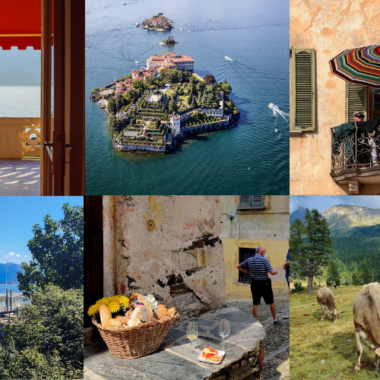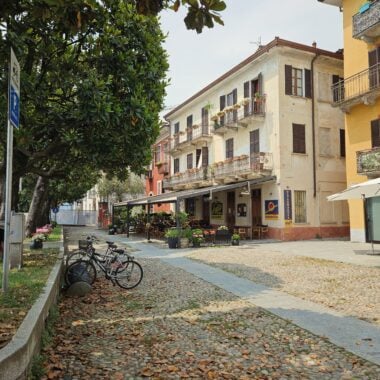
When most people hear “Lago Maggiore,” their minds immediately float to Stresa—like clockwork. Personally? It’s not the first place I think of. But I get it. It’s the kind of town that leaves an impression: all Belle Époque grandeur and Art Nouveau drama, its lakeside lined with ornate villas, old-money mansions, and hotels that whisper stories from a more gilded time. I tend to gravitate toward the quieter corners of the lake—places like Feriolo or Mergozzo, where the vibe is more laid-back espresso than champagne flute. But Stresa has its place in the story of Lago Maggiore. It's a rite of passage. A non-negotiable stop. The kind of place that insists on being seen—and frankly, deserves it. So if you're planning a visit—and you should—here’s what to know and what to expect, from someone who's spent over 30 summers exploring every curve of this lake and calls both Italy and America home.
History
Stresa wasn’t always the glamorous lakeside retreat it is today. It began, humbly, as a small fishing village—tucked quietly between the mountains and the water. But the tides began to turn in the Middle Ages, when powerful families like the Visconti and the Castello took control, eventually giving way to the Borromeo dynasty. And that’s when things started to shift.
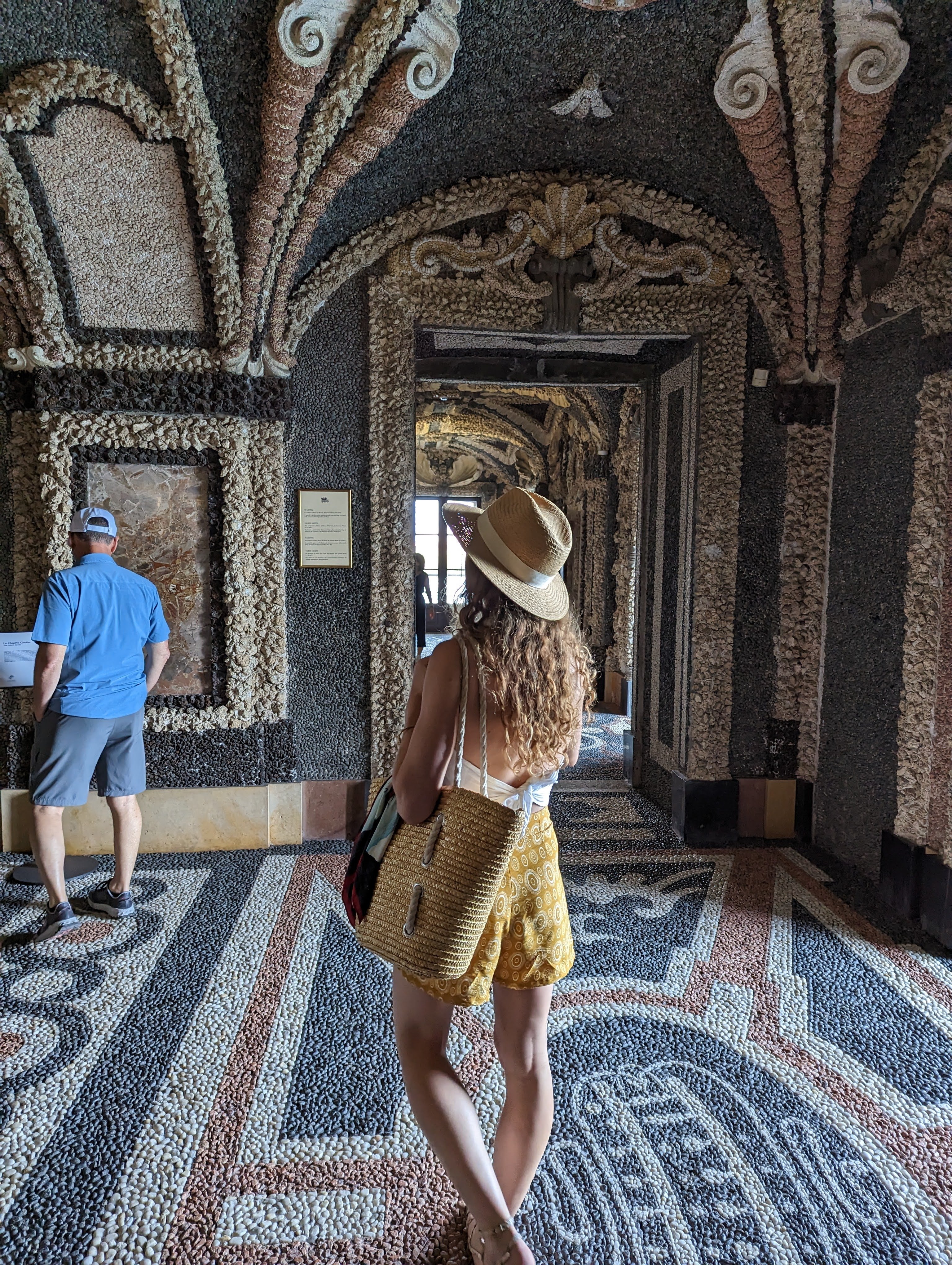
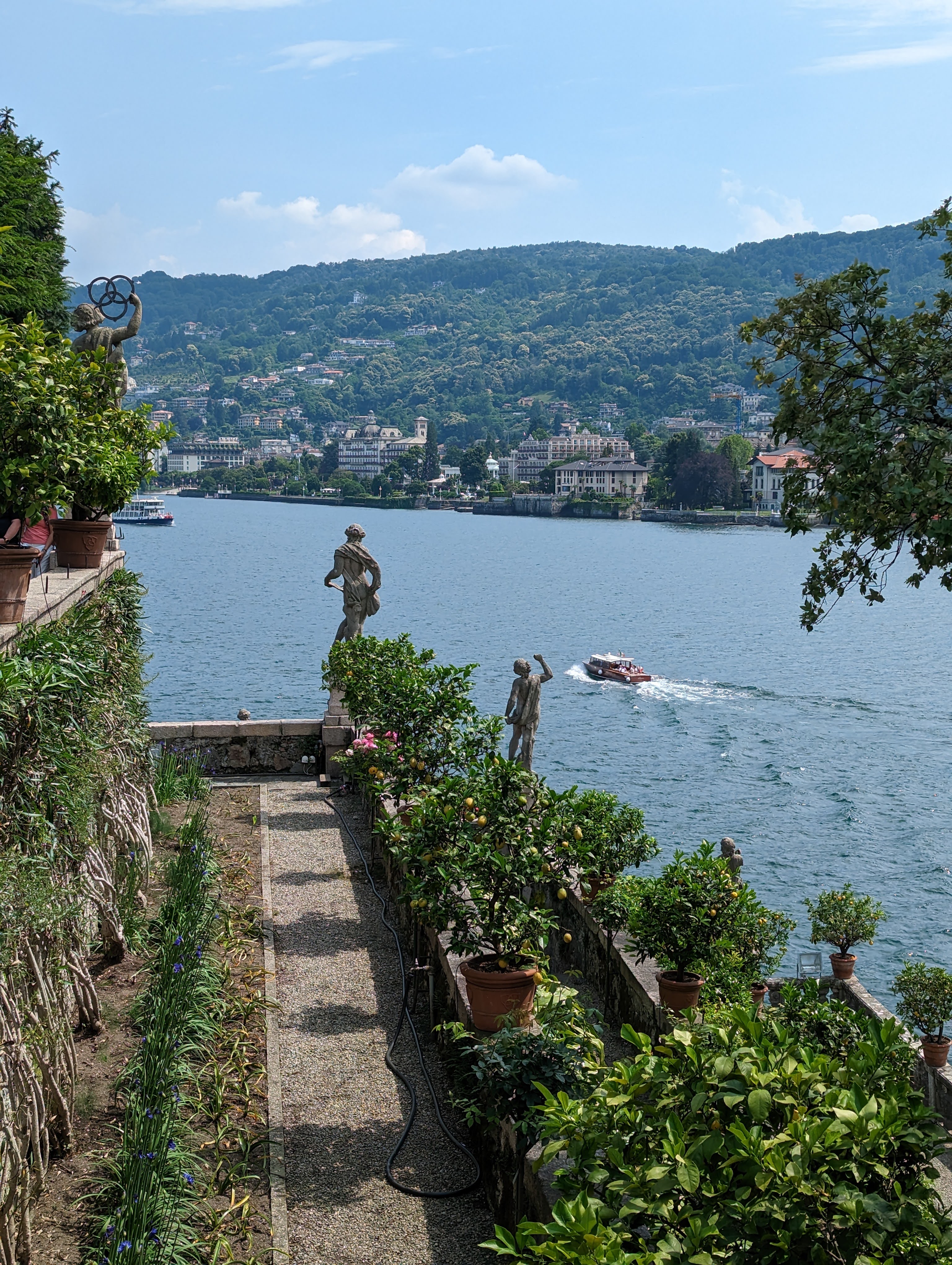
The Borromean family—never ones for subtlety—transformed nearby islands into masterpieces. Think opulent palaces and baroque gardens on Isola Bella and Isola Madre, designed to impress and inspire. A renaissance of beauty and intrigue rippled across the lake, and people took notice. By the 1800s, even Casa Savoia couldn’t resist the allure. They arrived with vision and deep pockets, erecting grand villas that still line the lakefront today. As railways stitched Europe together, Stresa became a scenic stopover on the routes from London, Paris, and Milan. Writers, thinkers, and travelers followed—pausing just long enough to be seduced by the light on the lake and the spell Stresa quietly casts.
What to Do & See in Stresa
Let’s not start with the obvious. Yes, the Borromean Islands are the crown jewels of Lago Maggiore—but we’ll save those for later. First, I want to talk about Stresa itself. The town. The texture. The quiet corners that often get overshadowed by palace daydreams and island-hopping plans. Because before you float away to Isola Bella, you should really get to know the land you’re launching from.
1. Margheritine di Stresa
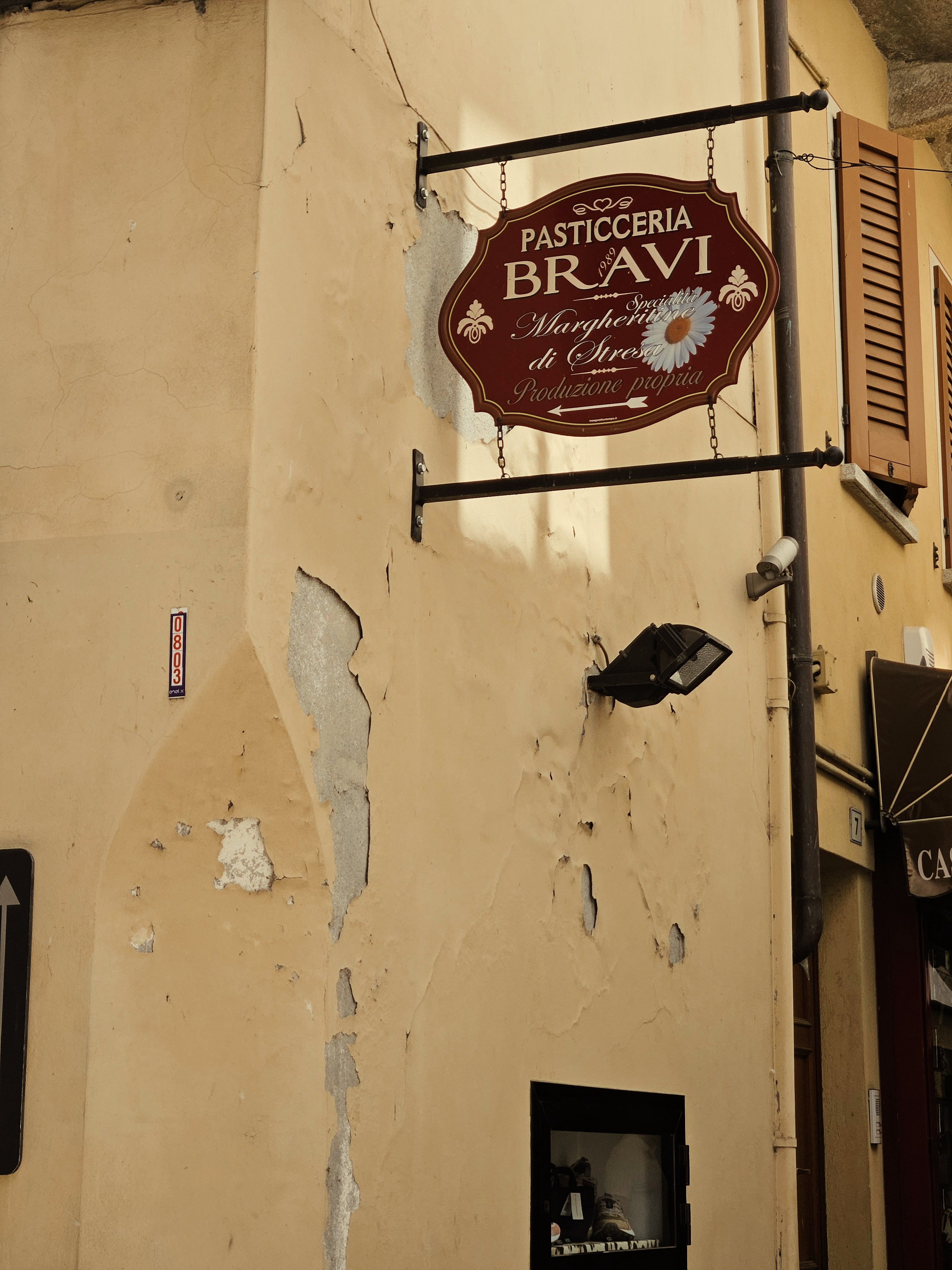
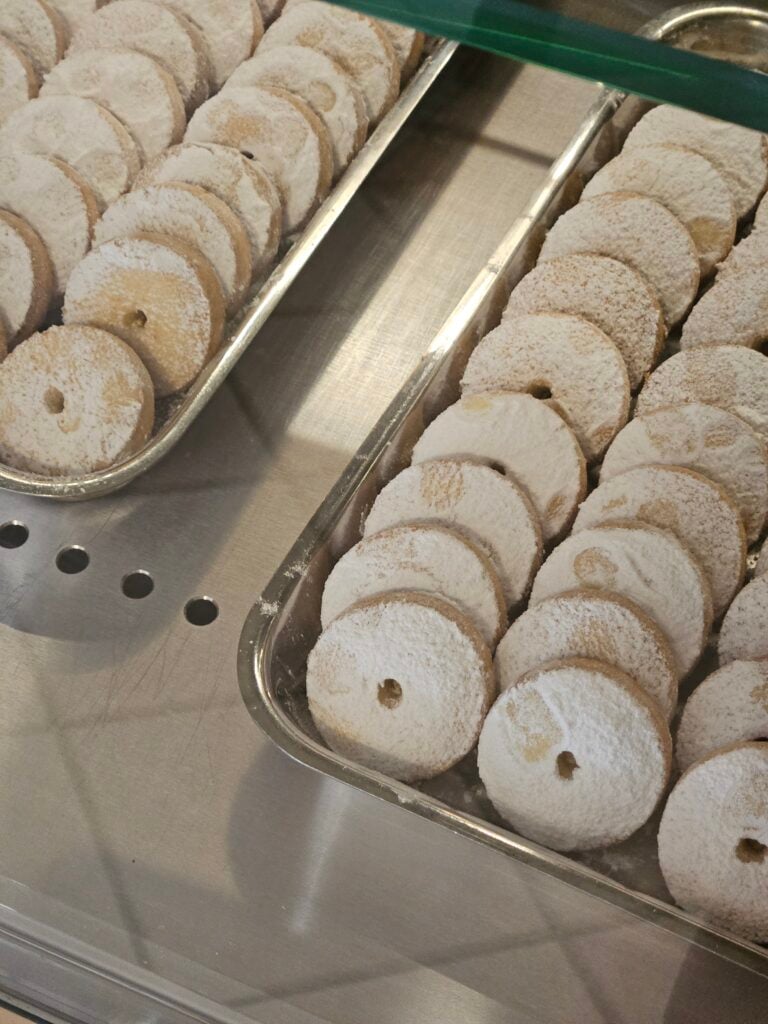
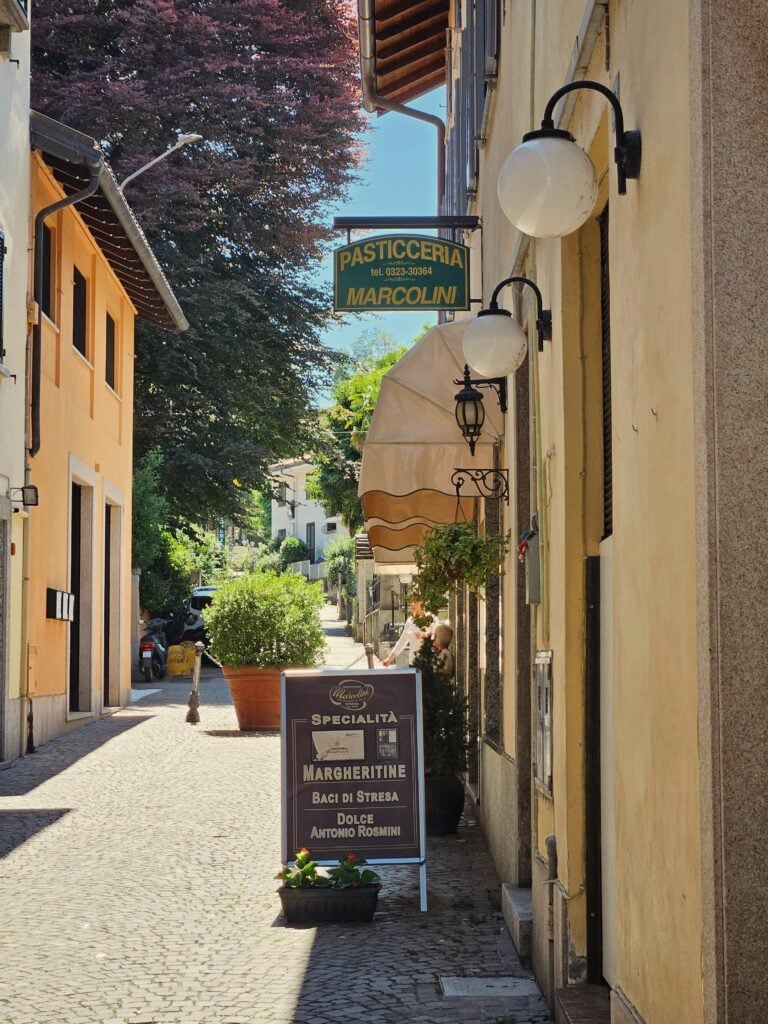
No trip to Stresa is complete without a bite—or three—of Margheritine di Stresa. You’ll find them in pastry shops all around Lago Maggiore, but their story begins right here, tucked into the elegant folds of 19th-century royalty.
Back in the mid-1800s, Princess Elisabetta of Saxony—Duchess of Genoa—and her daughter, young Margherita, would summer at Villa Ducale in Stresa .For Margherita’s first communion, a local pastry chef, Pietro Antonio Bolongaro, crafted a delicate biscuit in her honor: light, buttery, melt-on-your-tongue shortbread infused with lemon zest and vanilla, dusted just so with icing sugar. The kind of cookie that tastes like a kiss from the Alps.
The princess was so enamored with them that, when Margherita later became Queen of Italy, she declared these humble biscuits the official sweet of the Royal House for Ferragosto, Italy’s beloved mid-August holiday.
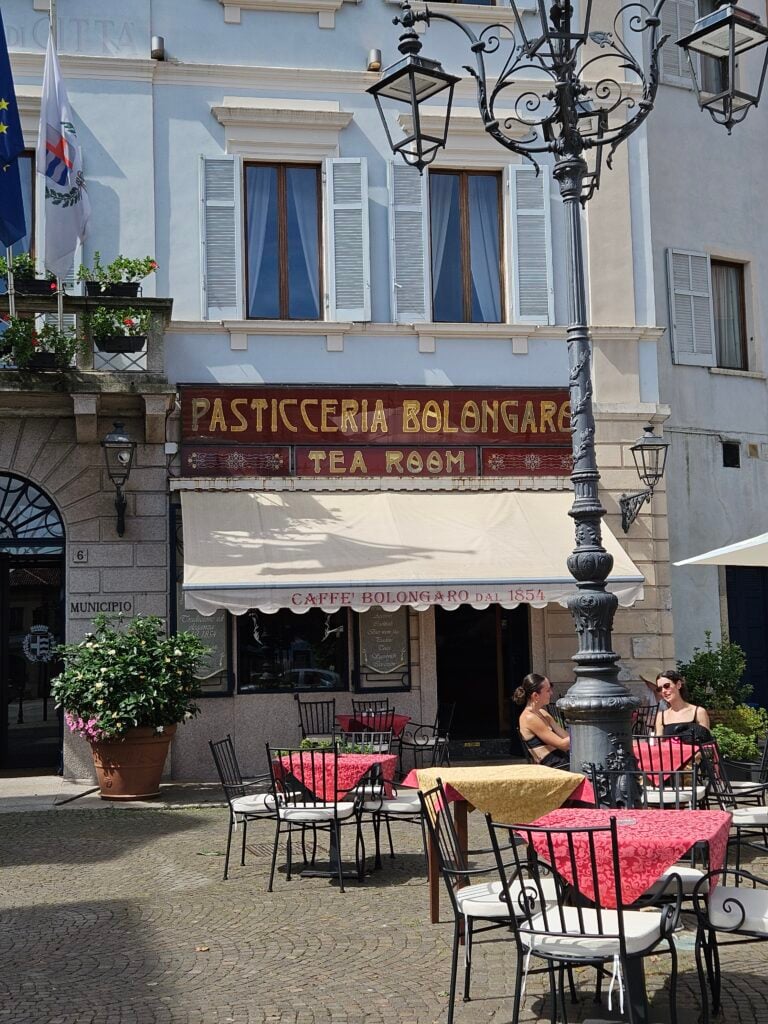
While you can find them in souvenir shops, there is only one historical pasticceria, the original, where they still use the 19th-century recipe. I’ve pinned this exact, old-school bakery in my Lago Maggiore Google Map so you can taste history without the "tourist" aftertaste.
2. Walk down Il Lungolago - the lakefront
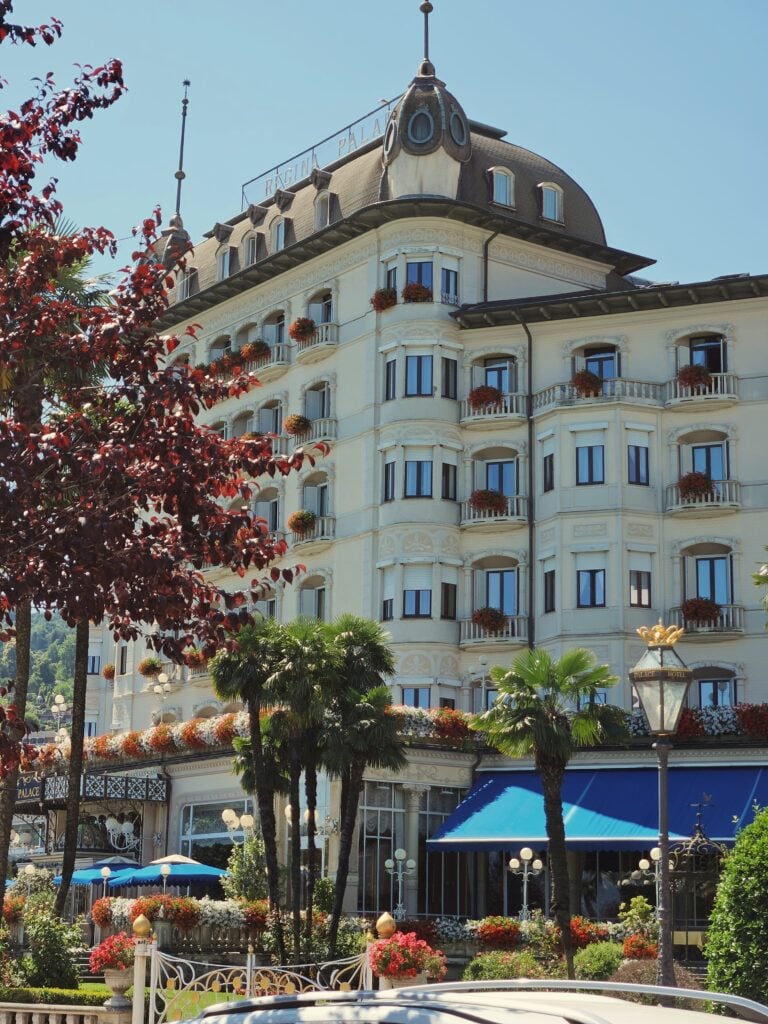
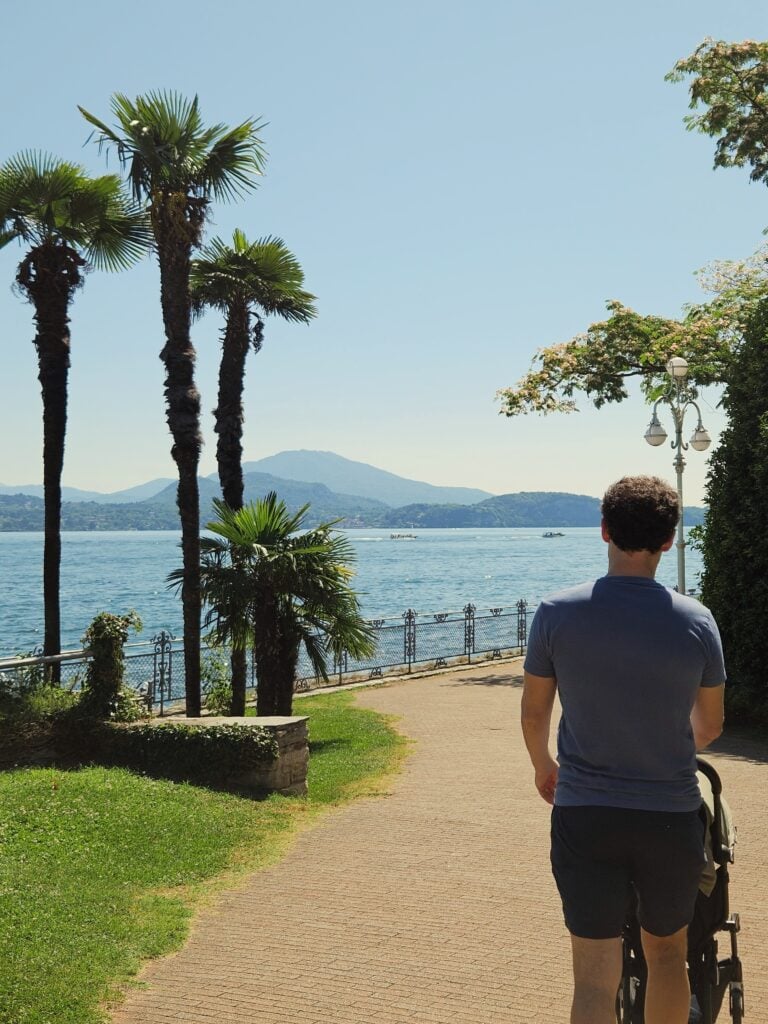
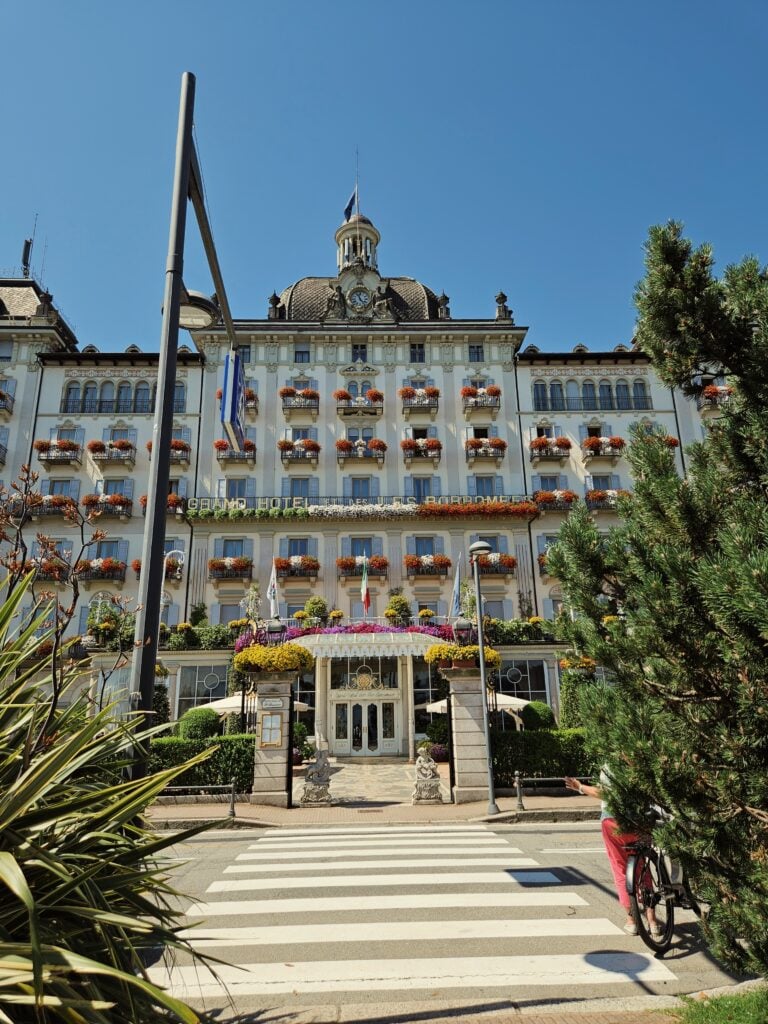
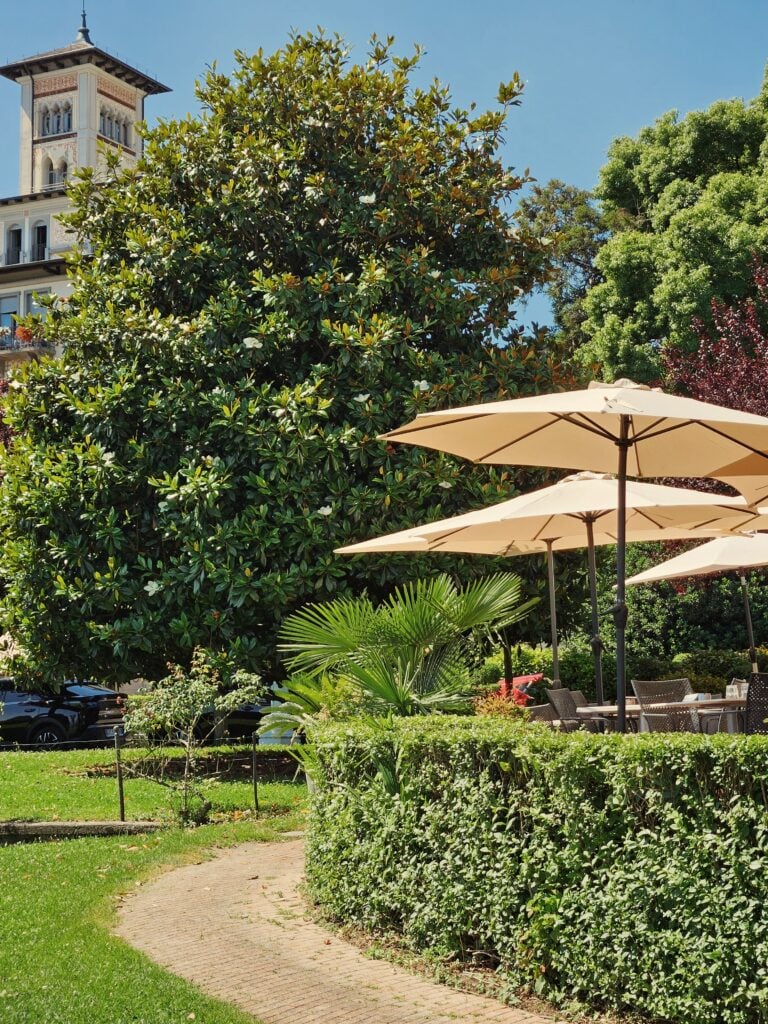
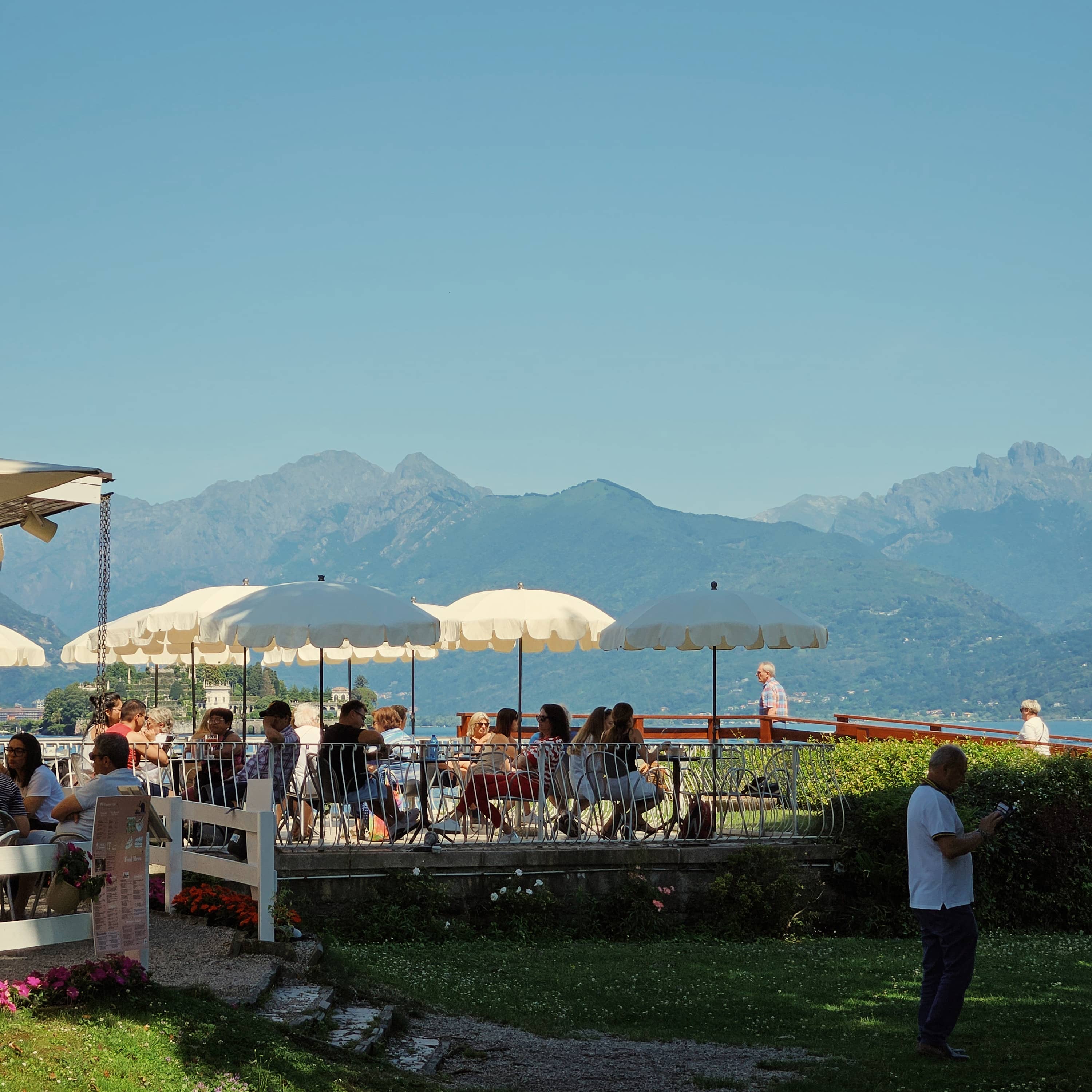
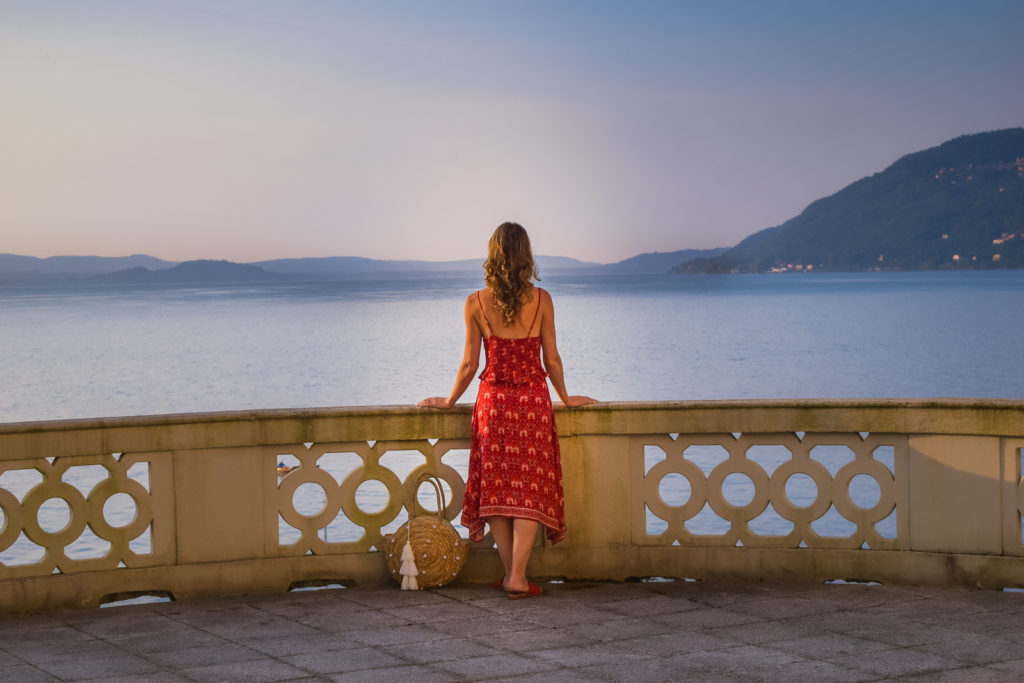
One of the simplest, most charming things you can do in Stresa? Just walk. Start with the lungolago—the lakefront promenade that stretches endlessly along the water’s edge. On one side: grand dames of architecture, all Belle Époque façades and wrought iron balconies, the kind of hotels that feel like they should come with their own string quartet. On the other: Lago Maggiore in all its cinematic glory, with postcard views of the Borromean Islands drifting just offshore.
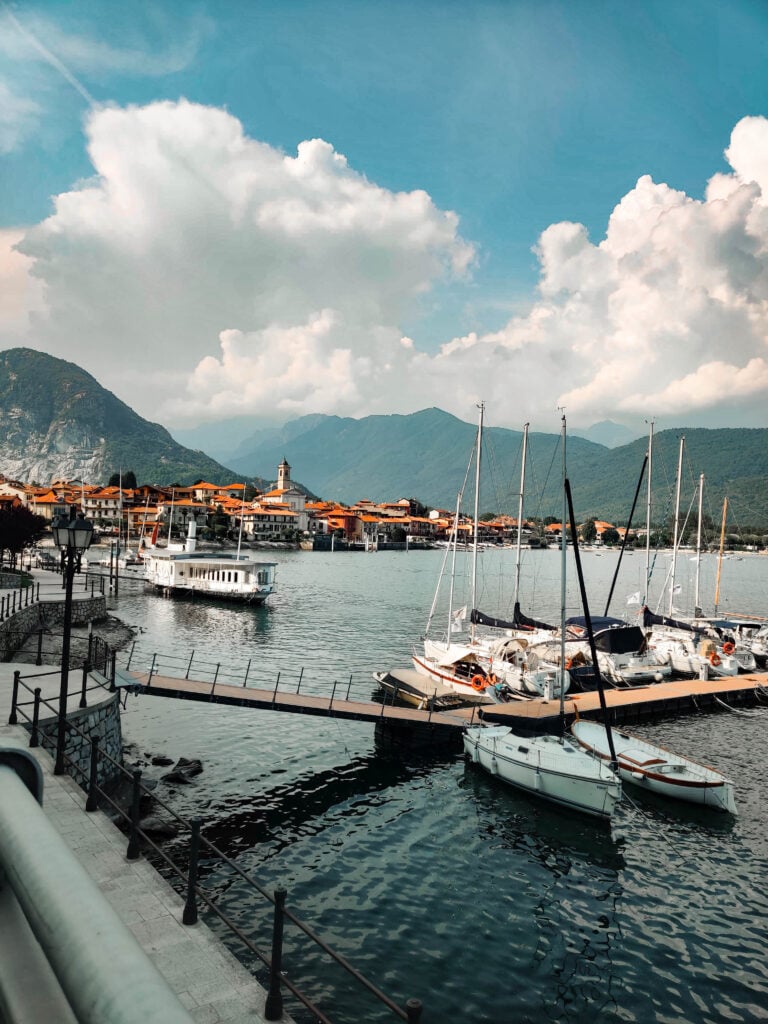
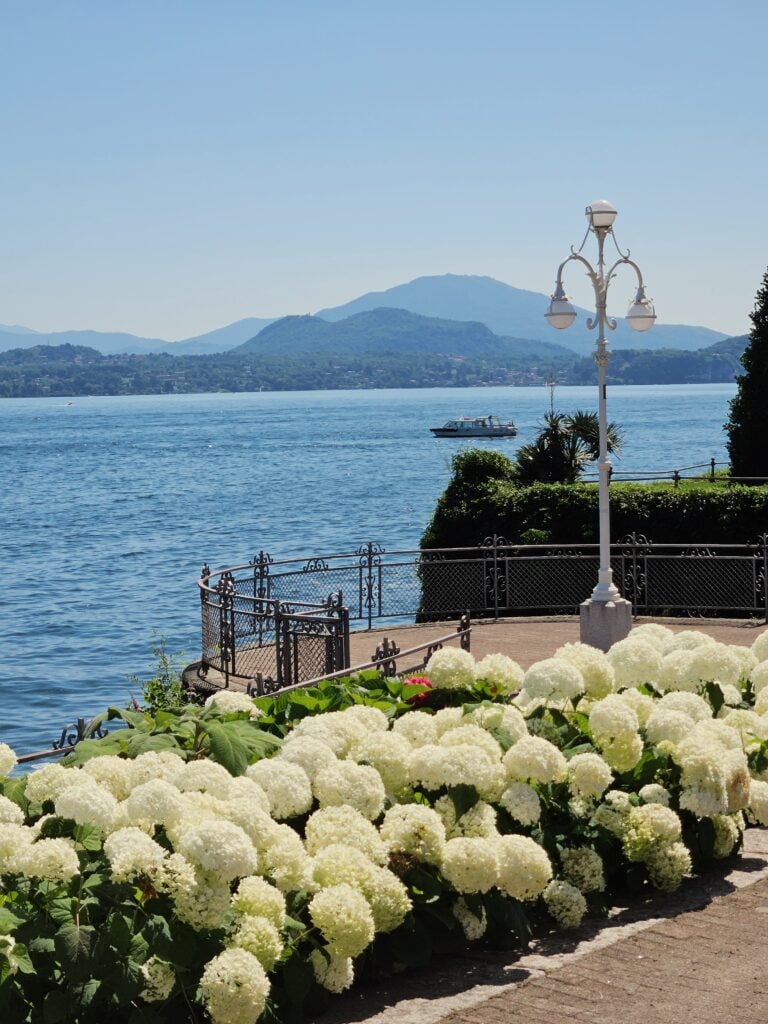
As you stroll, you’ll pass flower-filled gardens, shaded benches, and the occasional stone pier where locals linger over a gelato or a book. The Lido di Stresa makes for a perfect midday break—a public beach club of sorts, complete with loungers, umbrellas, and a pool you can access with a day pass if you're craving a swim without fully committing to lake water.
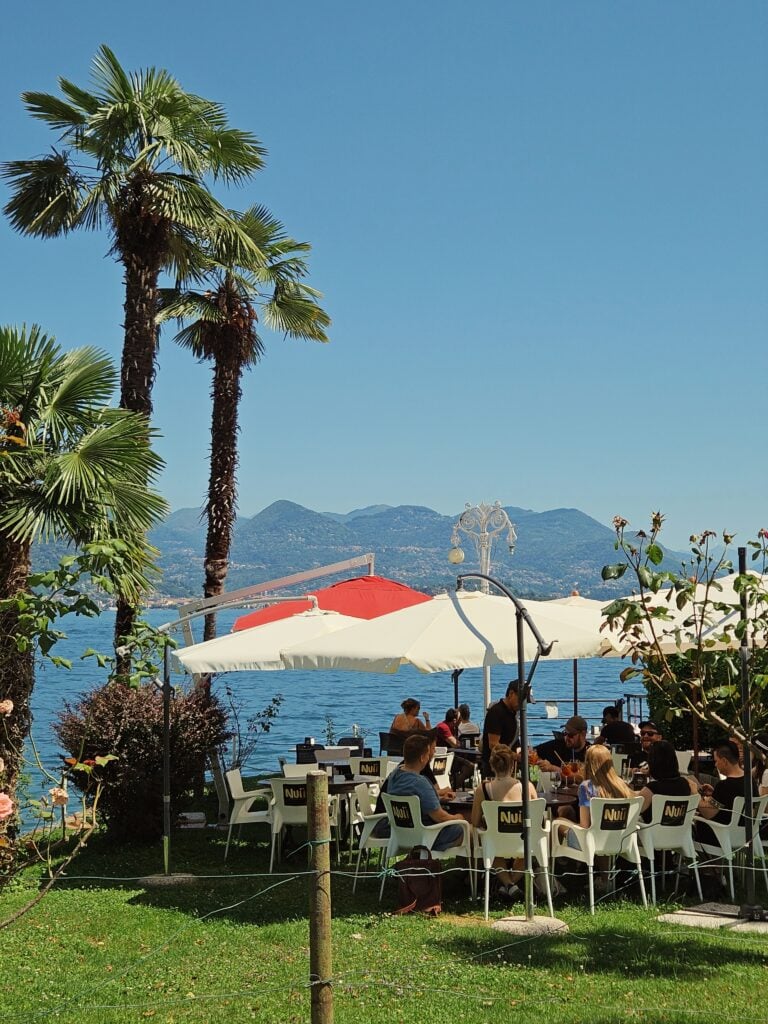
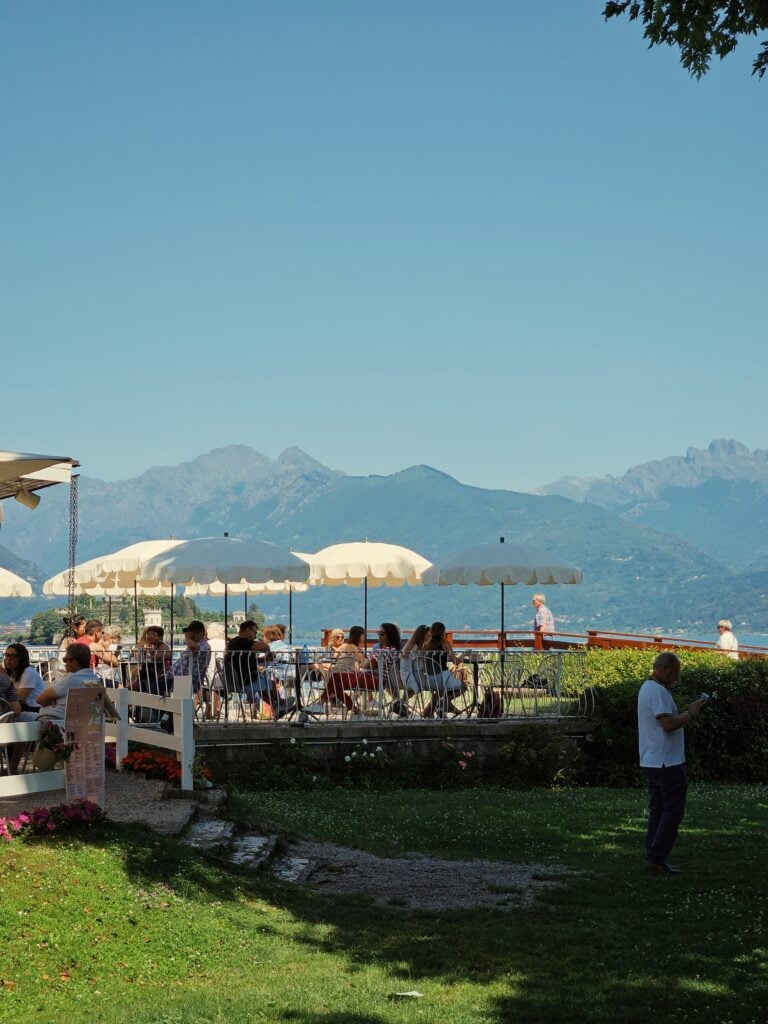
Lining the promenade are cafés and bars where you can stop for a cappuccino or an Aperol spritz, depending on your mood—or the hour. Ristorante Lo Stornello is a local favorite for lunch with a view, while Caffè Torino feels like stepping into a 1950s Italian film set, complete with aperitivo classics and lake-gazing tables.
And if you time your walk with golden hour? You’ll catch the Alps turning rose-gold in the distance while boats drift lazily toward Isola Bella. Stresa knows exactly how to romanticize a moment without even trying.
3. The End of the Path Lakeside Secret
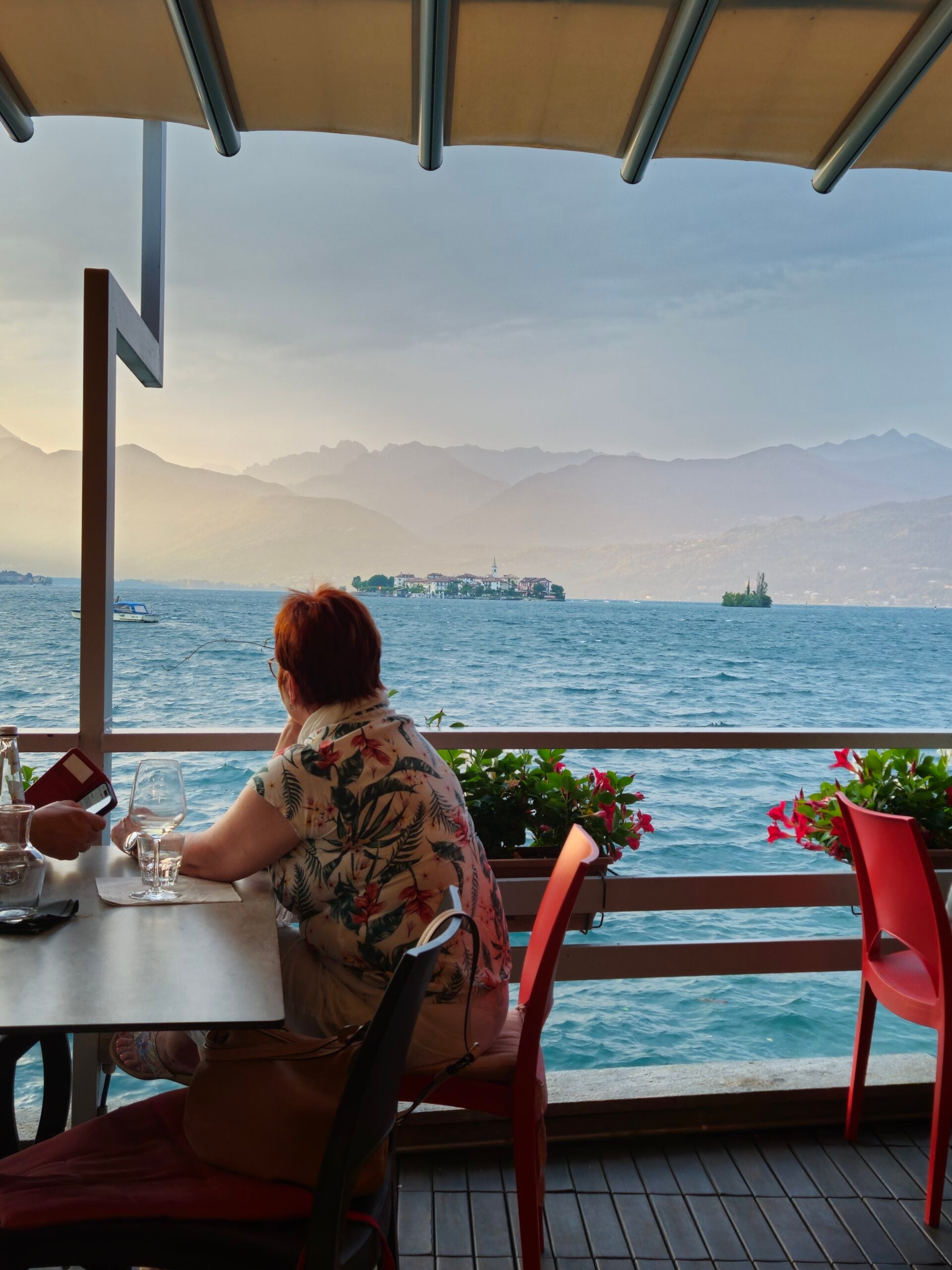
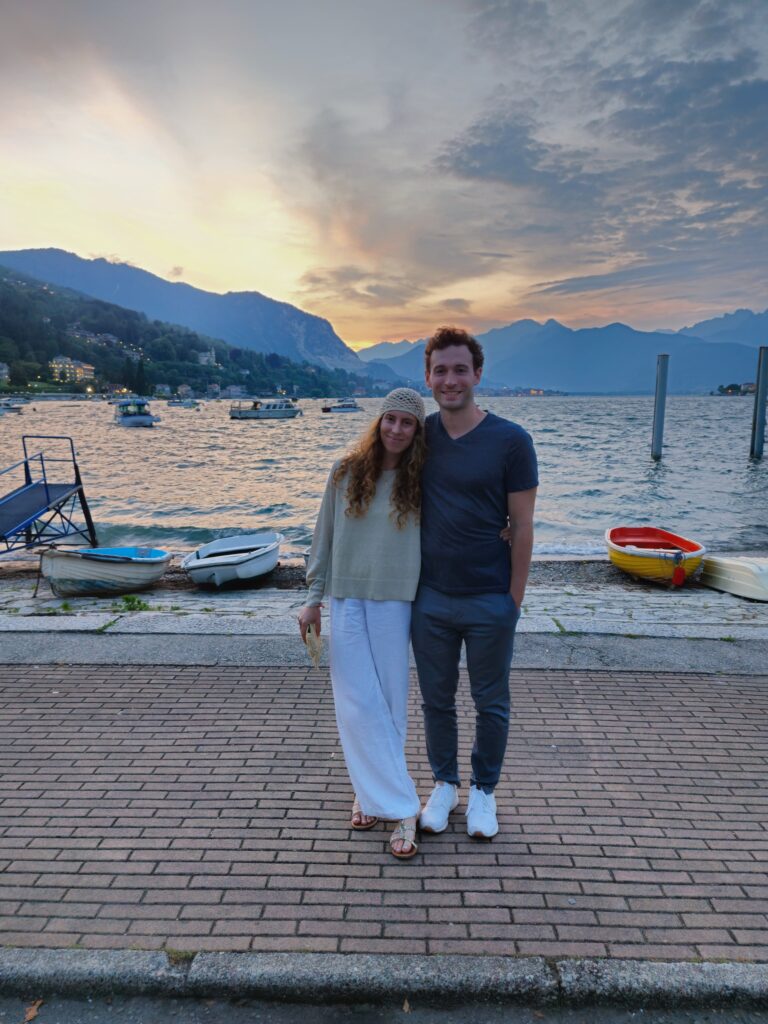
You should eat here if: You want a front-row seat to the water without the "Belle Époque" price tag or the crowds of the centro storico.
Just when you think the lakeside promenade in Stresa comes to an end, don’t turn back. Keep walking. Tucked behind a quiet, almost-too-still garden, the path continues. Hidden in plain sight is a tiny lakeside spot that is the antithesis of the grand hotel dining rooms. It isn’t on TikTok, and you’ll barely find it on Google unless you know exactly what you’re looking for. But ask a local, or remember the name, and you’ll be rewarded with one of the most charming and affordable dinner spots on the lake.
It’s unfussy, authentic, and feels like a secret club for the people who actually live here. You can hear the clinking of glasses and the occasional boat docking just feet from your table while you dine on local lake fish. Because I want to keep this spot as quiet as it was 30 years ago, I’m not naming it here. I’ve pinned the exact name exclusively in my Lago Maggiore Google Map.
After dinner, it’s worth ending the night with something strong and local: Amaro Mottarone. This amber-hued digestivo is made from over 30 herbs, roots, flowers, and spices gathered from the slopes of Mount Mottarone itself. It’s intense, a little alpine, reminiscent of Génépy, and the kind of thing you sip slowly, letting the mountain follow you back to your hotel room. One sip and you're right back on the trails, among pine needles, wild herbs, and distant cowbells.
If you're in Stresa another night?
Try Il Vicoletto, tucked just off the main drag, for refined Piedmontese comfort food that feels like a warm hug from a nonna who shops at Eataly.
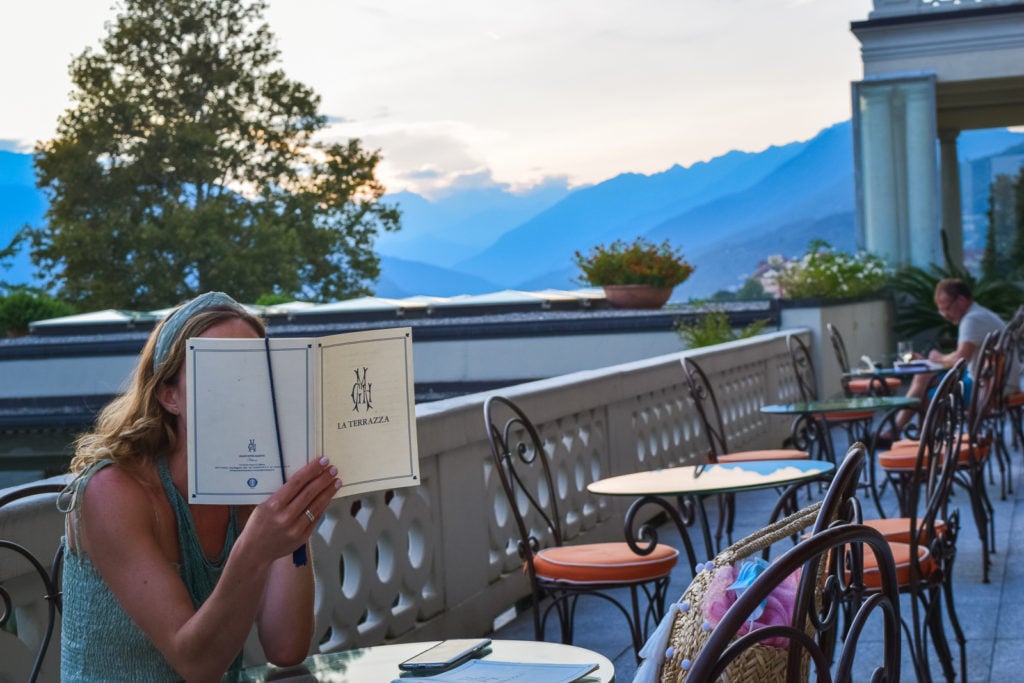
4. Mottarone Cableway
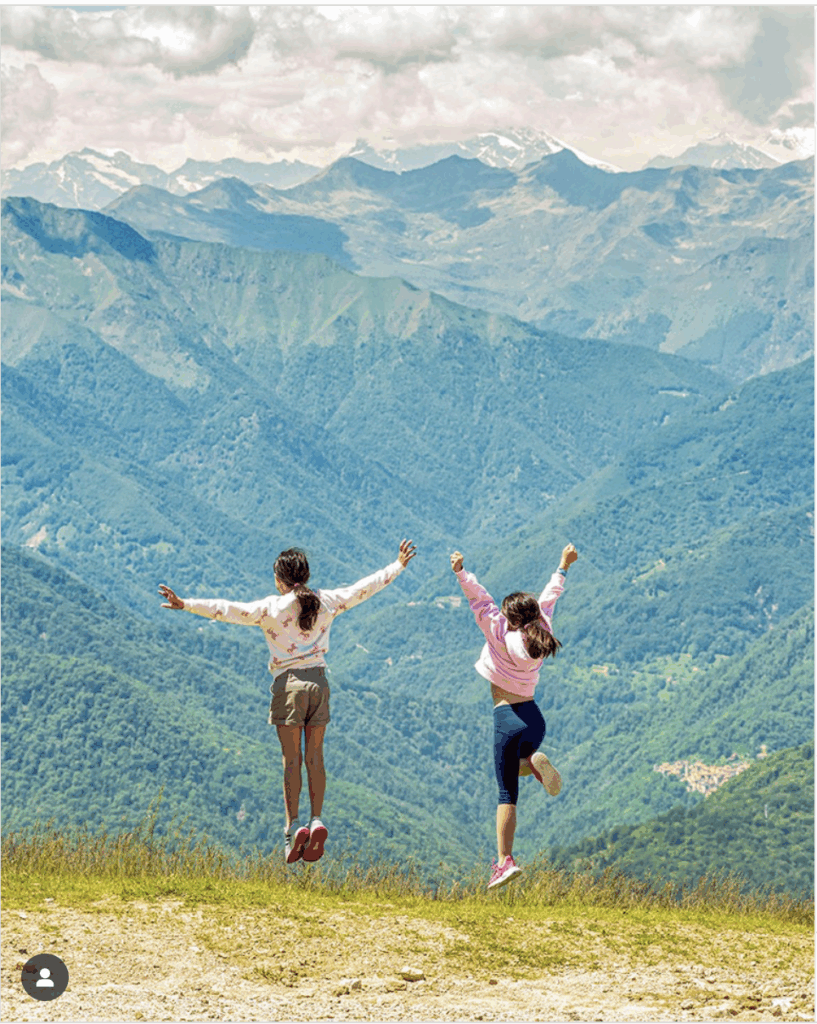
Let’s talk about Mottarone for a second—the quiet giant of Lago Maggiore. Known as “the balcony of the seven lakes,” this mountain towers at 1,492 meters (that’s 4,895 feet for my fellow Americans), offering one of the most panoramic views in all of Northern Italy. On a clear day, it’s like standing inside a postcard. You’ll get a 360° sweep of the Alps, the glittering crown of Monte Rosa, and no fewer than seven lakes laid out like jewels below: Maggiore, Orta, Mergozzo, Varese, Monate, Comabbio, and Biandronno.
Reaching the summit is a choose-your-own-adventure moment. Traditionally, most would take the Mottarone cableway from Stresa—a 20-minute ride through the treetops with sweeping lake views. But in 2021, an unexpected and deeply tragic accident occurred on the cable car line, prompting its closure. After years of safety investigations, structural upgrades, and emotional rebuilding, the cableway is finally reopening in summer 2025, fully reengineered and renewed.
If cable cars aren’t your thing, you can drive up (just prepare for a €10 entrance fee once you get into the upper reserve area), or hop on a local bus. And for the bold-hearted—yes, you can hike from the Stresa train station all the way to the summit. It’s not for the faint of calf, but it’s doable and unforgettable.
Pro Tip:
Bring a sweater—even in summer. The air up here is crisp and thin, and the temperature swing is no joke. You’ll thank me once the breeze rolls in.
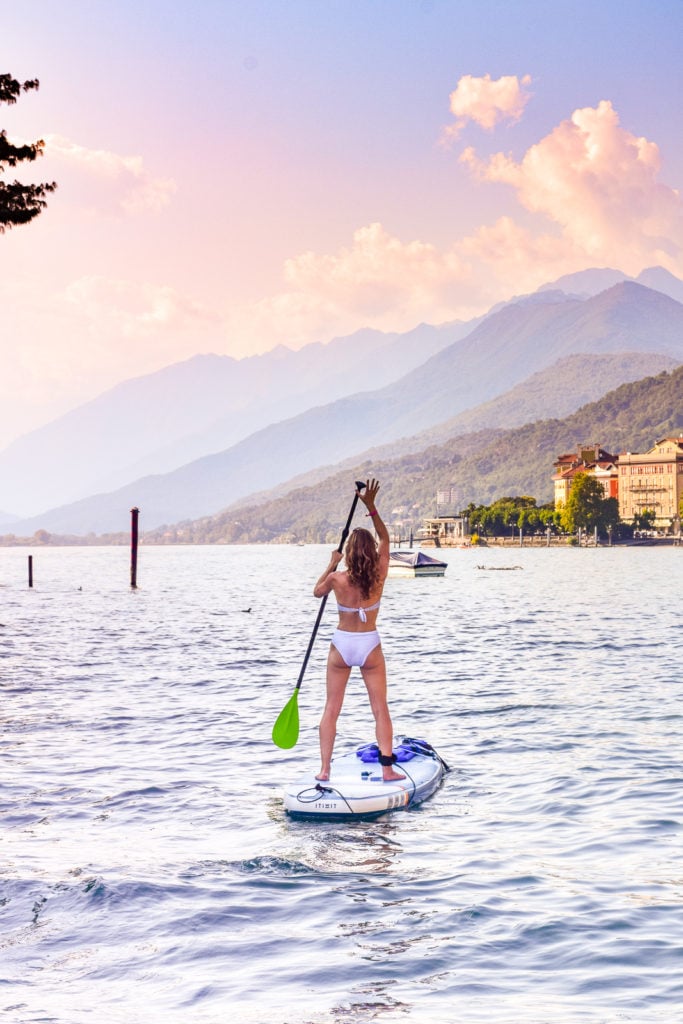
Once at the top, you’ll find a handful of rifugi. I’ve bookmarked two specific rifugi: one is a rustic hut for the best polenta and funghi of your life, and the other is a 19th-century villa that practices "cucina a km zero," meaning everything on your plate comes from the mountain itself. I don't share these names publicly to keep them from becoming "Alpine rollercoasters." Find them exclusively in my Lago Maggiore Google Map.
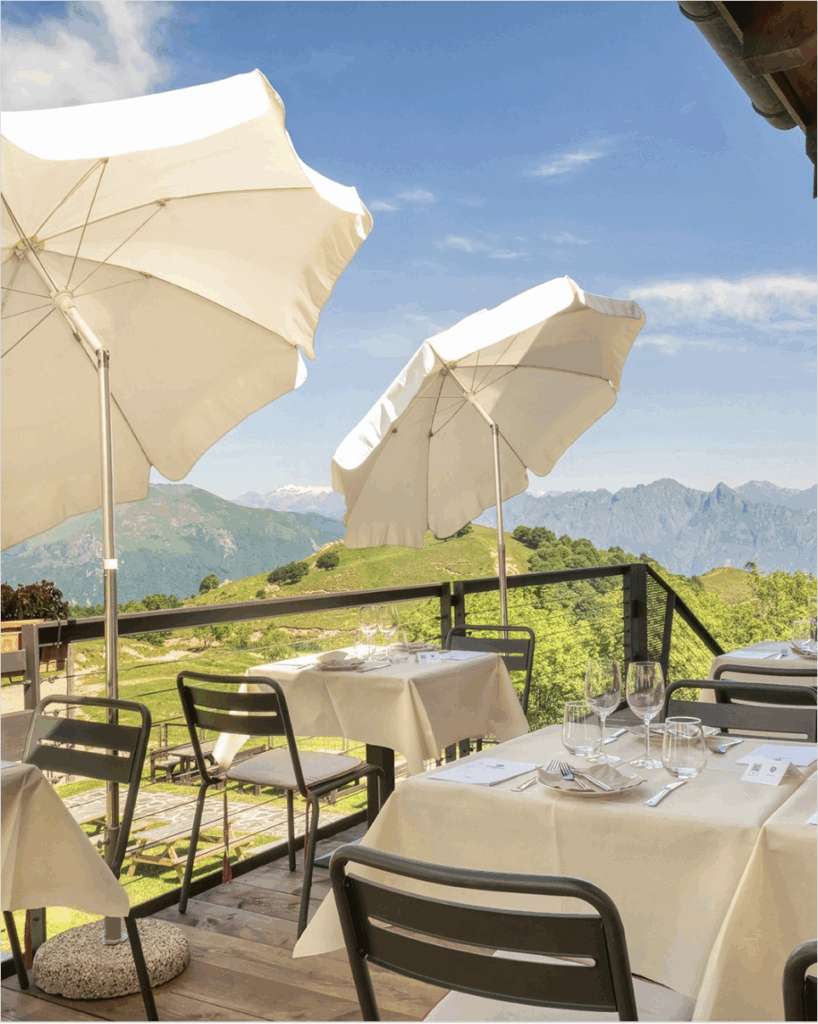
Now, if you’re the type who sees a mountain and thinks alpine rollercoaster, you’re in luck. There’s Alpyland, a small (and kind of chaotic) ride-on coaster with epic views and a bit of adrenaline. Not exactly my scene, but hey, I won’t judge your inner child.
And if you're craving something quieter, Mottarone has hiking trails galore, some that lead to hidden streams and icy rivers, perfect for a wildly refreshing dip if you're feeling brave.
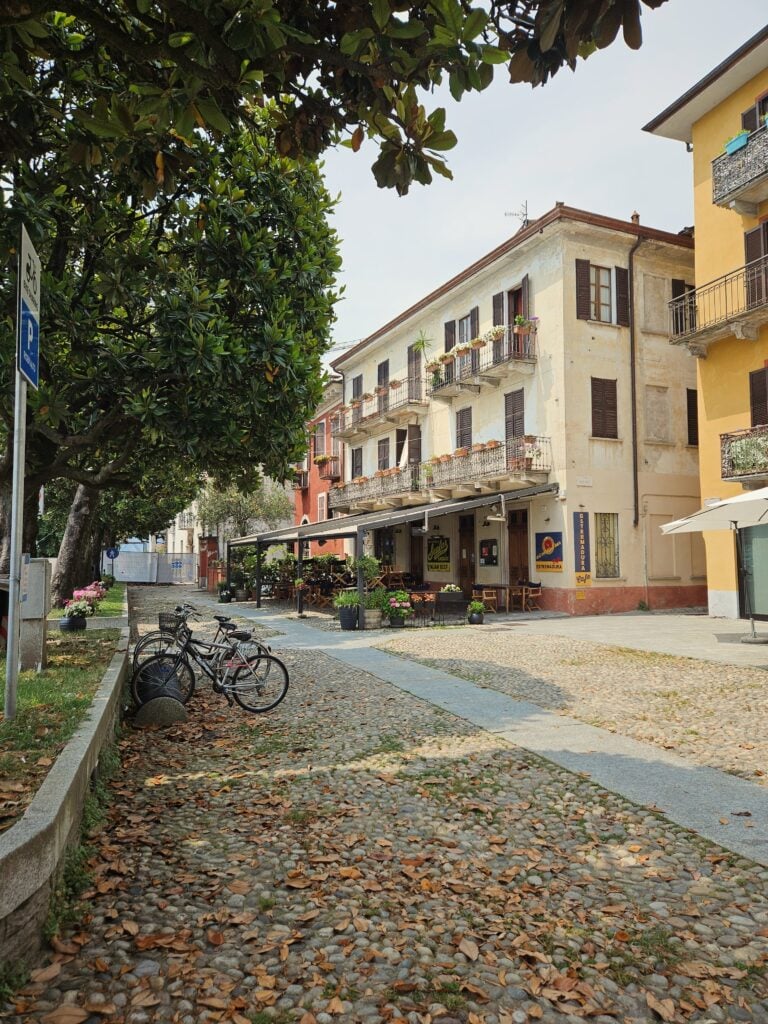
5. LOV Beach Lounge
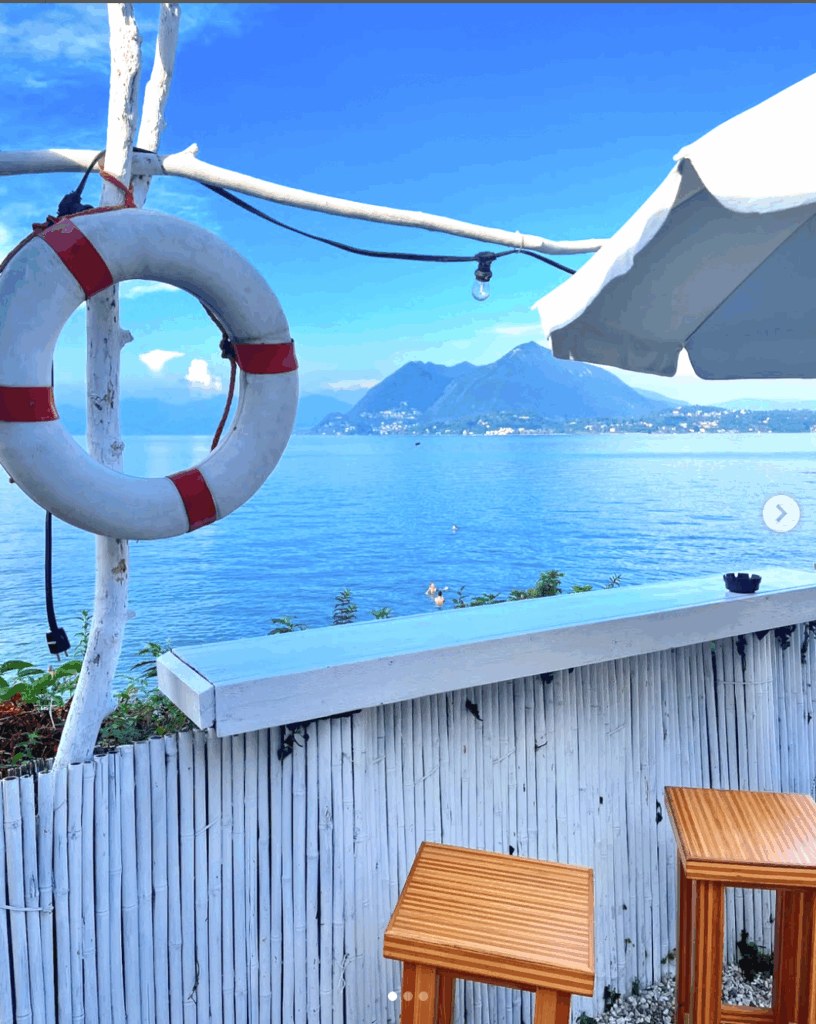
LOV Beach Lounge is a bit of a plot twist. Bohemian, laid-back, and wonderfully unpolished, it’s the kind of place you stumble upon and think, Wait, am I still in Stresa? Tucked right at the water’s edge, this little lakeside oasis is the antithesis of Stresa’s grand hotels and manicured charm. It’s no-frills but full of character—sun loungers, a tiny beach, spritzes served in plastic cups (in the best way), and even a mini golf course hiding in the back.
It’s more than just a bar—it’s a whole afternoon plan. Whether you're in the mood for a cocktail in the sun, a lazy lakeside nap, or letting the kids run wild between swings and mini putts, LOV gives you permission to slow down and do absolutely nothing in style.
6. Parco Pallavicino
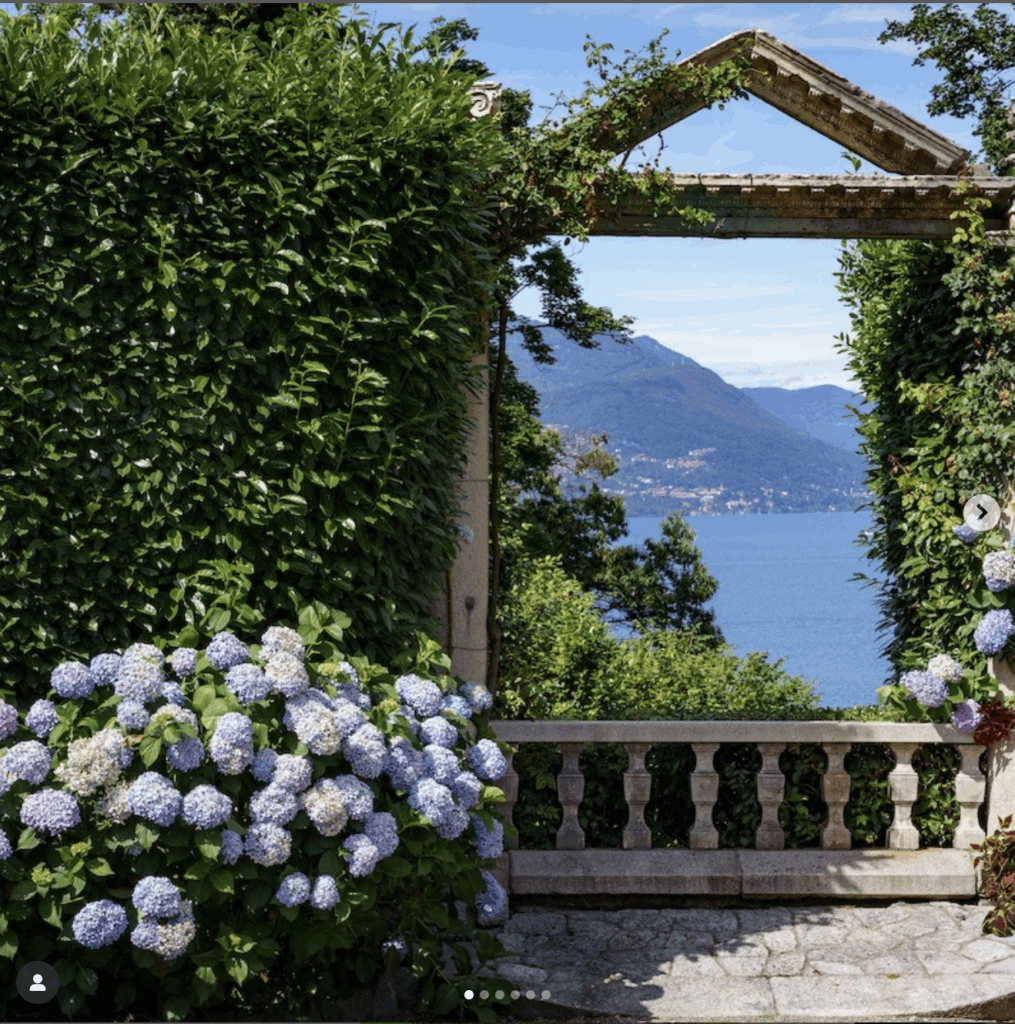
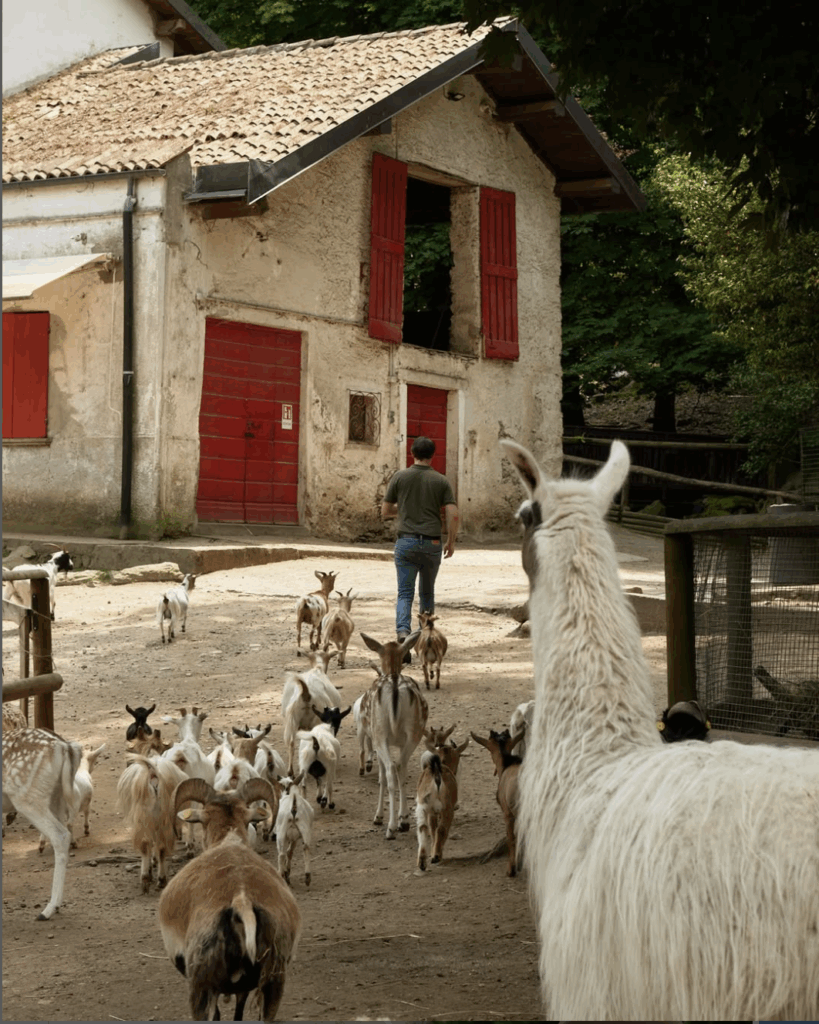
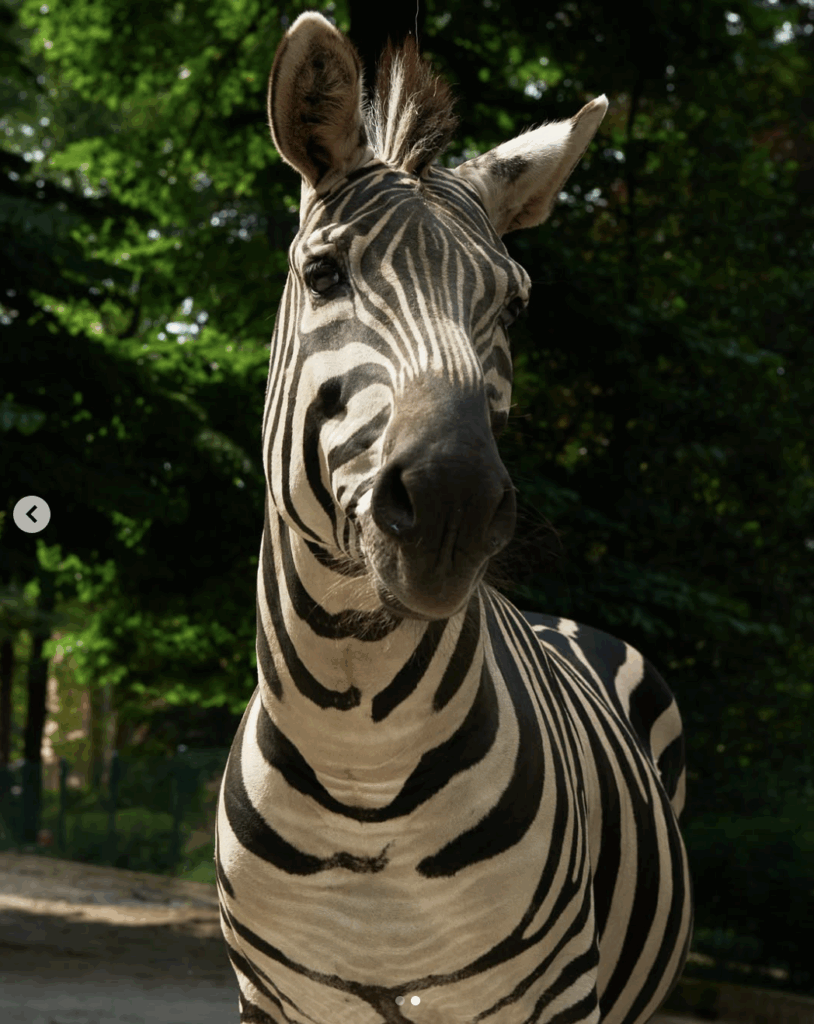
Just past LOV, you’ll find the entrance to Parco Pallavicino—a surprising, serene escape set within the estate of an old villa. Behind its gates lie over 30 acres of parkland, where winding paths snake through rare botanical species, ancient trees, and open meadows. It’s part garden, part low-key zoo, and totally unexpected.
Inside, you’ll encounter over 50 species of animals, from zebras and kangaroos to llamas, deer, goats, and even rhinos (yes, plural). There’s a small children’s farm too, perfect for little ones eager to feed and pet the friendlier residents.
It’s a quiet kind of magic—especially in the morning hours before the crowds arrive. A place where Stresa shows its softer, wilder, more whimsical side.
7. The Town of Stresa (Markets & More)
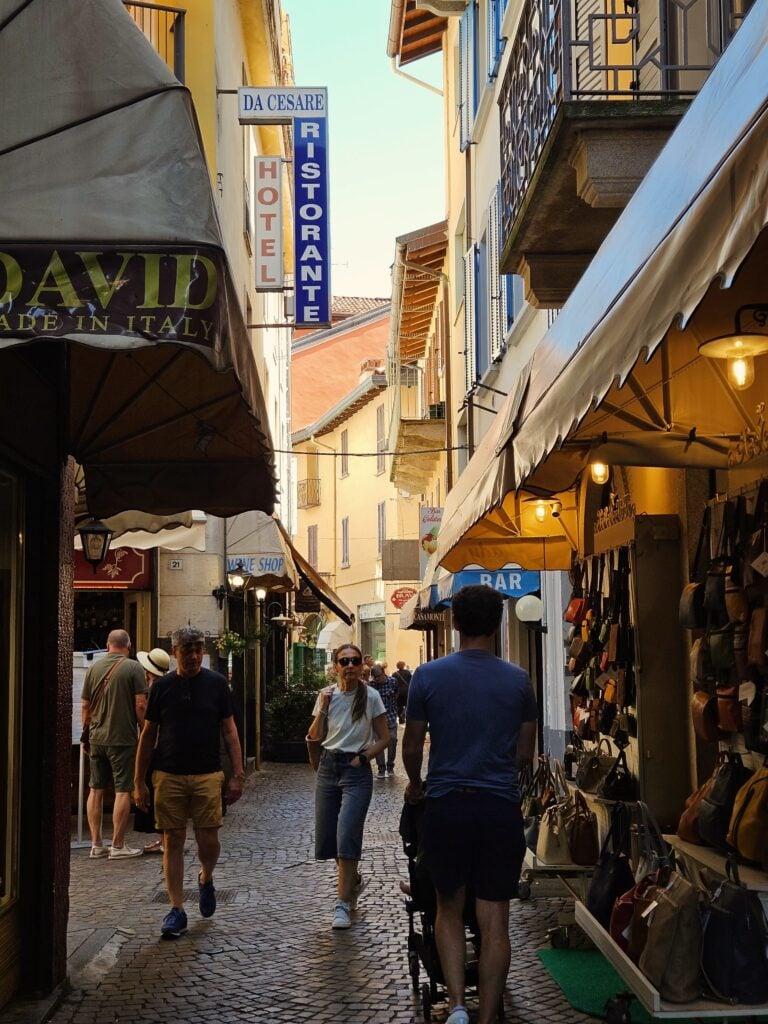
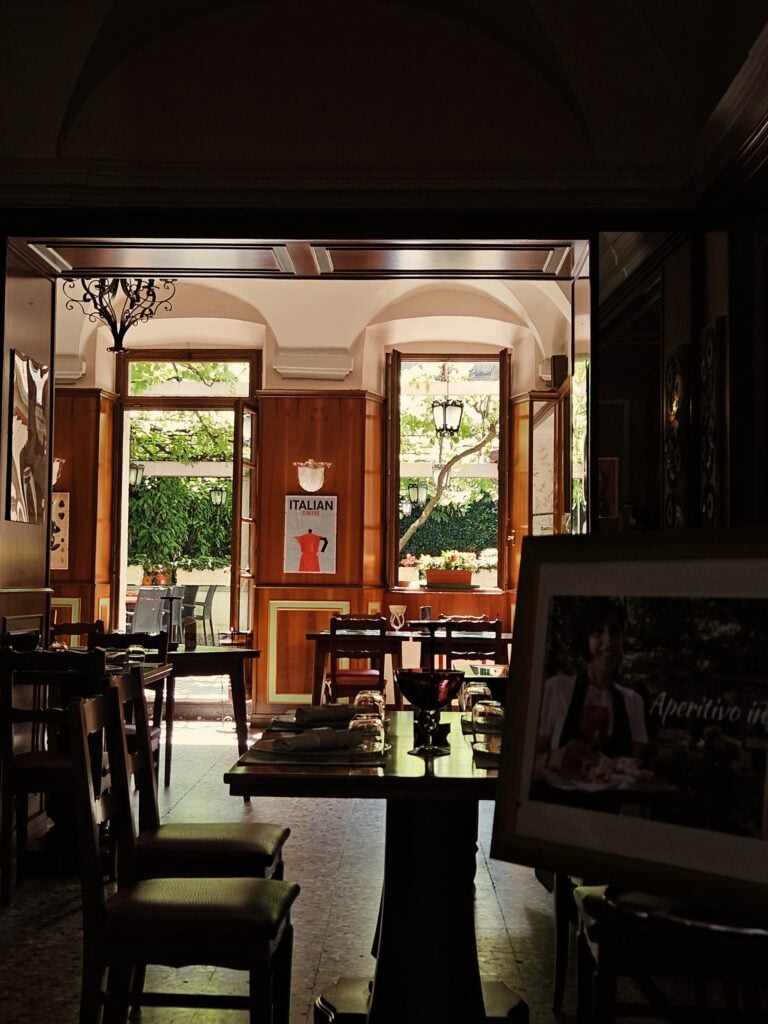
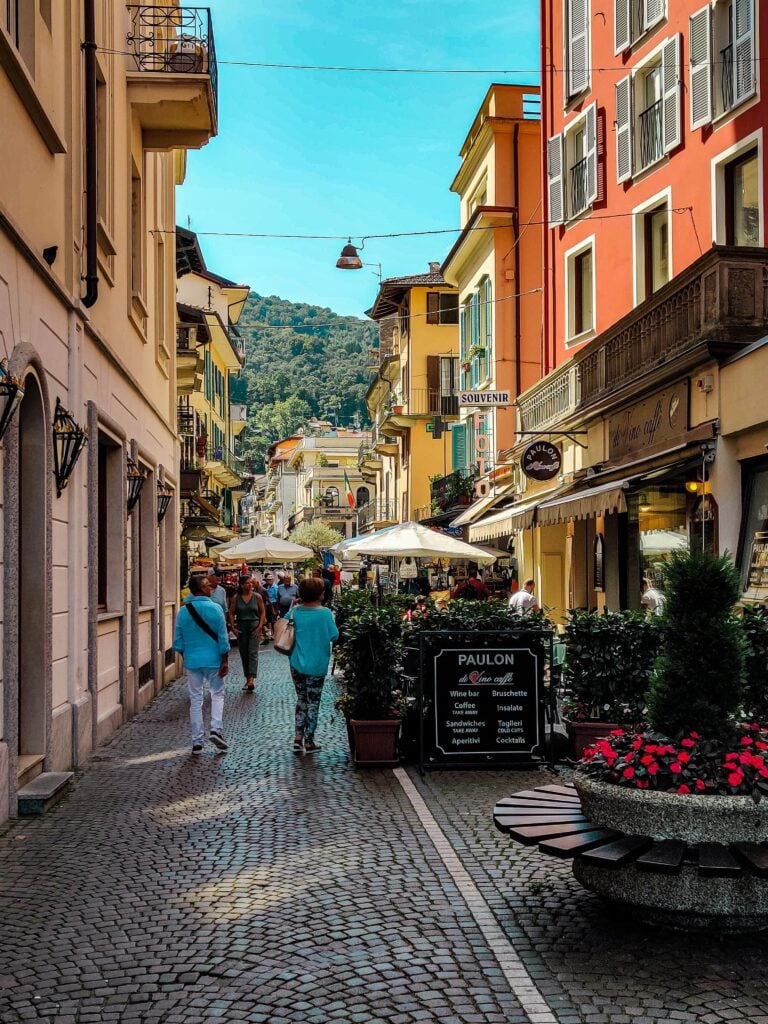
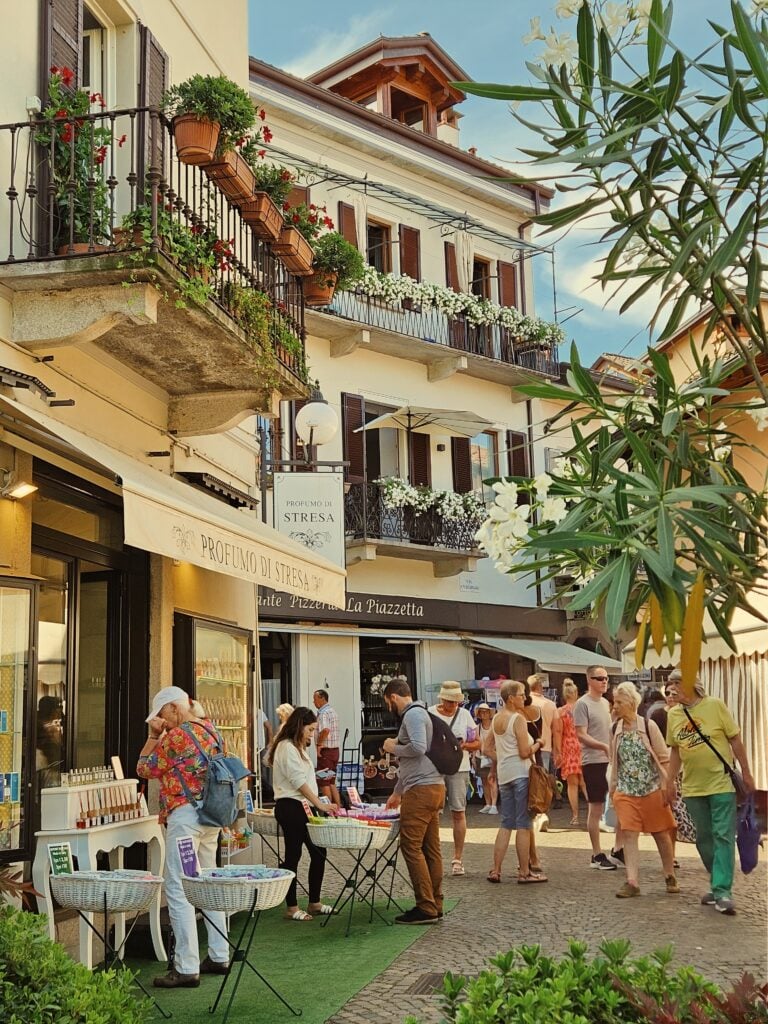
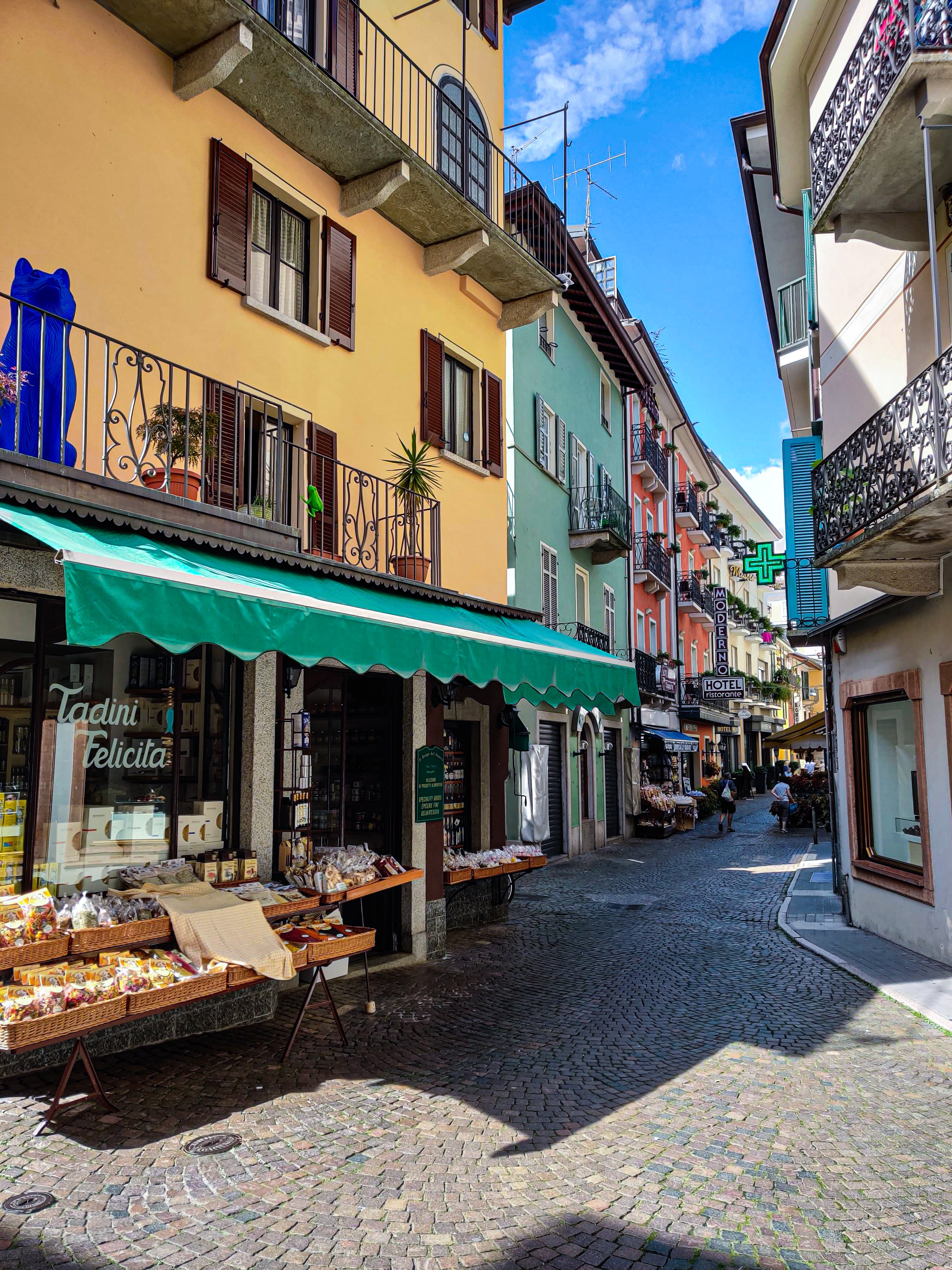
If you find yourself in Stresa on a weekday—especially on a Friday morning—you’re in luck. That’s when the town hosts its weekly market in the main piazzas, and it’s the kind of scene that quietly pulls you into the rhythm of local life. Stalls spill out across the cobblestones selling everything from fresh cheeses, cured meats, and jars of golden honey to handmade linens, leather belts, and flowy dresses. It’s casual, a little chaotic, and full of character. Whether you leave with a wedge of Toma cheese, a linen tablecloth, or just a deeper appreciation for the local pace of life, it’s worth weaving into your morning.
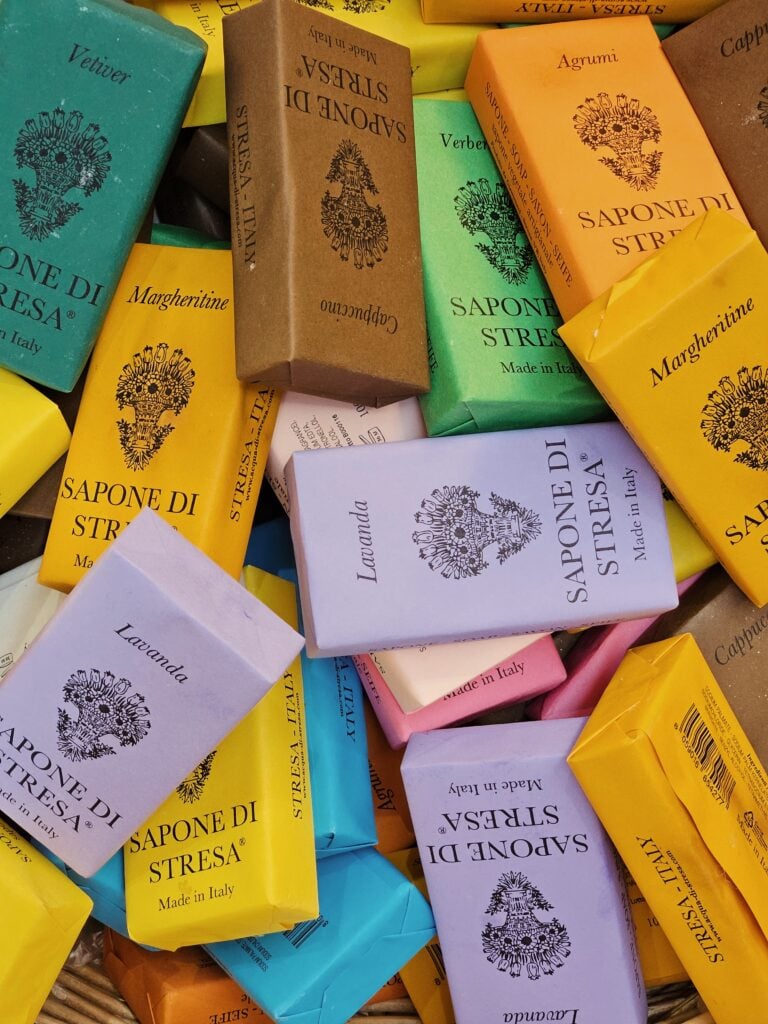
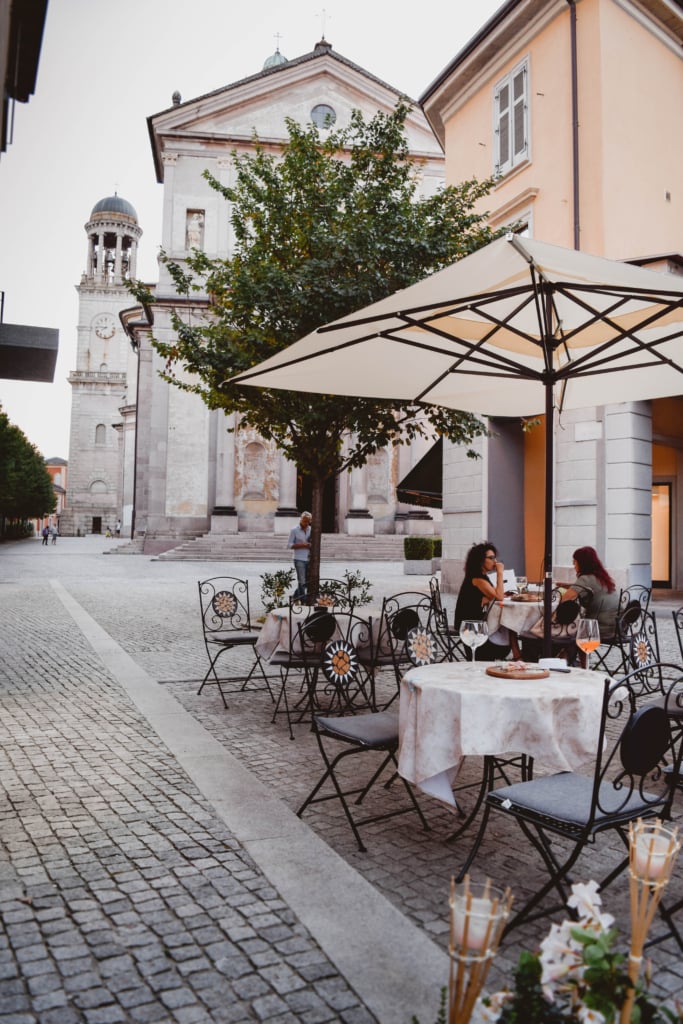
If markets aren’t your thing (or it’s not Friday), just spend time wandering the centro storico. The heart of Stresa is charmingly compact and best explored on foot. Meander down Via Cavour and Via Garibaldi, the town’s two main pedestrian streets lined with boutiques, artisanal shops, wine bars, and old-school cafés where time seems to stand still. One of my favorite (and least expensive) things to bring home from Stresa? Sapone di Stresa—those delicately perfumed soaps wrapped like little vintage treasures. They make the perfect souvenir.
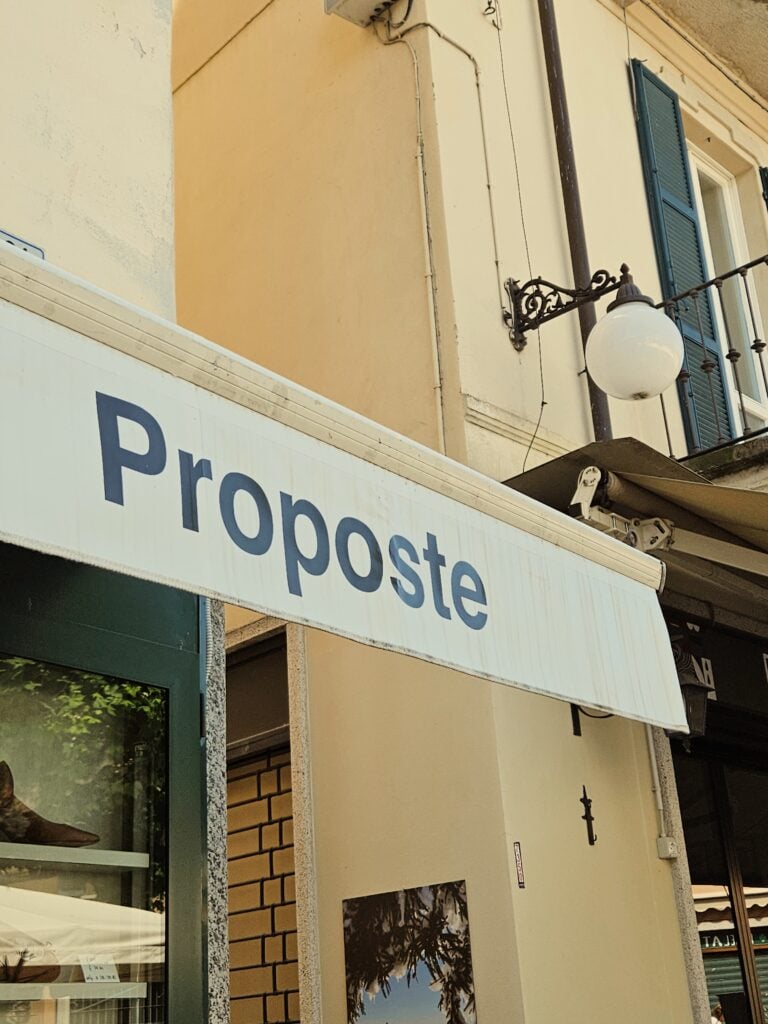
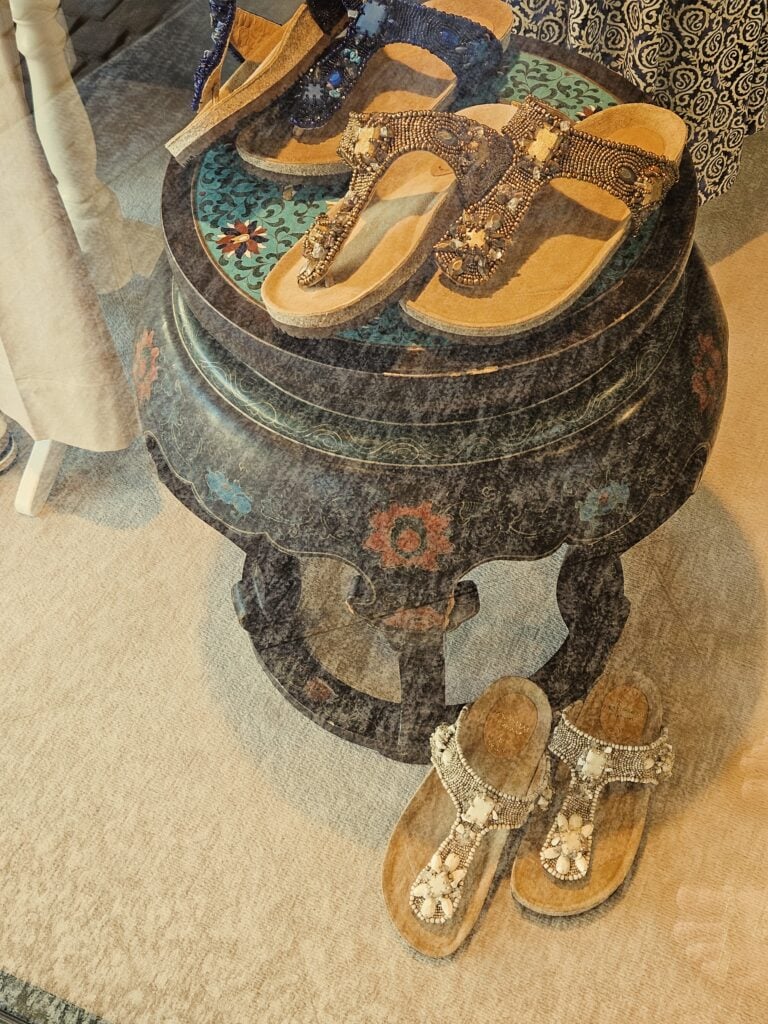
Make sure to stop for a gelato—it’s mandatory—and don’t miss Proposte, one of the most stylish shops in town, where you’ll find a refined selection of Italian-made clothing, leather shoes, and accessories. It’s a mix of elevated basics and statement pieces—think crisp linen, easy tailoring, and sandals that make you feel like you belong on a Riva boat.
8. Sky Rooftop Bar at Hotel La Palma
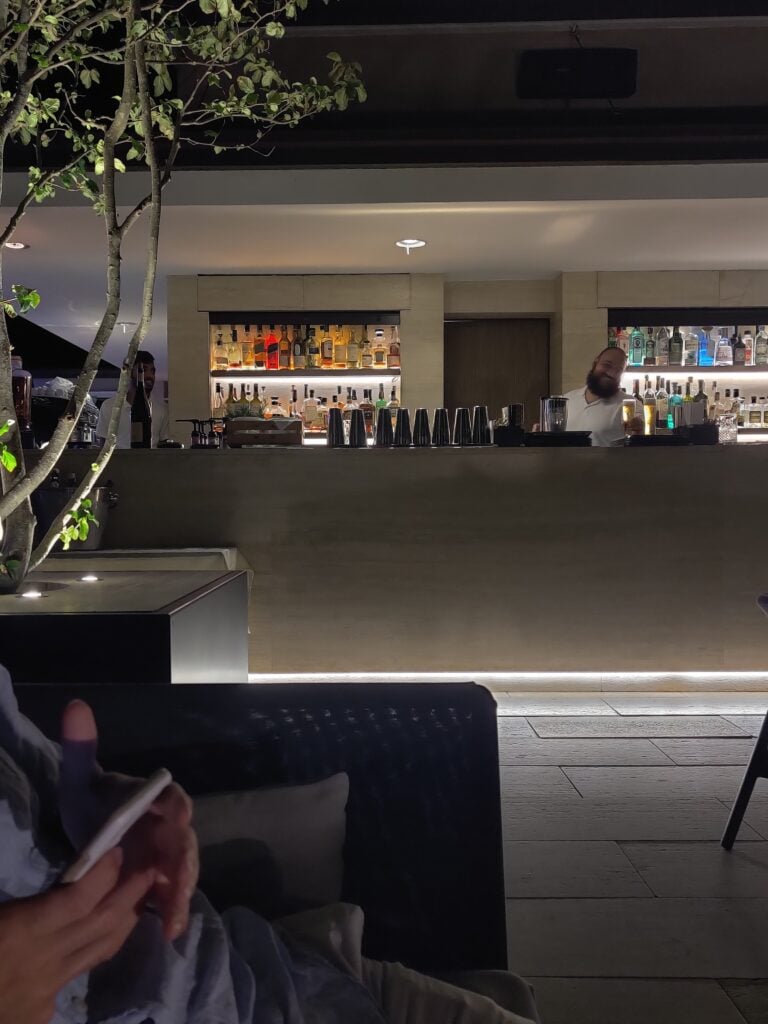
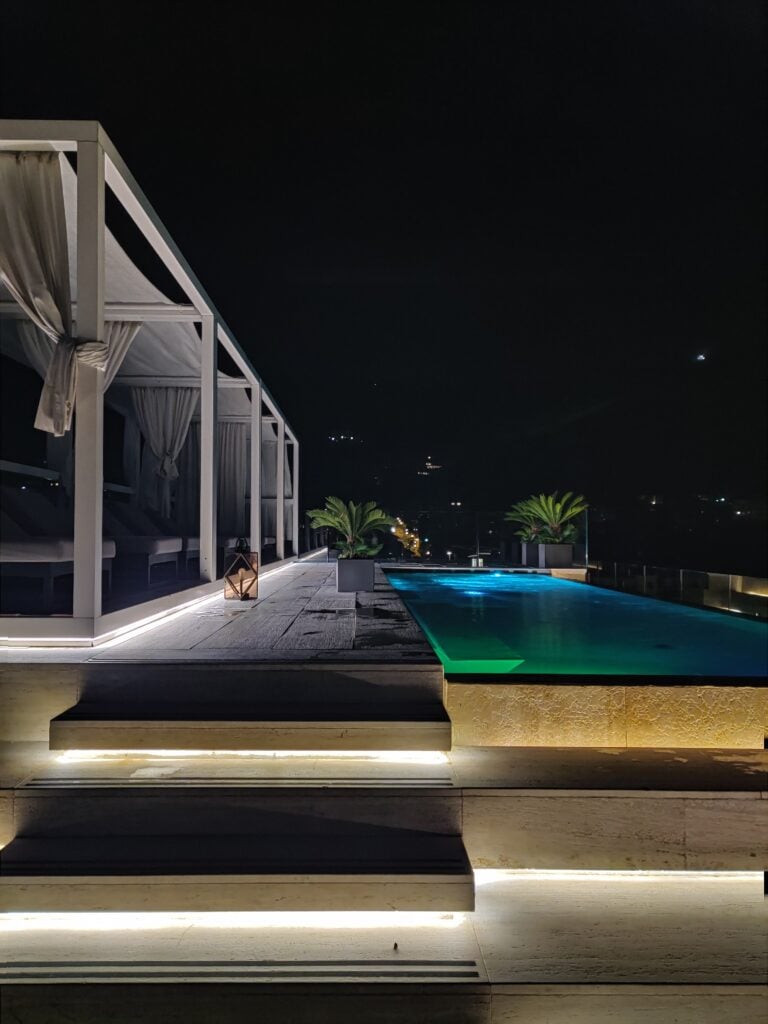
This is the rooftop in Stresa—perched on the 7th floor of Hotel La Palma with a front-row seat to the Borromean Islands. It's more modern than the rest of Stresa, but the views are incredible. Think chic cocktails (try the violet spritz), DJ sets on weekends, and views that stretch all the way to the Alps. Come for aperitivo at golden hour—no reservation needed unless you're a big group. A little pricey, but the lakefront glam makes it worth every sip.
9. The "Front Row Seat" Ristorante
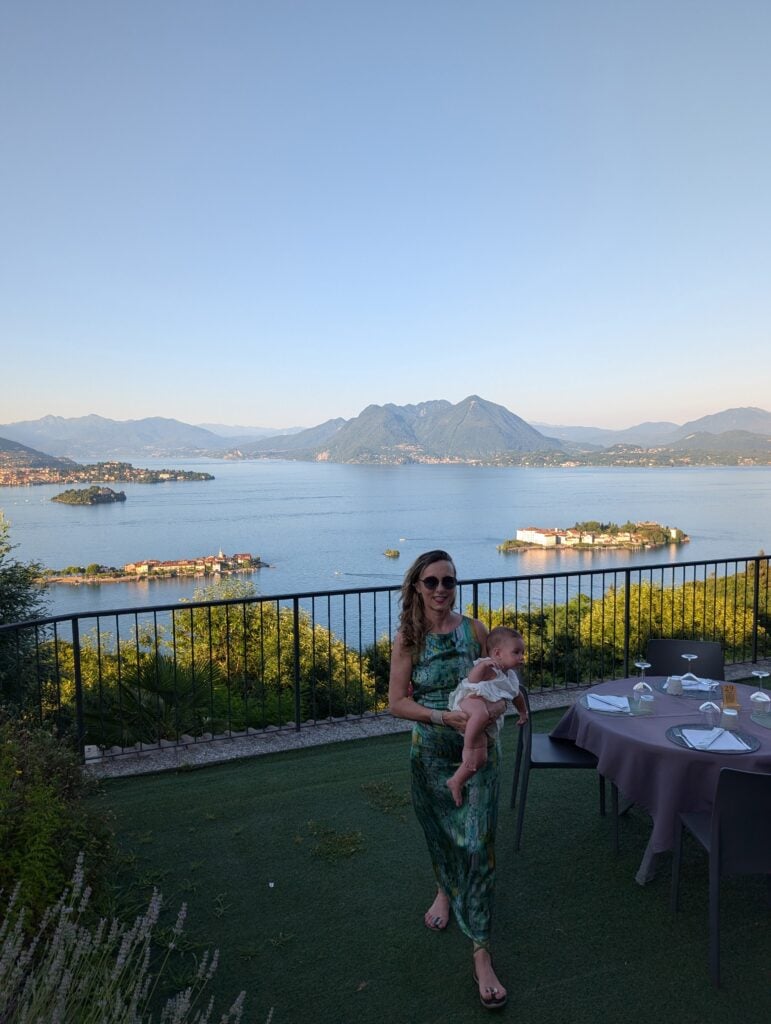
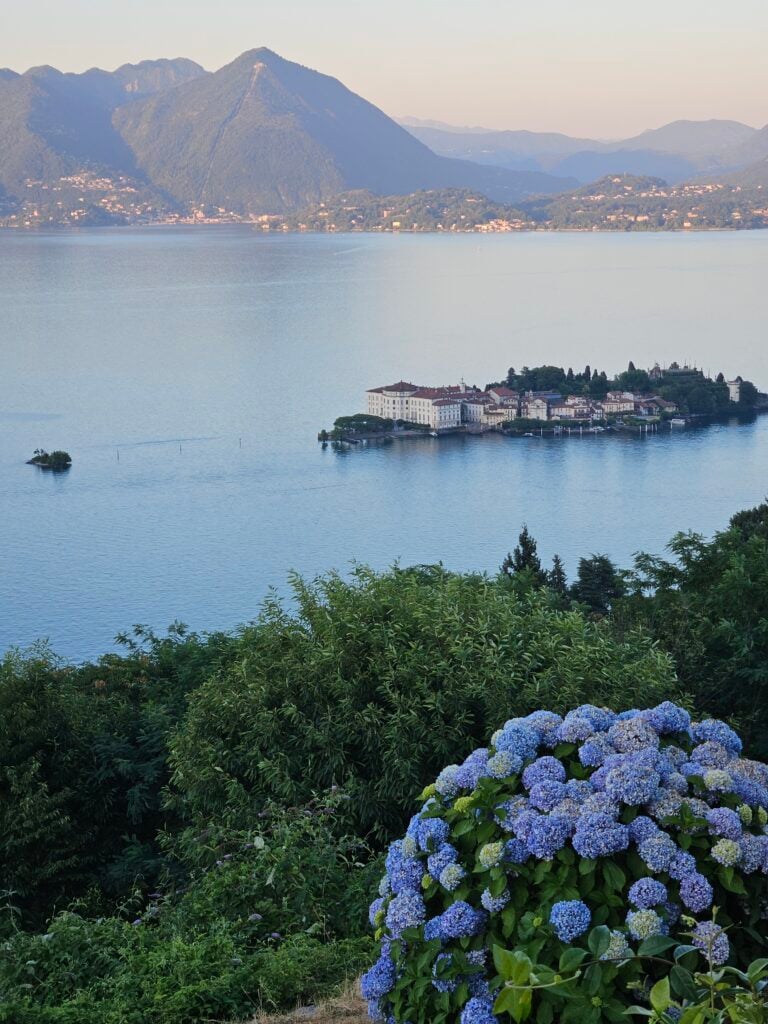
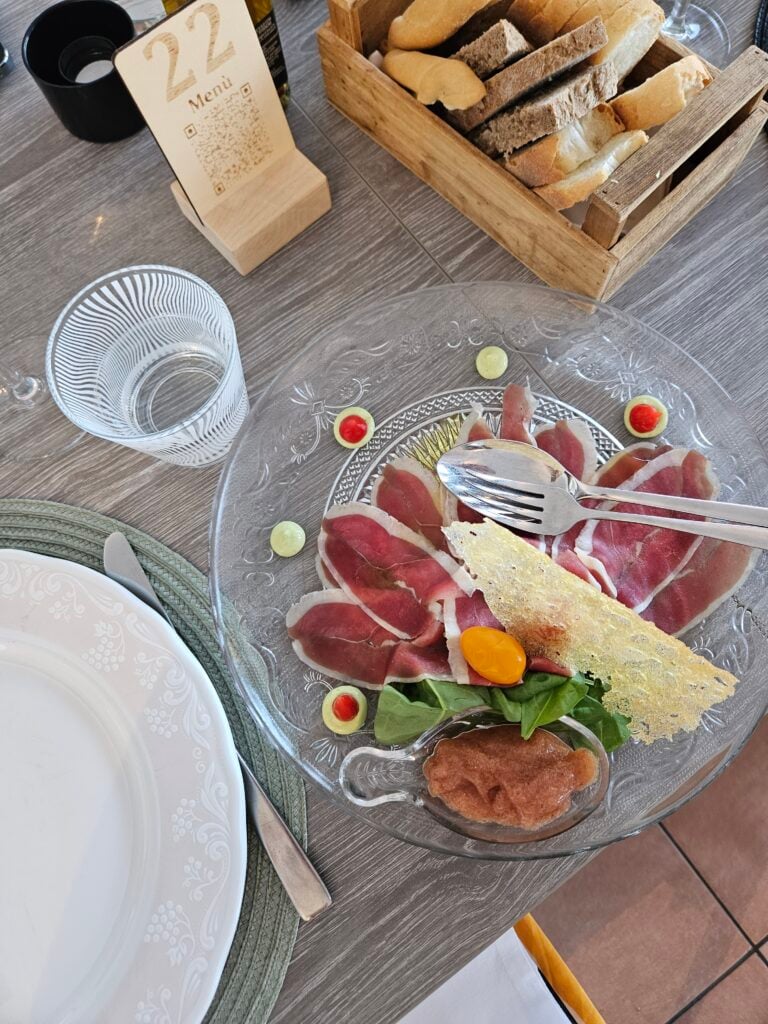
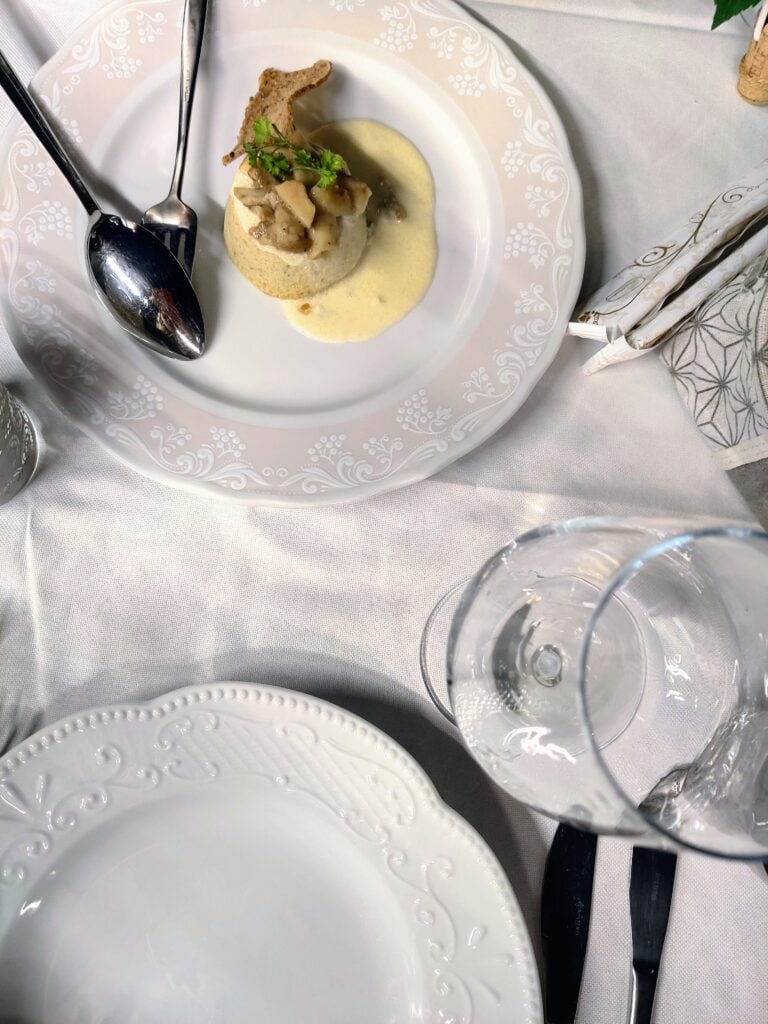
As the name implies, this spot is all about the view. Tucked away in a tiny village above Stresa, it serves panoramic scenery with refined Piedmontese fare. It is the quiet, polished alternative to the big-name tourist spots in town. Reservations are required at least a week in advance for the front-row garden seats; I’ve included the name in my Lago Maggiore Google Map.
10. The Borromean Islands
Borromean Islands on Lago Maggiore: History, Family, How to Get There, What to See
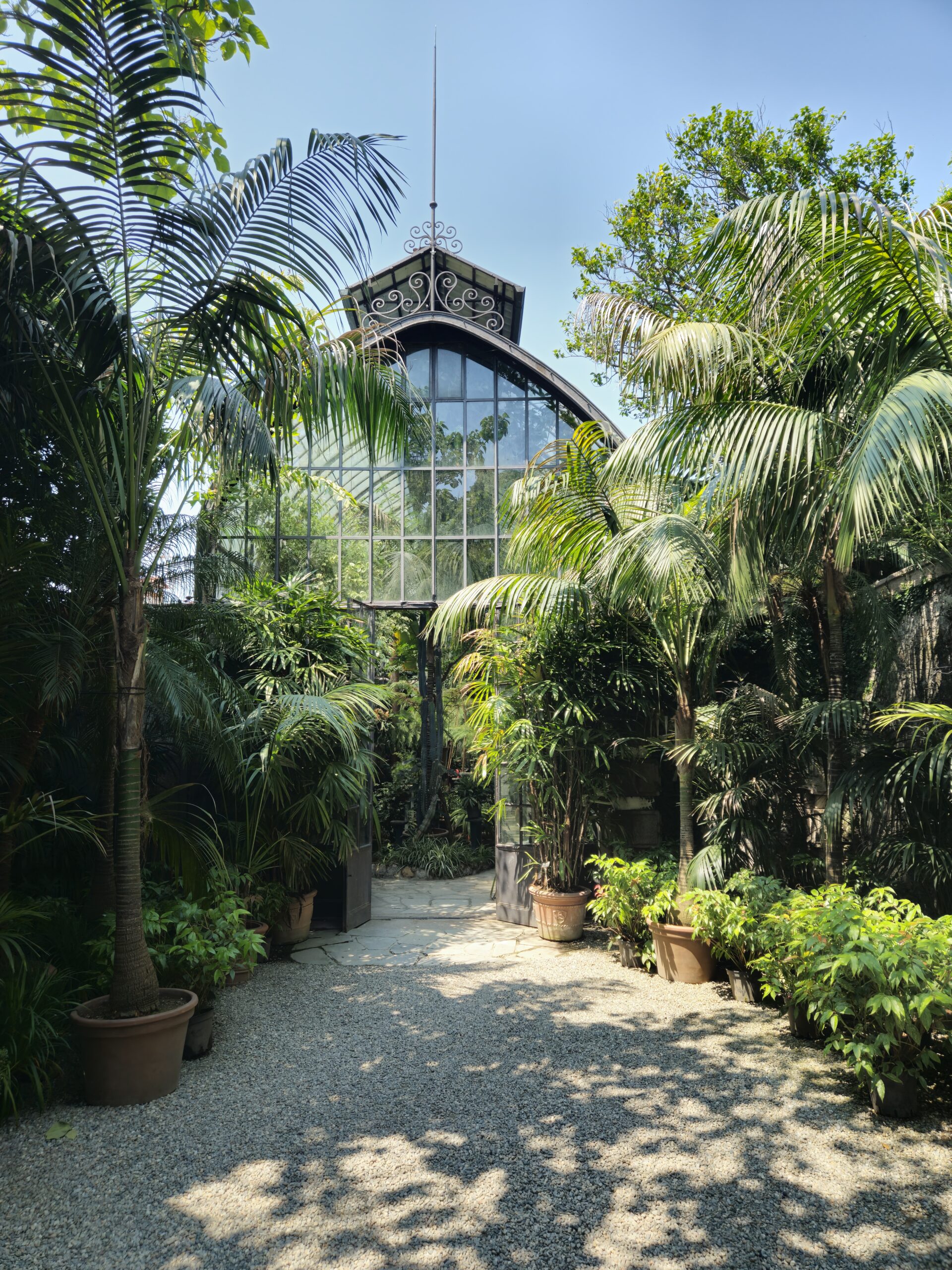
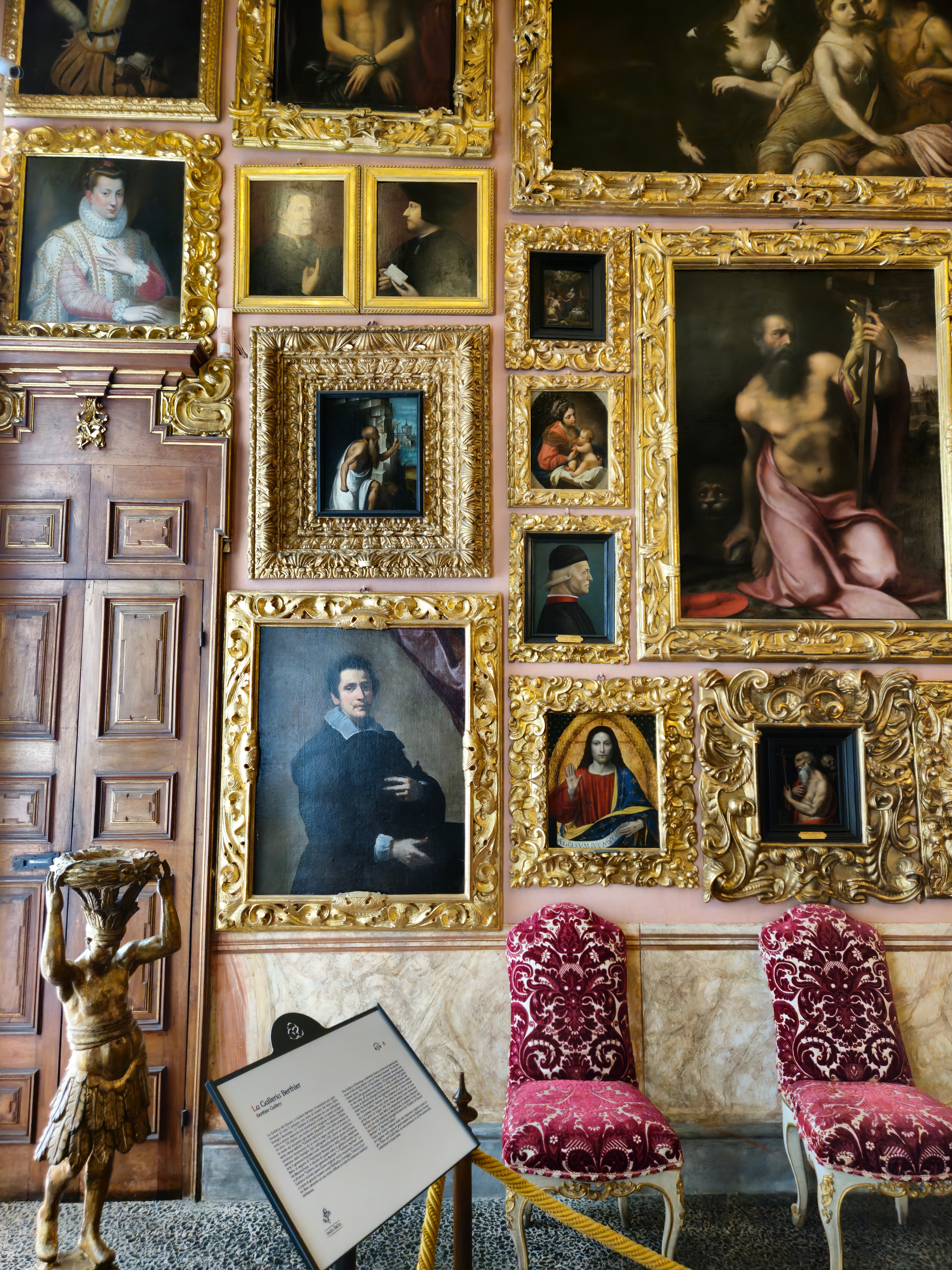
And of course, no visit to Stresa is complete without exploring the crown jewels of Lago Maggiore: the Borromean Islands. Think baroque palaces, secret gardens, a tiny fishing village frozen in time, and even a white peacock or two. Each island has its own personality, story, and surprises. I broke them all down in detail—from what to see to where to eat.
After decades of returning to Lago Maggiore summer after summer, I’ve come to see Stresa not just as a destination, but as a mood—elegant, a little theatrical, yet effortlessly timeless. It may not be my go-to escape when I want quiet dips and sleepy villages, but it is the kind of place that teaches you to pause, to look up at the facades, to linger a little longer over that spritz. Whether you're here for a few days or just passing through on your way to the islands or the mountains, Stresa makes sure you remember her. And once you've walked her lungolago, nibbled on Margheritine, or clinked glasses as the sun sets behind the Alps—trust me, you will.