As an Italian who has spent her life exploring Italy, from its lively cities to its peaceful countryside, I’ve come to deeply appreciate the rich layers of history, culture, and flavor that make this country a truly captivating destination. Among all the regions, Sicily holds a special place in my heart. My affection for the island isn’t just due to the many visits I’ve made, but from an ongoing, personal love affair with its food, landscapes, and people. My first encounter with Sicily was through the majestic Mount Etna, and its stunning beauty has stayed with me ever since. It’s a place where the unexpected is always waiting around the corner, offering new experiences at every turn. Beyond the volcano’s fiery eruptions and ash-filled air, Etna reveals something equally mesmerizing—its fertile slopes give rise to vineyards that produce some of Italy's finest wines. Nestled at the foot of this ancient giant, luxury wine resorts invite you to savor the land’s essence, where the volcanic soil and the region's culinary and cultural heritage merge in the most intoxicating way.
For a quick recap, see my TikTok:
@svadore Mt. Etna isn’t just about lava and craters—it’s wine resorts, slow lunches in hilltop villages, and pasta so good it should be illegal. You can hike it, drink it, eat around it, or just stare at it from a vineyard pool. I did all of the above. Full 2-day guide on svadore.com 🍷🌋 #MountEtna #SicilyTravel #VolcanoViews #WineLoversItaly #ItalyHiddenGems #Svadore
♬ original sound - Sveva Marcangeli
Quick Navigation
~ Arrive in Sicily ~
We touch down at Catania airport beneath a ceiling of moody gray clouds—a rare kind of weather for Sicily, and yet, somehow, it only deepens the island’s mystique. The rain is soft, more of a mist, clinging to the car windows as we pull out of the airport and begin our slow climb toward one of the most powerful natural forces in Europe: Mt. Etna. The air grows cooler, the landscape more rugged, as winding roads take us through blackened lava fields and dense forests shrouded in fog. The volcano rises in the distance like a sleeping giant, its presence both magnetic and menacing. Under these heavy skies, Etna feels otherworldly—ominous, yes, but also quietly sacred.
Most travelers only think of the drama—of smoke plumes and eruptions—but few realize that Mt. Etna is also a haven for something equally intoxicating: wine. This ancient volcano isn’t just alive with fire—it’s alive with flavor. Its mineral-rich soil nourishes some of Italy’s most exciting vineyards, where bold reds and crisp whites flourish on terraced slopes carved by centuries of lava flow. Here, you’ll find wine resorts tucked into the hillsides, offering not just a taste of Sicilian terroir, but an immersion into the very soul of this land.
Fun Facts...
Check-In: Wine Resort
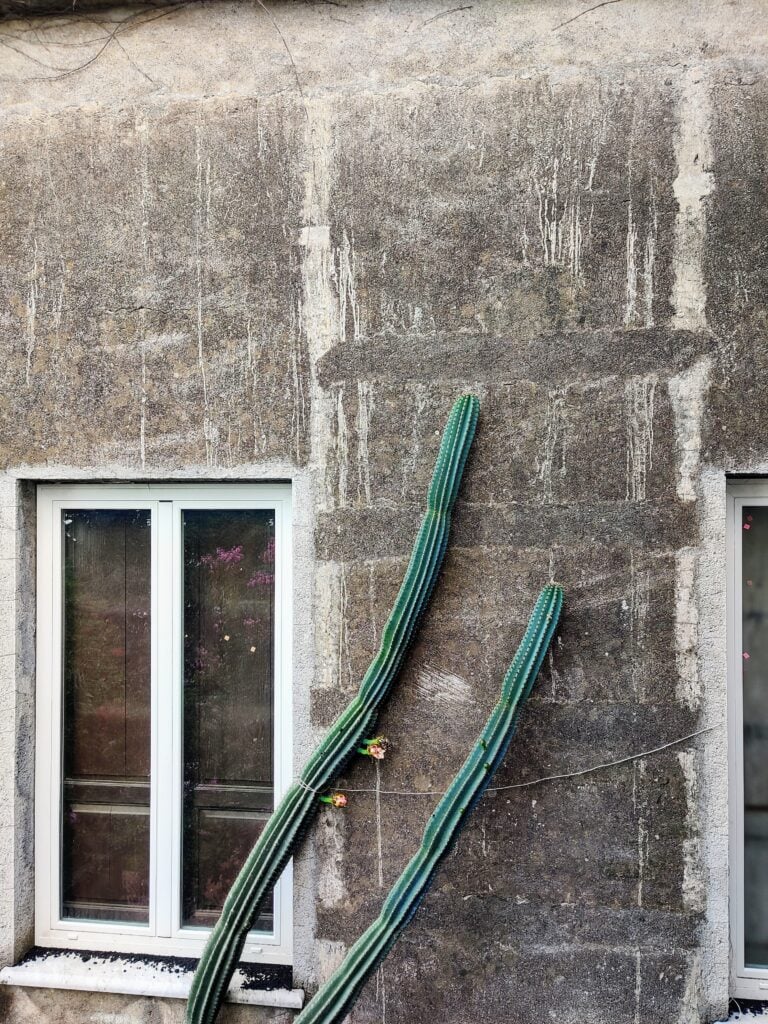
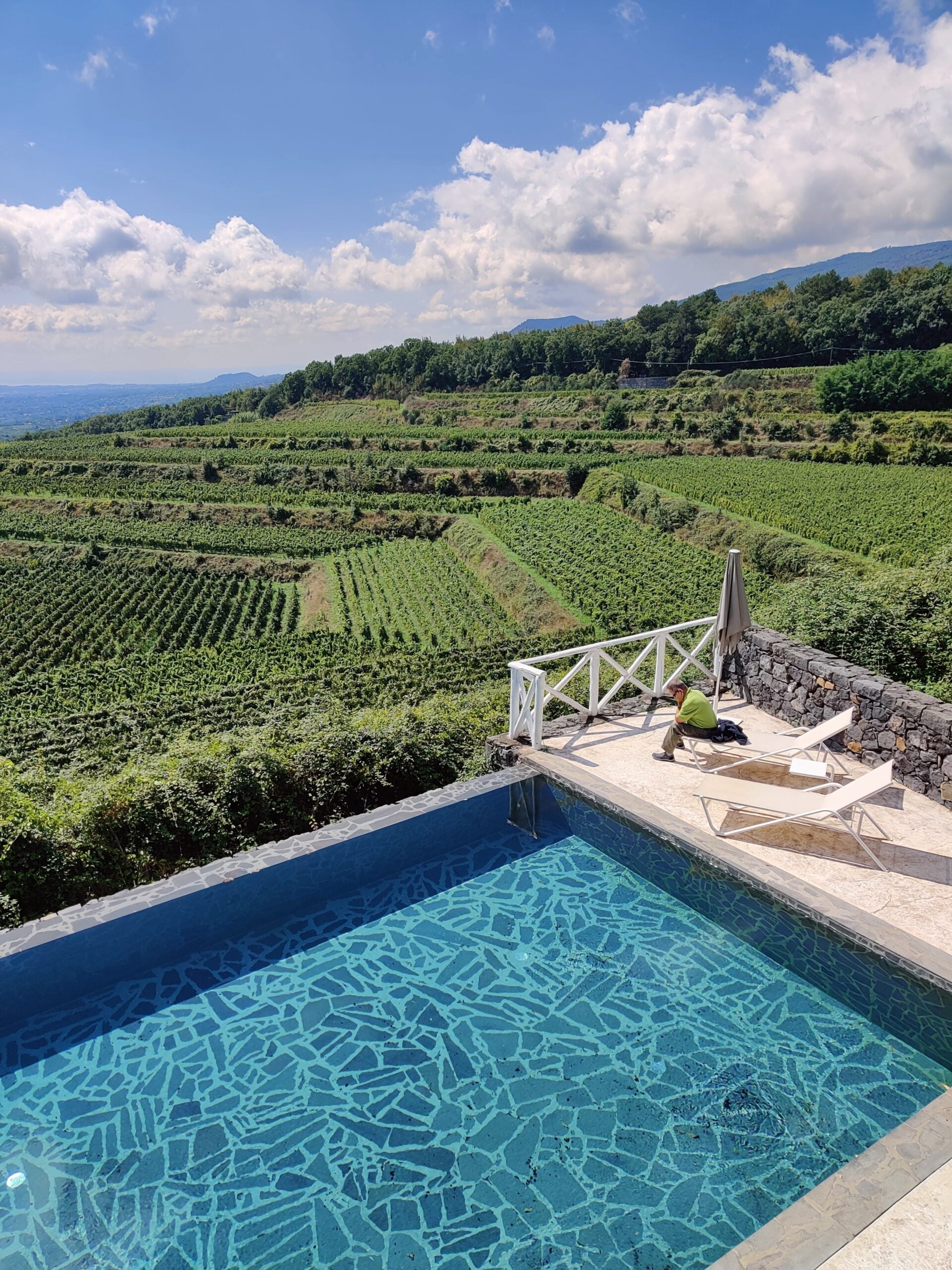
We pull up to one of my all-time favorite wine resorts on the slopes of Mt. Etna—a place I’ve returned to more than once, which says a lot, because I rarely circle back unless a place leaves its mark. This boutique gem has only four rooms, tucked into a sleepy Sicilian town where time moves slowly and the silence feels sacred. The estate stretches across volcanic soil and from the infinity pool you can watch the vineyards roll toward the Ionian Sea like waves of green lava.
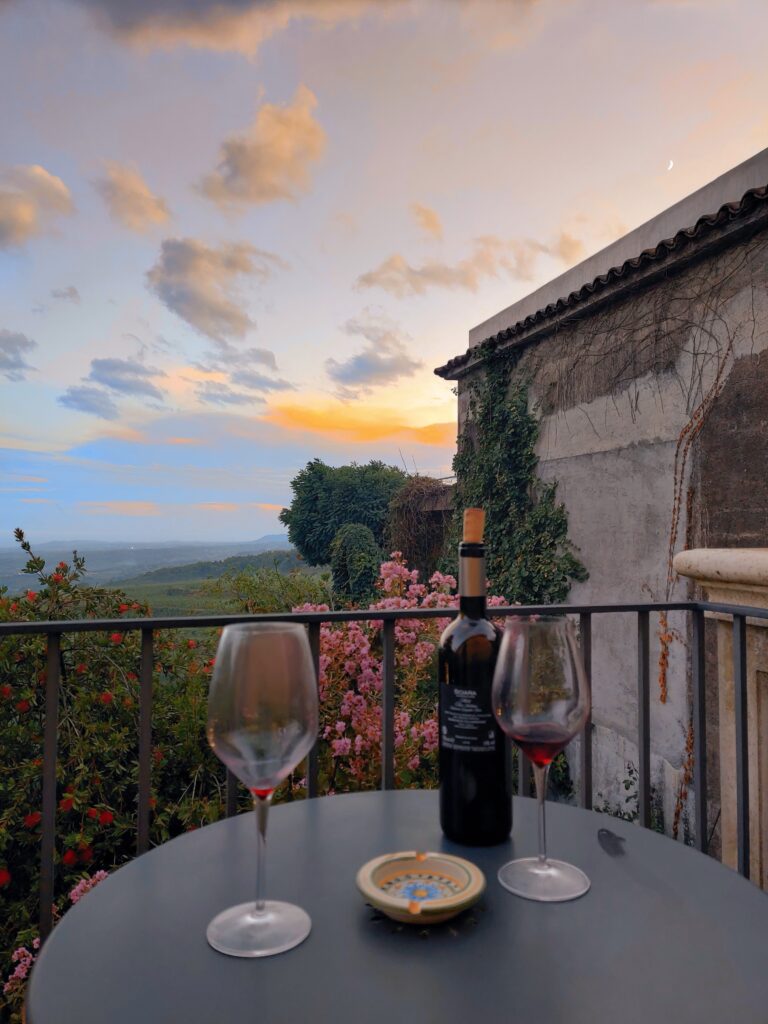
Even if you're not lucky enough to snag a room, the multi-course lunches and dinners here are reason enough to come—meals that still linger in my memory like a good wine on the palate. We sip a glass of their house red, as rich and layered as the land it comes from, then make our way down for dinner—one of those long, slow affairs that seduces all five senses. By the time we crash into bed, the world outside has gone still. Only the distant hum of Etna remains.
Interested in Staying Here?
Purchase my private Google Maps locations below and get the name of this accommodation alongside additional accommodations, things to do, restaurants, activities, natural pools, volcanoes, attractions, and more. You'll have access to all my coveted locations and spots, straight to your phone.
Dinner: Wine Resort
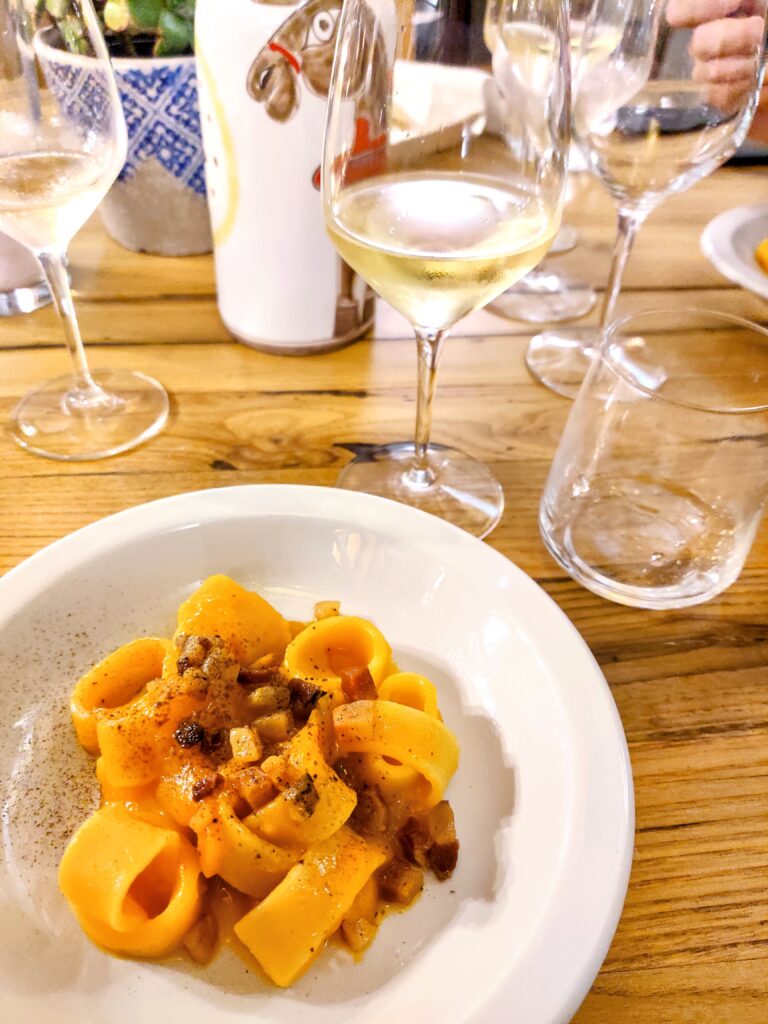
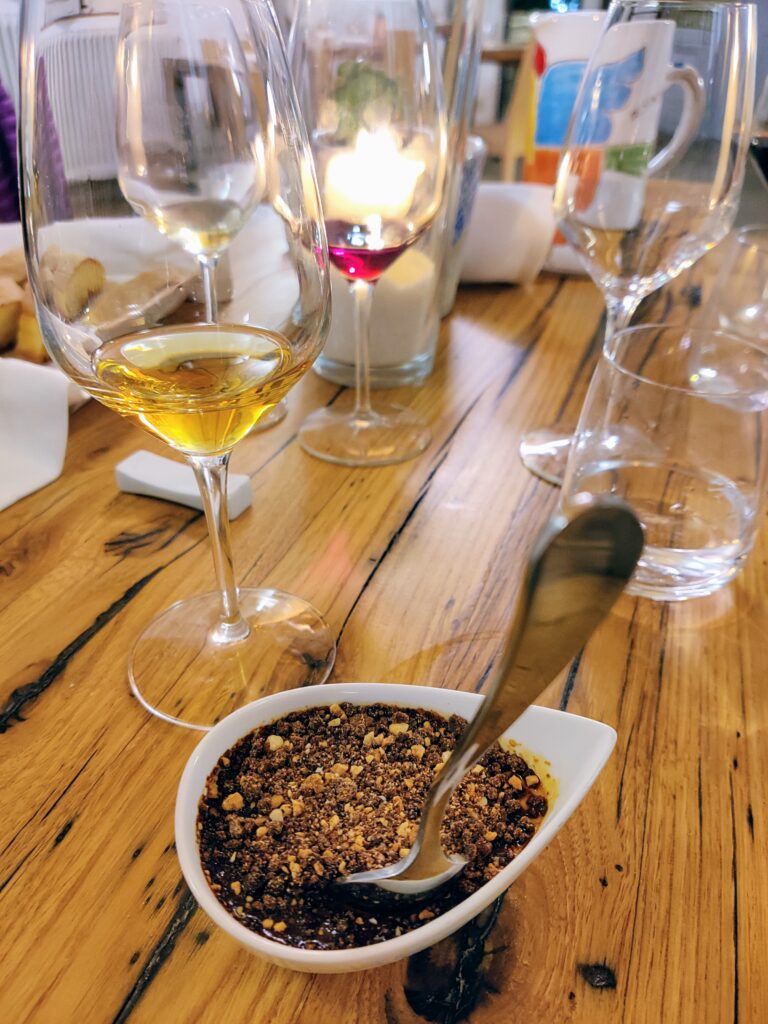
We pull up to one of my favorite wine resorts on the slopes of Mt. Etna—a place I’ve actually returned to, which says a lot. With just four rooms tucked into a quiet Sicilian town, it’s the kind of spot where time slows and silence feels golden. The estate stretches across volcanic soil, and from the infinity pool, the vineyards tumble down toward the Ionian Sea like waves of green lava.
Even if you don’t stay overnight, the multi-course meals alone are worth the stop—some of the best I’ve had in Sicily. We sip their house red, bold and earthy, before heading to dinner, where every bite tells a story. By the time we hit the sheets, Etna hums softly in the background like a lullaby.
Interested in Staying Here?
Purchase my private Google Maps locations below and get the name of this accommodation alongside additional accommodations, things to do, restaurants, activities, natural pools, volcanoes, attractions, and more. You'll have access to all my coveted locations and spots, straight to your phone.
~ Day 1: Mount Etna ~
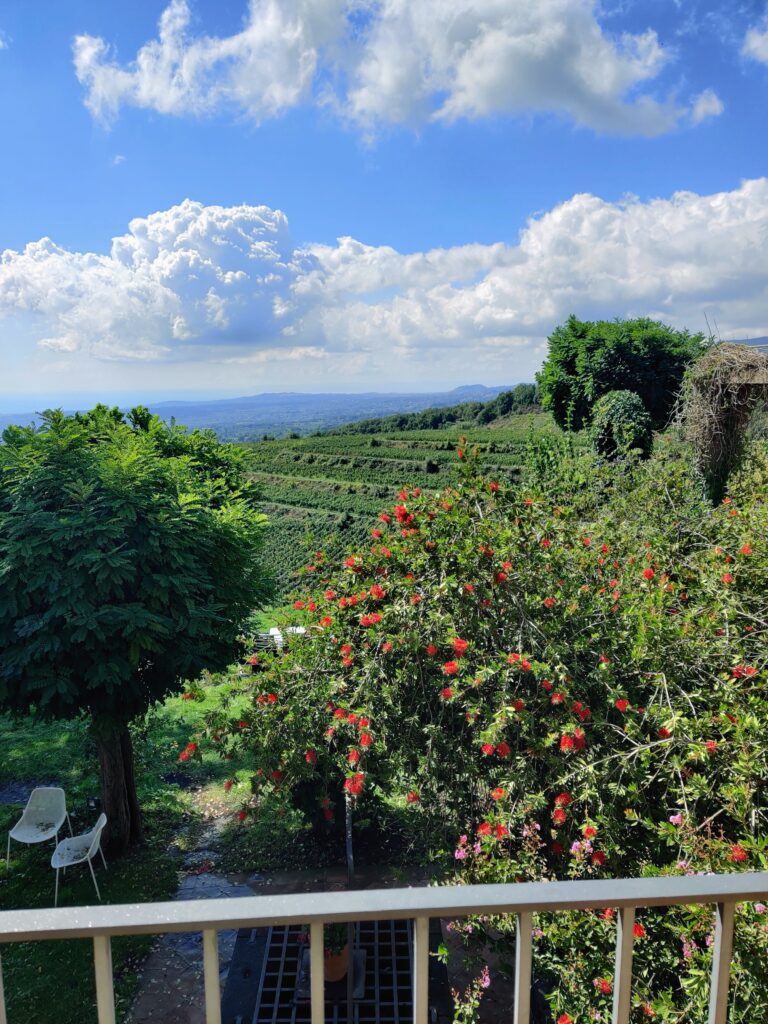
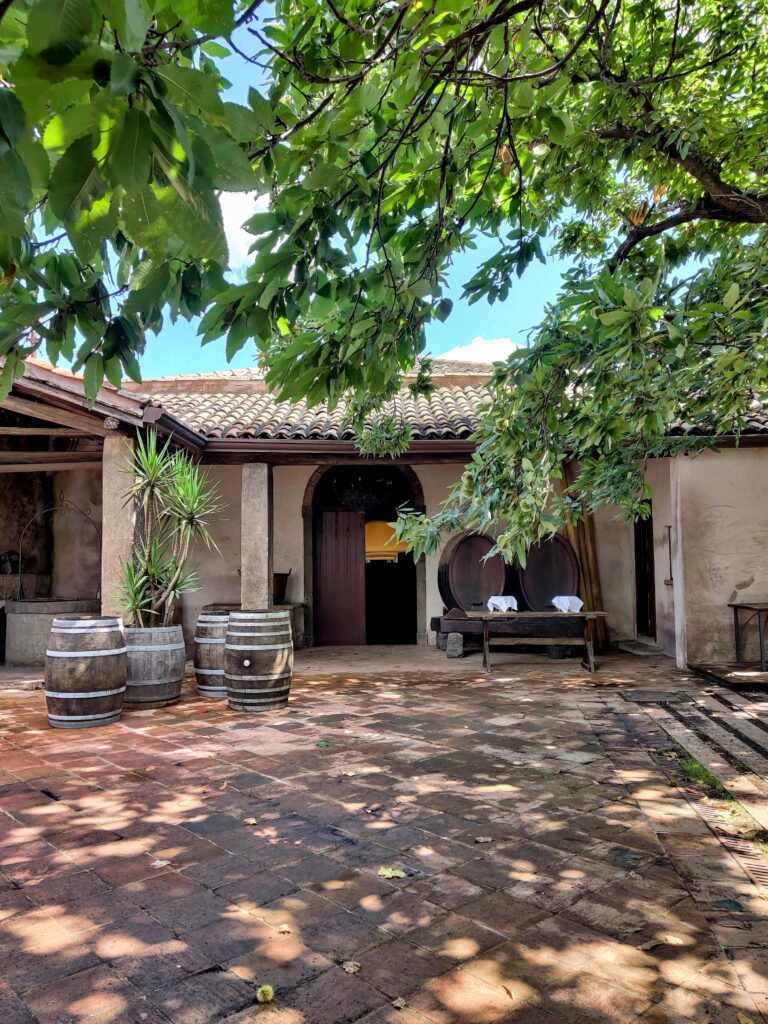
We woke to a softer world. The storm had passed, and the lower slopes of Etna were bathed in morning light, the kind that makes everything feel a little more alive. The infinity pool shimmered like a sheet of glass, catching the sun’s first golden rays. Breakfast was waiting—fresh fruit, Sicilian jams, and the croissant. Warm, flaky, impossibly buttery, and straight from the oven. I always have two. No shame. It's the best croissant (or brioche as they call them down South) I've ever had in my life to this day.
With full bellies and a slight pastry-induced high, we set off for our morning adventure up the volcano. The pool would have to wait—it wasn’t going anywhere, and neither was that view.
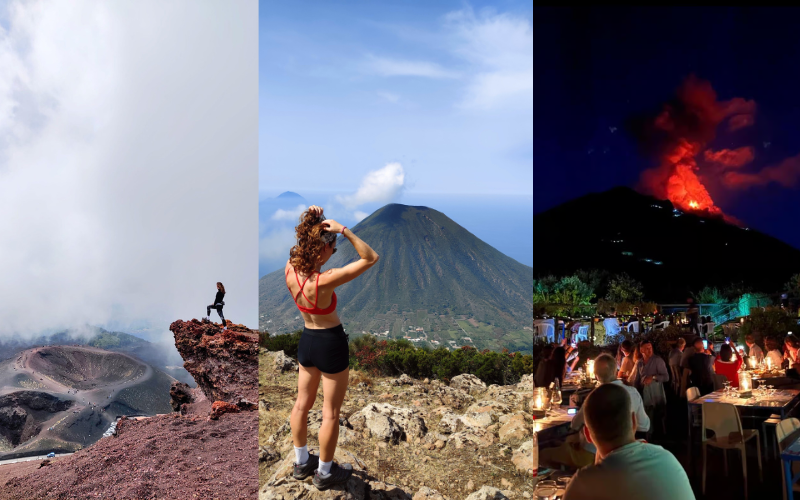
Morning: Hike Mount Etna
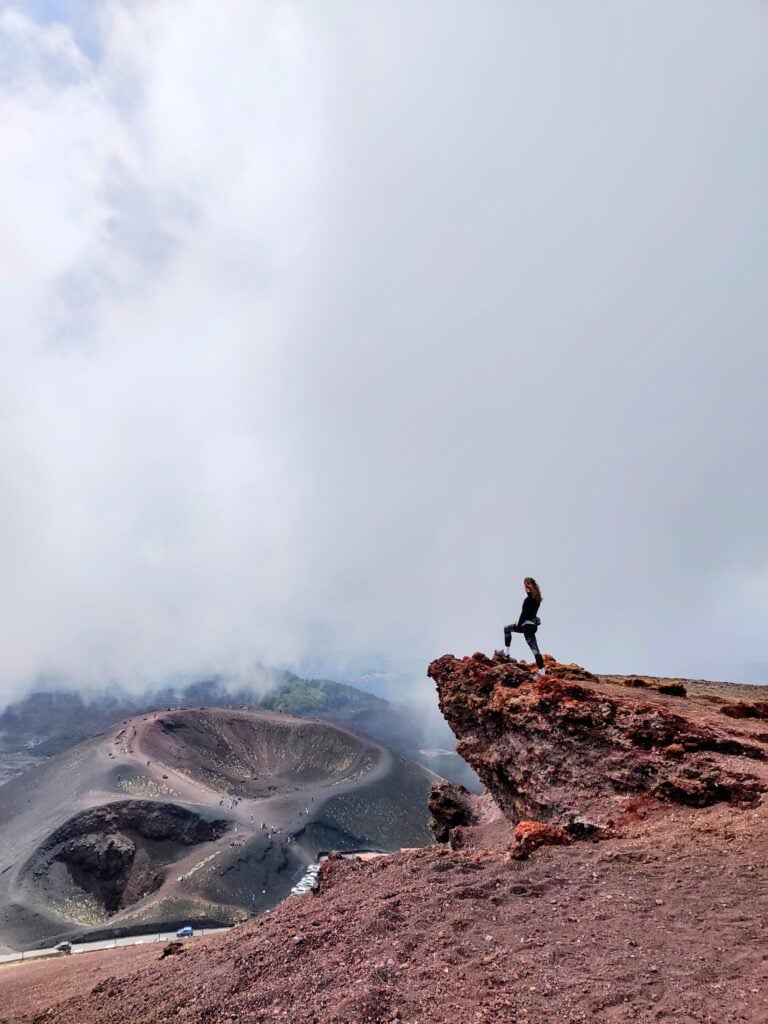
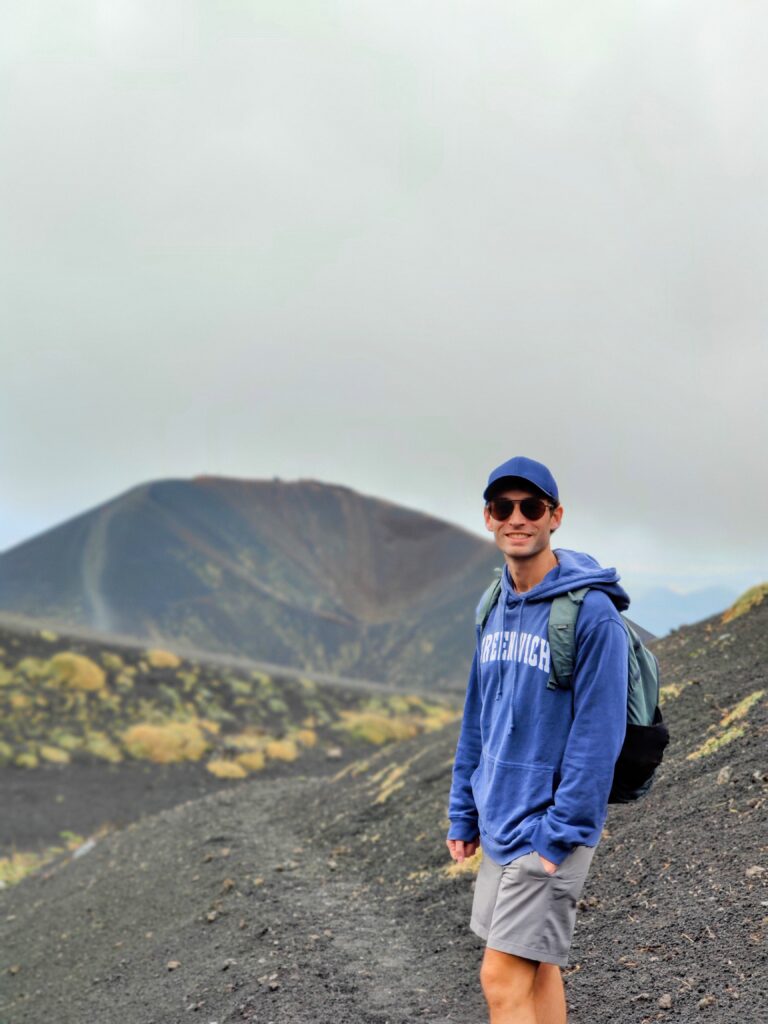
My Experience Hiking Mount Etna and the Silvester Craters (Without A Guide)
Climbing one of the world’s most active volcanoes with no guide and no real plan? Bold. That’s exactly what we did on Mount Etna. We started at the Silvestri Craters—Etna’s “ground floor”—and hiked up into the ash-covered unknown. The weather shifted fast: sunny and warm at the base, icy wind and thick fog up top. The higher we climbed, the more primal it felt—like the volcano was reminding us who’s in charge. We didn’t make it to the summit (fog and volcanic quicksand will do that), but the otherworldly landscape made every step worth it. Thinking of going? There’s also a cable car—if you’re not in the mood to channel your inner survivalist.
Lunch: Zafferana Etnea
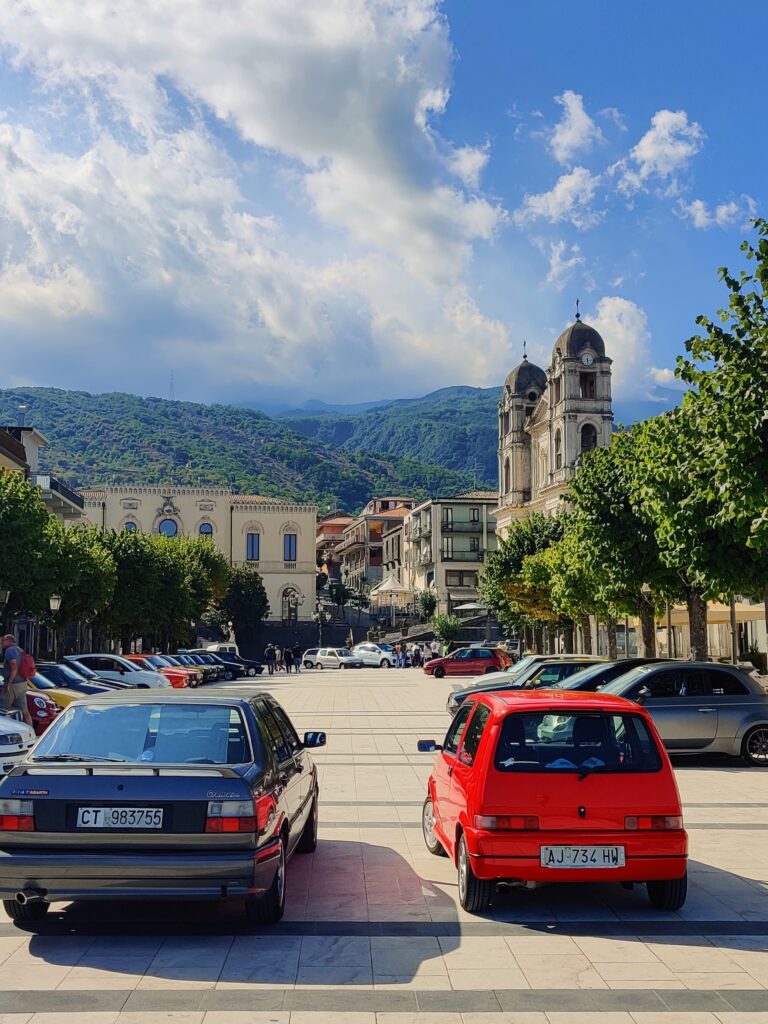
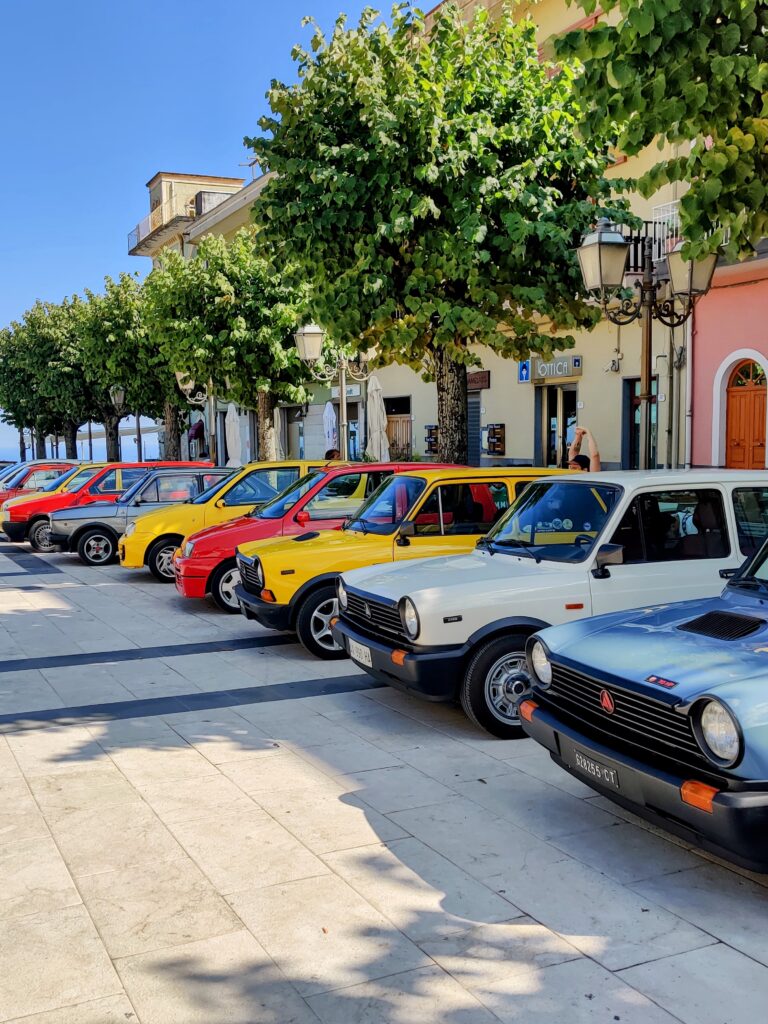
We hadn’t planned on stopping in Zafferana Etnea—it was one of those serendipitous detours born from hunger and a quick scroll through Google Maps. That’s how we found Donna Peppina, a charming pastry shop that’s been around since 1924. We pulled into town expecting just a bite to eat, and instead stepped into a slice of old-world Sicily.
Zafferana’s main square is pure magic: a sun-warmed piazza anchored by a grand church, with Mount Etna looming in the background like a sleeping giant. From the edge of the terrace, you can spot the quilted vineyards tumbling down toward the Ionian Sea. The scene feels plucked from a film set, especially with the lineup of tiny, boxy cars parked along the square—old Fiat 500s, vintage VWs—not staged, just part of everyday life here. What’s “vintage” to us is just Tuesday to the locals.
And if you’ve ever lived on the slopes of Etna, you know this is the place to enjoy a siciliana—a crispy, golden fried pizza stuffed with tuma cheese, anchovies, and olives, folded like a love letter and fried in lard. It’s a local rite of passage. Donna Peppina herself introduced it nearly a century ago, and the original shop still stands proudly in the same spot, serving generations of hungry wanderers and townsfolk alike.
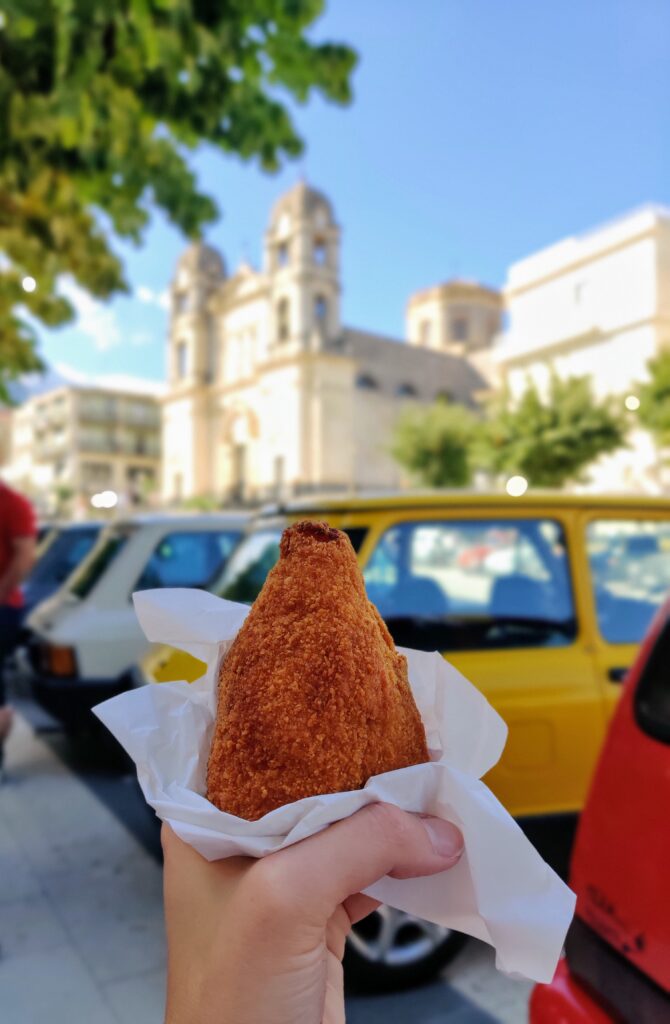
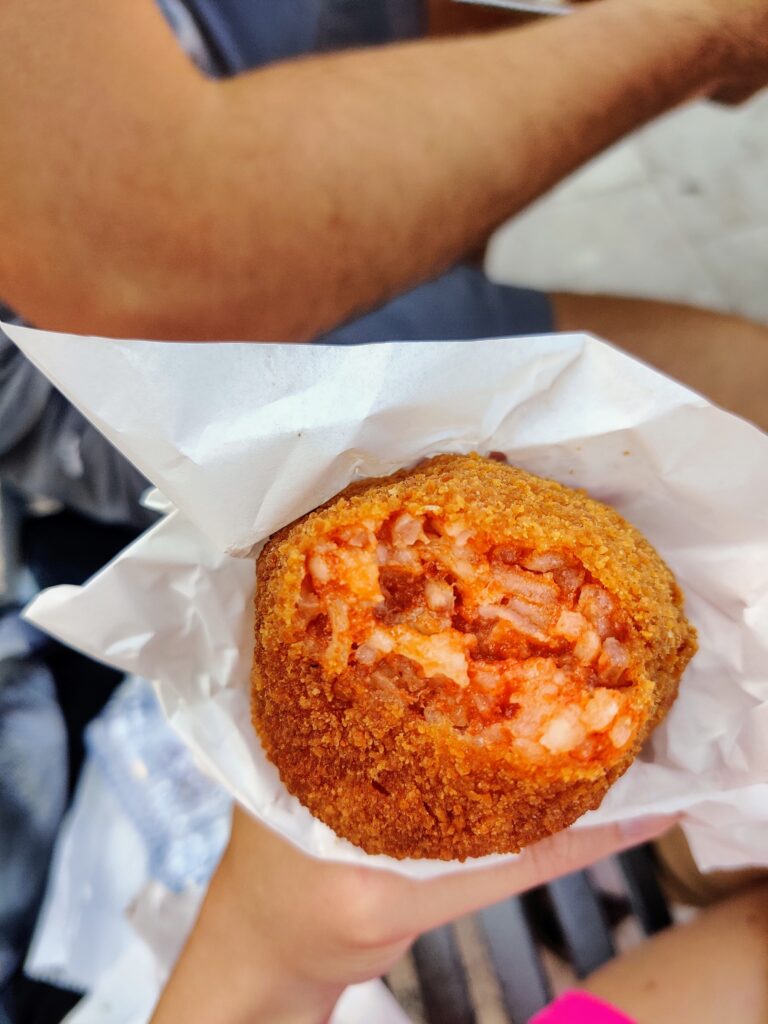
We skipped the fried pizza this time and went for something lighter (debatable): two perfectly crisp arancini. Sicilian to the core, arancini are deep-fried rice balls filled with ragù and gooey cheese—crunchy on the outside, molten on the inside. Street food, sure, but with soul.
Want to taste another local food?
Zafferana Etnea Honey is made from the chestnut flowers of Mount Etna and is a great addition to desserts or fruit salads. There's a local family honey farm (or apiary) called Oro d'Etna (i.e. the gold of Etna) just on the outskirts of Zafferana Etnea that you can visit for tastings! The place offers a FREE 30-45 minute tour where you can watch them extract the honey live from the bees and taste their products. In the same establishment they also offer wine and olive oil, sun-dried tomatoes, and 8 different types of oven baked bread tastings in a rock cantina from 1792.
Afternoon: Chill at Wine Resort
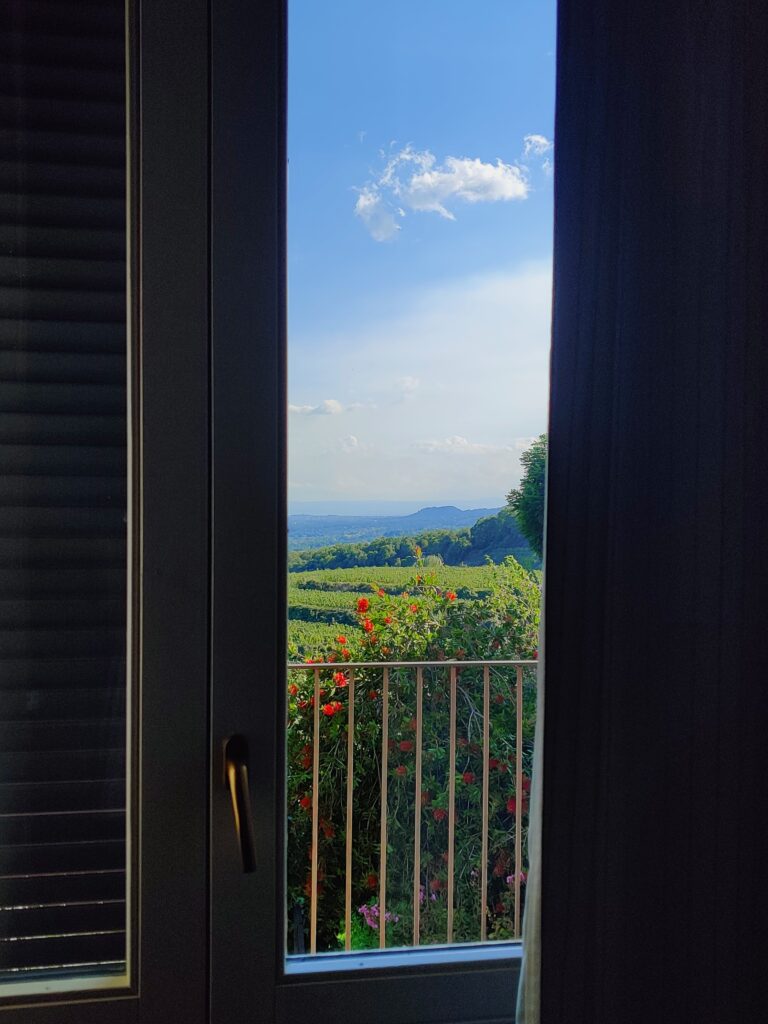
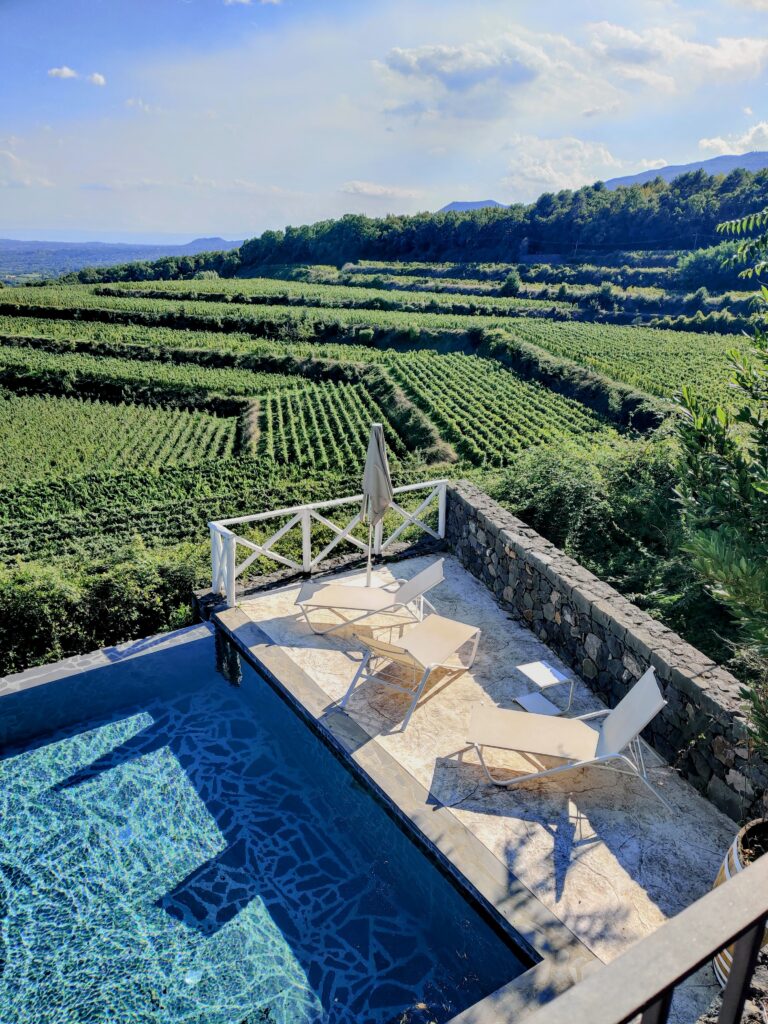
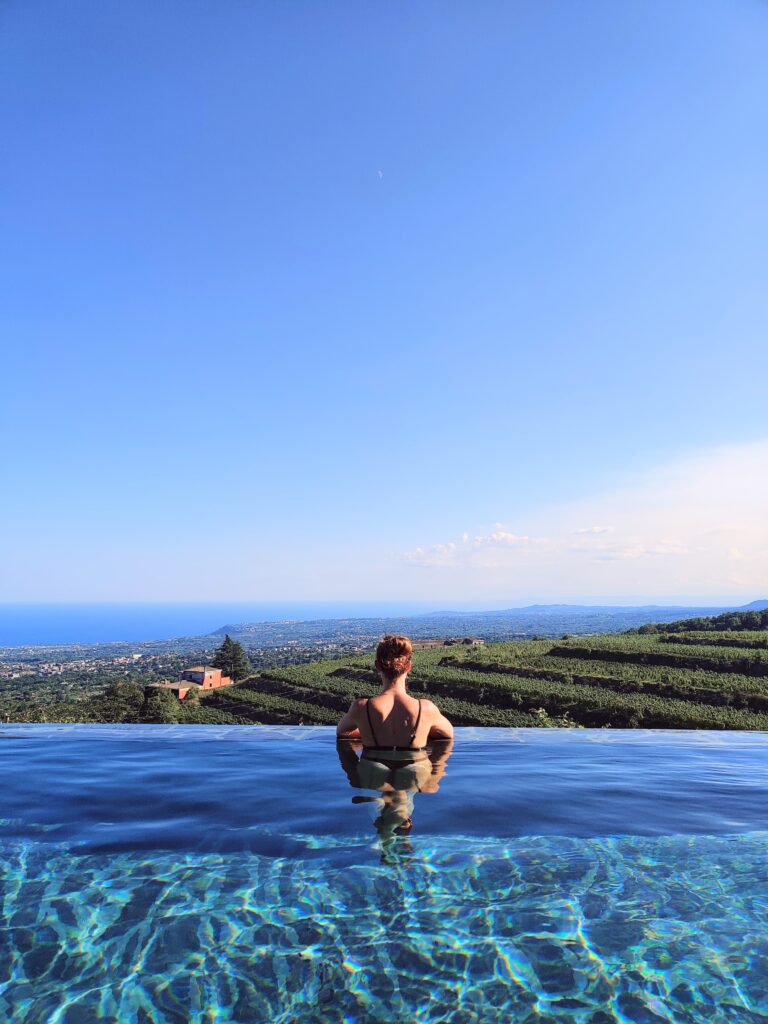
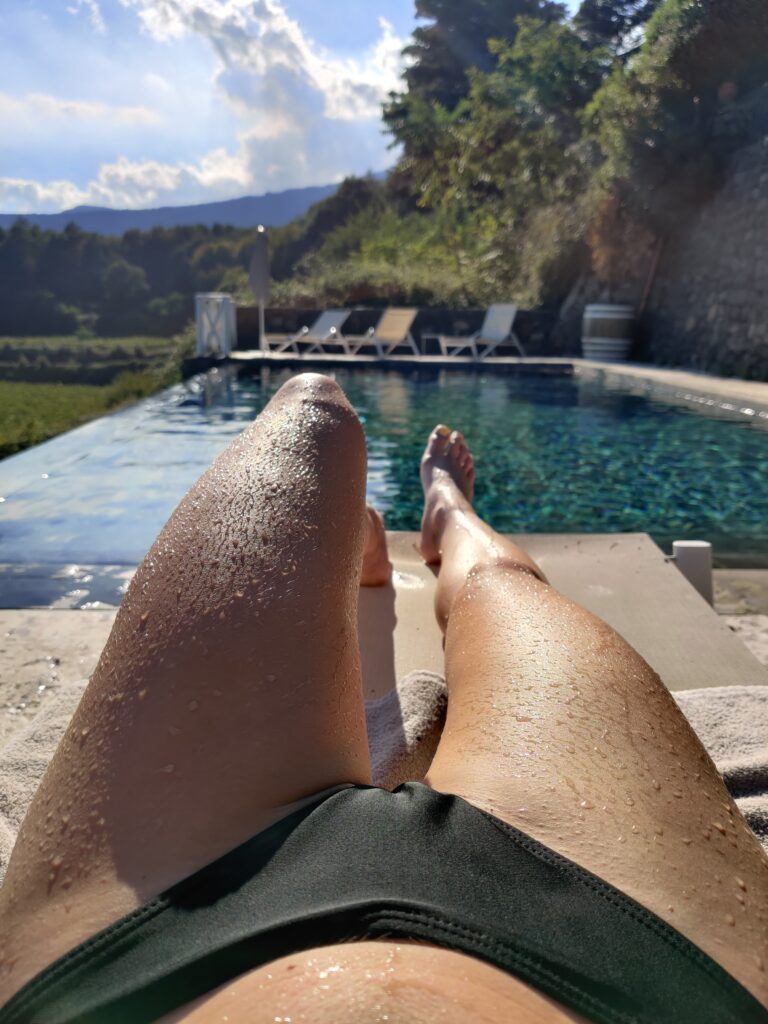
After our morning hike, we slipped back to the resort and collapsed into one of those deep, delicious naps only Sicily can deliver—the kind where the breeze carries hints of wild herbs and distant sea salt, and time just sort of... disappears. When we finally woke, we wandered down to the infinity pool, still groggy in the best way, and eased into the water with a glass of the wine resort's wine in hand. The view stretched endlessly—terraced vineyards cascading down to the Ionian Sea. Just as the silence settled, Etna gave us one of her signature murmurs—a soft rumble, followed by a gentle drizzle of ash floating from the sky like volcanic snowflakes. Not threatening, just a reminder that this blissed-out moment was taking place on the slopes of a living, breathing giant.
Interested in Staying Here?
Purchase my private Google Maps locations below and get the name of this accommodation alongside additional accommodations, things to do, restaurants, activities, natural pools, volcanoes, attractions, and more. You'll have access to all my coveted locations and spots, straight to your phone.
Dinner: Wine Resort
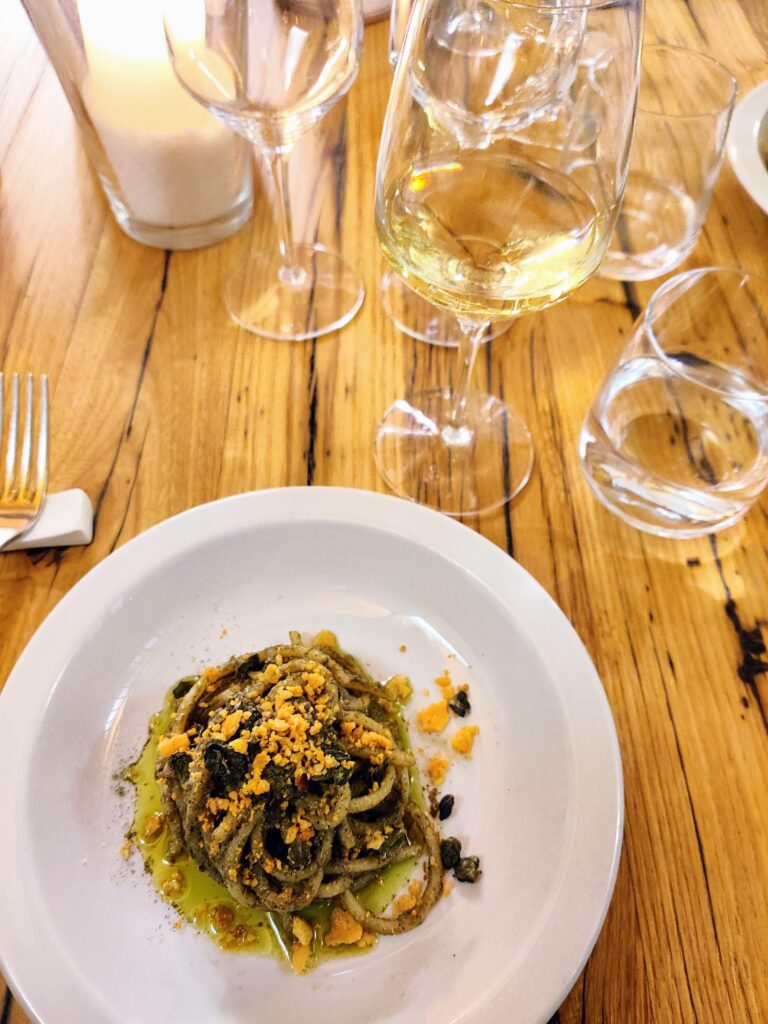
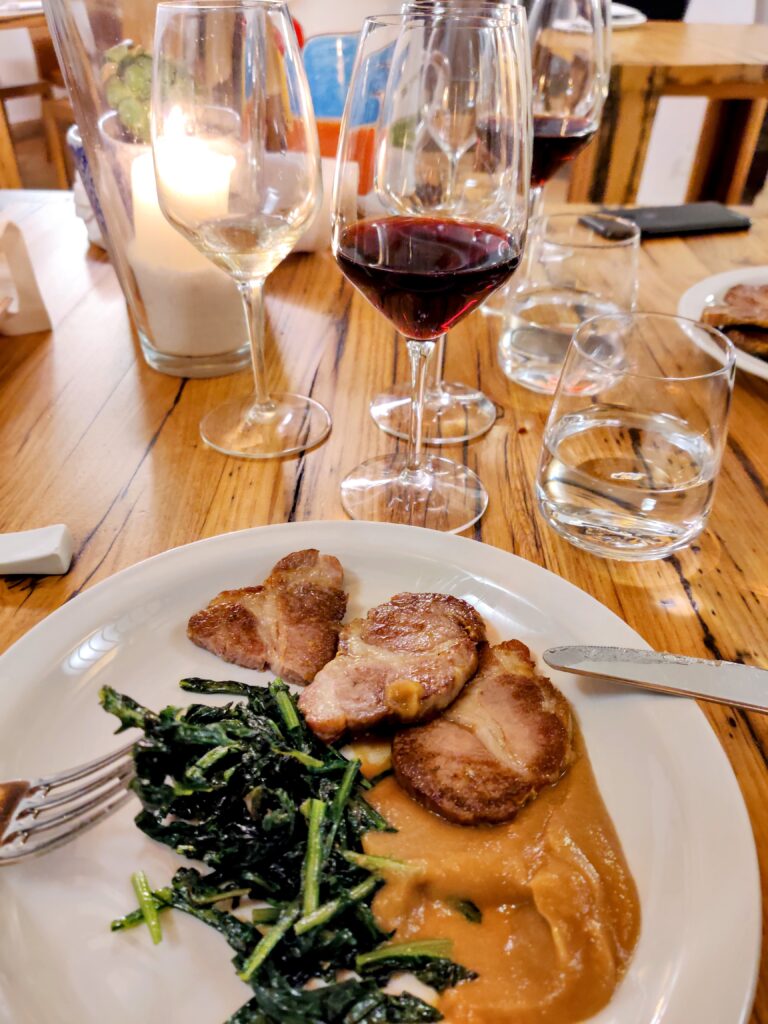
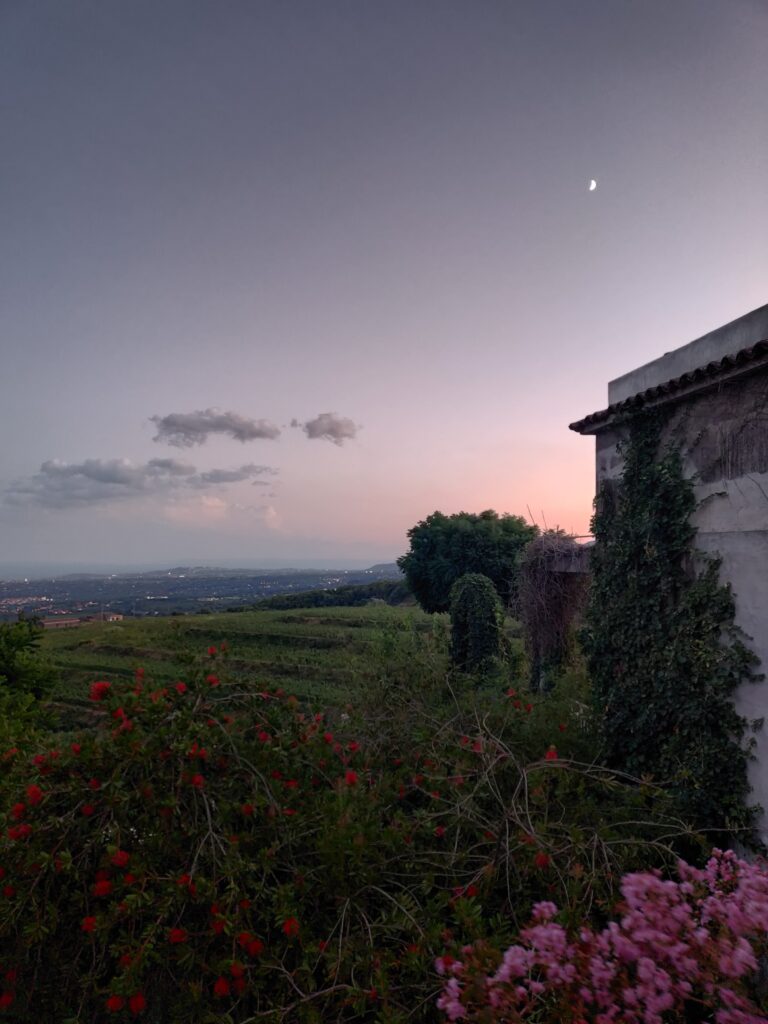
Dinner is at the boutique hotel again for their delicious multi-course menu with wine pairings. It's so good, you'll want to eat here for breakfast, lunch...and dinner.
~ Day 2: Taormina & Pistachios ~
Morning: Taormina
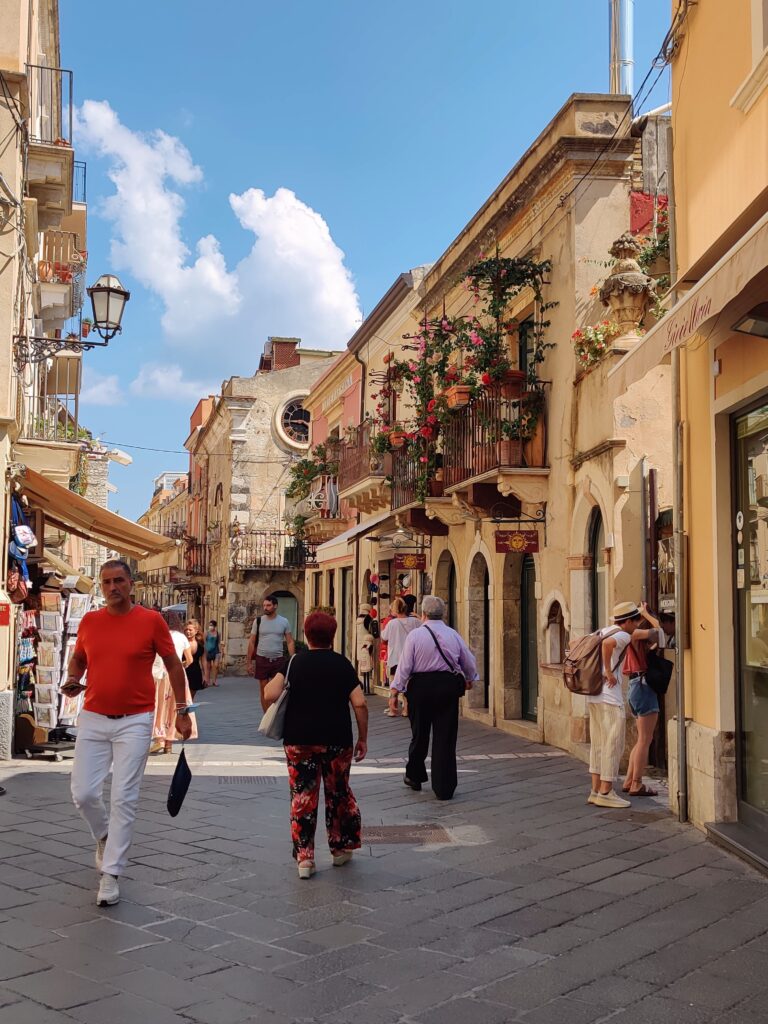
Here’s the thing—Taormina is stunning, no doubt about it. It’s perched high above the sea with views that could make your heart skip a beat, and yes, the ancient theater is jaw-dropping. But as an Italian, I have to say…it doesn’t feel like Sicily. It’s more of a beautiful stage set, dressed up for an audience of wide-eyed tourists. Think Amalfi vibes in Sicilian clothing. The streets are spotless, the boutiques are polished, and the prices are eye-watering. It’s the kind of place where you’ll hear more English than Italian. I always recommend a quick visit—wander through, soak up the views, maybe sip a spritz overlooking the coastline—but don’t stay the night. There’s so much more of Sicily that feels raw, real, and deliciously imperfect. That’s where the magic is.
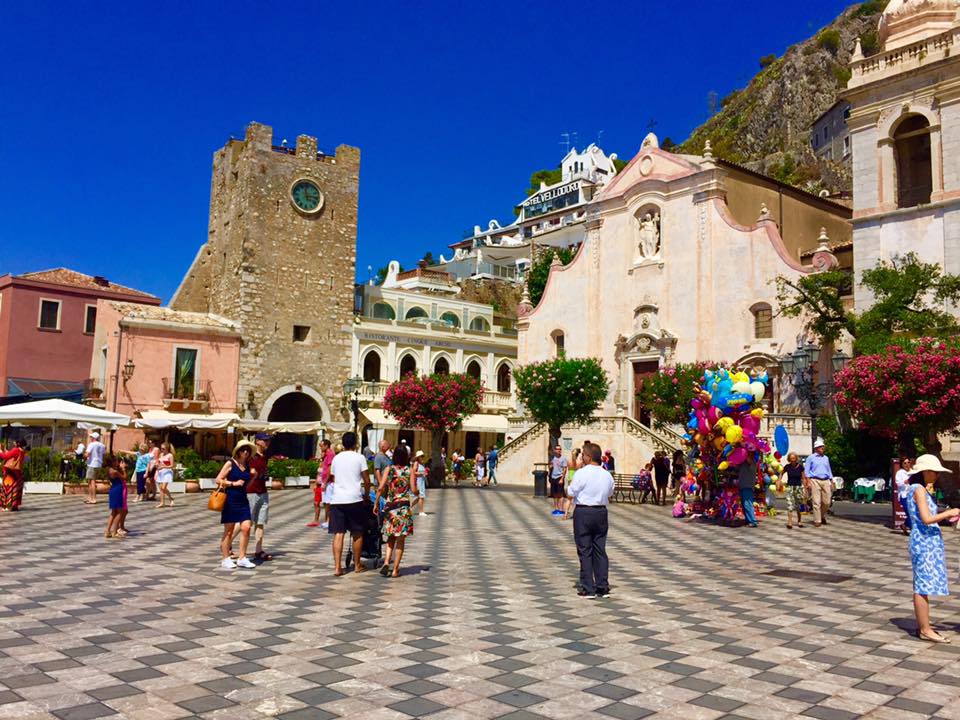
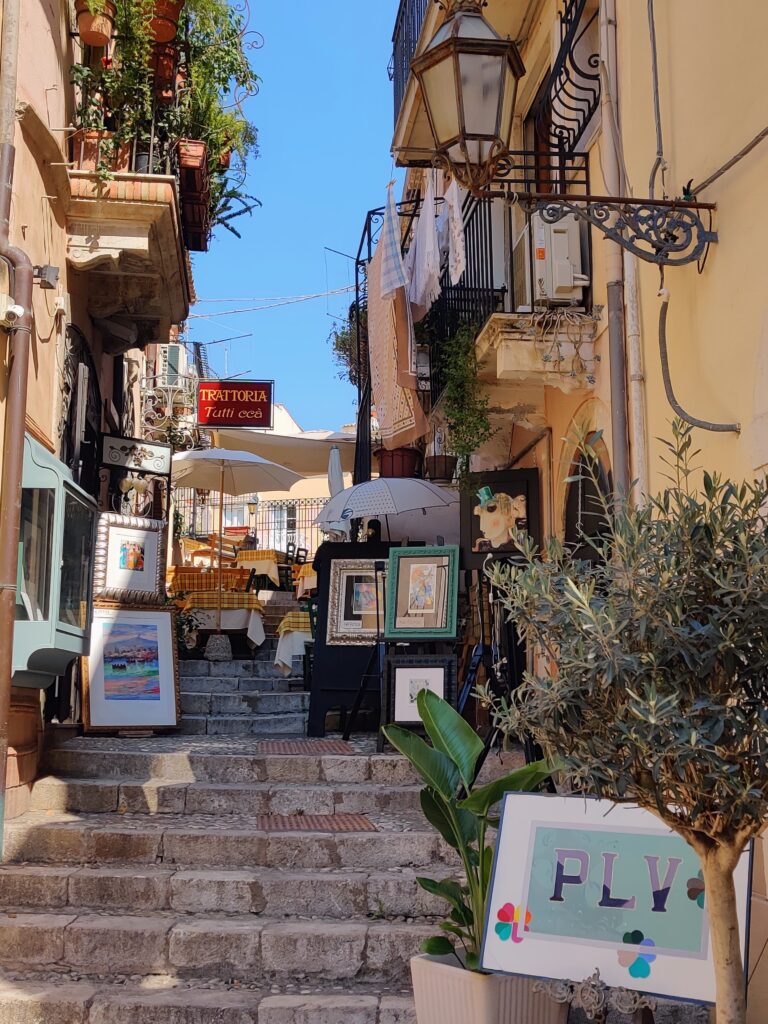
6 Iconic Things to Do in Taormina, Sicily
Taormina, perched above the Mediterranean Sea near Mount Etna, is renowned for its breathtaking views and historical significance. While its beauty is undeniable, the town has become a popular tourist destination, which some feel has diminished its authentic Sicilian charm. Visitors can explore the main square, Piazza IX Aprile, known as the "good living room" of Taormina, offering panoramic sea views and rich history. Nearby, the public park Parco Colonna, originally a private retreat for Lady Florence Trevelyan Cacciola, provides a serene escape with classical statues and lush flora. The ancient Greek Theatre, Teatro Antico di Taormina, stands as a testament to the town's historical depth. While Taormina may not capture the raw essence of Sicily, its picturesque landscapes and cultural landmarks make it a noteworthy stop for travelers.

Afternoon: Linguaglossa
If Salina's "green gold" is the caper, then Mount Etna's is its vibrant pistachio—specifically the Pistacchio Verde di Bronte, a jewel of the island, and a DOP (Protected Designation of Origin) treasure. These emerald gems are woven through every corner of the local cuisine, from refreshing granita to the rich filling of cannoli, and even making their way into pastas and arancini. But for a true taste of Etna's pistachio magic, Bar Pasticceria Santo Musumeci in Linguaglossa is the place to be, where you’ll find some of the best pistachio pastries the volcano has to offer. And if you're lucky enough to be in Bronte during the festival, the "sagra" at Bar Conti Gallenti is an annual celebration where the pistachio takes center stage, as the town’s passion for this green gem is brought to life in every bite.
Afternoon: Wineries & Randazzo
If you’re craving a bit more action and aren’t in the mood to spend another afternoon by the pool, why not venture out to explore some of the other remarkable wineries in the area? Take a scenic drive along the Mareneve road to Palmento Costanzo, a winery nestled within the Parco dell’Etna. Here, grapes grow on terraces made from dry lava stones, a living testament to the region’s volcanic history. Alternatively, you could visit the Castiglione di Sicilia winery or the Winery Passopisciaro, a restored old farm and cellar perched high on Mount Etna’s slopes since 2010. Afterward, head to the charming village of Randazzo.
Randazzo, with its medieval walls and cobblestone streets, is a town that’s as much about its crafts as it is its wine. Famous for both, it's the perfect spot to pair a glass of local wine with traditional dishes like baked noodles with mushrooms, mushroom soup, or the rich "filet all’alpina." And let’s not forget the star of the show—Bronte pistachios, which appear in many regional specialties. As you wander through the town, begin your tour along Via Duca degli Abruzzi, passing the Benedictine nuns’ convent and making your way to the stunning Cathedral of Santa Maria. Be sure to stop by the Licari Palace, the Medieval Quarter of San Martino, and the Palazzo la Scala, once a royal summer residence rebuilt after the 1693 earthquake.
Sicily is a land of endless possibilities, and while Mount Etna makes for a marvelous home base, it’s just the beginning of the adventure, the true magic of Sicily lies in the journey itself. Every few miles, the landscape shifts, and with it, the culture, the people, and the vibe. It’s a patchwork quilt of experiences, each more vibrant than the last. But if you're not quite ready to say goodbye to volcanic wonders just yet, the Aeolian Islands await as a great compliment to Mount Etna.
- How to Get Around Mount Etna -
The best way to explore Mount Etna is by car. Renting your own vehicle is a must. Sure, some people opt for a taxi service to shuttle them from winery to winery, but that’s not the most practical—or affordable—option. Trust me, Italy isn’t about getting tipsy at wine resorts; it’s about enjoying your wine with a stunning view, savoring a great lunch, and then driving to your next spot. It’s about embracing the experience with a sense of balance and respect for the land. Without a car, you won’t be able to move around easily.