My parents and grandparents are from Milano and Lago Maggiore, and I myself visit Italy at least once a year. As an Italian-American who has spent over 30 years visiting Italy (one could say basically a resident), I know the culture, language, nuances, and true local experiences of the country. That's why I'm the perfect person to shed light on local places that most international travelers wouldn't consider when visiting Italy, such as the Aeolian island of Salina.
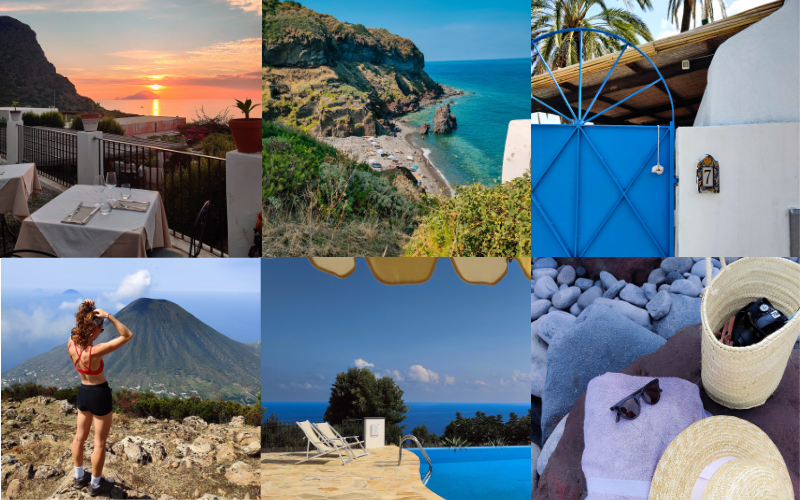
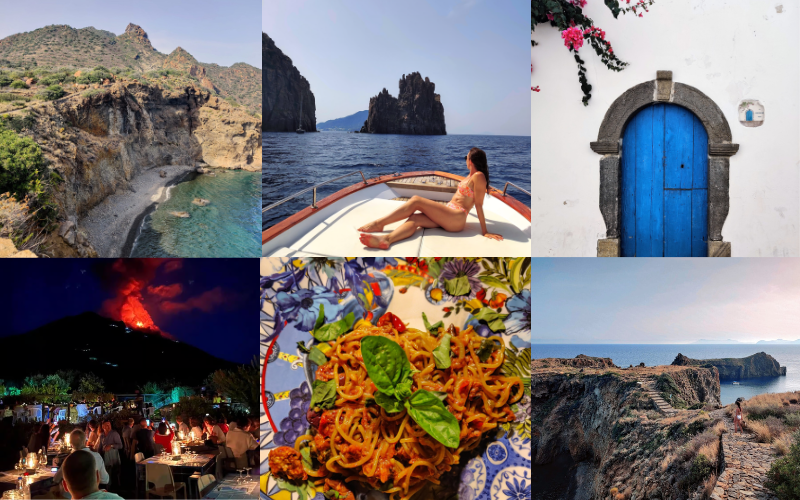
Salina is the second largest of the Aeolian islands and is considered, with Panarea, as the chic options to visit. In 2019, Salina was awarded the title of most beautiful island in Italy by CNN, where you will find full olive trees and sprawling vineyards. Salina has 3 main centers: Malfa, Leni, and Santa Marina. The entire island is connected through an intricate road system twisting along mountain slopes that cross flows of lava with striking patterns.
Fun Facts about Salina
- Half of Salina is covered by a natural reserve with hiking trails for all levels.
- The island’s name comes from a former salt (saline) lake in the village of Lingua.
- Salina is the greenest island in the archipelago.
- Many famous people known around the world prefer this quiet landing place on Salina for absolute privacy. In the month of August, you can meet the designers Dolce and Gabbana, Armani, or international actors and singers like Sting.
Let's start off by answering some commonly asked questions...
What is Salina famous for?
Salina is famous for a few things actually. The most well-known is that Salina is one of the only places that produces Malvasia white wine. However, what many don't know, is that Salina also claims to produce the best capers in the world - recognized as a Slow Food Presidium - and hosts an annual caper festival in early June.
How to get to Salina?
In order to get to Salina, you have to take a 1 - 1.5 hour ferry from the main port on the island of Salina, Milazzo. You can take the passenger ferry or car ferry.
How long to spend in Salina?
Any amount of time spent on Salina is worth it, but a good rule of thumb to see it all is a minimum of 4 days and that's if you want to be "go, go, go!" If you want to include some down-time, which I highly recommend, consider a full week.
What is the best time to visit Salina?
June and September, or "shoulder seasons," are the best times to visit Salina if you want to avoid the Italian summer crowd. The weather is nice and the sea is warm enough to swim in.
Where to Stay in Salina?
There are plenty of stunning accommodations on Salina. I personally am not a fan of staying in port towns, so I would not stay in Santa Marina. I loved staying in the village of Malfa. Jaw-dropping views, small and local village feel, and plenty of boutique hotels overlooking the water.
Quick Navigation
- Arrival -
Check into Boutique Hotel
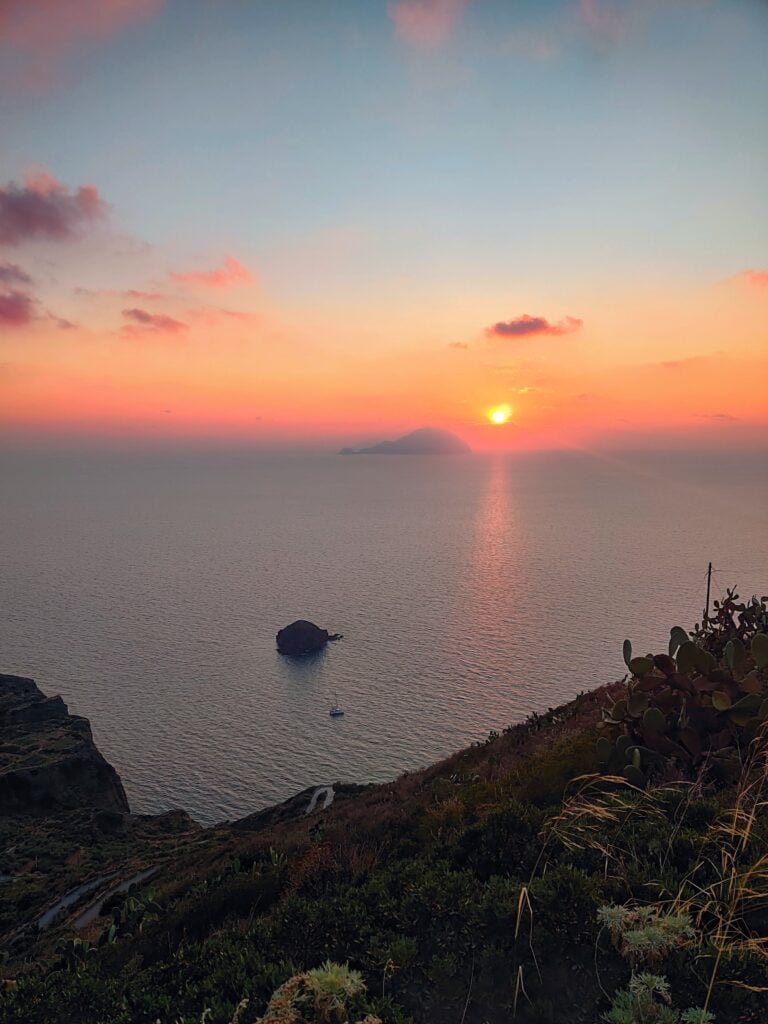
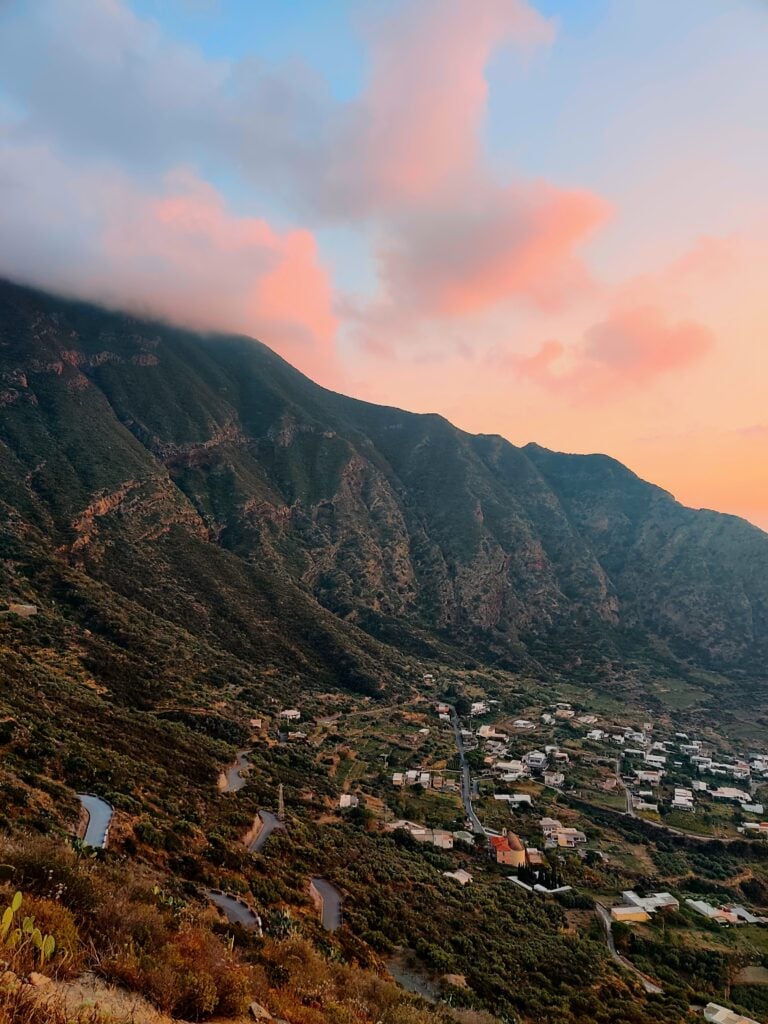
On the drive in to the boutique hotel, we stopped by Punto Panoramico Semaforo di Pollara lighthouse. This panoramic viewpoint is where you can admire one of the most beautiful sunsets in the world. It overlooks the bay of Pollara, which is the only beach and town in Italy built on the remains of a volcanic crater. The area is located at the foot of the ruins of the so-called Castle, or watchtower, of Pollara.
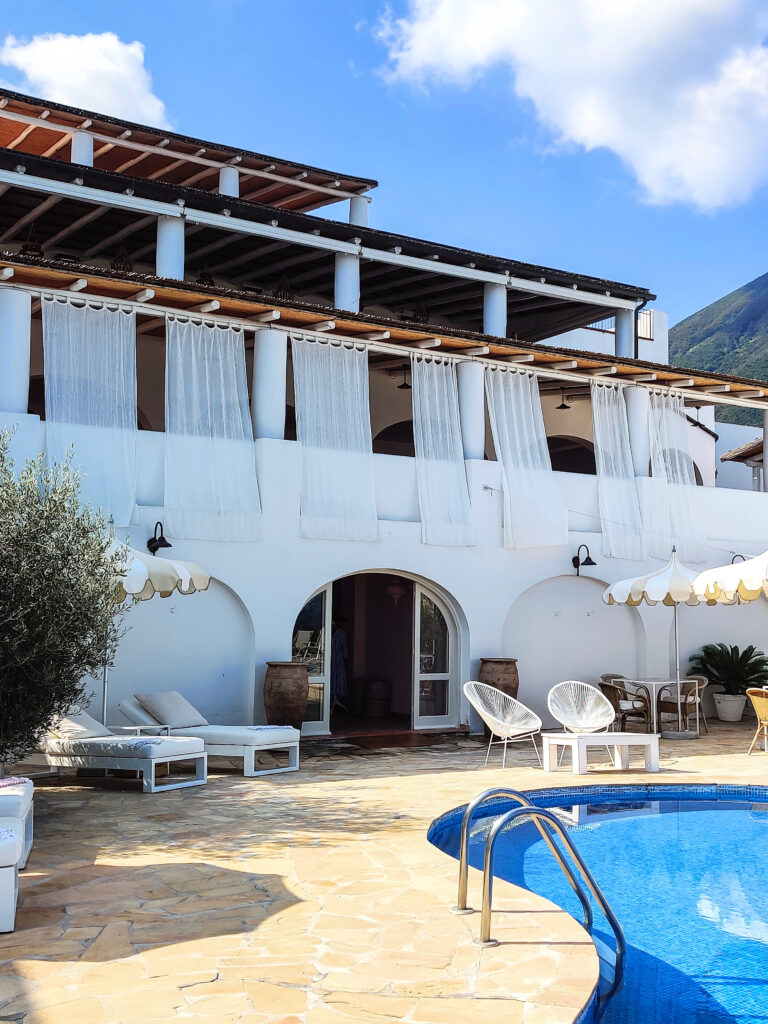
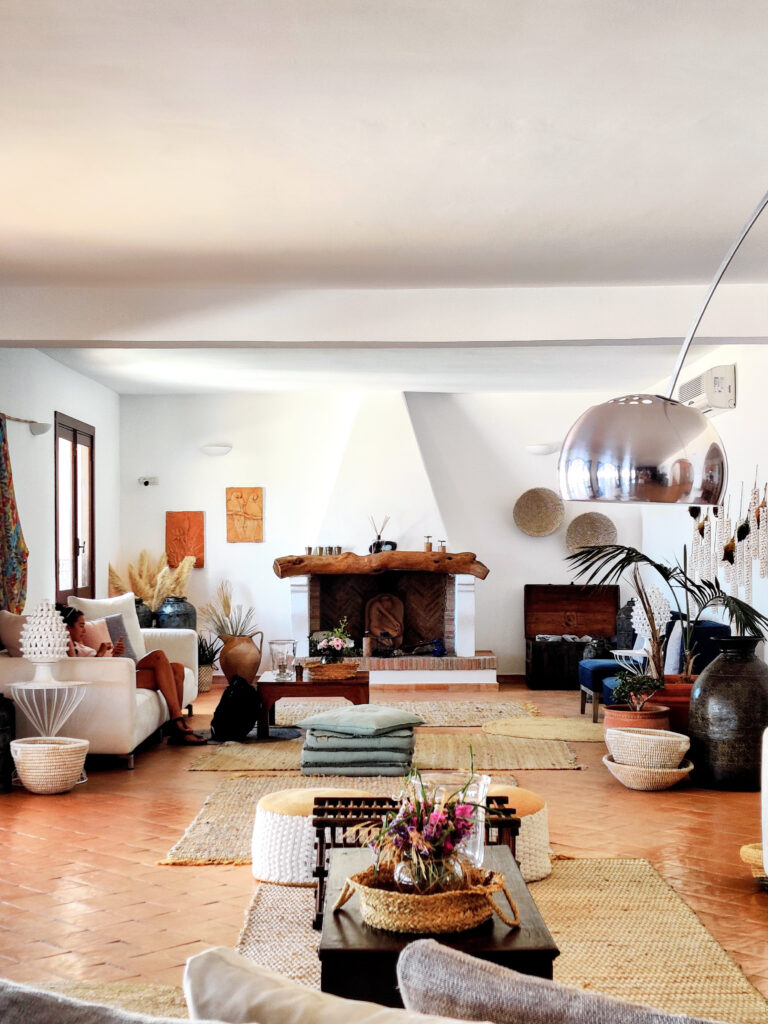
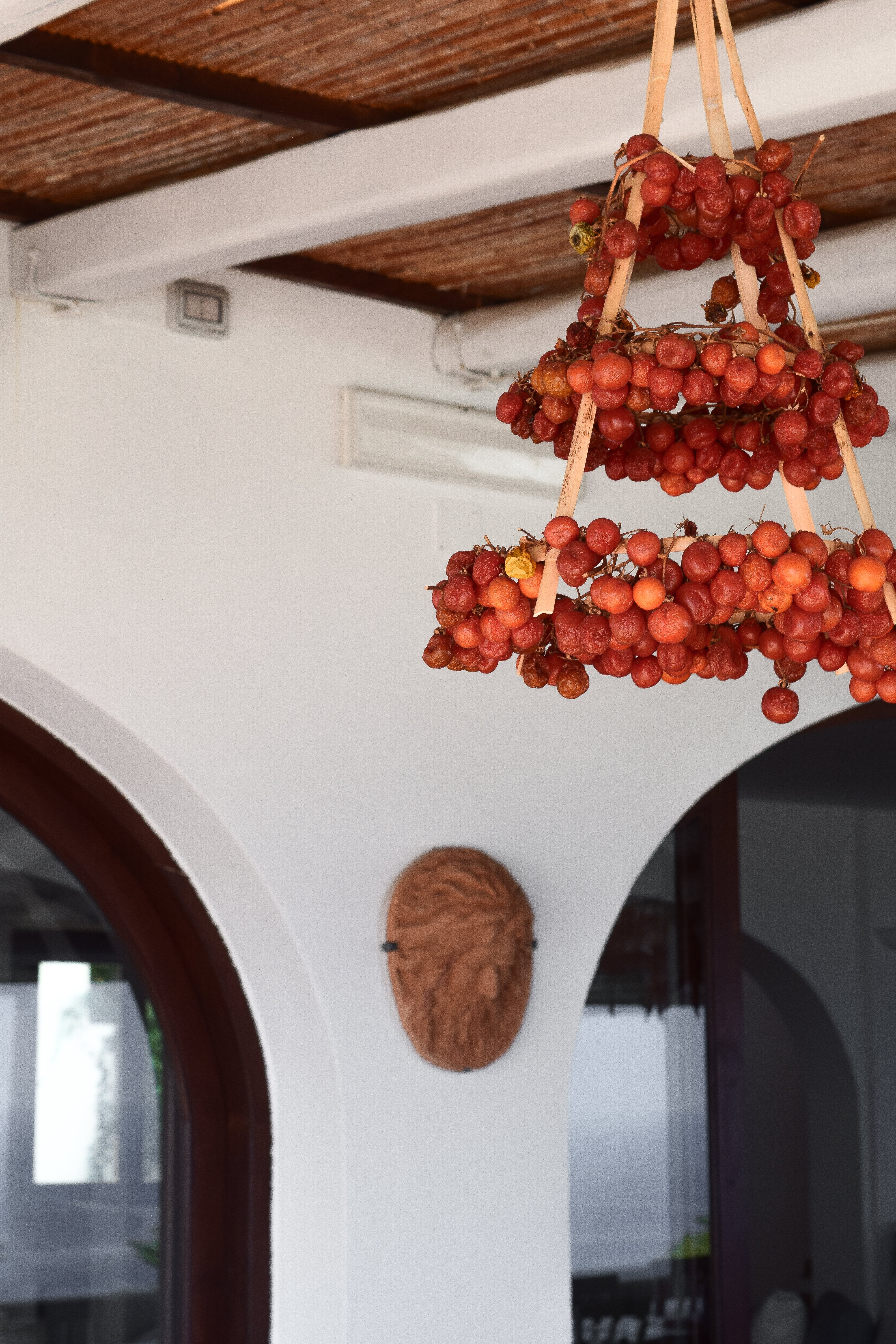
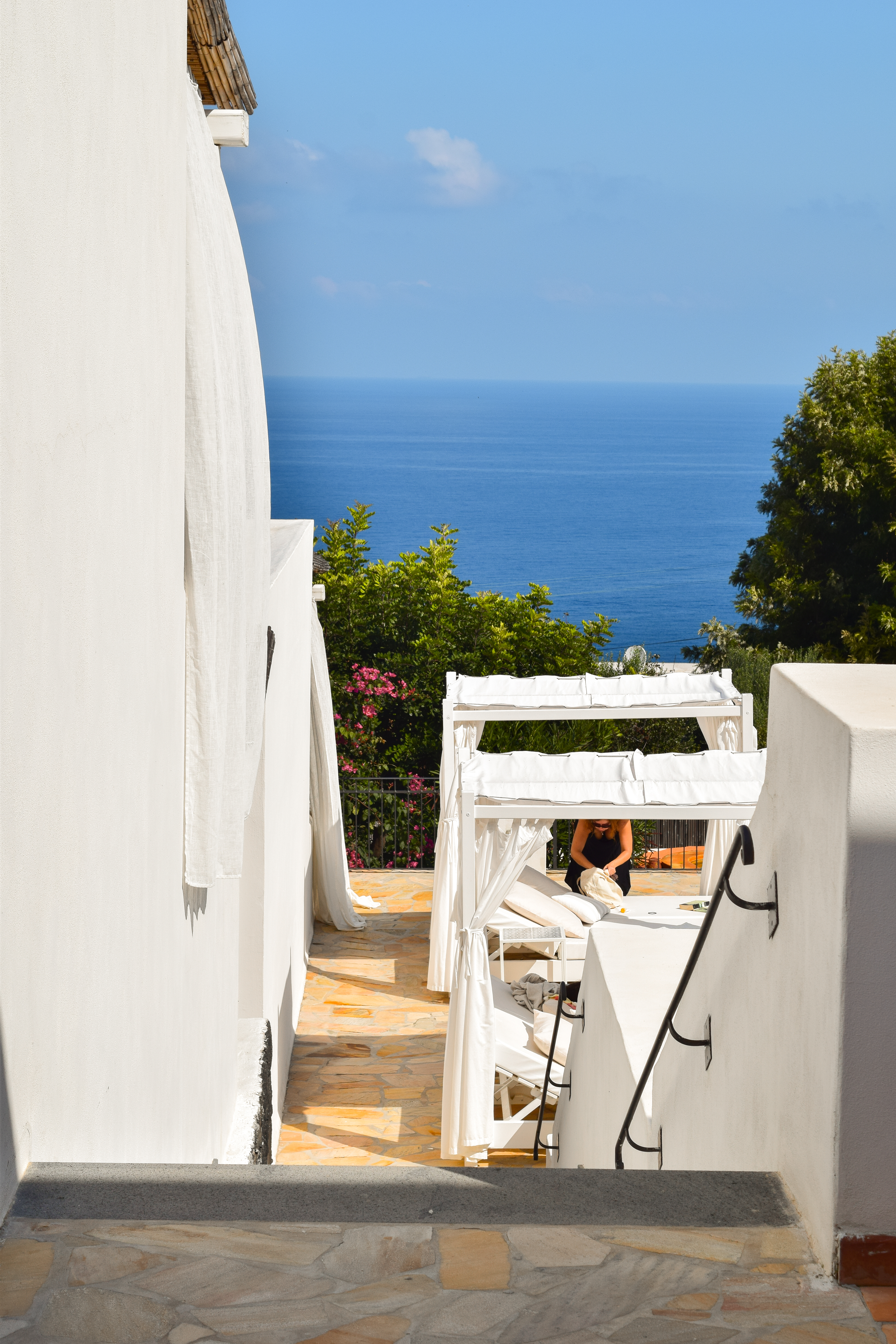
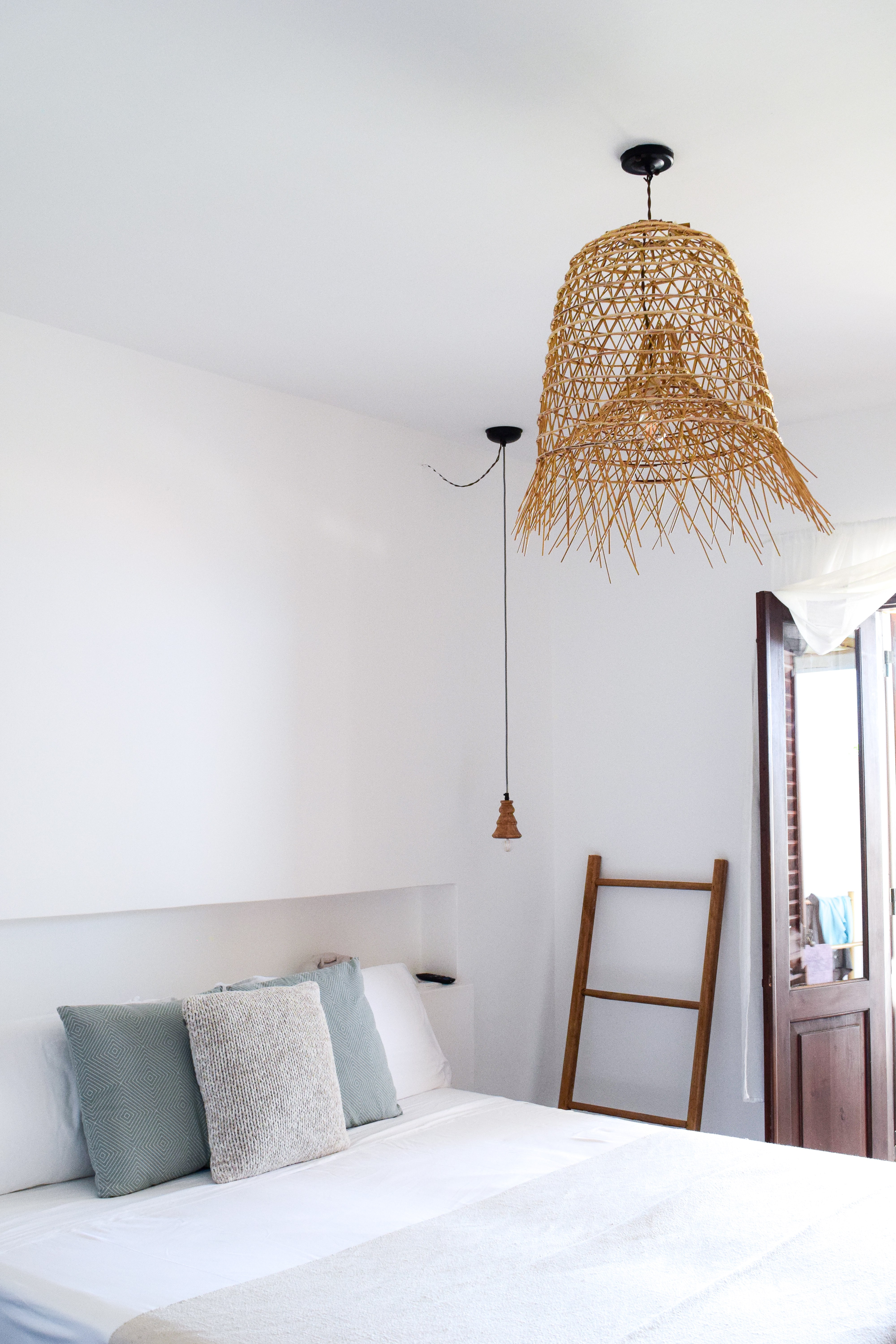
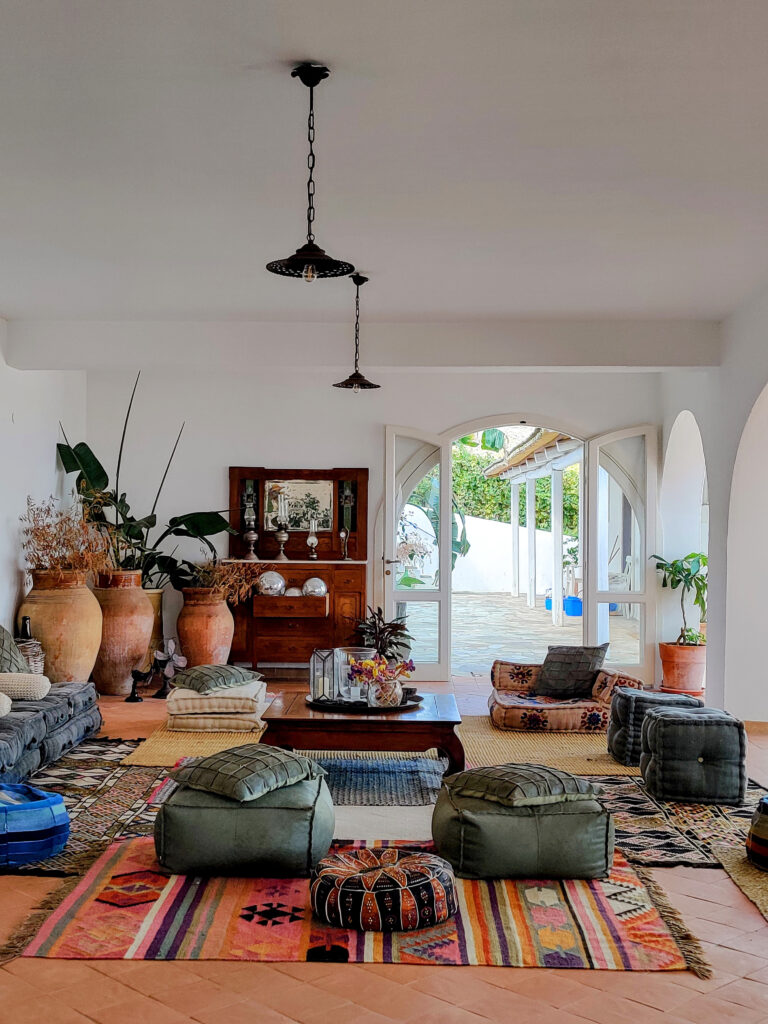
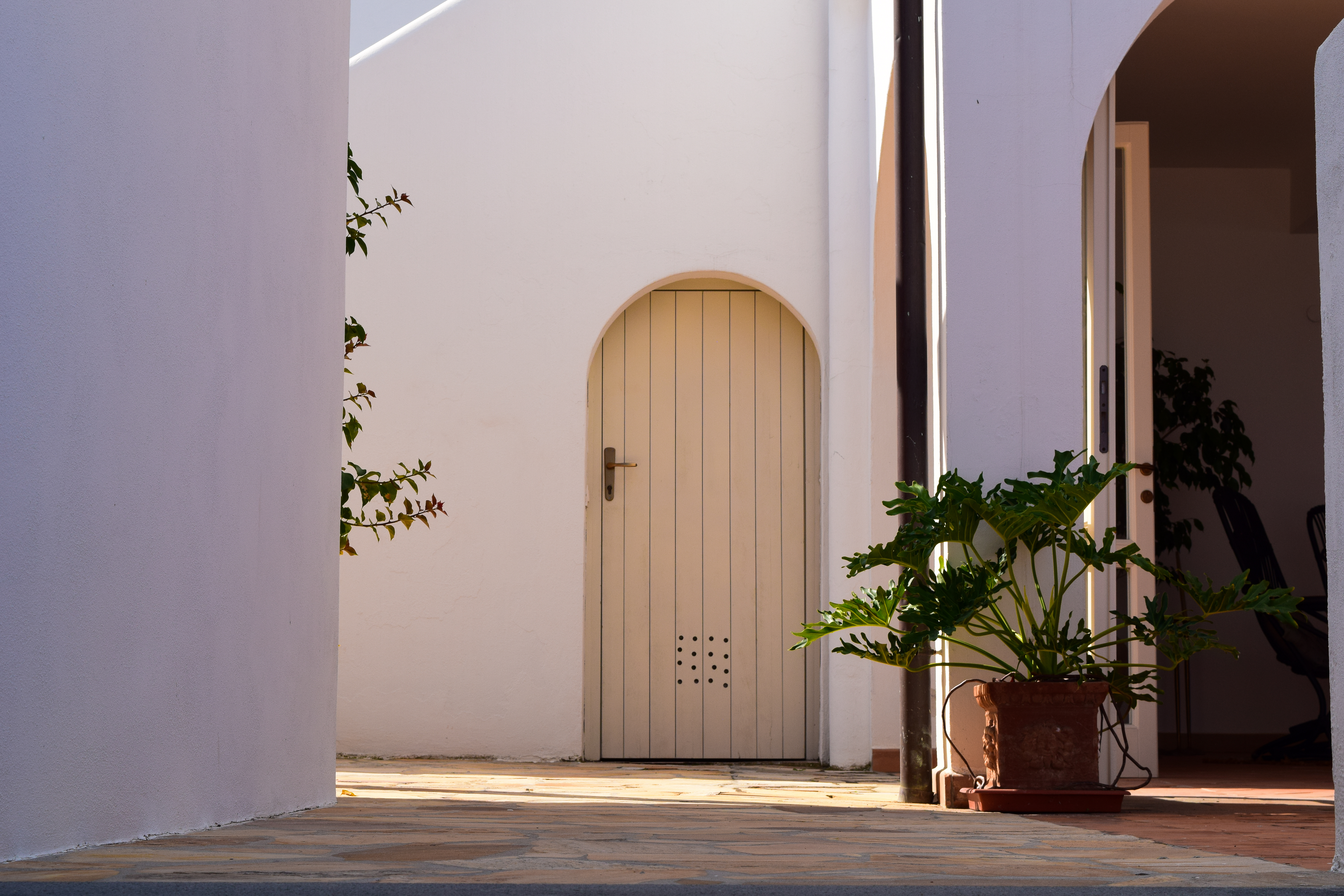
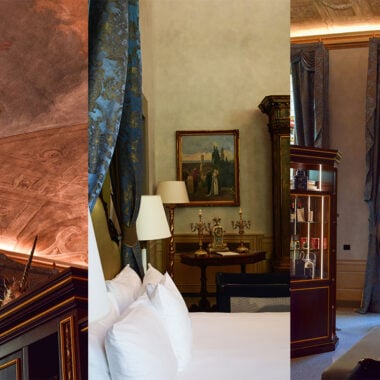
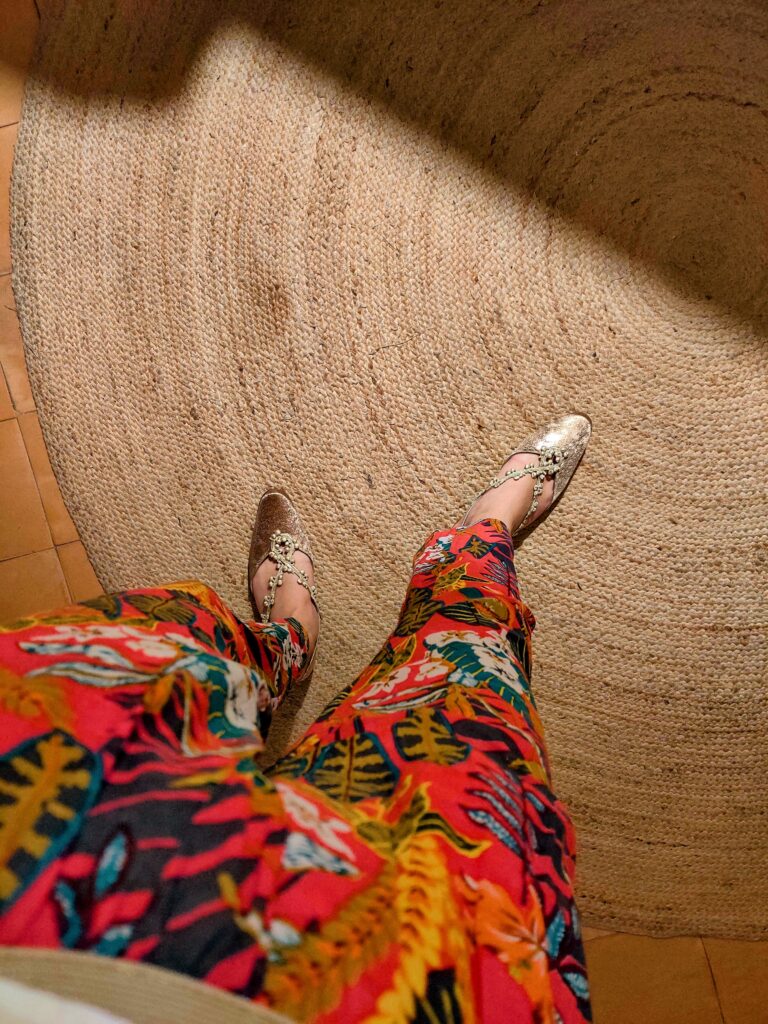
We pulled up to the hotel and checked into our room. The first thing I noticed, even though it was sunset, was the décor in the place. Just my style...bohemian and multicultural. It was a bit late to lounge by the pool, but we would take advantage of that in the next few days. We showered and got ready for one of the boutique hotel's main attractions...it's communal and imperial dinner.
Interested in Staying Here?
Purchase my private Google Maps locations below and get the name of this accommodation alongside additional accommodations, things to do, restaurants, activities, natural pools, volcanoes, attractions, and more. You'll have access to all my coveted locations and spots, straight to your phone.
Dinner at Boutique Hotel
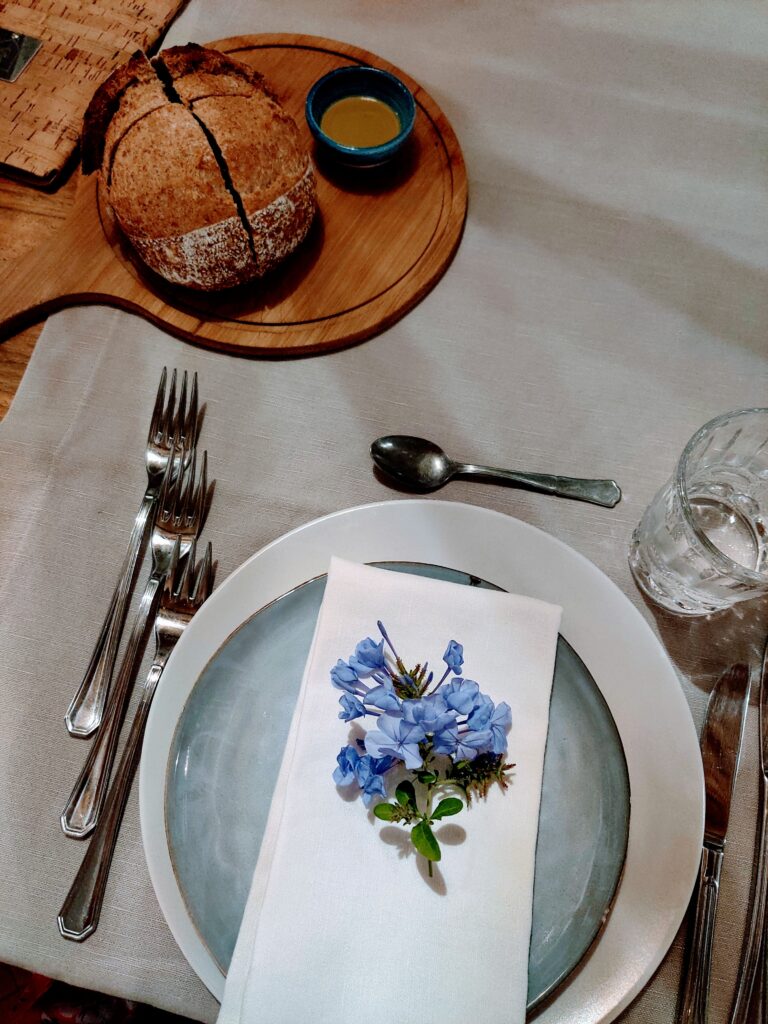
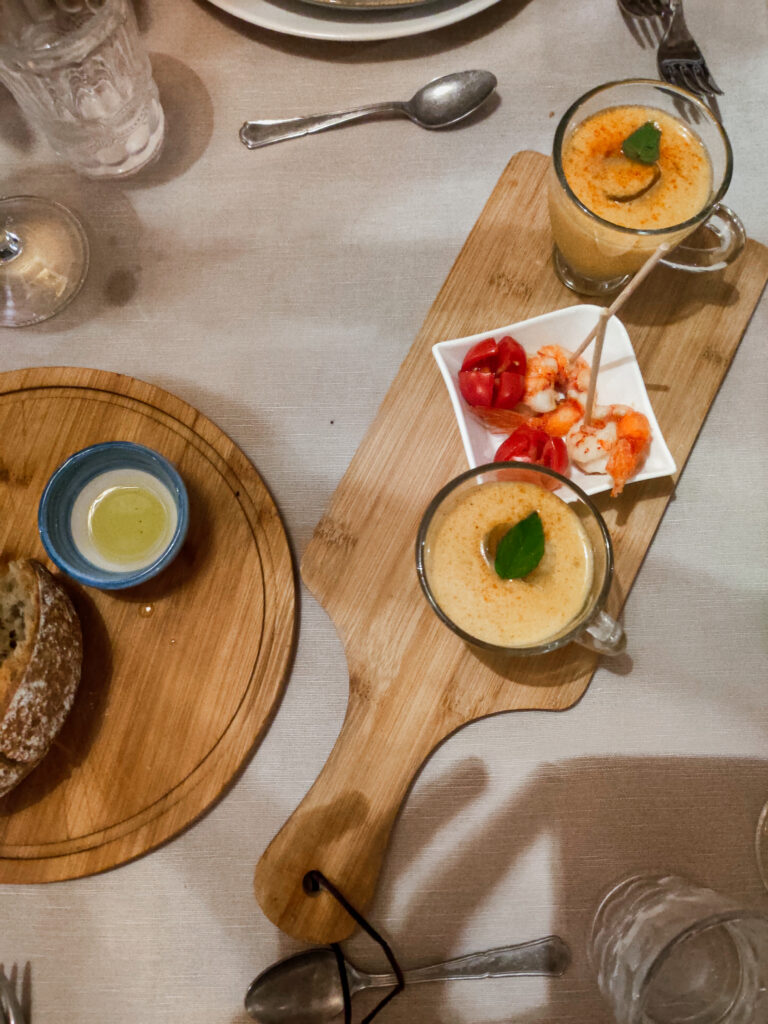
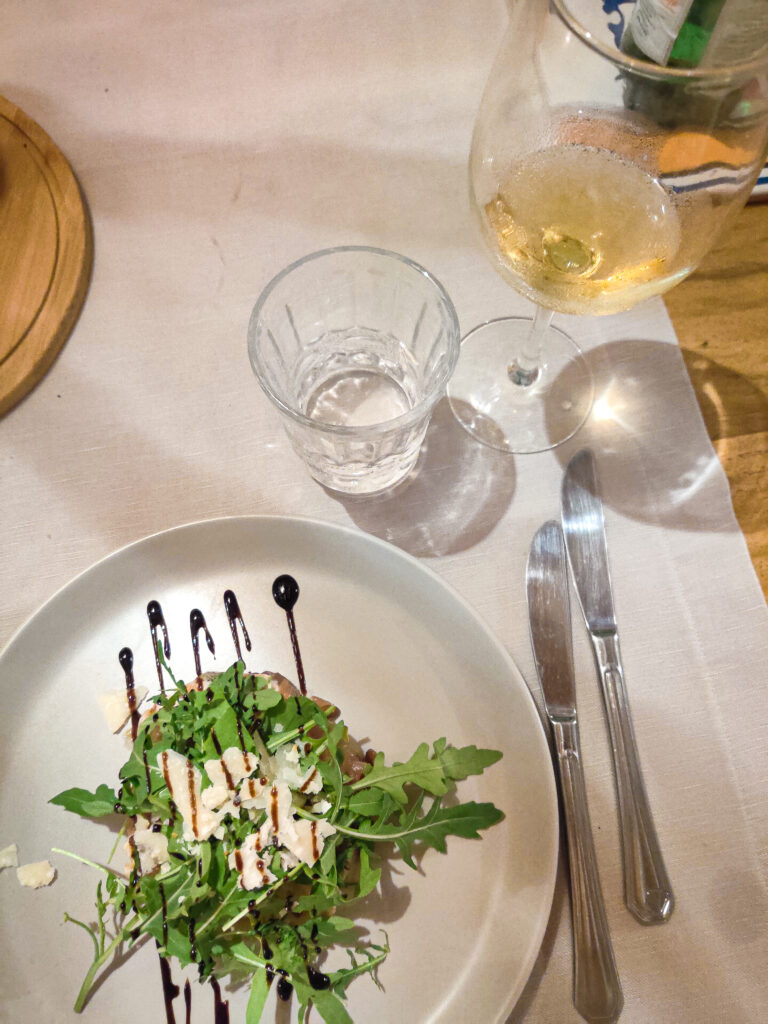
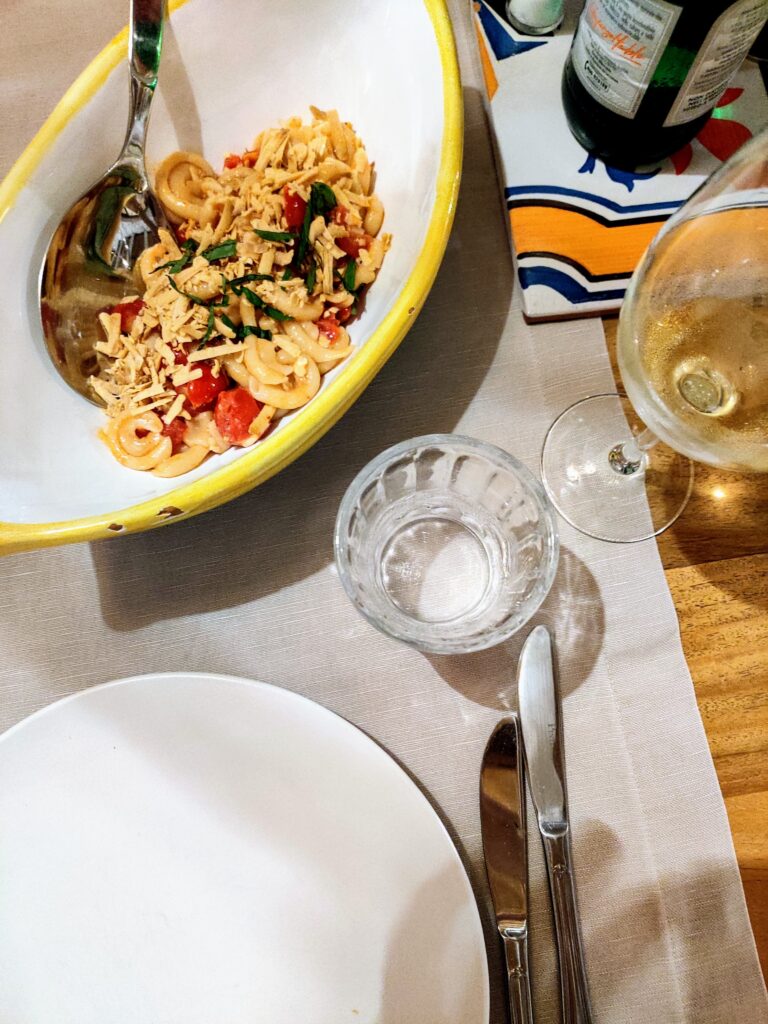
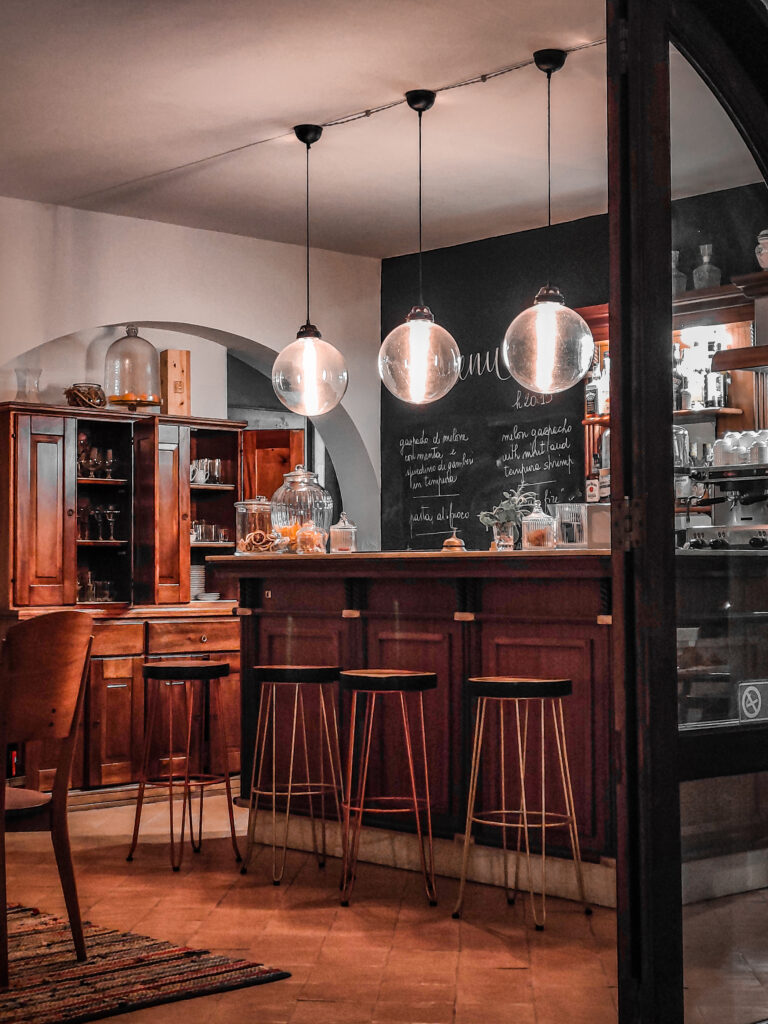
I'm not one to eat dinner at hotel properties very often. But I've been known to do so when it's the right hotel that showcases a unique experience and local food. Our boutique hotel in Malfa was one of those exceptions. We enjoyed their imperial table where they serve food family-style with other guests of the property. Non-guests can get on a waitlist day of, but odds of them being able to join during peak periods are slim. They change the menu daily to focus on fresh seasonal ingredients.
Evening Walk: Malfa
After dinner we went for a stroll around the town we were staying in, Malfa. We walked by Chiesa di San Lorenzo and saw that there was a local movie night happening in the piazza, or town square. Malfa is Salina’s largest village, although it may not feel like it due to it’s laidback atmosphere There are 2 theories as to how Malfa got it’s name...One is that it comes from the Arabic ‘Marfa’, meaning anchorage, port. Another theory is that it derives from the seafaring village of Amalfi in Naples, from where sailors left to settle on Salina island in the 12th century.
In the 17th century the feudal town was acquired by the noble family Galletti who built the current old town center. The main economic activities are agriculture, tourism and fishing. This village is well known for its impressive productions of capers, olives, figs and the sweet white wine Malvasia.
- Day 1 -
Breakfast: Bar Malvasia
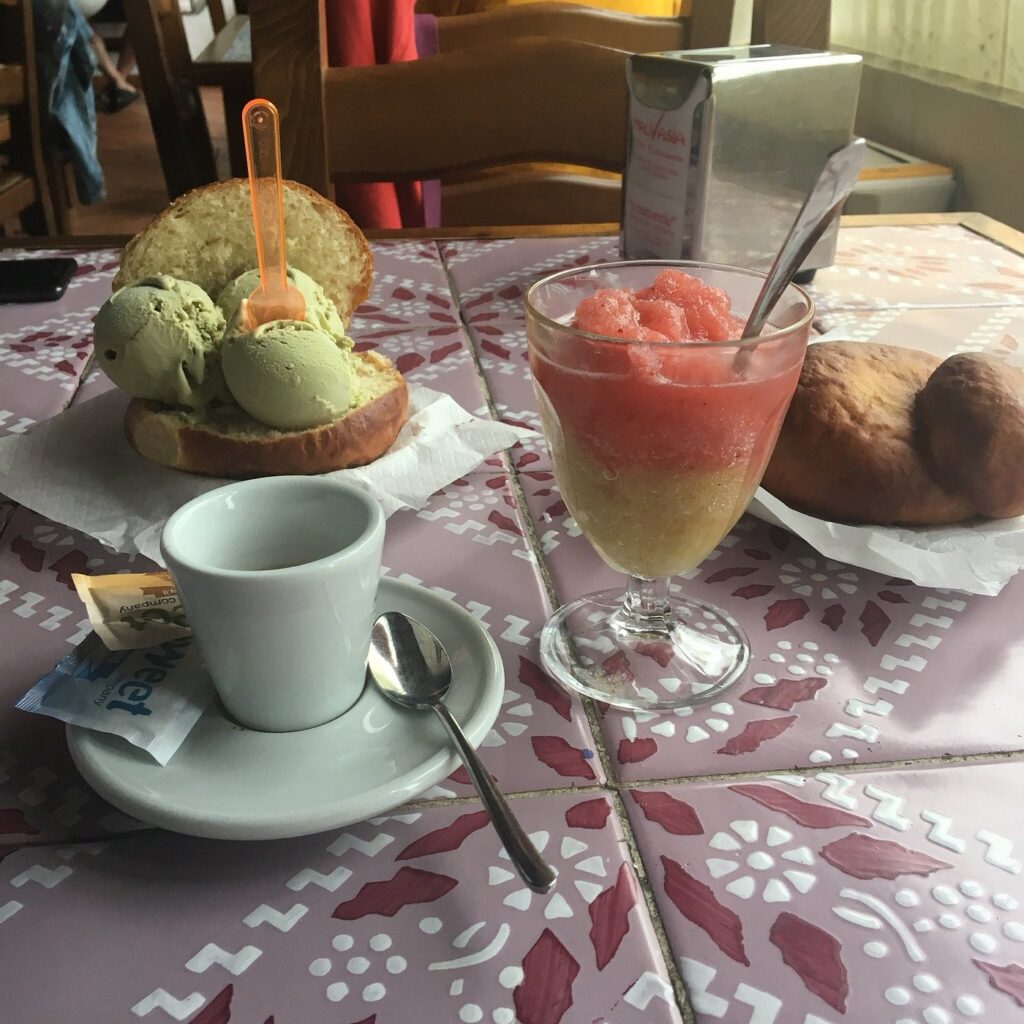
You can either enjoy breakfast at your hotel or head into Malfa town for a typical Sicilian breakfast, a heavenly pairing of fluffy brioche col tuppo - leavened pastry with a dough “top- knot” - and a dollop of refreshing granità, made with fresh fruit or almonds and coffee. Don’t miss it at Bar Malvasia in the cozy square, also called piazza, in Malfa.
Morning: Malfa
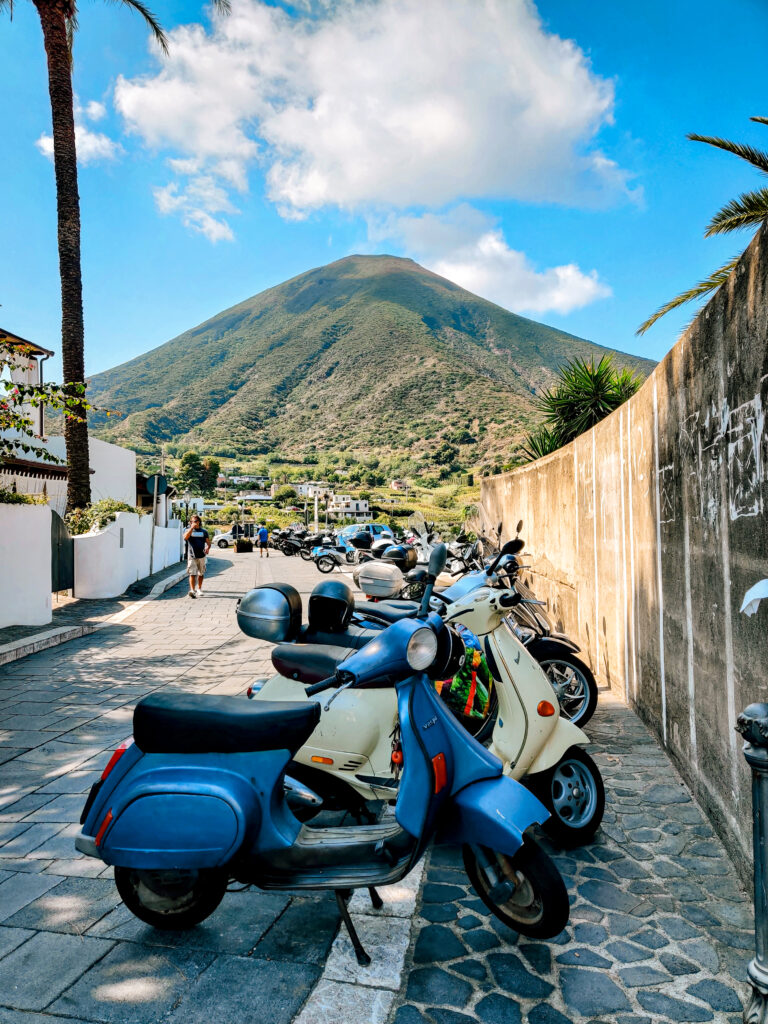
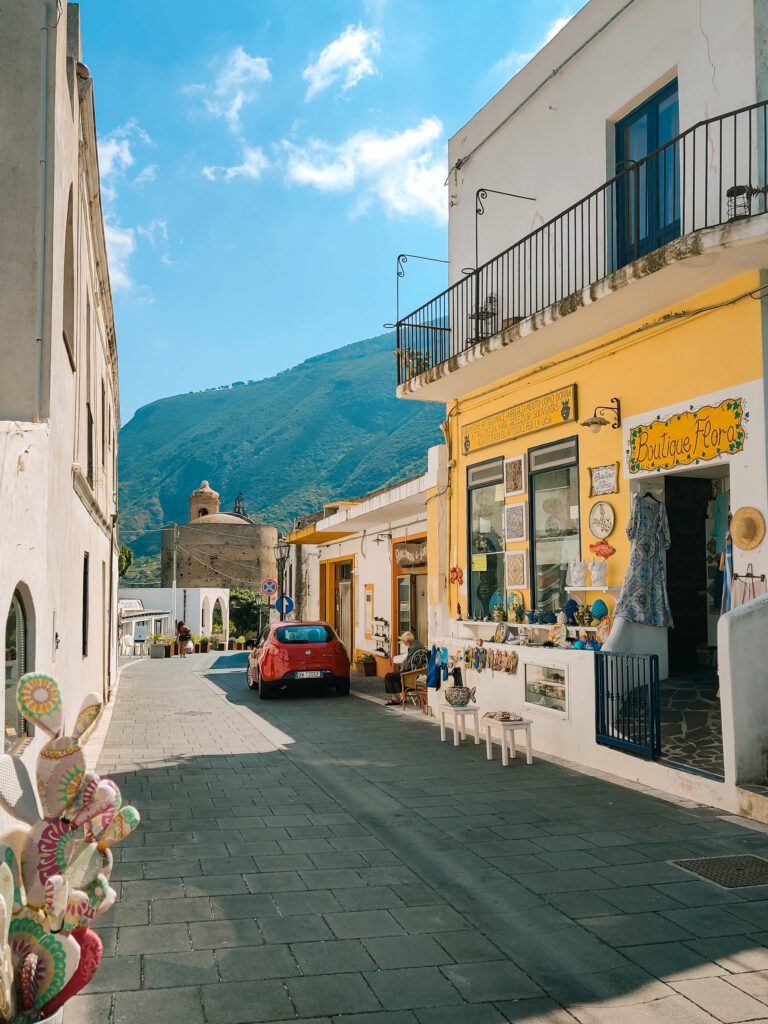
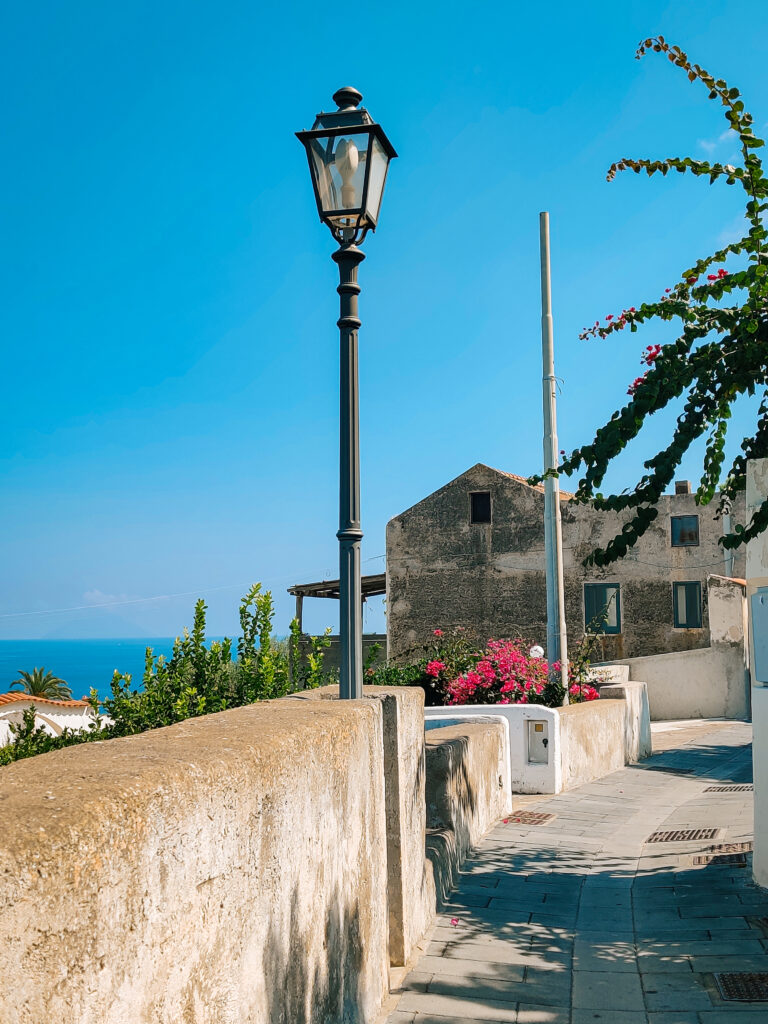
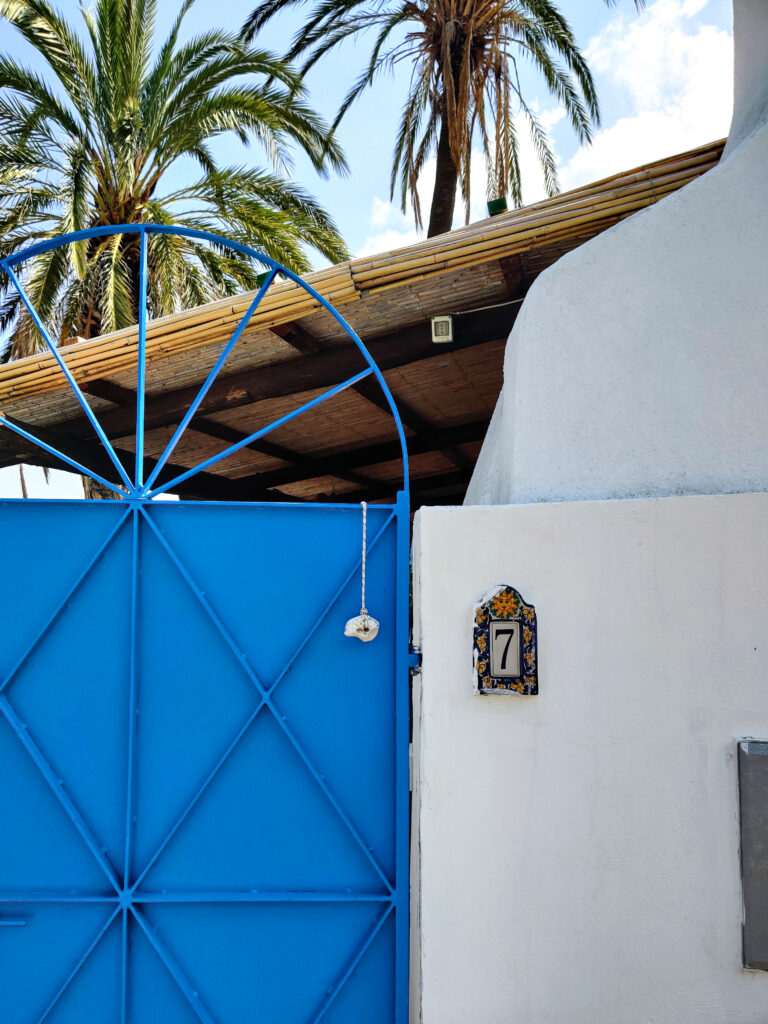
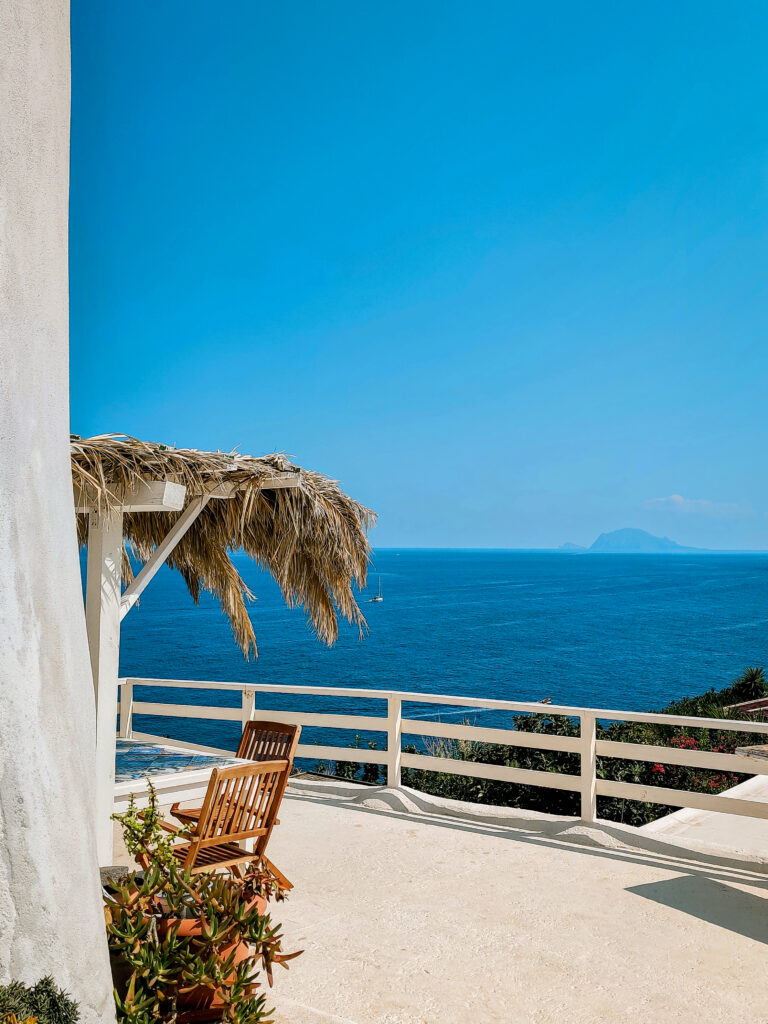
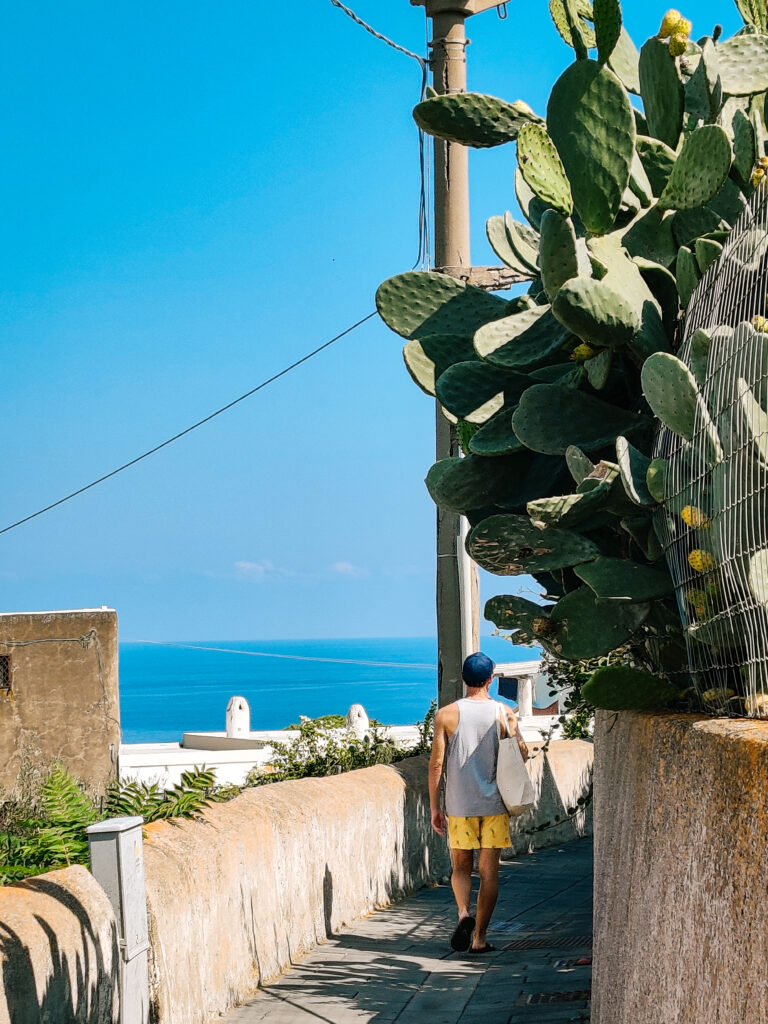
Spend the morning getting lost in the pleasant alleys of Malfa and the Chiesa di San Lorenzo. Malfa is a warm and artistic Mediterranean community with a sea-facing piazza, countrified villas, and plenty of Malvasia wineries that survey the twon from the green hills behind. Here you'll find a vast selection of top tier restaurants and bars where you can taste local specialties or sip on some Malvasia wine during sunset. Malfa is my recommended base village when on the island. It is away from the bustle of the Port of Santa Marina, but still has everything you need for a long stay: supermarket, pharmacy, bank and reliable transportation.
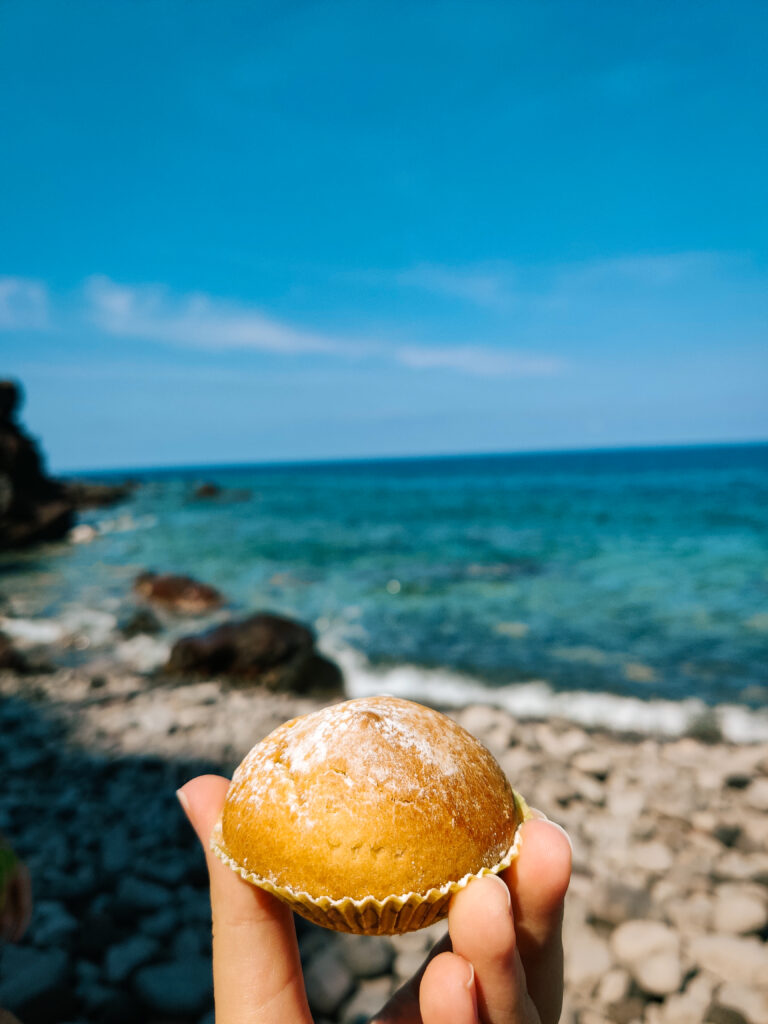
On the way down to the Spiaggia dello Scario, we purchased a little post-lunch dessert from a local pastry shop in Malfa called Pasticceria “Barrano.” The bakery has been around since 2013, but the owner Giancarlo Barrano has been a professional pastry chef since 1982. We got a pistachio cream filled pastry.
Lunch: Bar Maracaibo
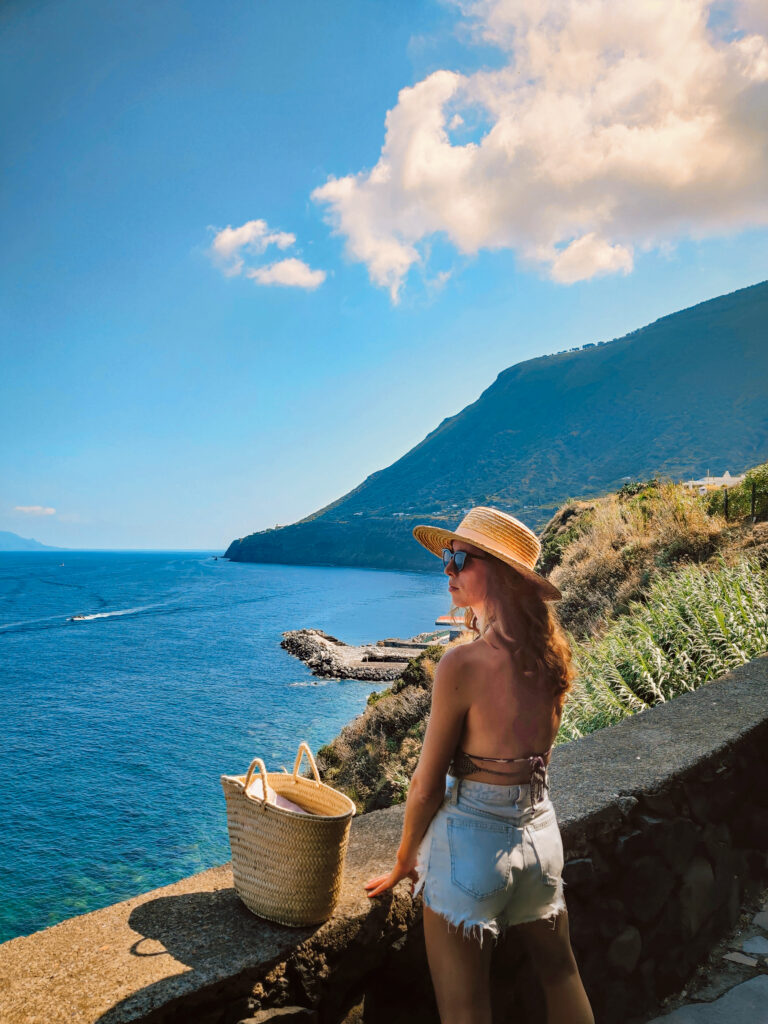
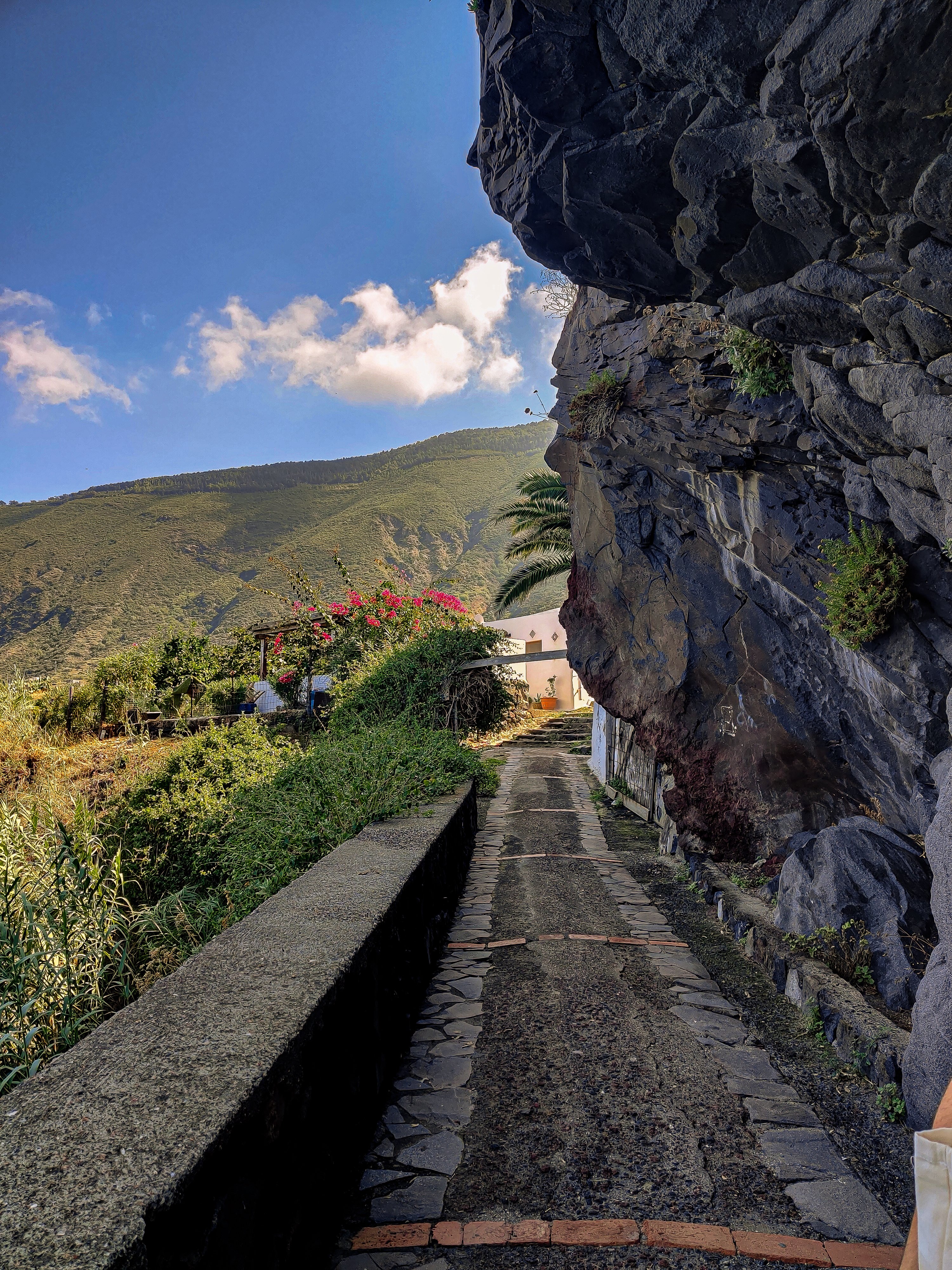
Just 5 minutes from the center of Malfa is Scario beach. This is where sailors used to dock their ships back in the day before trading with the locals in Malfa. The road to get there is a small descent that opens up to stunning views of the coastline and pebble beach below.
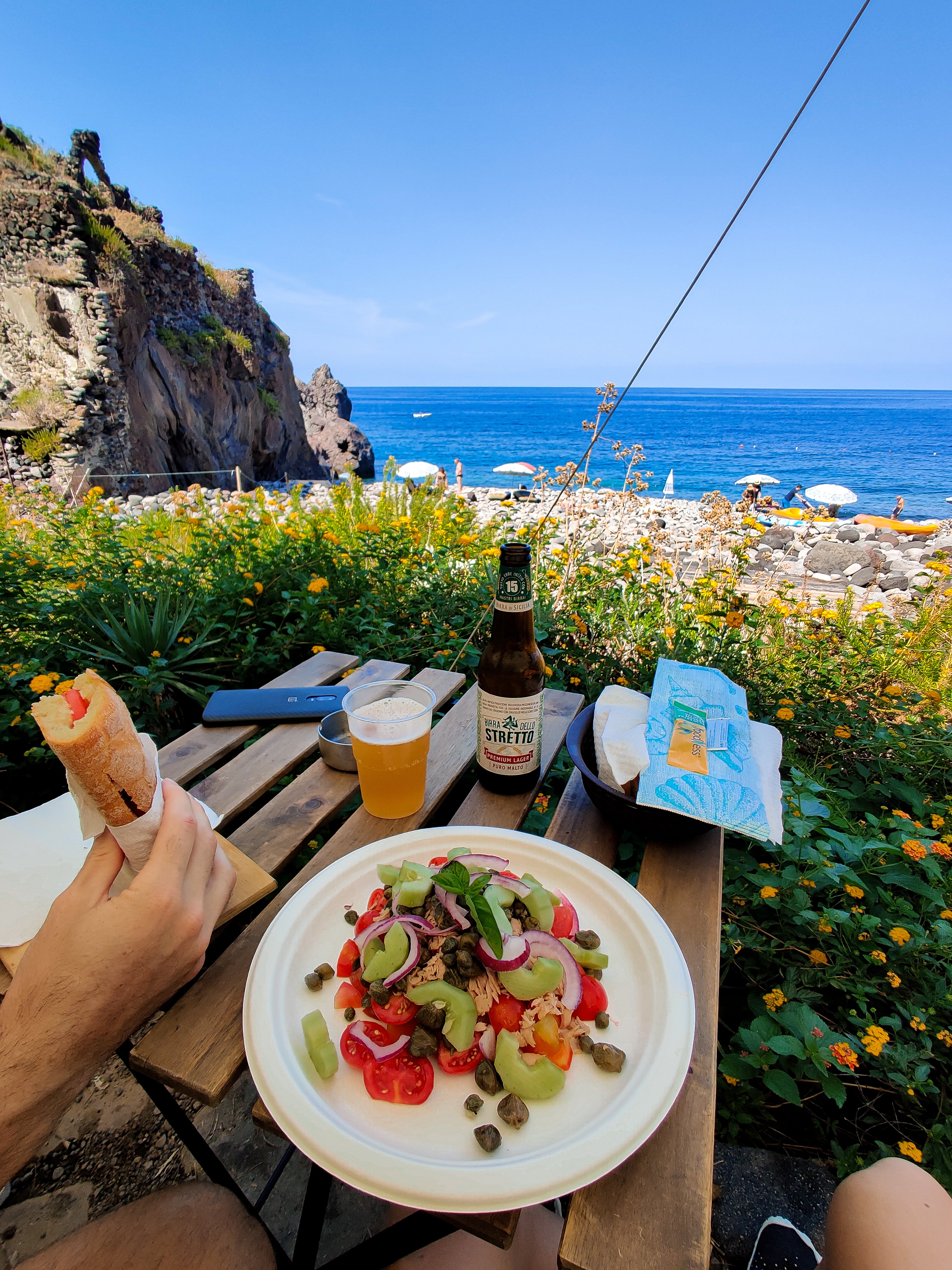
What to Expect at Spiaggia dello Scario Beach in Malfa, Salina
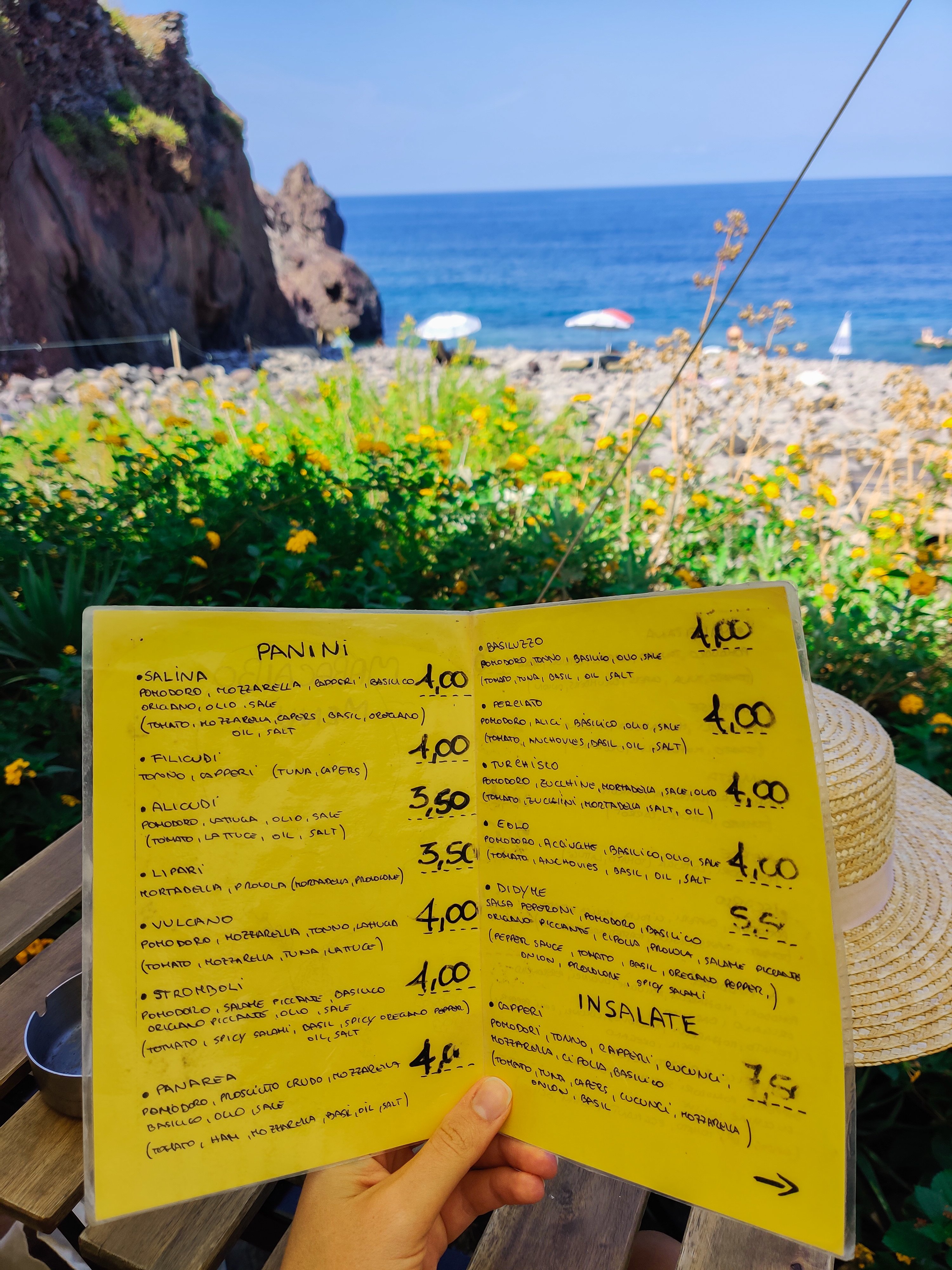
Once at the bottom, you will find a beach bar called Bar Maracaibo tucked away in the back of the pebble beach. The place only accepts walk ins. Prices are very affordable starting at 4 euro for a sandwich and 7 euro for a salad. They also serve great granitàs and cocktails. Pat and I got a table with a view. I ordered a simple Aeolian tuna salad, with the island specialty of course—capers. Pat ordered a Vulcano panino. Both very good and satisfying, especially for the price.
Afternoon: Spiaggia dello Scario
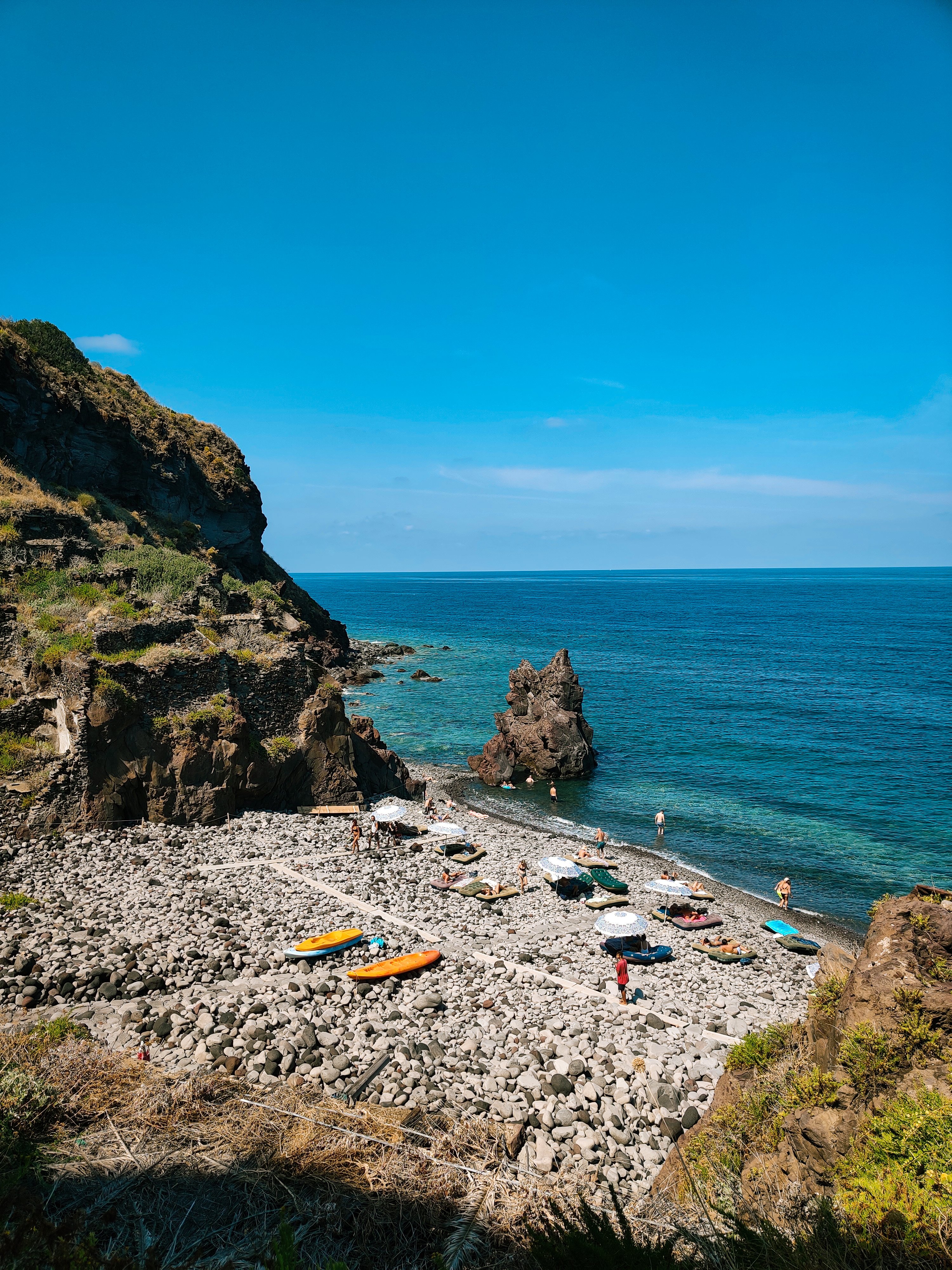
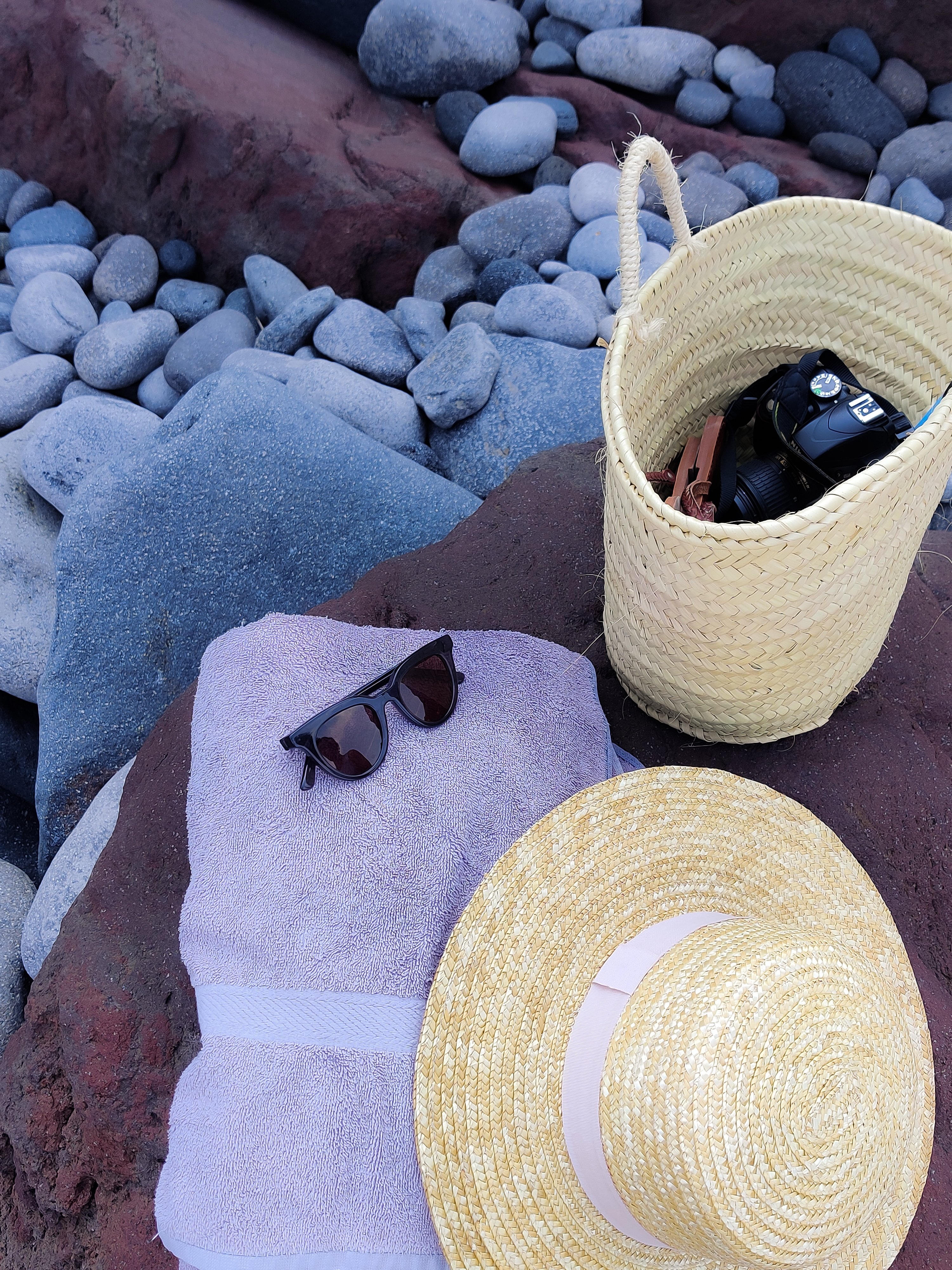
What to Expect at Spiaggia dello Scario Beach in Malfa, Salina
Spend the afternoon enjoying the beach. Because Spiaggia dello Scario is pebbly, you can choose to double up on towels (bring your own from the hotel!) or rent an inflatable mattress from the beach bar to cushion the experience. Plus, you can use the mattress to float around in the water as well! The area gets shady around mid-afternoon so bring a wide-brimmed hat for mornings and mid-day. You can also rent umbrellas, SUPs, and kayaks from Bar Maracaibo if you want to explore the area further.
TIP:
Remember to bring water shoes and snorkeling gear.
Evening: Pollara
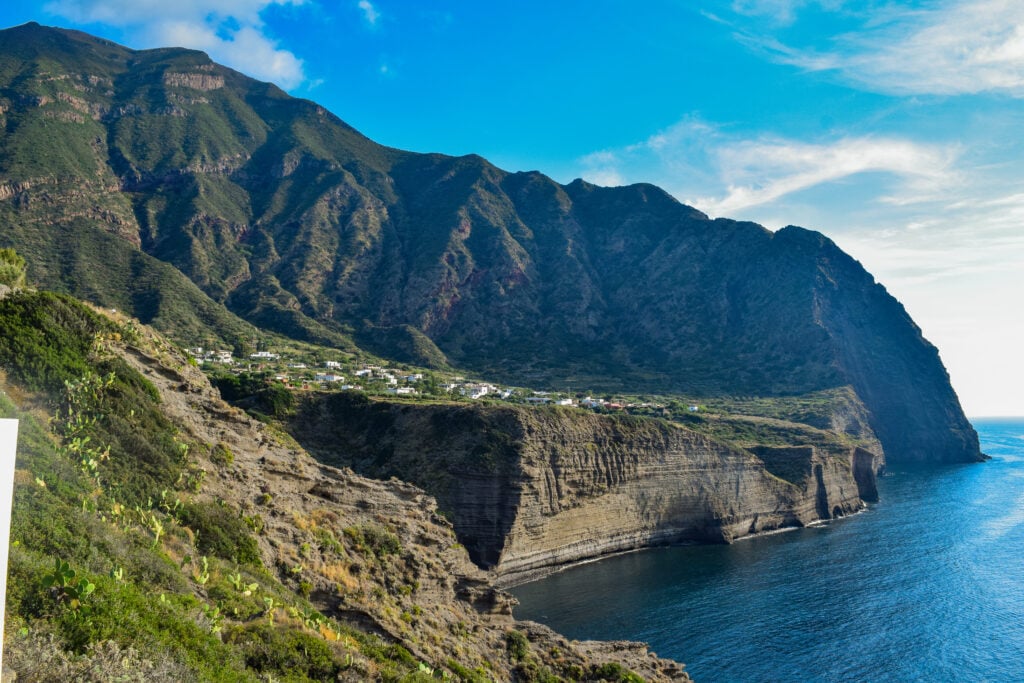
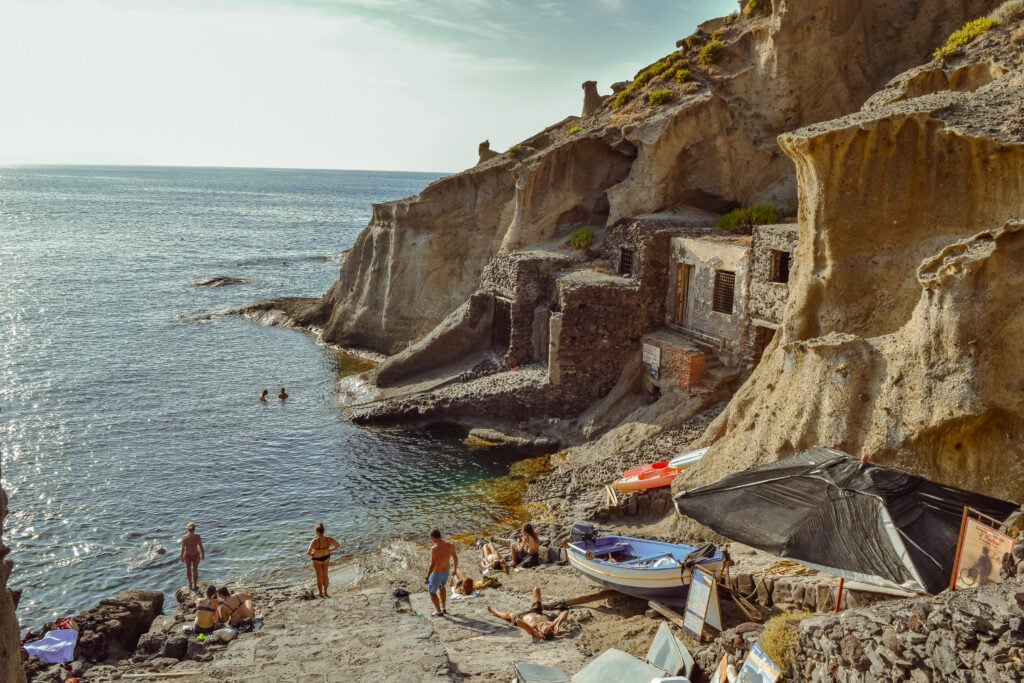
Pollara, Salina: Top Things to Do, See, and Experience
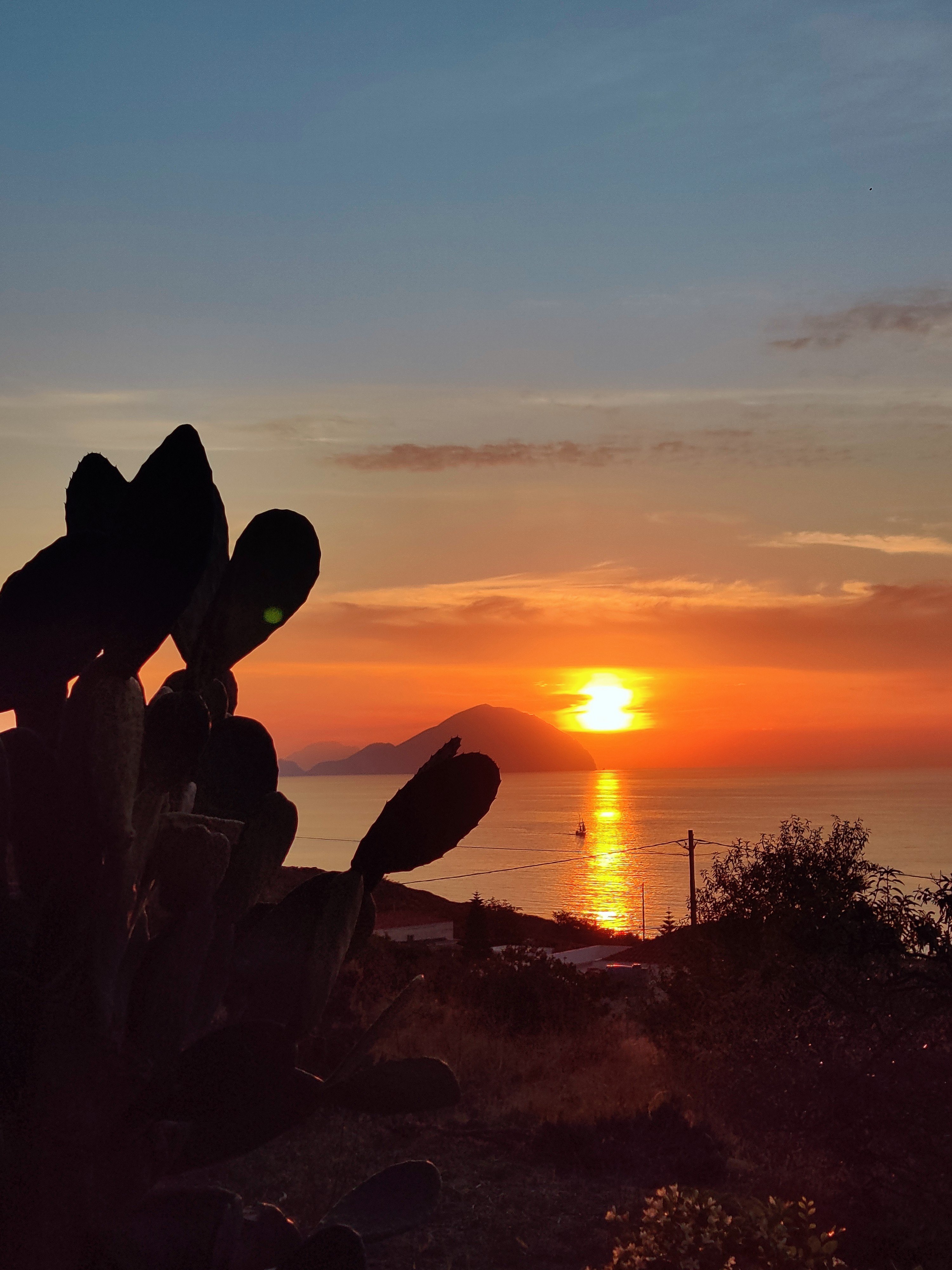
I found myself enchanted by the secluded village of Pollara, a place that feels like a well-kept secret. Nestled within an ancient volcanic crater, Pollara offers some of the most breathtaking views I've ever encountered in Italy, especially at sunset from the Punto Panoramico Semaforo di Pollara. It's also rich in authentic experiences. Patrick and I drove down to swim at Pollara’s unique black-sand beach and Le Balate before dinner. While the village may seem small, Pollara is not only famous for its cinematic history as the backdrop for the movie, Il Postino. There's plenty of unforgettable local experiences including touring caper plantations and savoring the island’s famous capers. Pollara truly is a place that embodies the slow, sweet life of Sicily.
Dinner: La Locanda del Postino
Pollara, Salina: Top Things to Do, See, and Experience
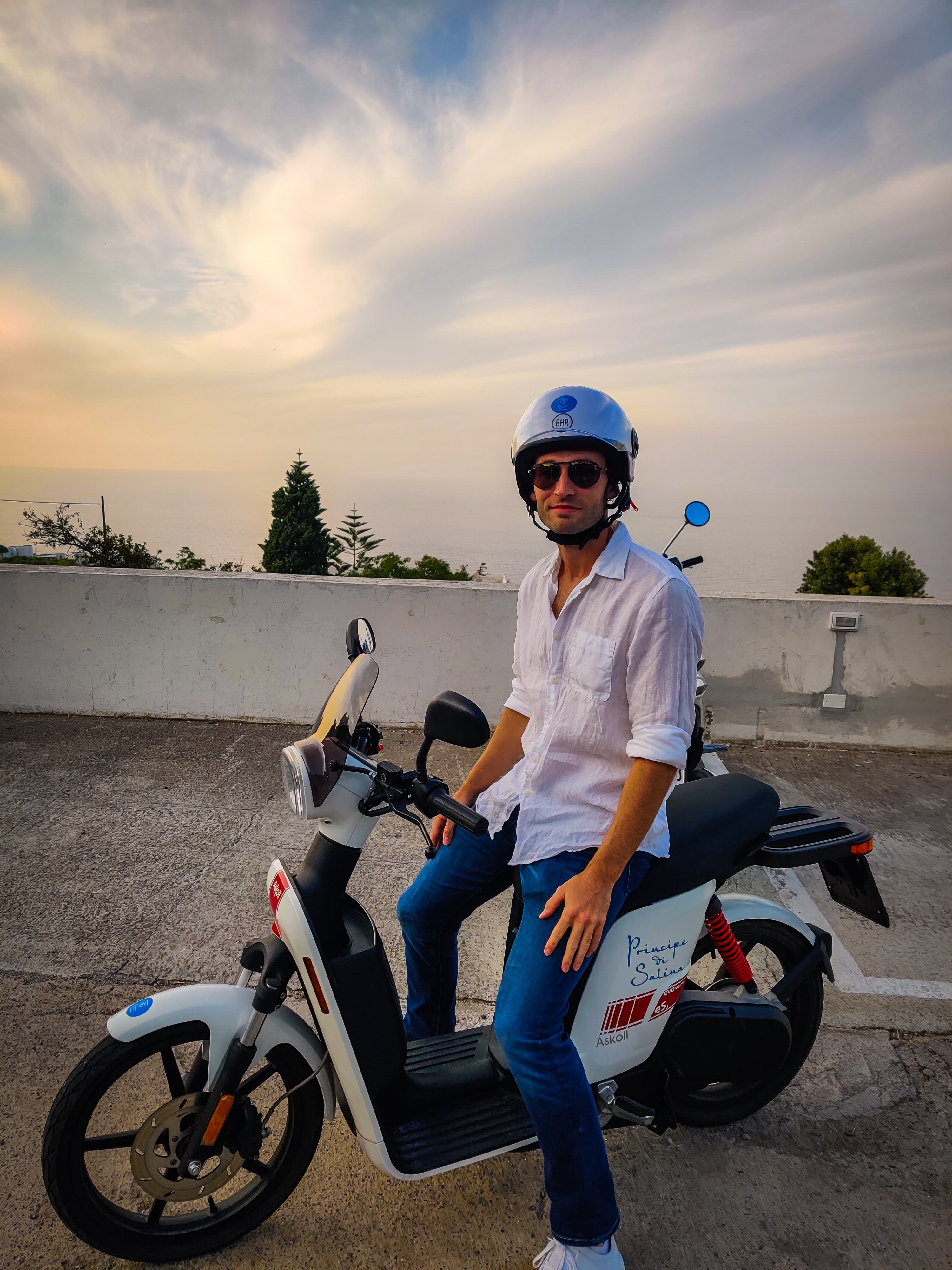
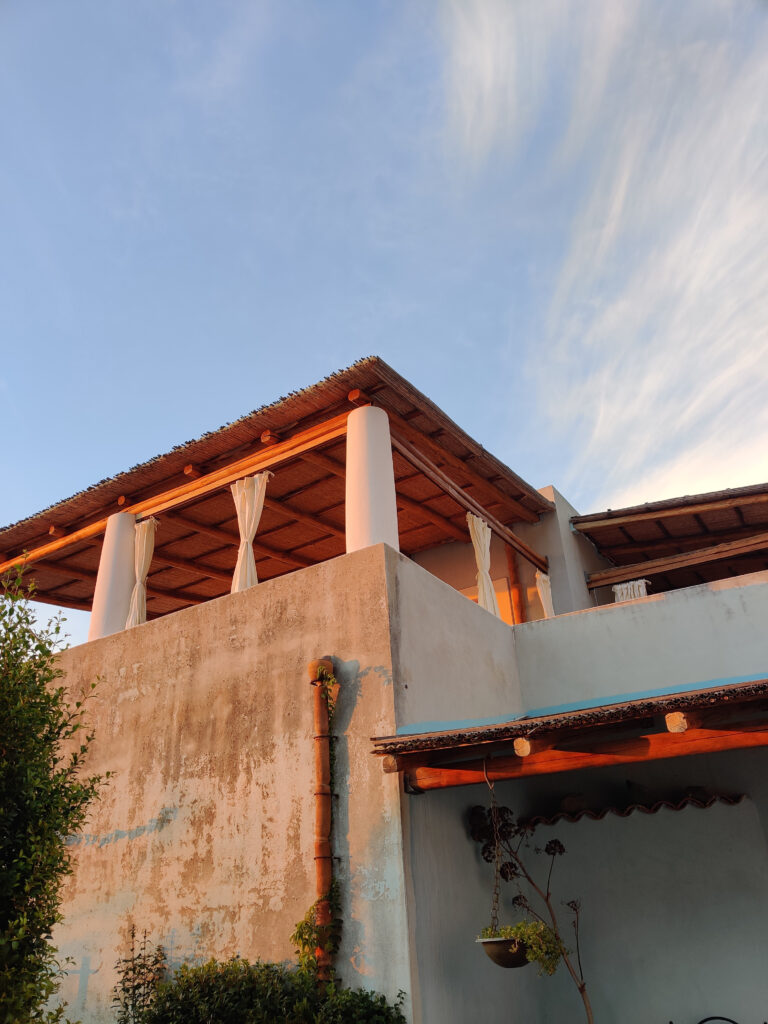
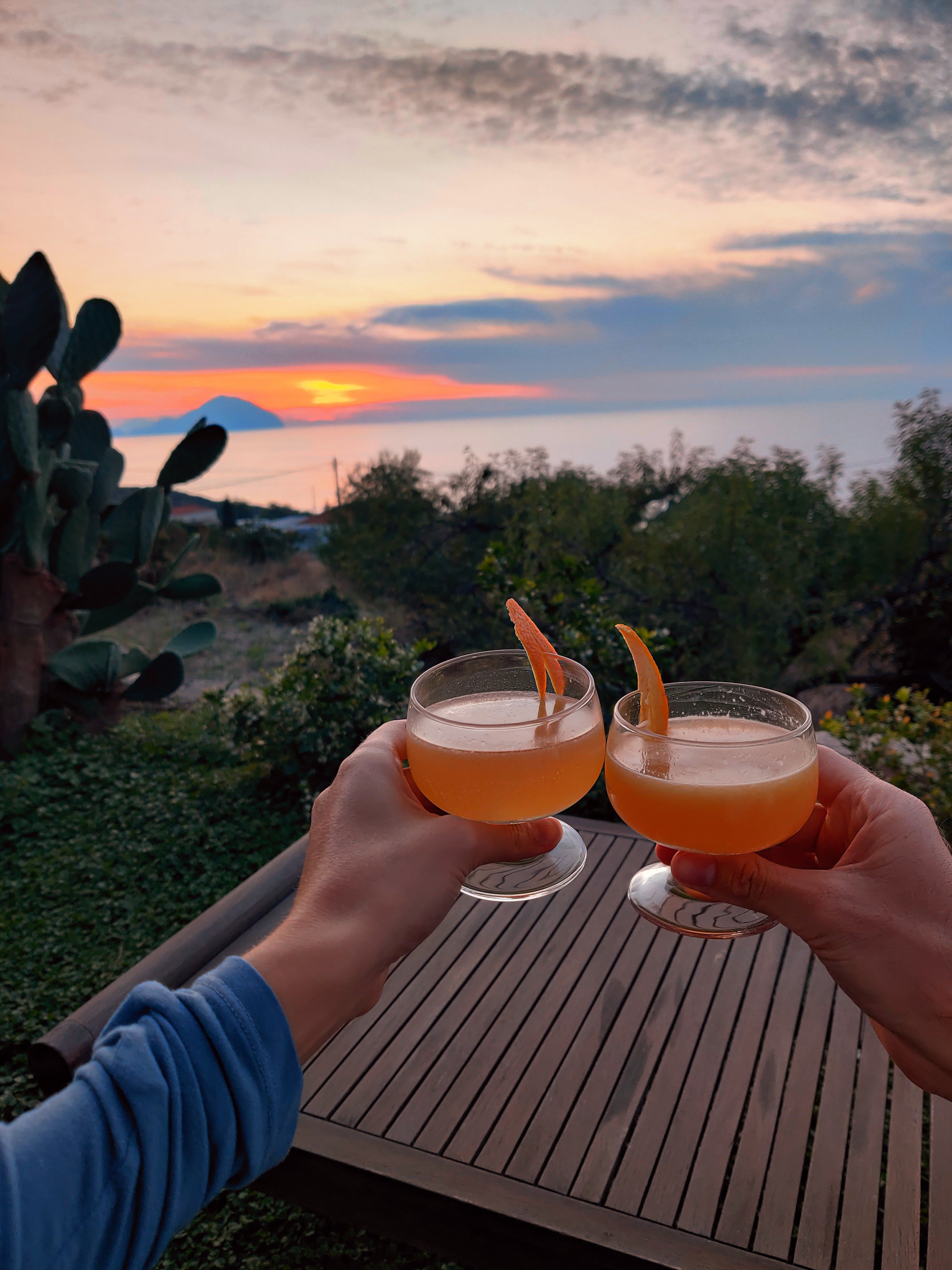
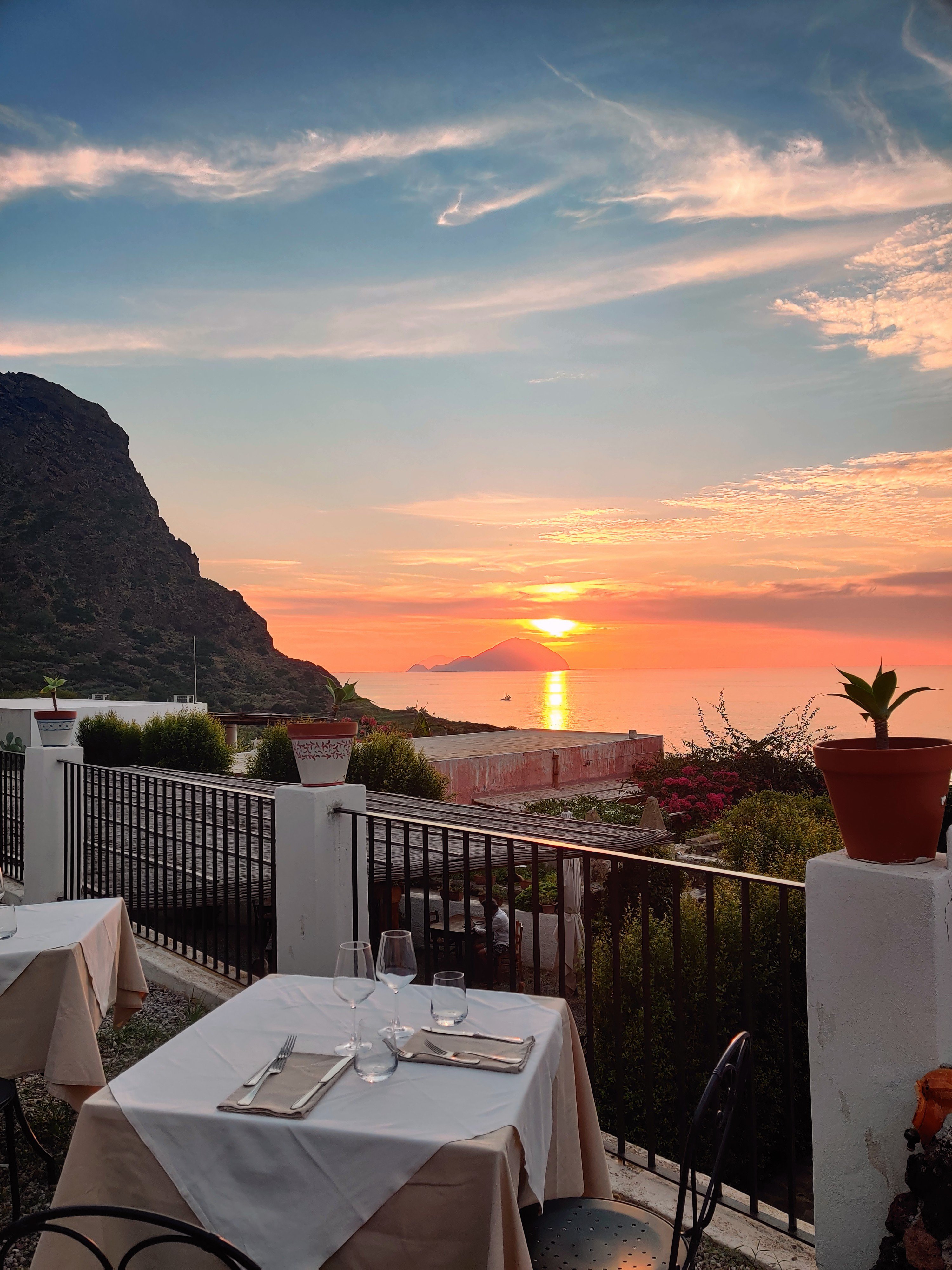
After quickly showering back at the hotel, we hopped back onto our electric vespa and made our way back to Pollara in time for sunset at La Locanda del Postino hotel and restaurant. In the summer months, dinner is served on a panoramic terrace overlooking the sea and surrounded by the crater of Pollara. After the sunset, lanterns are placed on the tables to create a romantic and suggestive atmosphere. The low lighting allows you to admire the beautiful starry sky of Pollara. The focus here is typical Aeolian dishes and fresh fish utilizing herbs from their garden.
- Day 2 -
Morning: Chill at Boutique Hotel
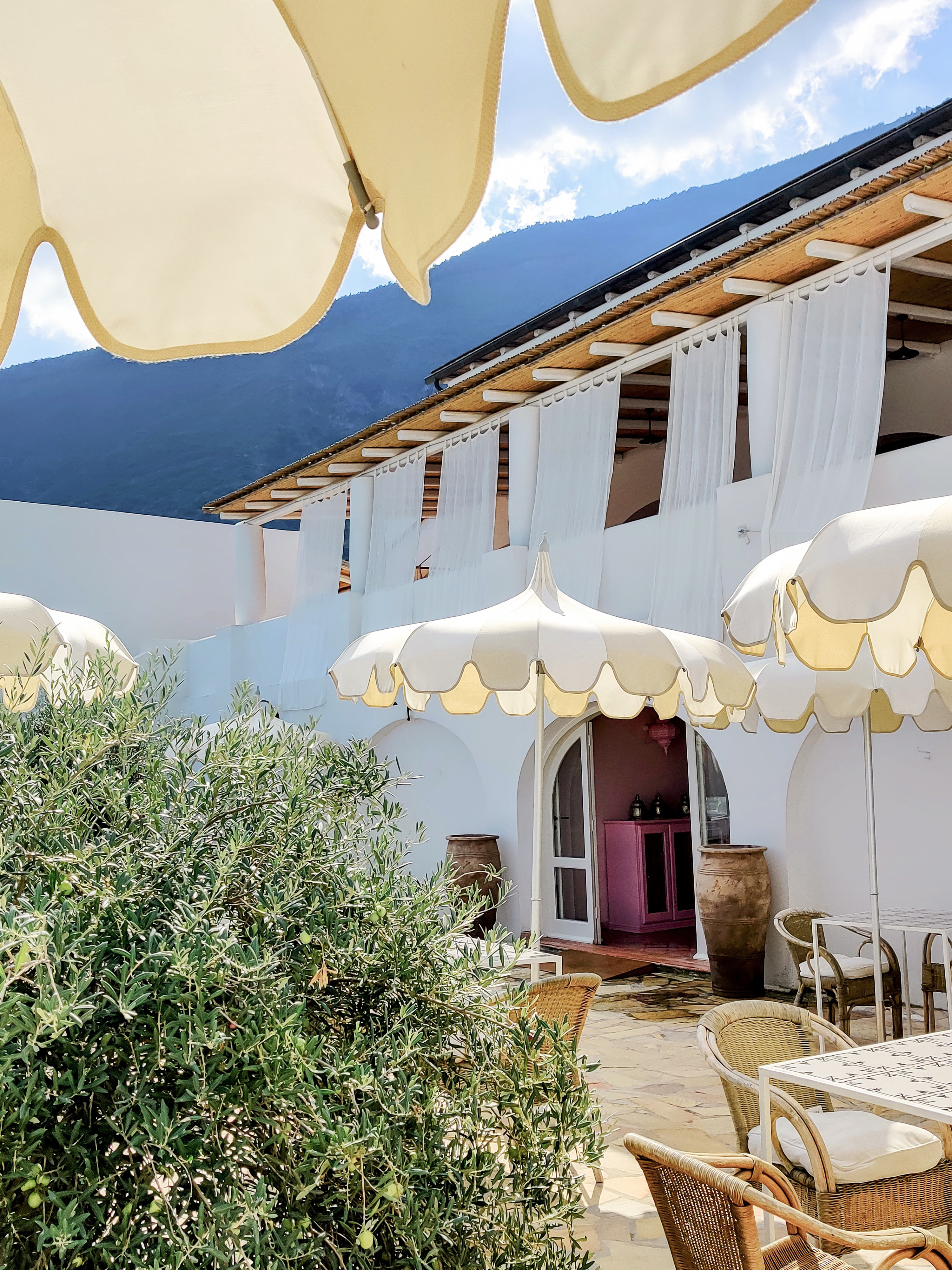
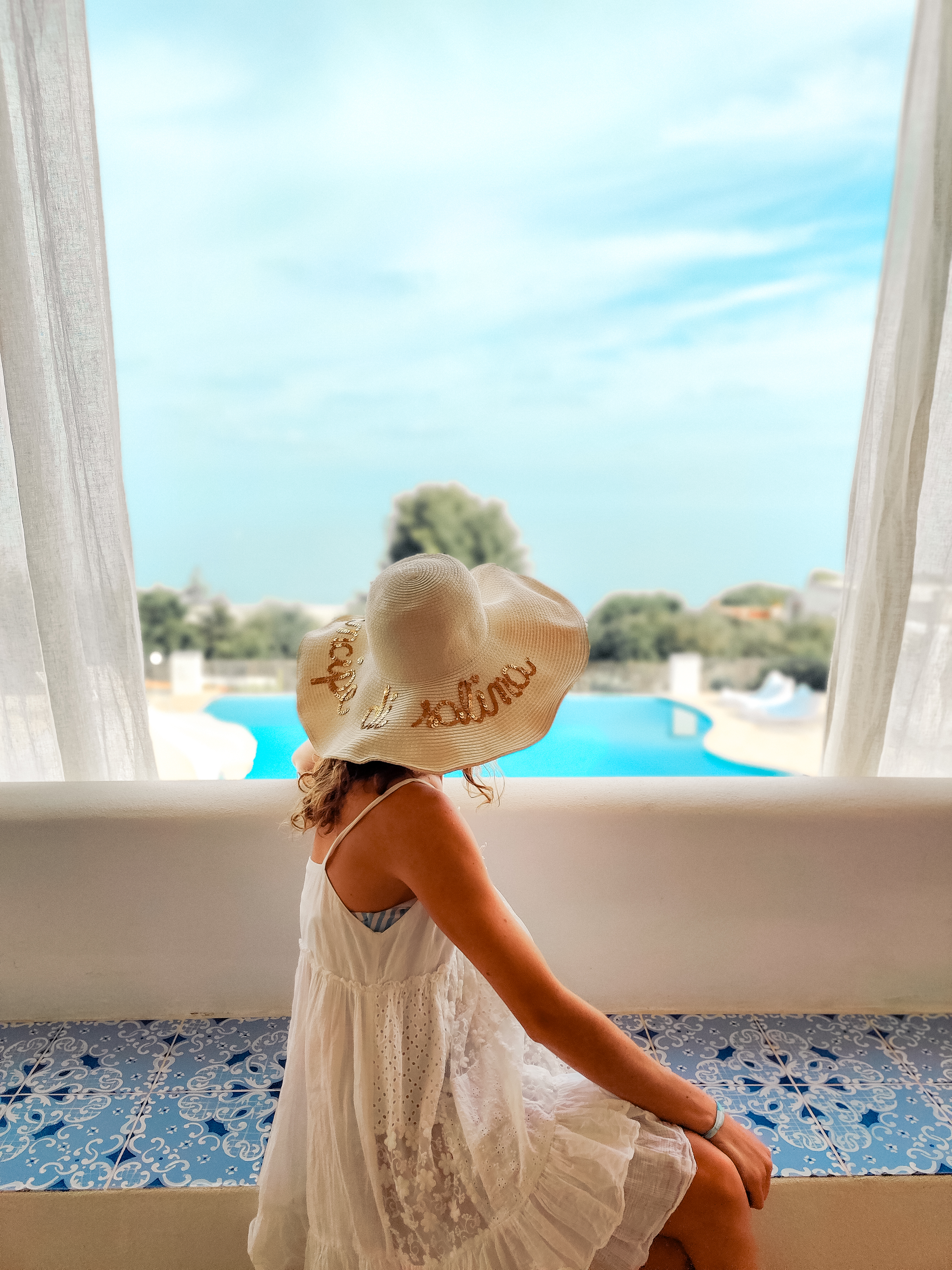
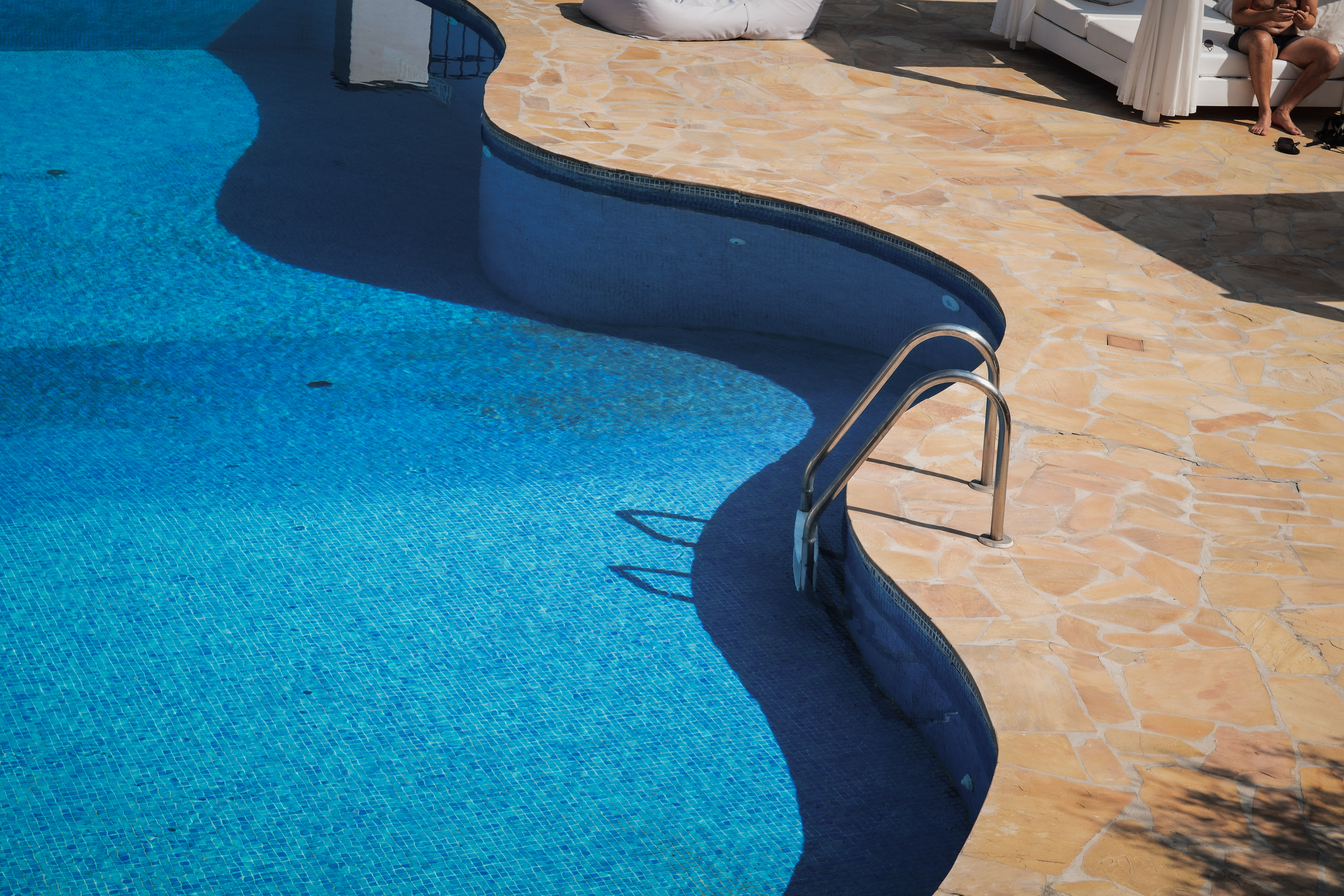
While our room was delightful, the private pool is where we spent a good chunk of our time. When I think of a relaxing itinerary, seclusion by the pool with a view of the Tyrrhenian Sea sounds ideal. What could be better than the billowy white clouds against the bright blue sky, a freshening breeze, and a just-delivered Negroni or Spritz to quench your thirst?
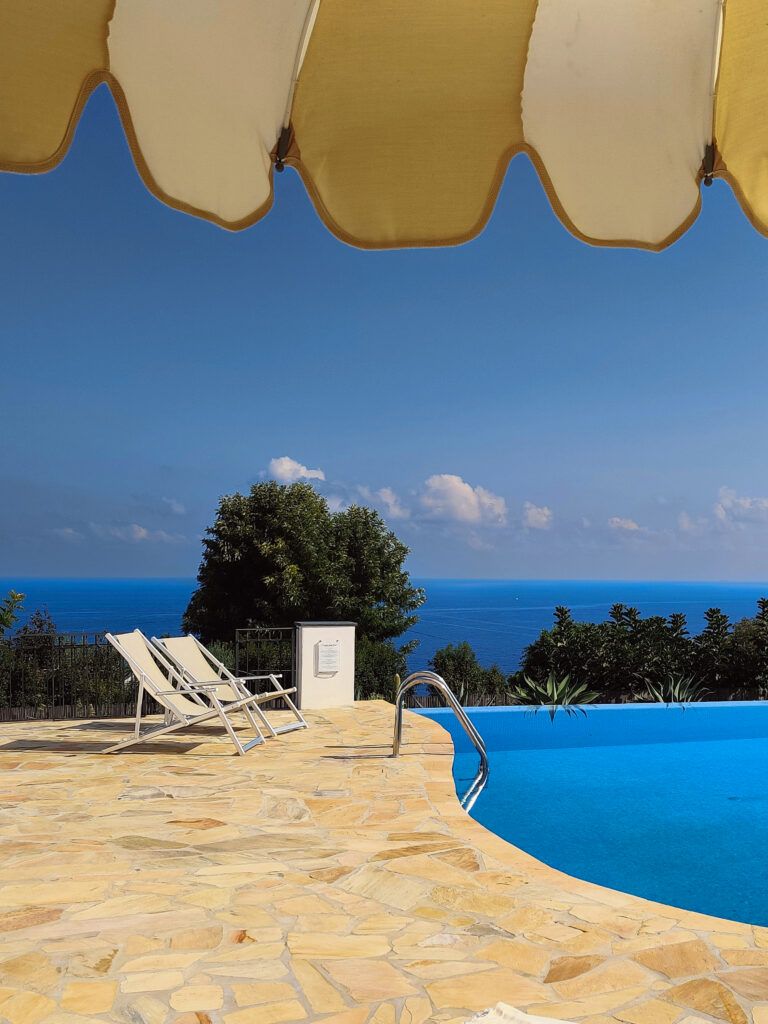
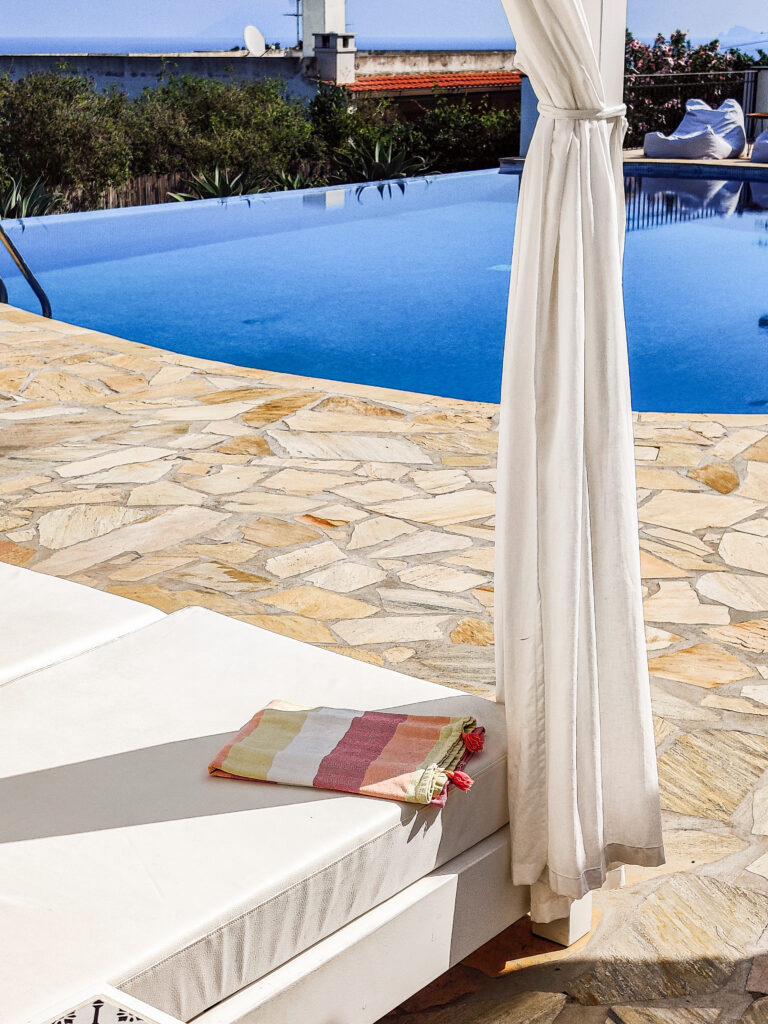
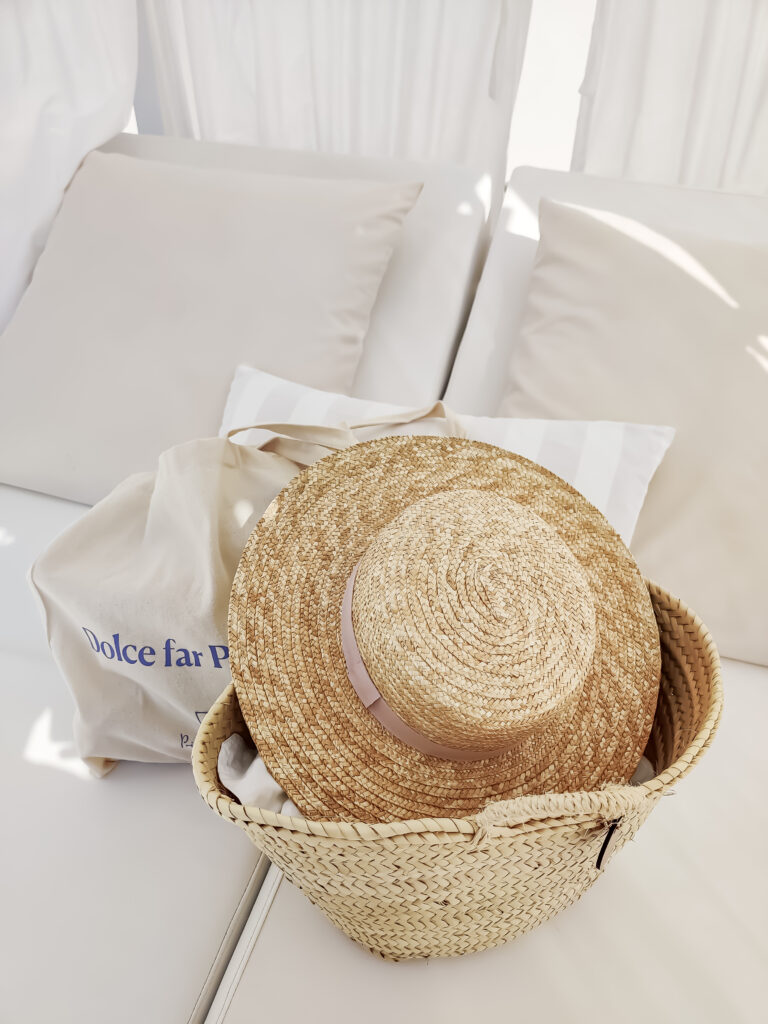
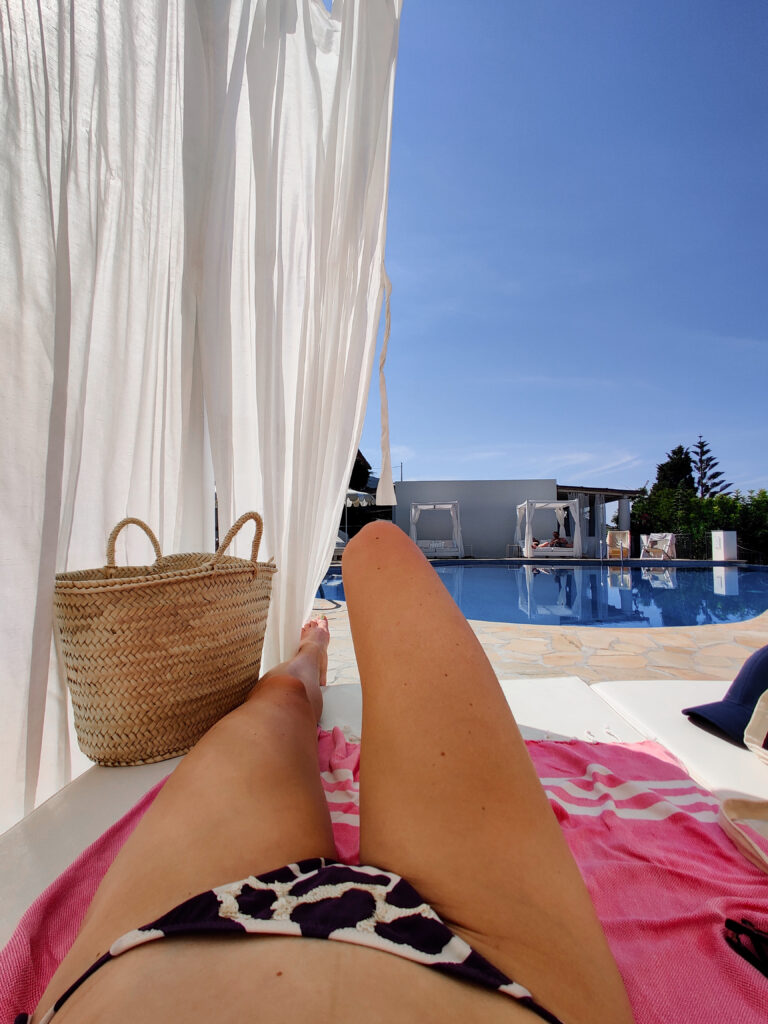
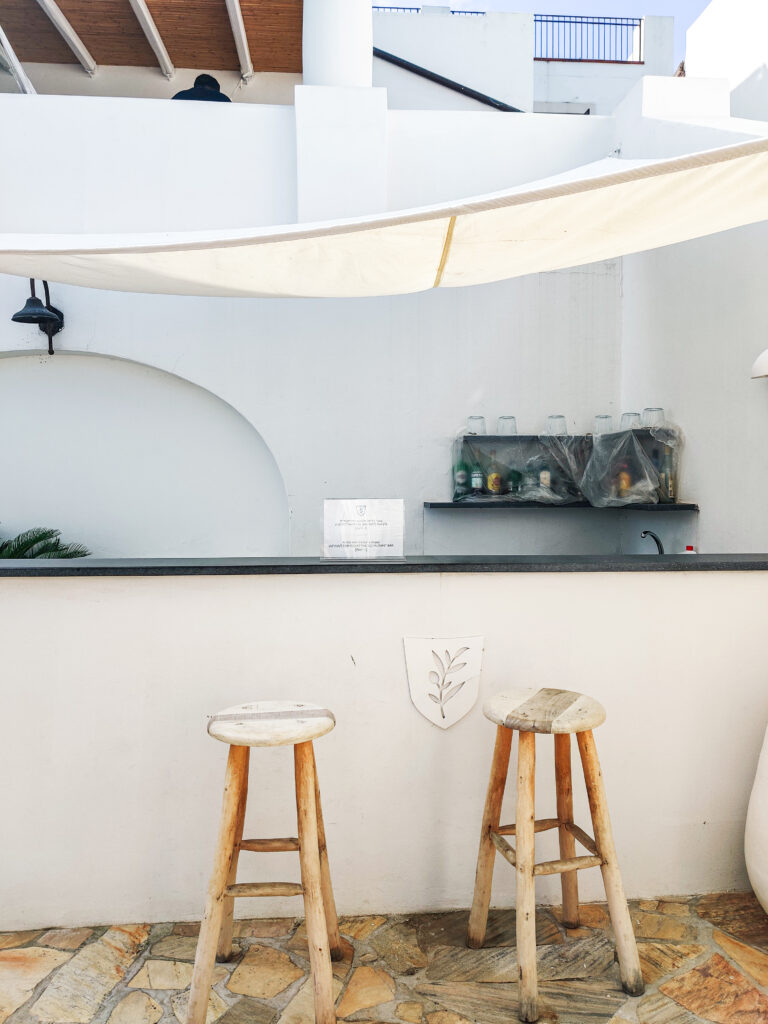
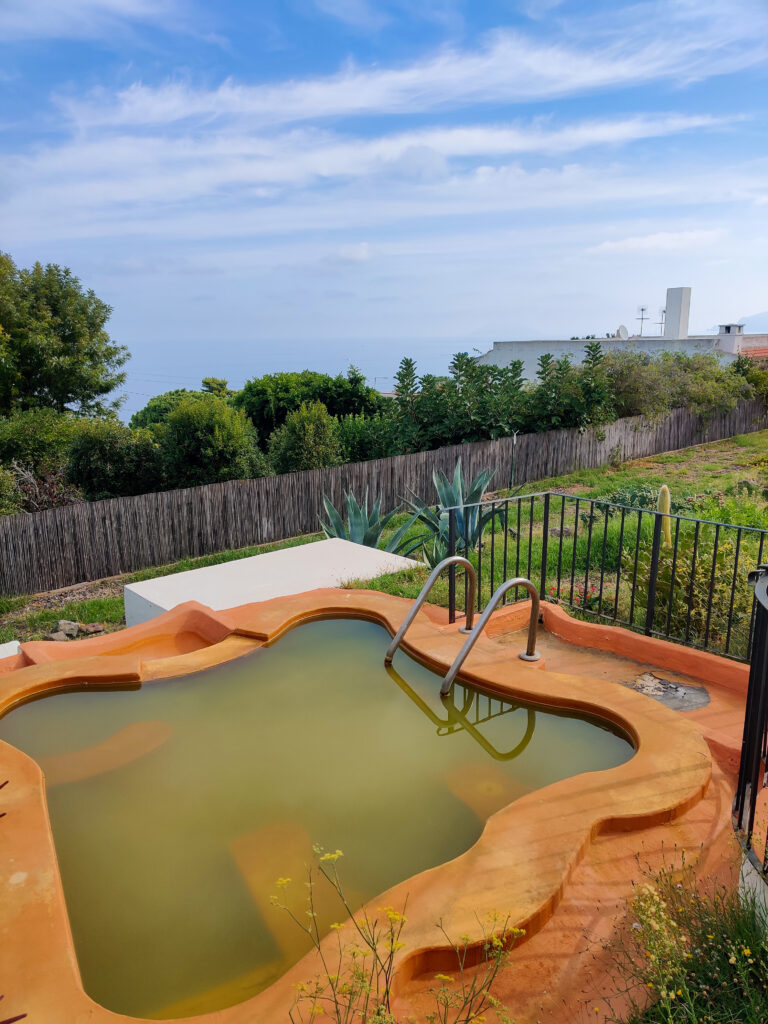
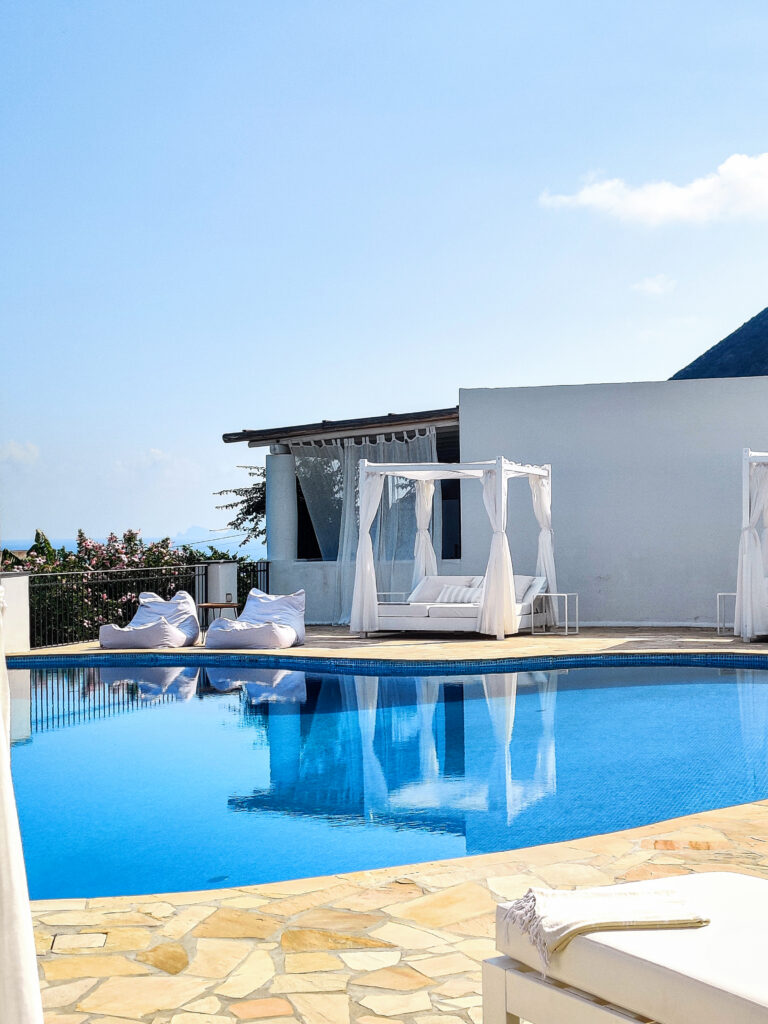
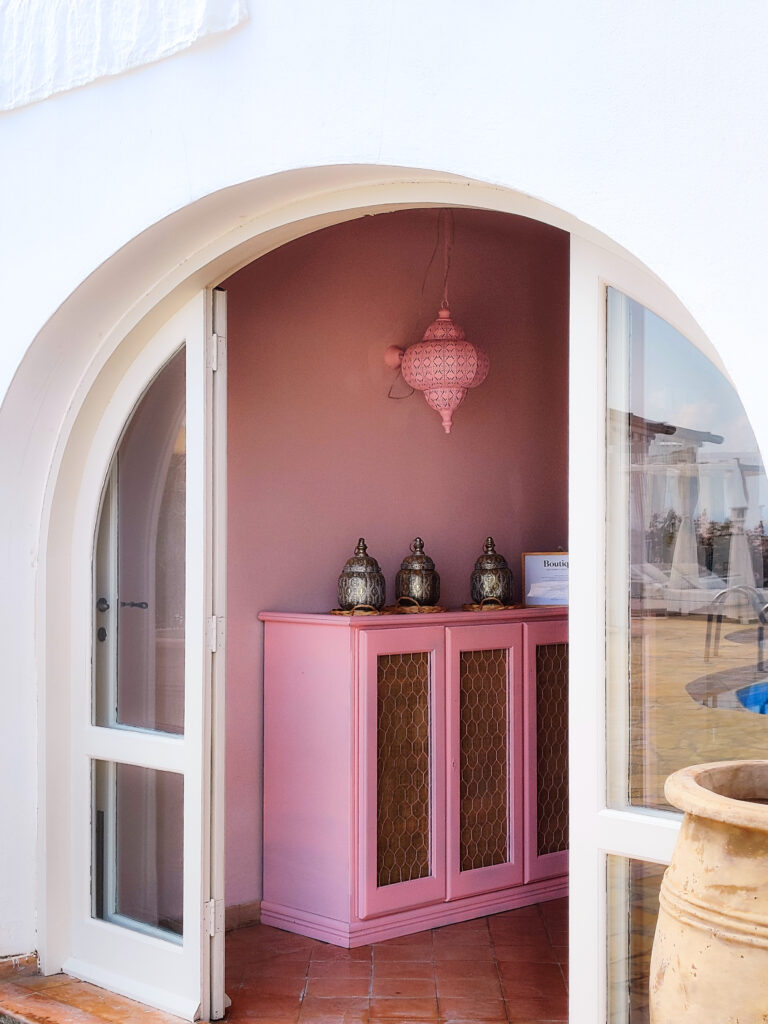
In addition to a lovely pool, the property even has it's own thermal hot spring. That's the orange jacuzzi-like structure pictured above. This especially came in handy post-hike the next day, when we needed some natural hot spring minerals from the volcanic soil and water to heal our poor legs!
Interested in Staying Here?
Purchase my private Google Maps locations below and get the name of this accommodation alongside additional accommodations, things to do, restaurants, activities, natural pools, volcanoes, attractions, and more. You'll have access to all my coveted locations and spots, straight to your phone.
Morning: Rinella Beach
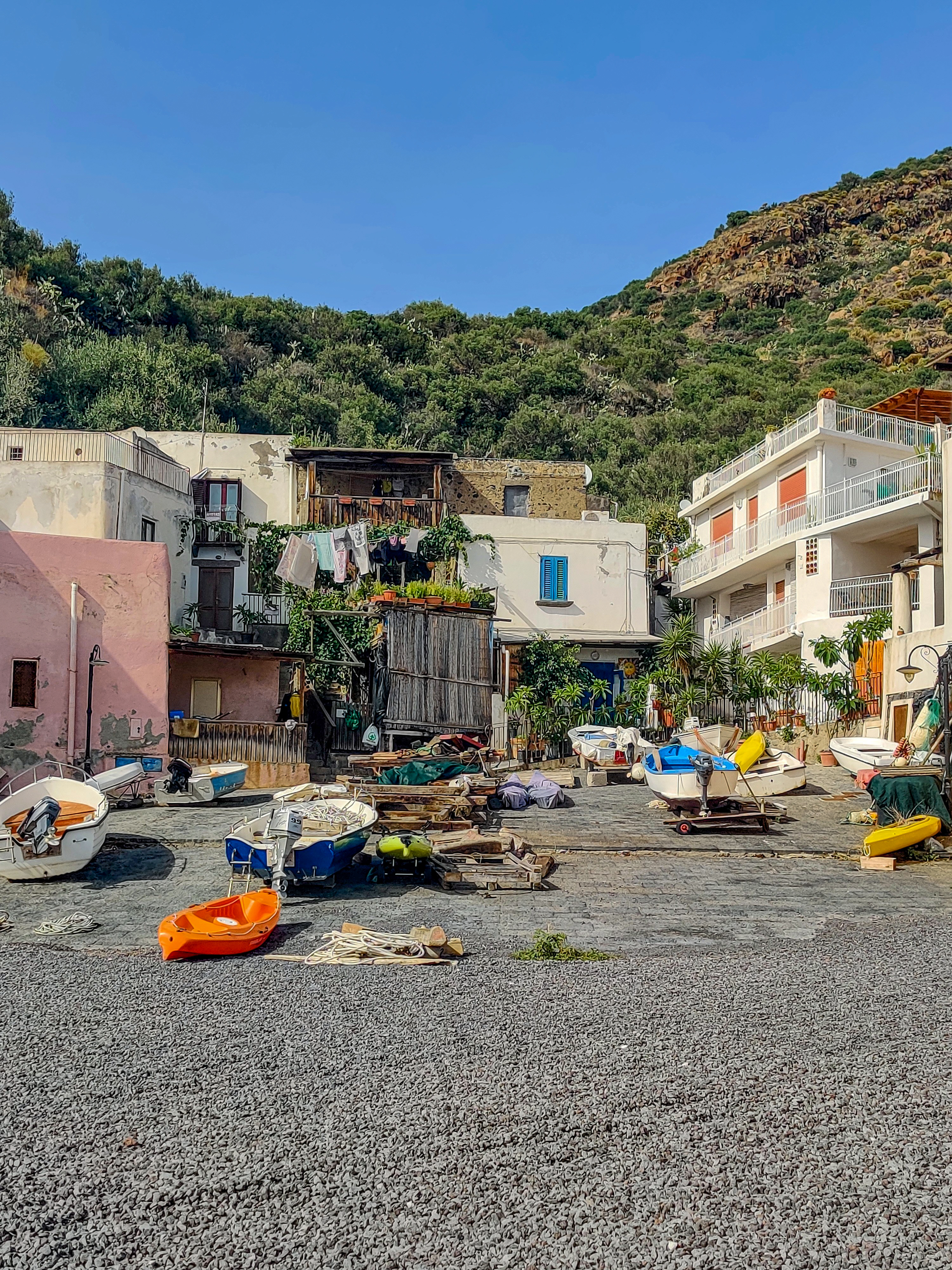
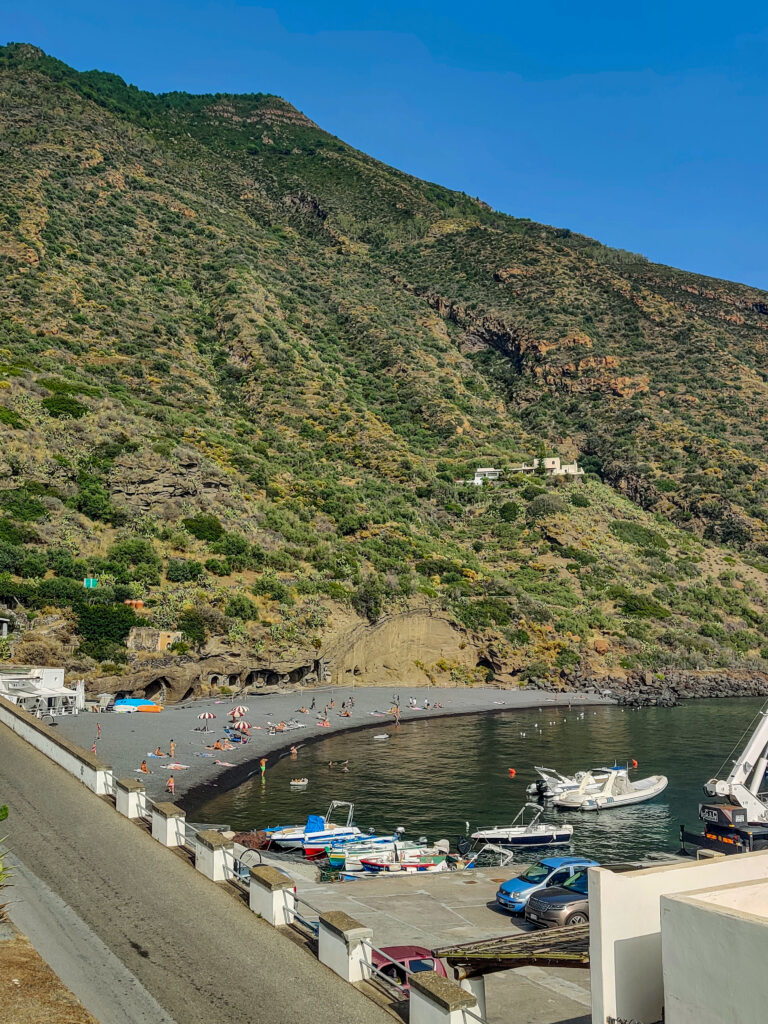
After relaxing at the property for a while, we hopped on our electric scooter and headed to the small and reclusive village of Rinella for lunch. We were told there was a wait for lunch, more on that below, so decided to hang out at the beach next door for a while. In Rinella you will find the only black sand beach on the island of Salina, created by volcanic activity, nestled among caves dug into the rocks from long ago. Up until a few years ago, the caves served as shelters for boats. When going for a swim, keep your eyes peeled for the post-volcanic phenomena called sconcassi. It is an underwater emanation of sulphuric gas and vapor caused by disturbances in the seabed, i.e..post-volcanic activity.
TIP:
If the beach is packed, you can reach another more hidden beach nearby called Prà Venezia. Take the 15-20 minute nature path next to the Aeolian Camping across from the Church of San Gaetano. This is a rock beach. From here you can see the islands of Filicudi and Alicudi.
Lunch: Paperò Glicine
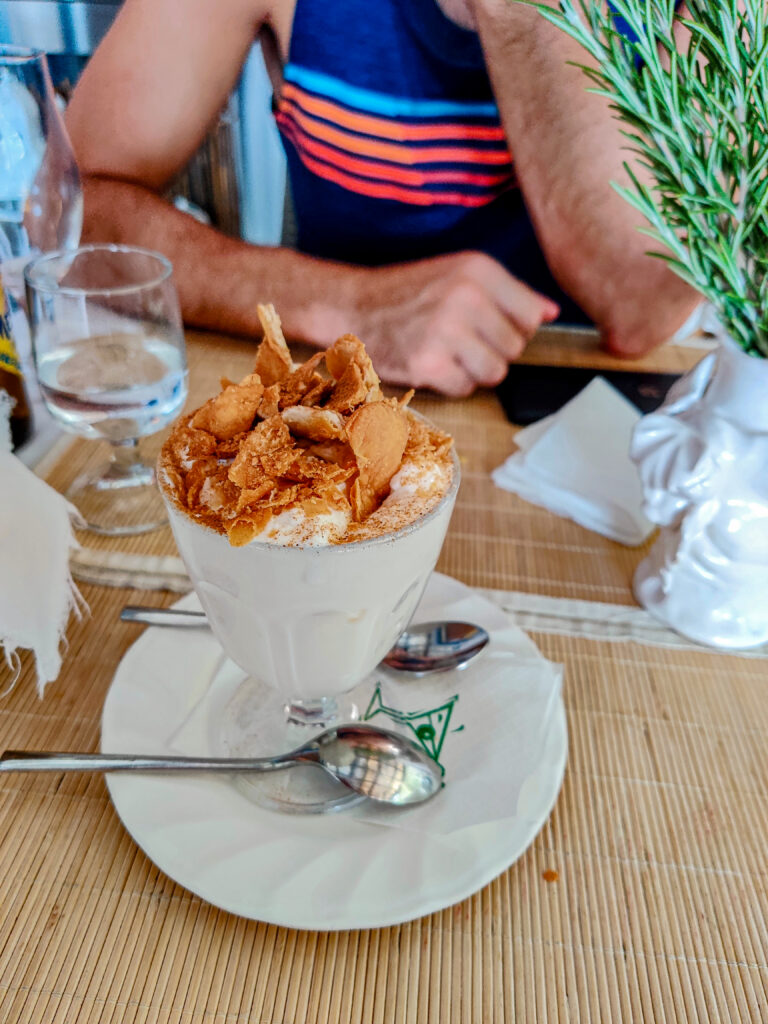
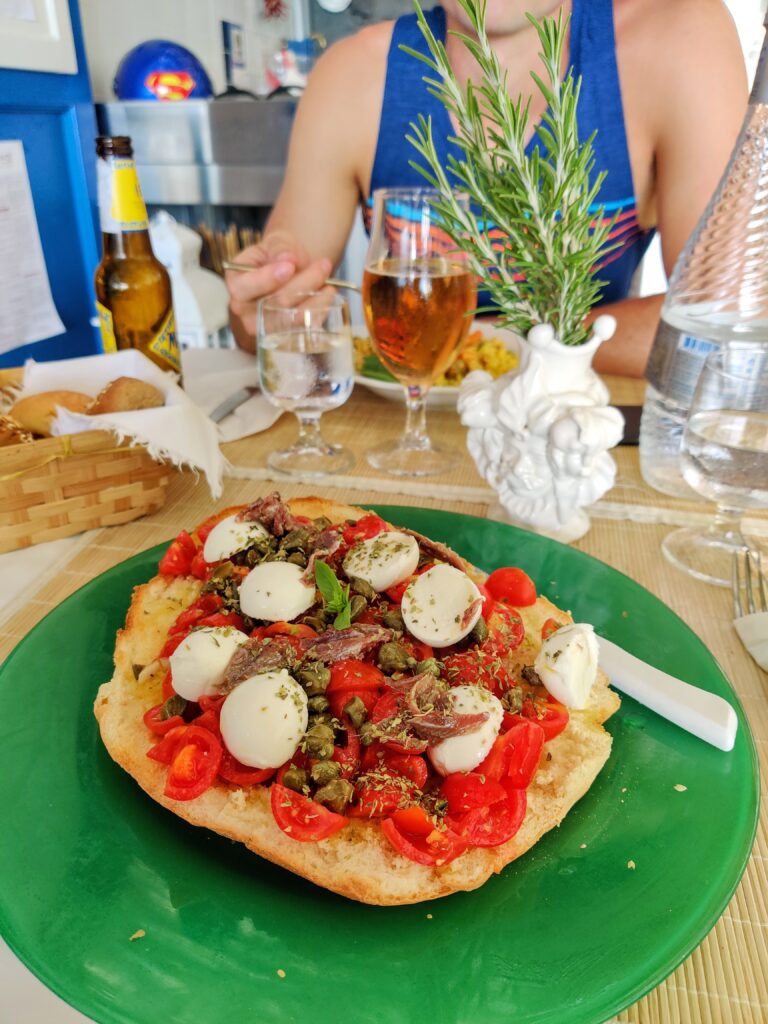
This was my favorite meal in all of Salina, however the restaurant accepts walk ins only. Paperò Glicine is a small, family-run bar in Rinella, where you can get some of the best ricotta granità on the island. Some recommend trying it with the islands famous candied capers, which has a unique contrast between the soft ricotta and the salty capers. Otherwise, opt for the traditional.
What is Granità?
Granità is a quintessential Sicilian treat made from water, sugar, and fresh fruit. It comes in refreshing flavors like lemon, pistachio, and coffee, but Salina is famous for their sweet ricotta version. Granità is often enjoyed for breakfast with a soft brioche bun, it can be eaten as a sandwich or dipped.
For lunch, we ordered the traditional Sicilian meal, pane cunzato. It used to be a typical “poor man’s” meal, or cucina povera, i.e. bread of misery. They use stale bread and enrich it with spices and herbs. Over time, they added richer ingredients like anchovies and mozzarella. A must when on Salina...and in my opinion, better than the place people recommend going to usually for pane cunzato - Da Alfredo.
TIP:
First thing you should do when you arrive in Rinella is stop by Paperò and make a reservation in case there is a 1 hr+ wait. This way you can hang by the beach while you wait. If they turn you down for lunch, ask if you can have a quick granità, they should be able to accommodate!
Afternoon: Wooden Boat Tour Around Salina
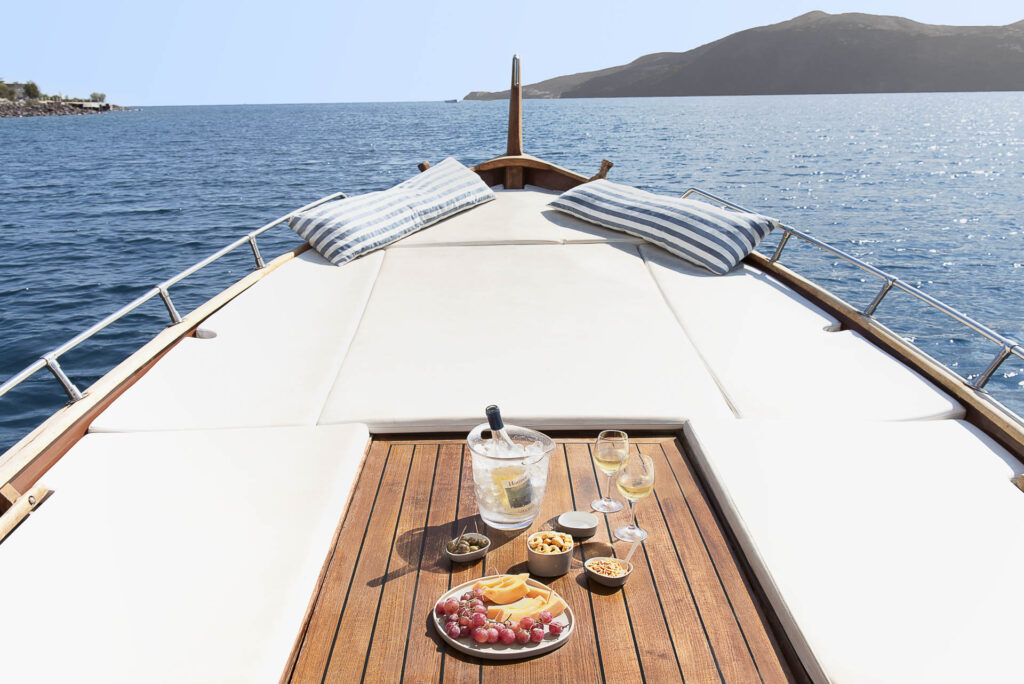
Many hotels and tour operators on Salina offer boat tours that start in the small "port" of Malfa. Touring the island of Salina by sea and touring it by land are two completely different experiences, each unique in its own way. Hop aboard a gozzo d’epoca, or wooden antique boat, and explore the waters of Salina. The captain will choose the itinerary according to your request and delight you with a mid-day aperitivo, or happy hour, with local products. The boat may be equipped with snorkeling gear if you ask, so you can explore the islands crystal clear waters of the Aeolian sea, followed by a peaceful doze sunbathing on the comfy cushions of the deck of the boat.
Dinner: Villa Carla
This small family-run restaurant in the village of Leni offers delicious Aeolian cuisine made only from local ingredients. The restaurant is based in the garden of the owner’s house so when they run out of ingredients they pop by their back garden to get them. Everything they prepare is fresh, tasty and home-made.
There’s no fixed menu; the offer is concise, regularly updated and contains both the obvious local standards like pasta alla norma as well as some more elaborate dishes, like fish steamed in orange tree leaves. Everything is accompanied by Aeolian and Sicilian wines that perfectly complement the food.
- Day 3 -
Morning: Hike Monte Fosse delle Felci Volcano
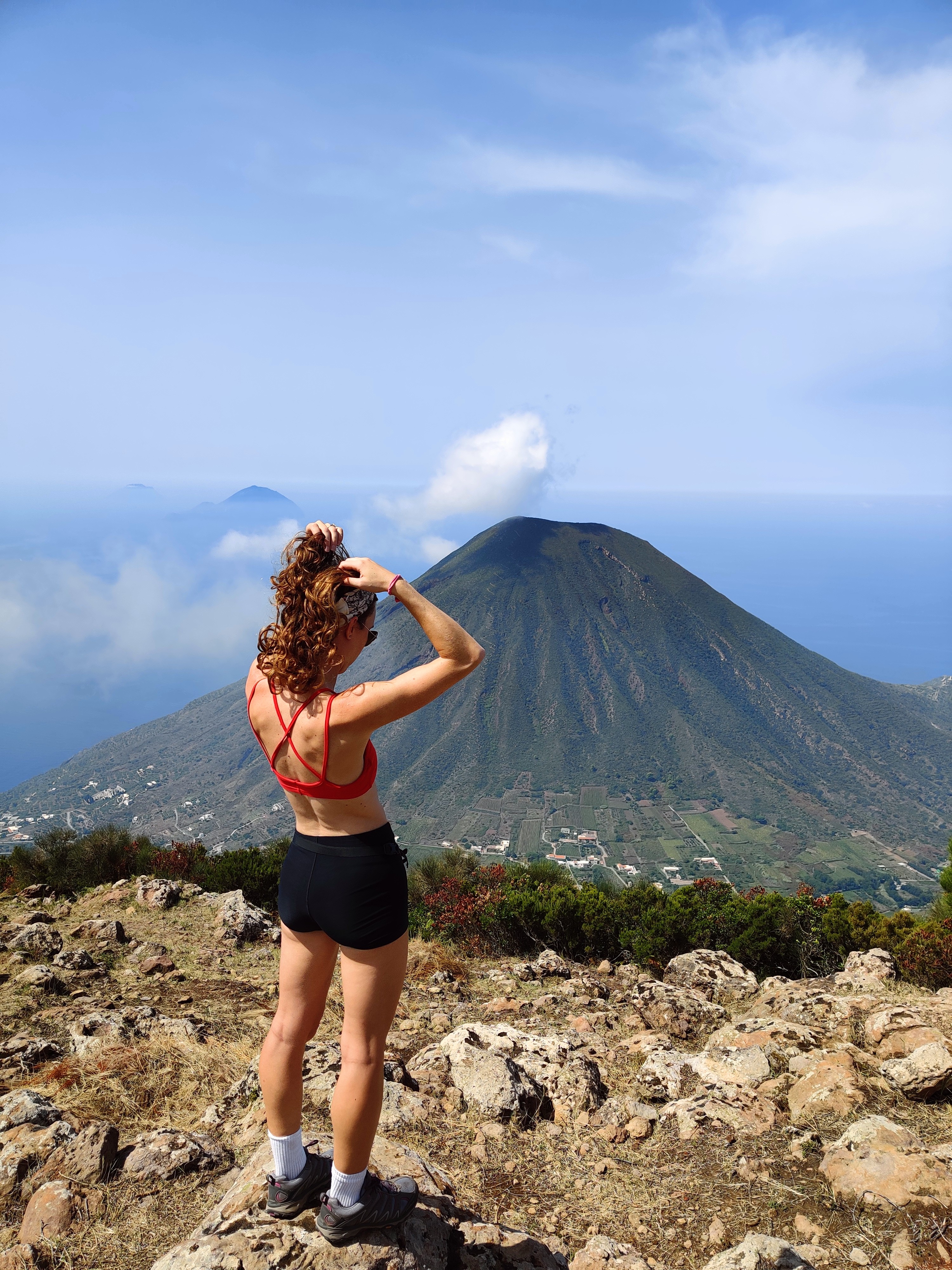
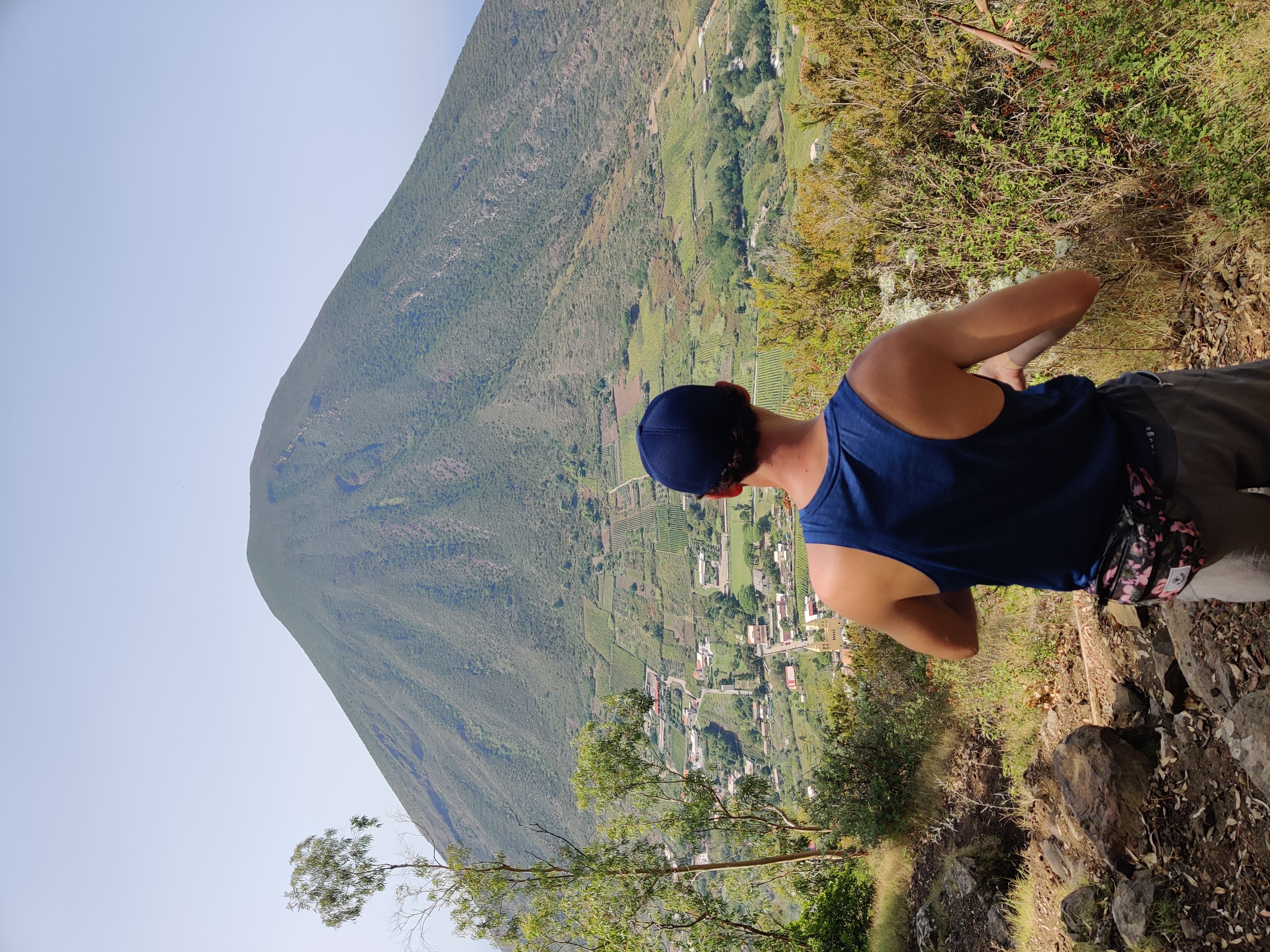
Salina consists of 6 volcanos, which are not active anymore. Only 2 are visible on the island of Salina: Monte Fossa Delle Felici and Monte dei Porri. A hike to the top of one of them is tough, especially in the torrid Sicilian heat, but it's worth the view. Pat and I hiked Monte Fossa Delle Felci when there. It is the highest non-active volcano on Salina at 962 meters (3,156 feet).
You can reach the summit from any of the villages, but we chose to go for one of the most convenient and closest villages. We parked our electric scooter at the village of Valdichiesa, next to the yellow 19th century church, and followed the hiking path to the left. From here we followed signs for Monte Fossa.
You have 2 options to hike up. Option one, the harder one, is the hiking path. It is a legit hike through fields, bushes, and trees. This one is quite hard and steep. It takes about 2 hours to get up and 1 hour to get down. And watch out for snakes because we did see one big one slither by us on the way back down! Option two on the other hand is easier. You just take the street adjacent to the hiking path and walk all the way up. There is some shade on the hike up, but there's also a good amount of sun. Once at the top, you will take in views of the other volcano Monte dei Porri and the two small Aeolian islands of Alicudi and Filicudi in the distance.
Lunch: Caper Tour and Lunch Tasting
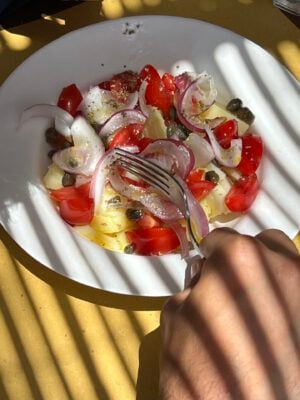
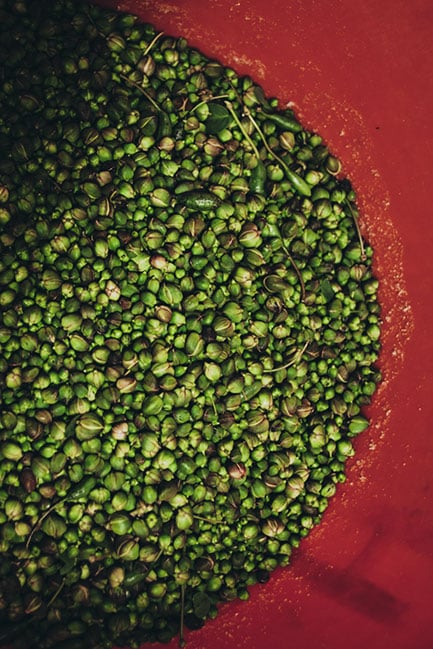
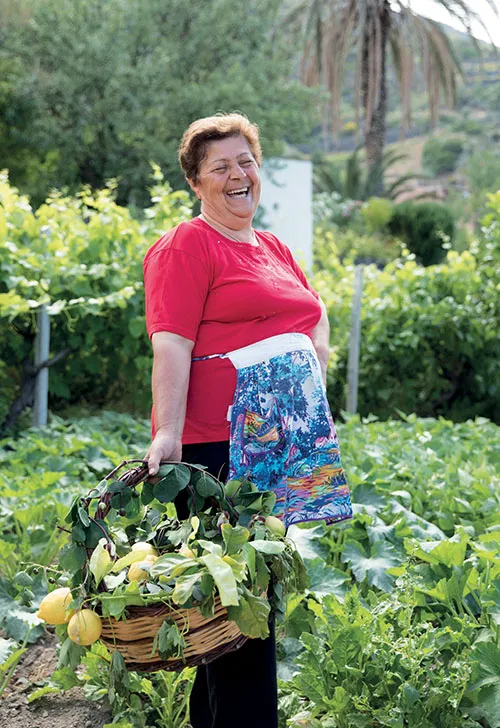
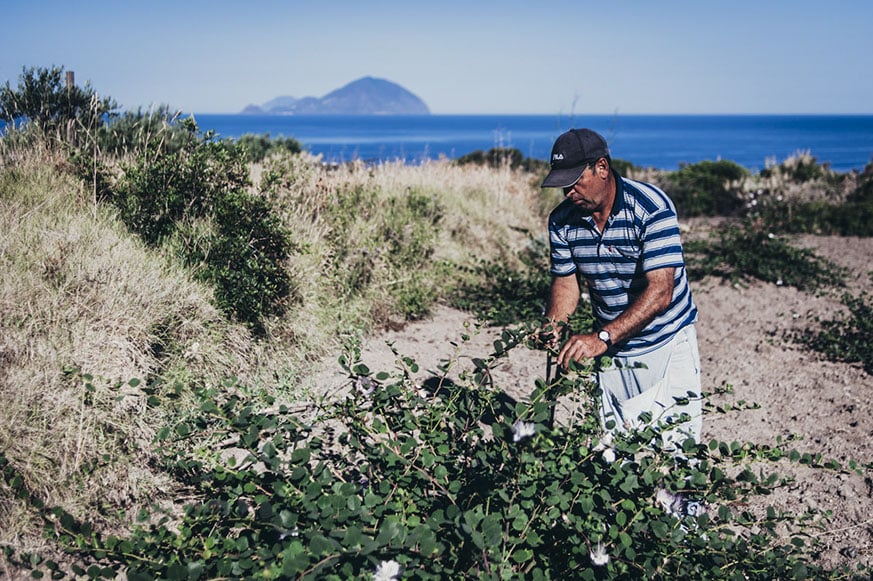
For lunch you will be spending time with Sapori Eoliani. One of the things Salina is famous for, aside from it's one-of-a-kind Malvasia wine, are capers. It's thought that Salina has some of the best capers in the world. You'll find them infused in everything from granità, to gelato, pizza, spa treatments, soaps, and more. Salina's capers are recognized as Presidio Slow Food, which are small scale businesses that protect traditional and artisanal food varieties that are at risk of becoming extinct. There are about 300 Presidio Slow Food products in Italy. At Sapori Eoliani, they are preserving a rare and antique art form and product that can be found nowhere else in the world.
Their manual harvesting and processing ensure their distinct taste and flavor. The capers and cucunci, or caper berries, of Sapori Eoliani are reproduced by cuttings, a method now very rare, which makes the product such high quality. You can book a tour of the plantation and production process followed by a lunch tasting of their preserves, sauces, condiments, jams, and spices typical of the Aeolian Islands.
Other Food Tours & Tastings
In addition to capers, Salina is famous for their one-of-a-kind Malvasia wine. There are plenty of vineyards on the island that offer tastings and tours including the luxurious Tenuta Capofaro and down-to-earth Fenech.
Afternoon: Santa Marina
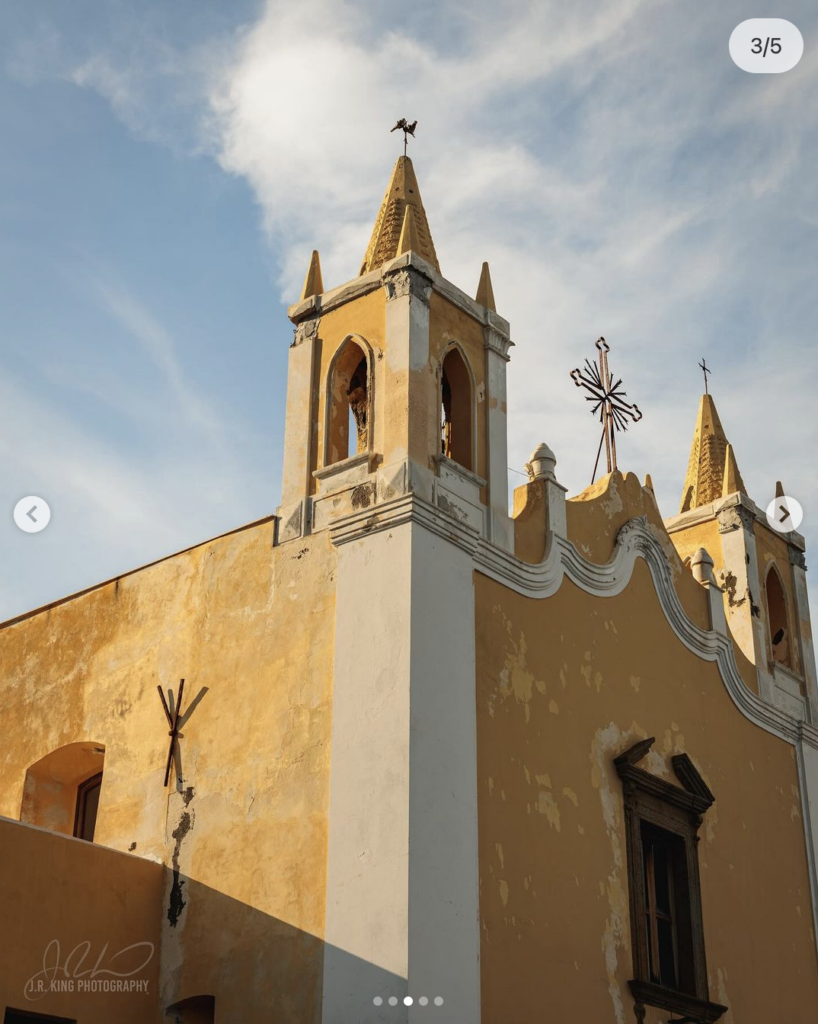
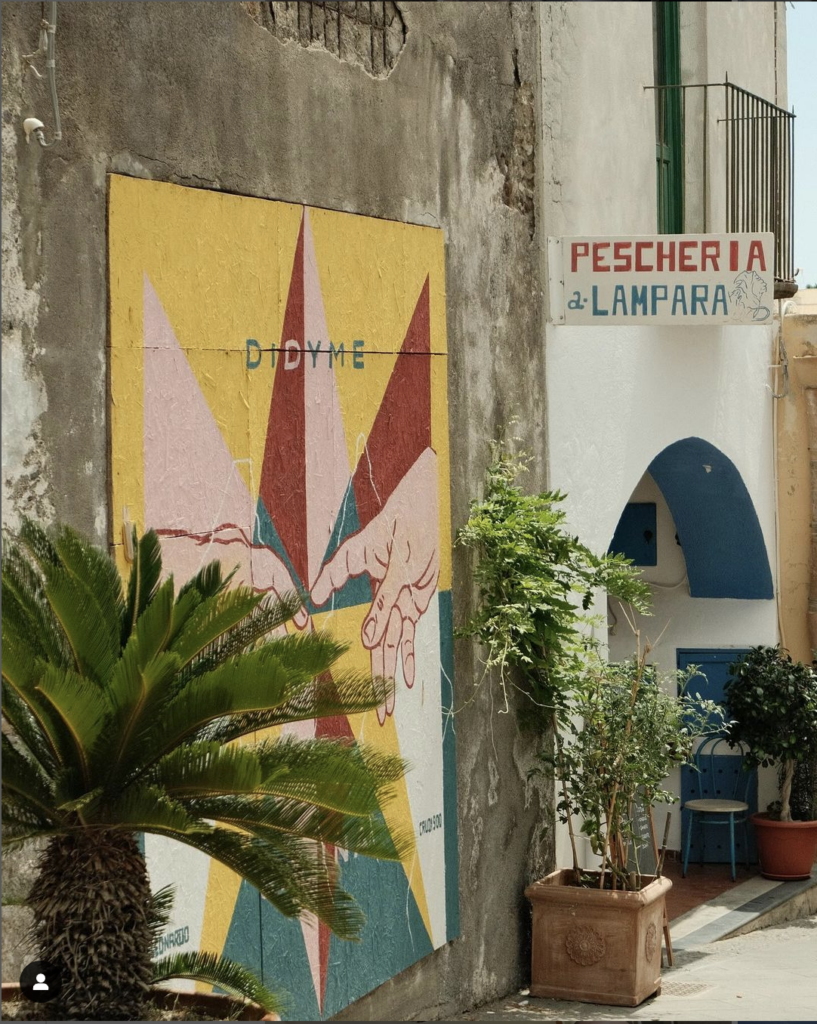
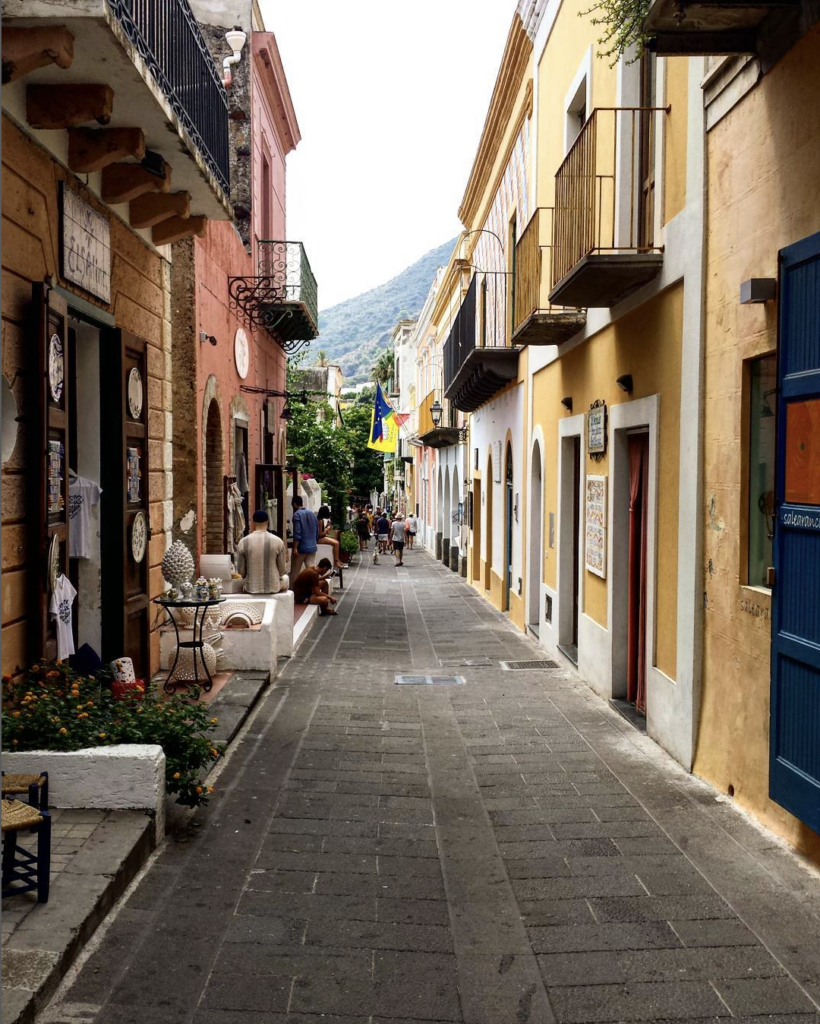
Santa Marina, known by locals simply as “la città,” gives a more urban impression. It is the main port and village on the island. A good 900 people live in the “town”. It’s the busiest area on the island for both shopping and nightlife. The main shopping street is Via Risorgimento with several nice stores. Stop by:
- Casa Salina: Sells silk kaftans and the island fragrances “Eolie Parfums.”
- Salearancio: Flip-flops from Ipanema, cool Mondegliani sunglasses and locally made ceramics.
- Le Signorine: Sell their own line of jewelry, chic swimsuits and nice home accessories.
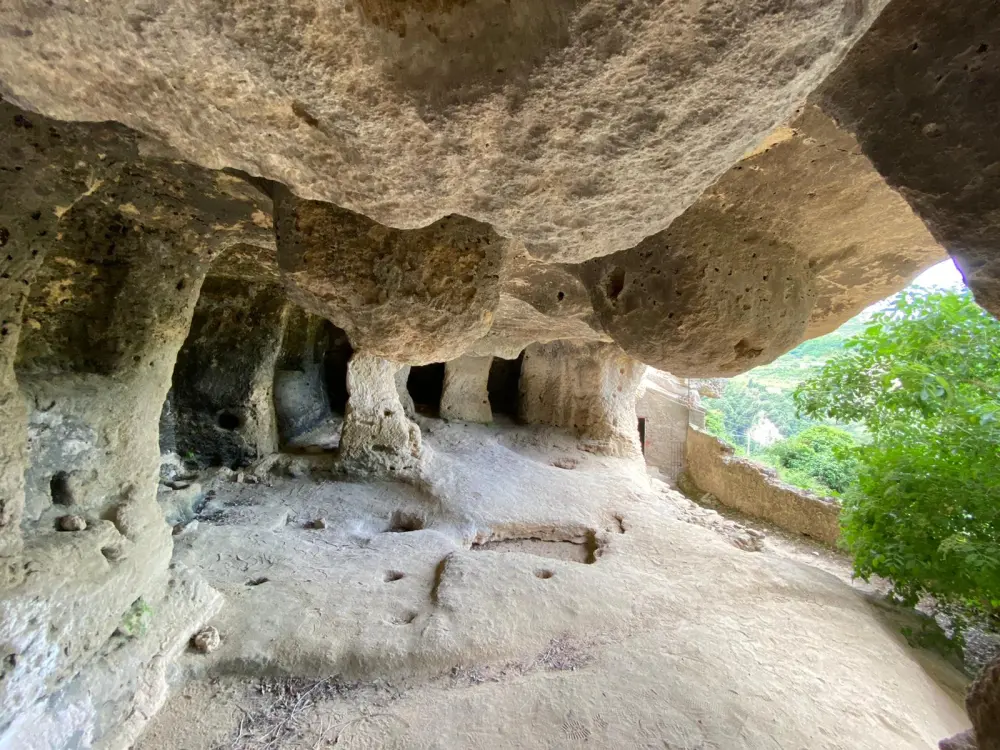
If you're looking for something more active and historical, there’s an intensive 2 hour hiking path that takes you through fruit and olive trees that takes you to the Saracen Caves, Le Grotte dei Saraceni, a distinct morphological structure dug into tuff used as a refuge during the invasion of the Saracens in 650 AD.
Dinner: La Pinnata del Monsù
A pinnata is a seaside spot used to store Malvasia grapes at night after being sun-dried in the sun all day. Monsù, from the French Monsieur, referred to chefs who cooked for noble Sicilian families back in the day. Hence the name...alluding to an old chef’s sun-drying spot. Dinner is held on the pinnata terrace overlooking the Malvasia vineyards.
- 3 Days in Salina, Sicily Itinerary Map -
How to use this map? Use your fingers (or computer mouse) to zoom in and out. Click or touch the icons to get more info about a place, and click the arrow in the box at the top left to open the index. To add to your own Google Maps account, click the star next to the title of the map.
- How to Get Around Salina -
The public bus in Salina comes very frequently during the summer months, but Patrick and I like our freedom when it comes to roaming around. The island has 2 very small and local "rental car companies," but the cars and service can be a bit dicey. Taxis are a very expensive alternative when it comes to getting around. My recommendation would be to have the hotel or lodging where you are staying pick you up and drop you off. Once there, a good number of hotels offer small electric vespas or scooters you can roam the island on. They don't go too fast and you can pick up driving them real quick. Pat had never driven one before and he went down the street and back and felt comfortable driving us both within seconds. Plus, what's more Italian than zipping around the island in a mini electric vespa?